





 Portuguese
  English
  Spanish
  4 min of reading
  35 comments


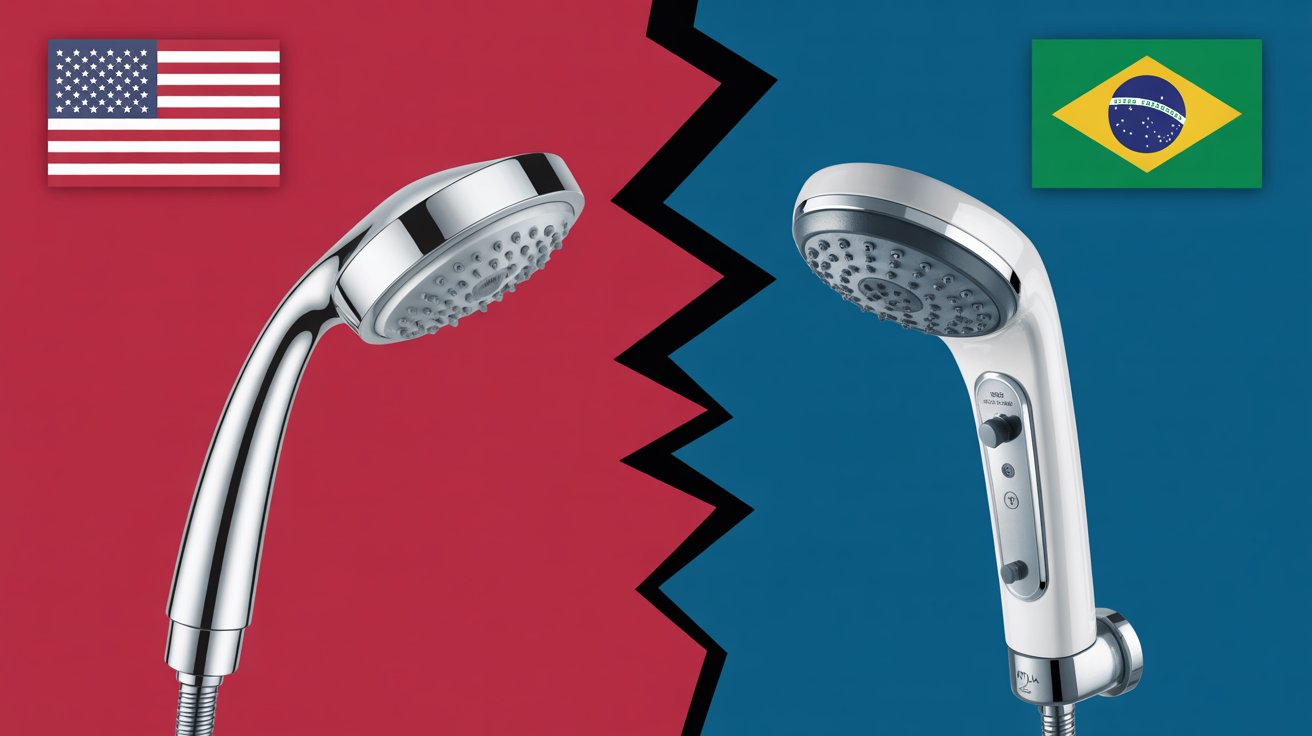


Created in the Interior of São Paulo, the Electric Shower Transformed Bathing Habits, Shaped Brazilian Culture of Thermal Comfort, and Now Faces the Competition of More Sustainable Hybrid Models That Promise Energy Savings and Environmental Efficiency
The Brazilian electric shower, present in over 70% of households, transformed the way Brazilians take showers. Created in Jaú (SP) by engineer Francisco Canho, the device emerged as a practical alternative in light of the scarcity of gas and the expansion of the electric grid, becoming a symbol of adaptation to the country’s conditions.
National Origin and Popularization of the Invention
In the 1950s, the company Lorenzetti acquired the patent and industrialized the invention. With the introduction of plastic in the 1960s, costs were reduced, safety increased, and popularity grew. Today, it only takes two wires and a heating element for the system to function, without the need for boilers, pressurized plumbing, or thermal tanks.
This simple model contrasts with the standard in countries like the United States, Japan, and Germany, which rely on robust infrastructure for central water heating. In Brazil, installation can be done quickly, at low cost, and without specialized professionals.
-
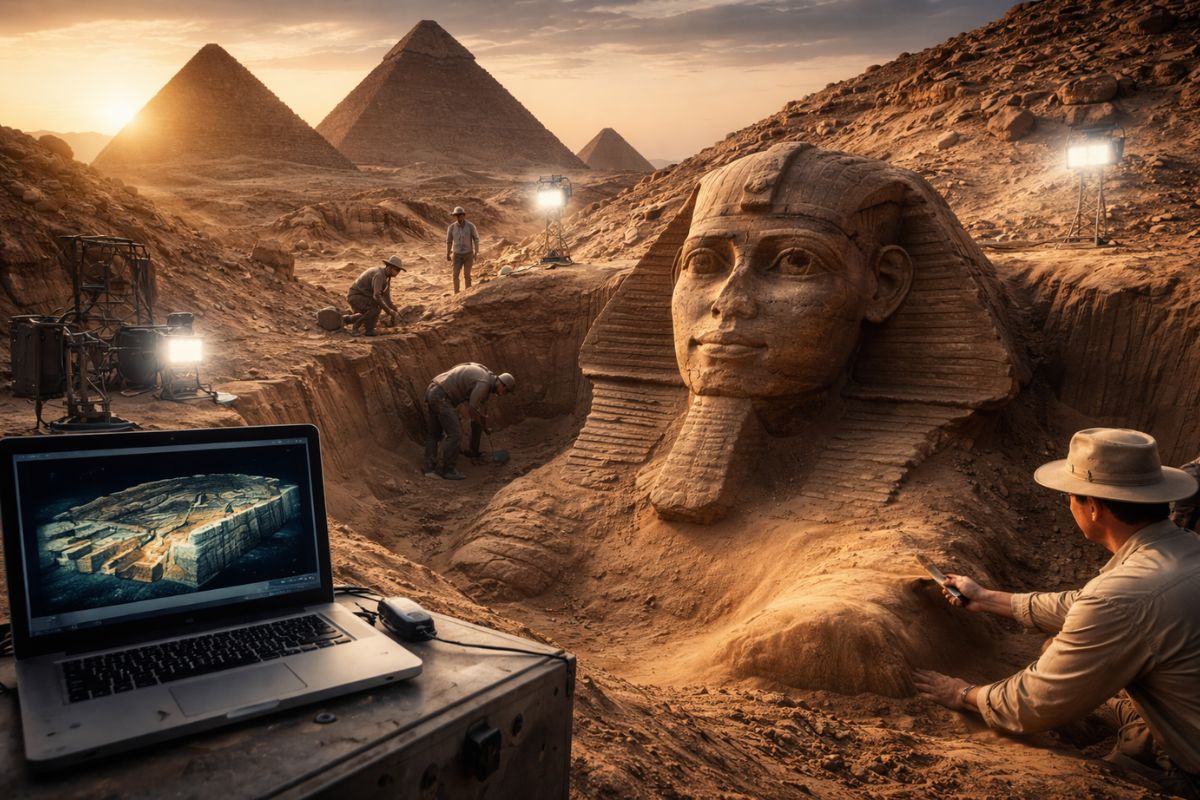
Italian researchers have detected what appears to be a second Sphinx buried under the sands of Egypt, and satellite scans reveal a gigantic underground megastructure hidden beneath the Giza Plateau for over 3,000 years.
-
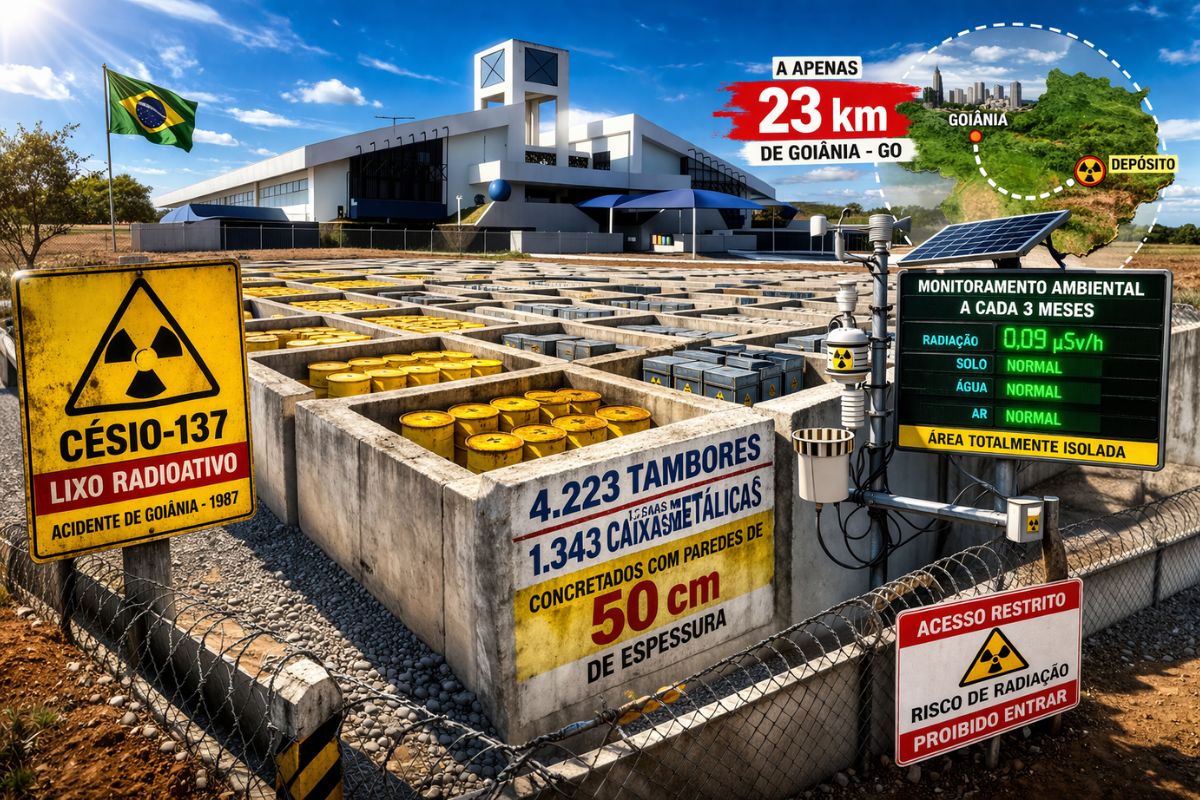
There are 4,223 drums and 1,343 metal boxes concreted with 50-centimeter walls that store the radioactive waste from Cesium-137 in the worst radiological accident in Brazil, just 23 kilometers from Goiânia, with environmental monitoring every three months.
-
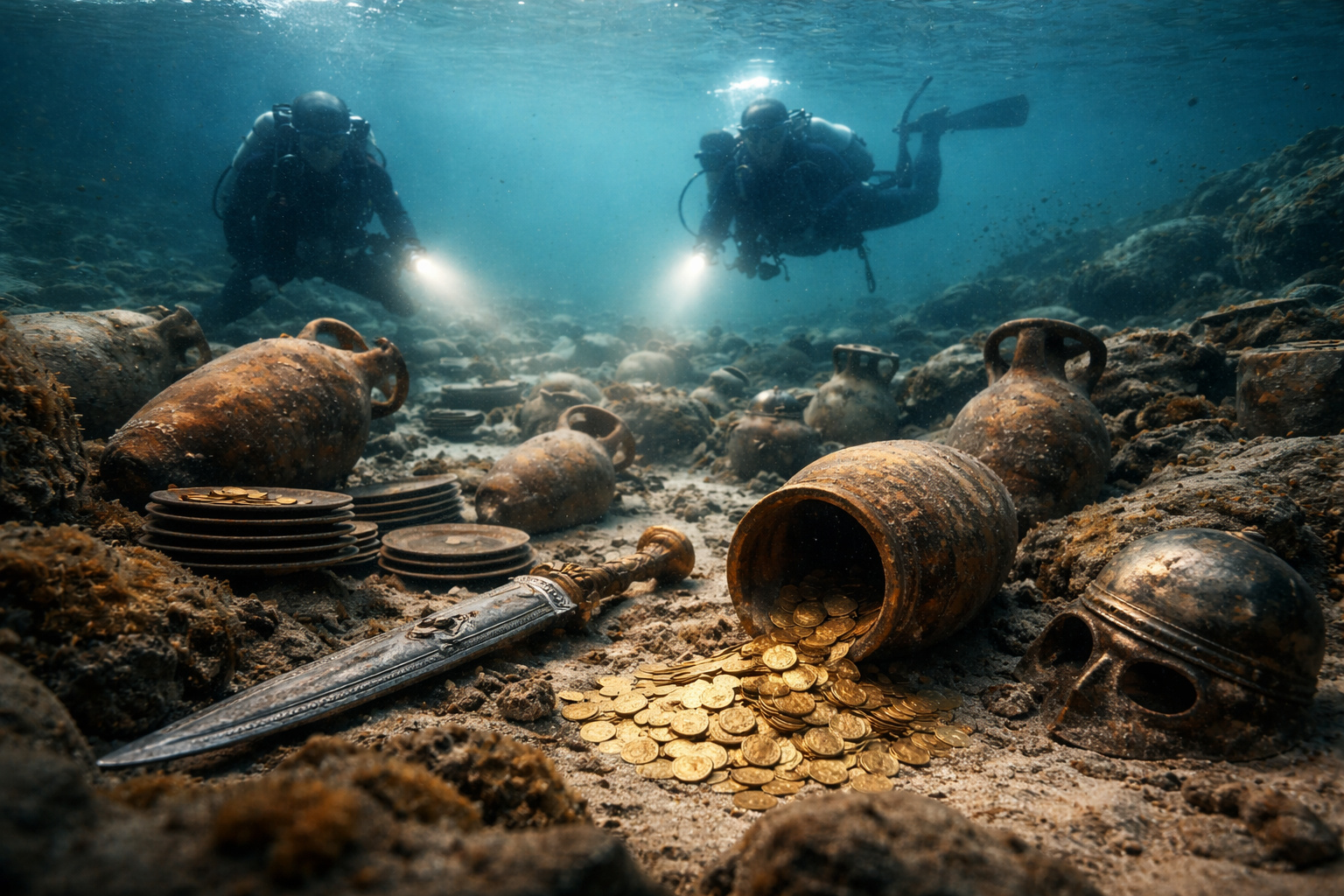
Giant Roman treasure found at the bottom of Lake Neuchâtel in Switzerland reveals an advanced trade system, circulation of goods, and armed escort in the Roman Empire about two thousand years ago.
-
He buried 1,200 old tires in the walls to build his own self-sufficient house in the mountains with glass bottles, rainwater, and an integrated greenhouse.

Tropical Climate and Cultural Adaptation
The tropical climate favored the expansion of the electric shower. As water rarely reaches extreme temperatures, there is no need for very high power. Additionally, the architecture of small houses, often with only one bathroom, encouraged decentralized heating, preventing waste of hot water in the pipes.
Culturally, warm showers have consolidated as an essential element of comfort, and many Brazilians even take two or three showers a day, in contrast to the habit of quick and lukewarm showers in other cultures.
Changes in Daily Behavior
Wearing flip-flops in the shower, a common practice in Brazilian bathrooms, is also linked to the electric shower. In older installations, the lack of grounding led to the adoption of this habit as a safety measure. This direct relationship between technology, infrastructure, and behavior shows how the device shaped not only homes but also routines.
According to the channel Elementar, which released a video on the topic, the electric shower is an example of a national invention that thrived within a unique context but did not establish itself as a standard in other countries.
Limits and International Expansion
Although exported to countries with similar climates and limited infrastructure, such as Peru, Colombia, Kenya, and Uganda, the electric shower continues to be used in alternative ways. No other country has incorporated the model as a standard, reinforcing Brazil’s unique character in this aspect.
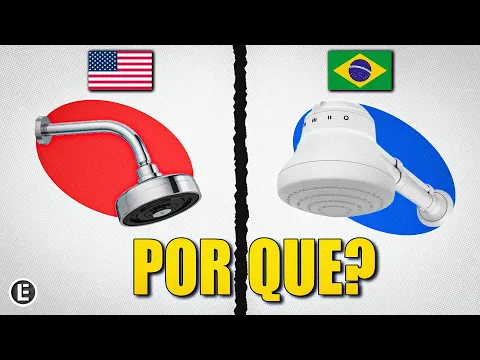

In the domestic market, gas heaters and solar systems have been growing among higher-income consumers. However, with the rise in kitchen gas prices and the increasing costs of energy, the electric shower remains predominant due to its practicality and affordable price.
Arrival of the Hybrid Shower and Promises of Savings
A new technology is starting to gain traction: the hybrid shower. Combining electricity, solar energy, and gas, this system can reduce electricity bills by up to 74%, according to a study from USP.
According to the International Center for Water Reuse (CIRRA/USP), the innovation is more efficient than standalone solar heating, maintaining stable water temperature even on days with less sunlight.
Main Advantages of the Hybrid Shower
- Savings of up to 74% on energy consumption;
- Combined use of electricity, solar energy, and gas, ensuring temperature stability;
- Greater sustainability, with reduced pollutant emissions;
- Modern options, such as digital and multi-temperature models;
- Financial return in the medium term, especially for families with high hot water consumption.
Future of Hot Showers in Brazil
Despite the arrival of sustainable alternatives, the simple installation and low initial cost still make the electric shower the majority choice in Brazil. While in other countries the technology never found a foothold, here it remains central to the daily routine, combining practicality with adaptation to the tropical climate.
The challenge lies in reconciling tradition and innovation: the electric shower continues to be the standard, but pressures for energy efficiency and sustainability indicate that hybrid models may gain strength in the coming years.
Do you believe that the electric shower will continue to be the standard in Brazil for many years, or will hybrid and sustainable models carve out a space in Brazilian homes?







A classe pobre continuará com chuveiro elétrico uns 100 anos ainda
Tenho aquecimento solar + boiler elétrico.
No verão todo, e parte das meias estações, uso apenas o aquecimento solar para dois banheiros + torneiras da casa toda.
O investimento inicial já se pagou umas trinta vezes.
O problema do brasileiro é o poder awuisitivo muito baixo, logico que o aquecimento central junto com o cotrole de temperatura da casa toda fica proibitivo no brasil pois iria facilmdnte perto dos 1000 Kw por mês falar que o primeiro mundo não adotou o chuveiro eletrico pois eles tem opcoes bem melhores com custos acessiveis