





 Portuguese
  English
  Spanish
  2 min of reading



The Long Dreamed Return of Brazilian Shipbuilding and Job Creation Still Hurdles Against Asian Competitiveness in 2023
FPSO (Floating Production Storage and Offloading) units are ships used for the production, storage, and transfer of oil and gas. These units are essential for the exploration of offshore reserves, such as those found in the Brazilian pre-salt. However, most FPSO units have been built in Asia, instead of Brazil, for various reasons and are expected to remain this way in 2023.
Competitiveness of Asian Shipyards
Asian shipyards, especially in South Korea, China, and Singapore, have significant production capacity and a long tradition in shipbuilding.
These countries continuously invest in technology, skilled labor, and infrastructure, which allows them to be highly competitive in terms of price, quality, and delivery times.
-
Lack of workers and an aging population: Japan bets on AI robots in factories, logistics, and infrastructure to keep the economy and essential services active.

-
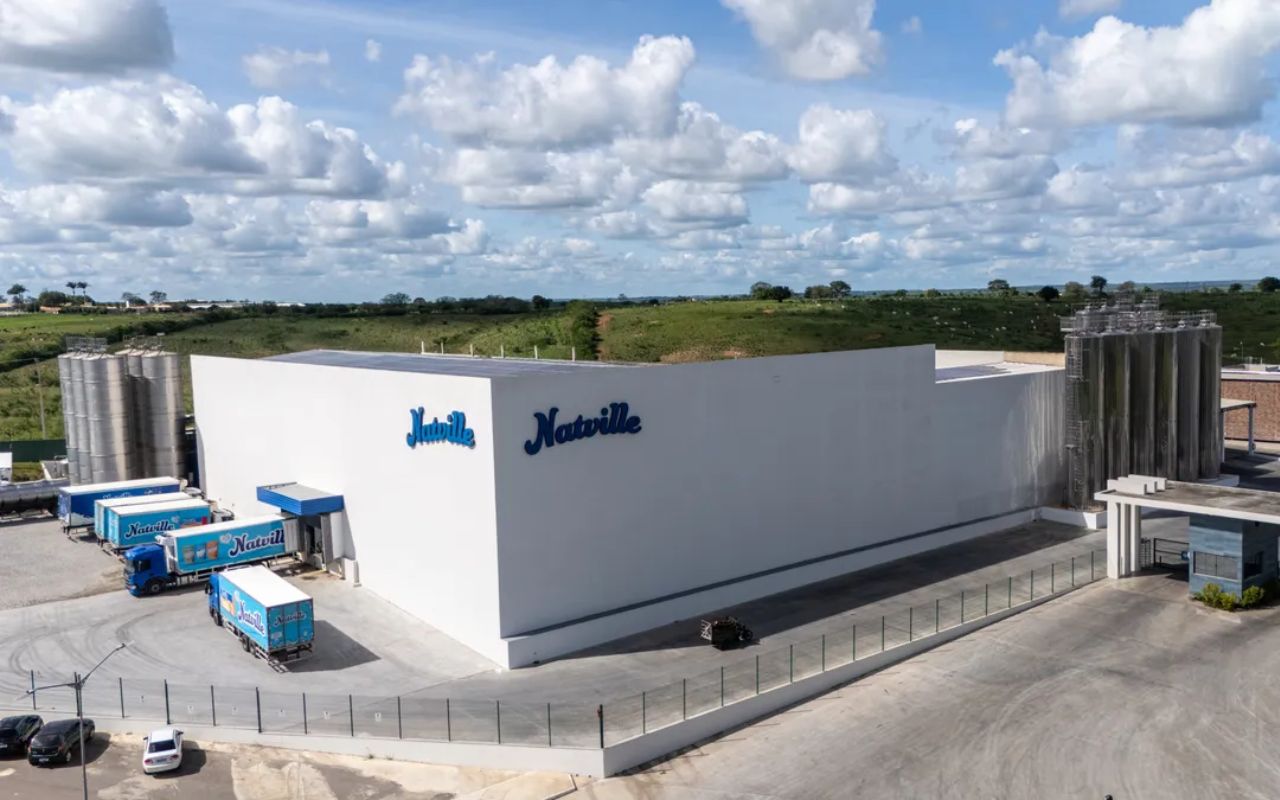
Natville puts R$ 700 million on the table for new factories in the Northeast, generating jobs and boosting the local economy.
-
With 74% of companies facing difficulties in hiring, technicians and engineers in renewable energy are becoming scarce in Brazil and are essential to support the expansion of solar, wind, and green hydrogen projects.

-
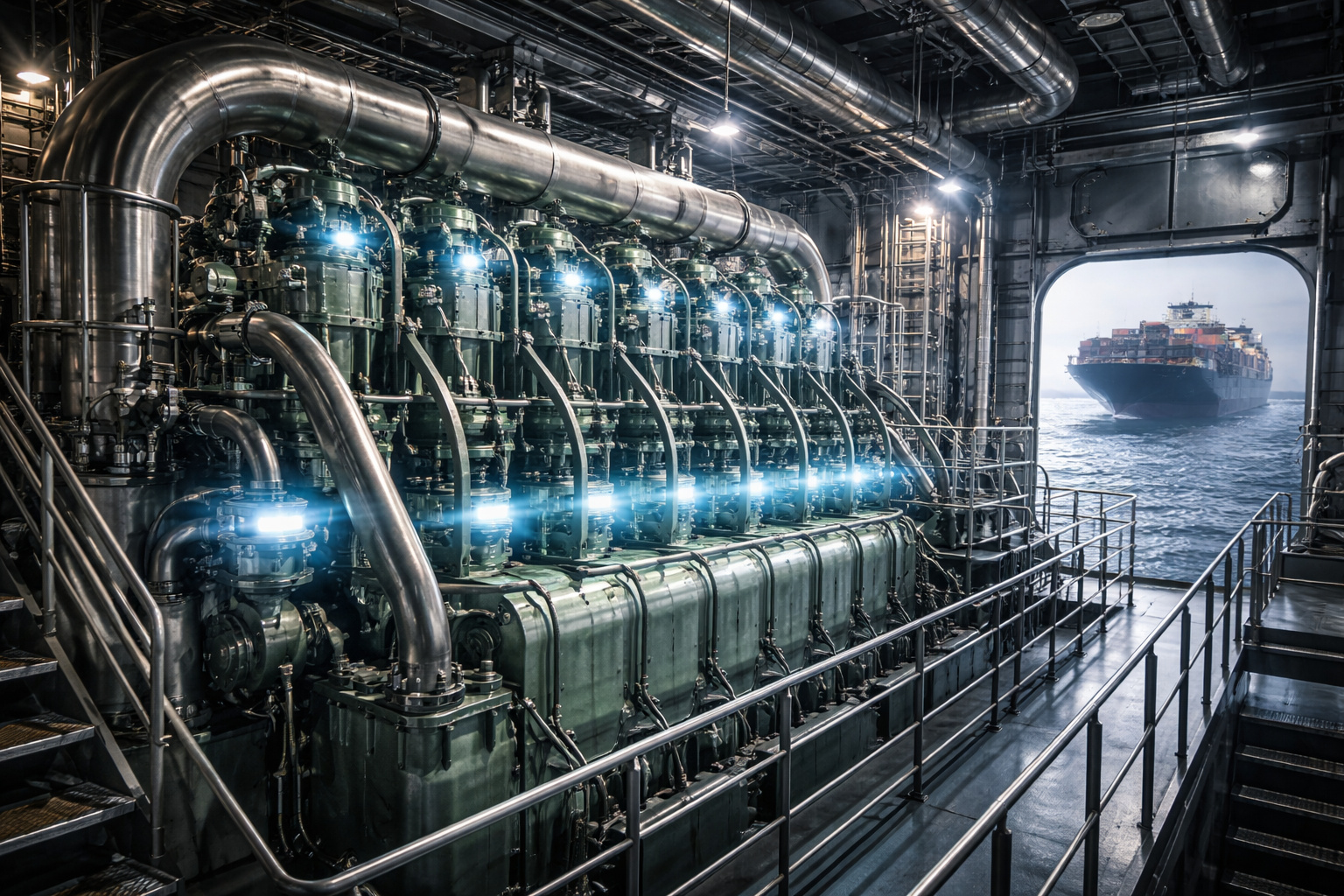
Europe is trying to create an ammonia-powered marine engine without auxiliary fuel, which could unlock the race for giant emission-free ships. The technology aims to eliminate one of the biggest obstacles to clean maritime propulsion.
Economies of Scale
Asian shipyards have greater production capacity and an established supply chain, which enables them to leverage economies of scale and reduce the construction costs of FPSO units.
Tax Incentives and Subsidies
Asian countries offer tax incentives and subsidies for the shipbuilding industry, which helps make the construction of FPSO units in the region more financially attractive.
Situation of the Brazilian Shipbuilding Industry
The shipbuilding industry in Brazil has faced difficulties in recent decades, with reduced investments and a lack of tax incentives, limiting the ability of national shipyards to compete with their Asian counterparts.
Given this situation, Brazilian companies, such as Petrobras, often choose to order FPSO units in Asia, where they can obtain better conditions in terms of price, deadlines, and quality. However, this ends up impacting the Brazilian shipbuilding industry, which loses the opportunity to generate jobs and develop technology locally.
The return of shipbuilding in Brazil, as previously discussed, could help reduce this dependence on Asia and strengthen the national industry, benefiting the economy and job creation. To achieve this, it is necessary to invest in infrastructure, professional training, and tax incentives to make Brazilian shipyards more competitive in the global market.








Seja o primeiro a reagir!