





 Portuguese
  English
  Spanish
  4 min of reading
  0 comments


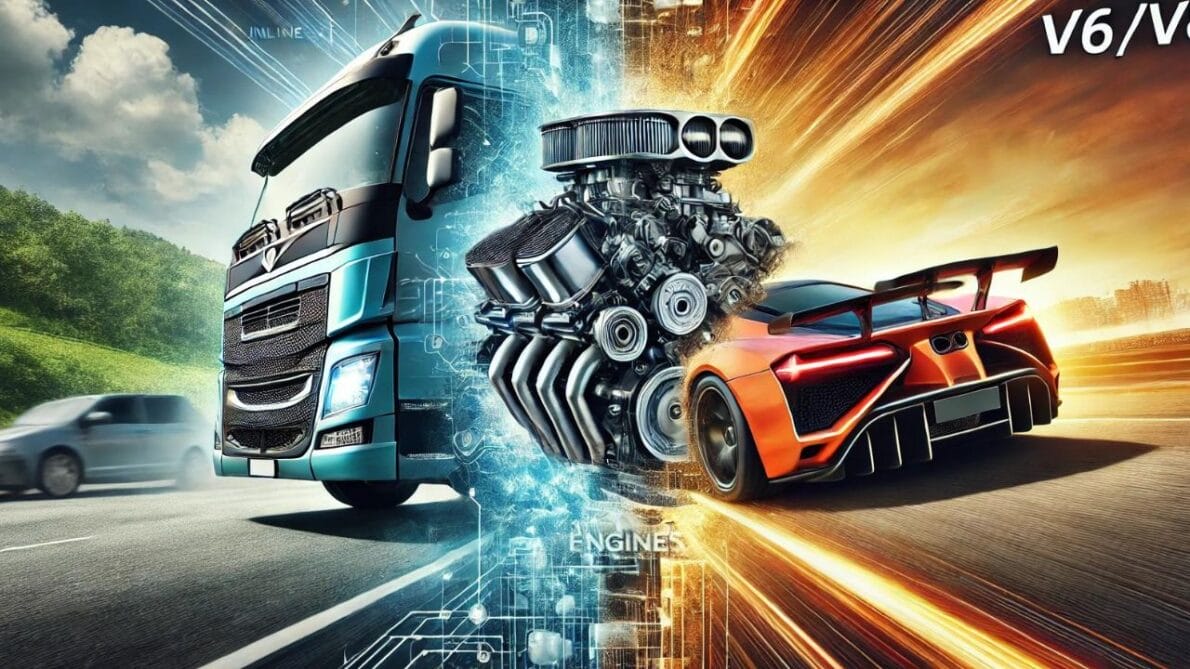
Understanding The Choice Behind Inline Six-Cylinder Engines
You ever wondered why most trucks use inline six-cylinder engines, while powerful cars like Ferrari and Lamborghini adopt V6, V8, or even V12 engines? From renowned European brands like Mercedes and Volvo to American giants like Peterbilt and Mack, the preference for inline six-cylinder engines is almost universal.
To understand this nearly unanimous choice for inline six-cylinder engines in trucks, it is necessary to explore the technical and practical reasons that lead manufacturers to opt for this configuration, even with the availability of more powerful engines.
Inline Six-Cylinder Engines Are Masters of Torque Production
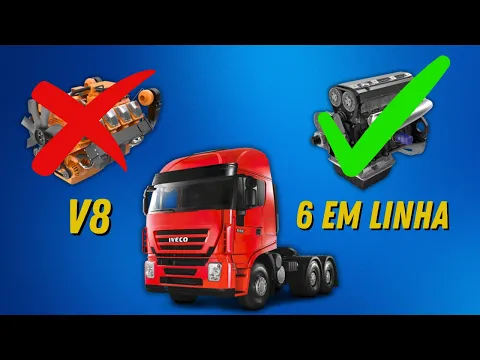

First, when we talk about engines, it is common to hear about power measured in horsepower. However, for trucks that transport heavy loads, torque is the true measure of performance. Torque, a rotational force generated by the engine, is crucial for efficiently moving enormous loads. Inline six-cylinder engines are masters of torque production. While they may not have the outright power of a V8 or V12, their ability to generate torque at low RPMs makes them ideal for transporting heavy loads. This means that a truck can operate effectively without the need for a massive engine.
-
A 250cc motorcycle that can reach 560 km with a 14-liter tank, features disc brakes on both wheels and is among the most well-known in Brazil.
-
Man finds over 200 rare cars abandoned on a lot and tries to do the impossible in 8 hours with a surprise at the end.

-
An irregular parking case gains attention after a Mercedes Classe A was removed in such a strange way that it even raised doubts about damage to the car.

-
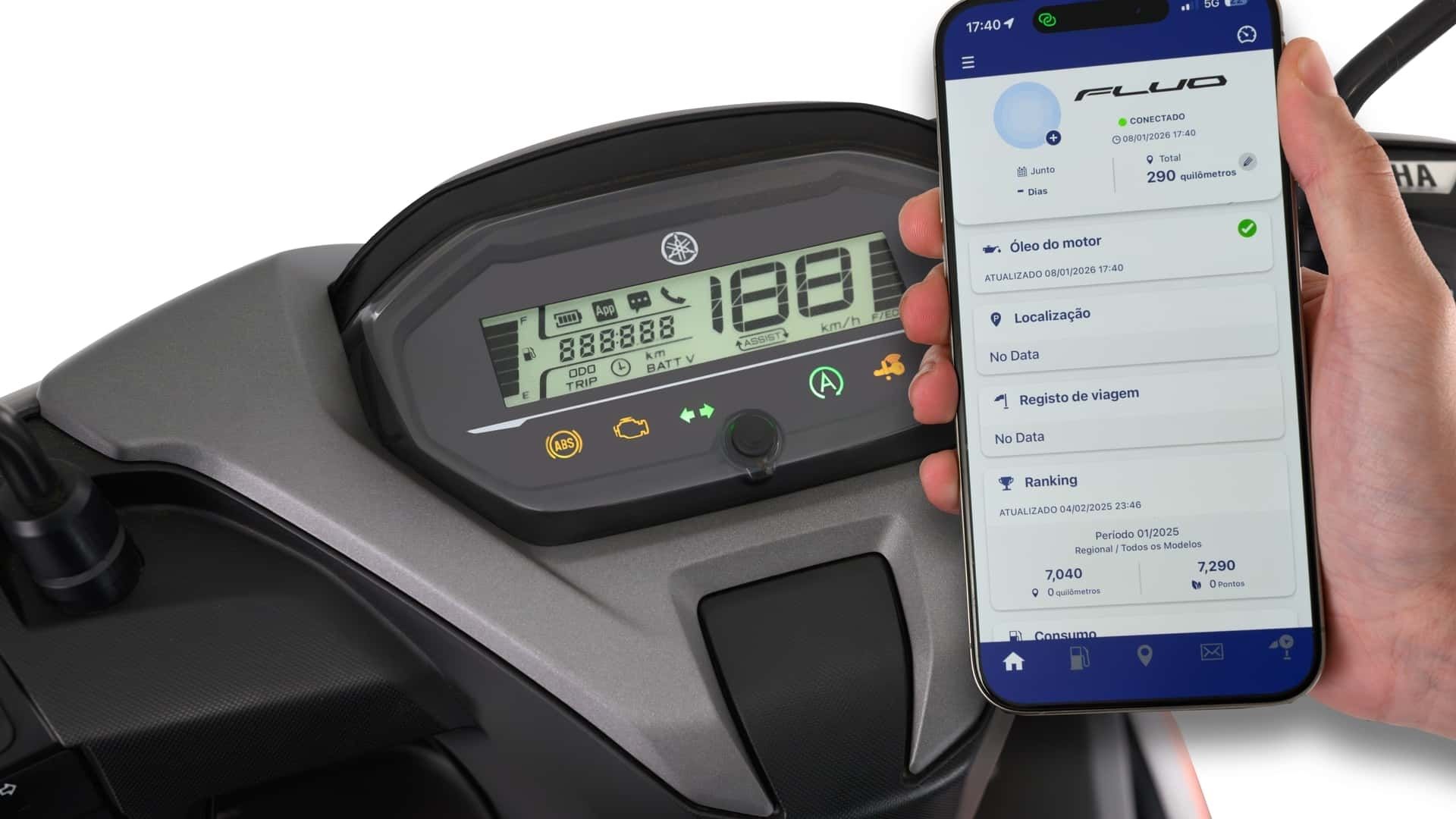
Costing R$ 16,000, the new Yamaha features a 125 cc hybrid engine with electric assistance, delivers 8.3 hp, includes ABS, optimized fuel consumption, Y-Connect connectivity, 25 liters of storage space, and a surprising 4-year warranty in the urban segment.

Designed To Maximize Fuel Efficiency
Energy efficiency is a growing concern worldwide, and the trucking industry is no exception. Inline six-cylinder engines are designed to maximize fuel efficiency and minimize carbon emissions. This is crucial to meet increasingly stringent environmental regulations imposed by various governments. The ability of these engines to provide the necessary torque without increasing fuel consumption or carbon emissions is one of the reasons why they are so popular in a market where efficiency and sustainability are essential.
Engine Weight
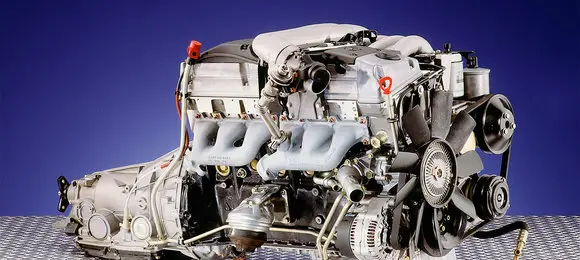
The weight of the engine is a crucial factor in the trucking industry, as it directly influences the amount of cargo that can be transported. In many countries, there are strict regulations regarding the total weight of vehicles, including the cargo and the truck itself. Inline six-cylinder engines are generally lighter than V8, V10, or V12 engines, allowing for greater cargo capacity. The choice of lighter engines translates into a significant competitive advantage, as it allows trucks to carry more goods within established weight limits.
Ease Of Maintenance
One of the greatest advantages of inline six-cylinder engines is the simplicity in maintenance. With fewer cylinders, there are fewer components that require regular attention, such as lubrication and adjustments. This results in lower maintenance costs and less downtime for the trucks, a critical factor for transportation businesses. Additionally, these engines typically operate at lower RPMs, which reduces wear and extends the engine’s lifespan.
Fewer Complex Components, These Engines Are Easier To Build And Repair
The simplicity of inline six-cylinder engines is not limited to maintenance, but extends to overall design as well. With fewer complex components, these engines are easier to build and repair. For example, they have only one exhaust manifold, while V8 engines have two, which reduces complexity and associated costs. The linear configuration allows for larger bearings and better lubrication, further enhancing reliability and lifespan.
Production And Maintenance Costs
V8, V10, and V12 engines, due to their complexity and greater number of components, are more expensive to produce and maintain. This is reflected in both the purchase price and ongoing maintenance costs. In contrast, inline six-cylinder engines are more economical in terms of production, with fewer parts and a simpler construction. These factors make inline six-cylinder engines an attractive choice for transportation companies that need to closely manage operational costs.
Inline Six-Cylinder Diesel Engines Dominate The Market
The future of truck engines is an open question, with various possibilities in development. Currently, inline six-cylinder diesel engines dominate the market due to their efficiency and durability. However, with the increasing pressure to reduce carbon emissions, alternatives such as gas engines, electric, and even hydrogen are being explored. It will be interesting to see how these new technologies are integrated and whether they can replace the reliable diesel engine.
Therefore, the choice for inline six-cylinder engines in trucks is not just a matter of tradition, but of efficiency, durability, and cost-effectiveness. While V6, V8, and V12 engines continue to reign in sports cars for their raw power and performance, trucks find in inline six-cylinder engines the perfect combination of strength, economy, and sustainability.







Seja o primeiro a reagir!