





 Portuguese
  English
  Spanish
  3 min of reading
  0 comments


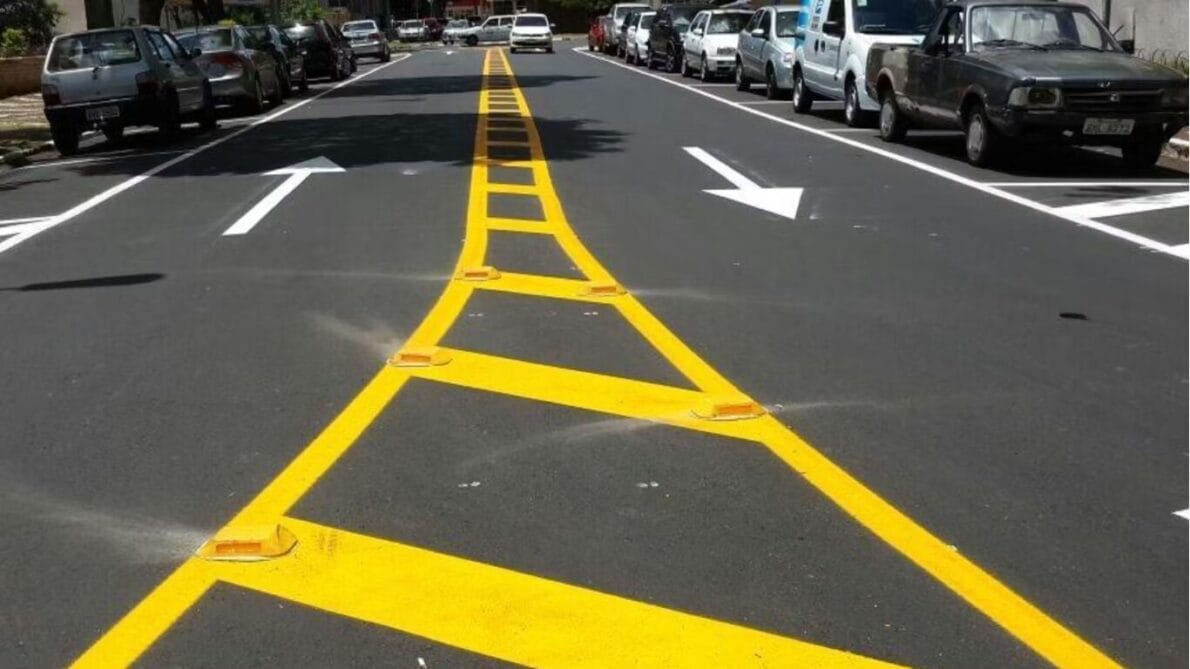
Discover The Historical Reasons And Curiosities Behind Driving On The Right And The Impact Of This Choice On Global Traffic: Tradition Or Pure Stubbornness?
Have you ever wondered why we drive on opposite sides depending on the country? This curious fact has deep roots in history. The famous British hand — the right-hand driving — is adopted in 76 countries, mainly former British colonies like Australia, India, and New Zealand. However, there are also notable exceptions like Japan, which, despite never being a colony, maintains the system to this day. Curiosity: Portugal, Italy, and Argentina also adhered to the British hand for a time, switching to left-hand driving in the 20th century.
While many countries chose left-hand driving for traffic efficiency, others, like the United States, adopted the opposite side to distance themselves from the United Kingdom and strengthen their independence. Additionally, a practical curiosity of the time was the seating arrangement of coachmen in carriages, who sat on the left for better visibility, while the assistant controlled the horses on the right. Yes, driving back then also required “finesse“, according to tupifm.
Changes That Made History: The H Day in Sweden
Some countries have faced remarkable transitions. Sweden, for example, drove on the British hand until 1967, when the famous operation “Dagen H” (or H Day) completely transformed the direction of traffic in just one day. At 11:30 AM on September 3rd, all vehicles stopped to switch to driving on the left side of the road, and thus, chaos was avoided! Everything had to be adjusted, from headlights to signs, to ensure that drivers adapted without causing accidents.
-
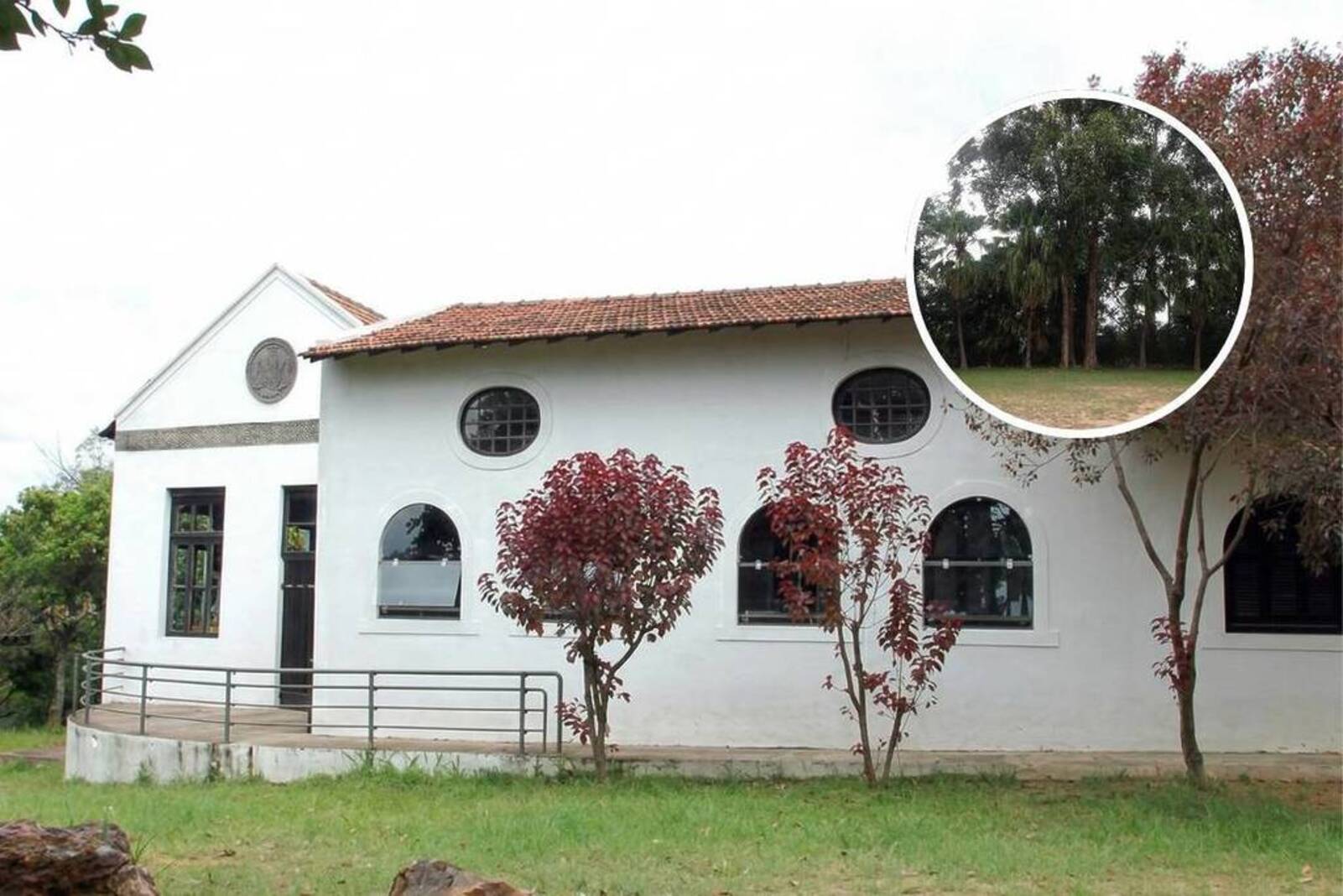
After 14 years of waiting, a rammed earth mansion built in 1702 in the North Zone of São Paulo will become a park with leisure facilities and green areas, with a million-dollar investment.
-
With 2 unfinished nuclear reactors, up to 25 billion in costs, and proven fraud, the Nukegate case has left 800,000 consumers still paying today for energy that will never be produced.

-
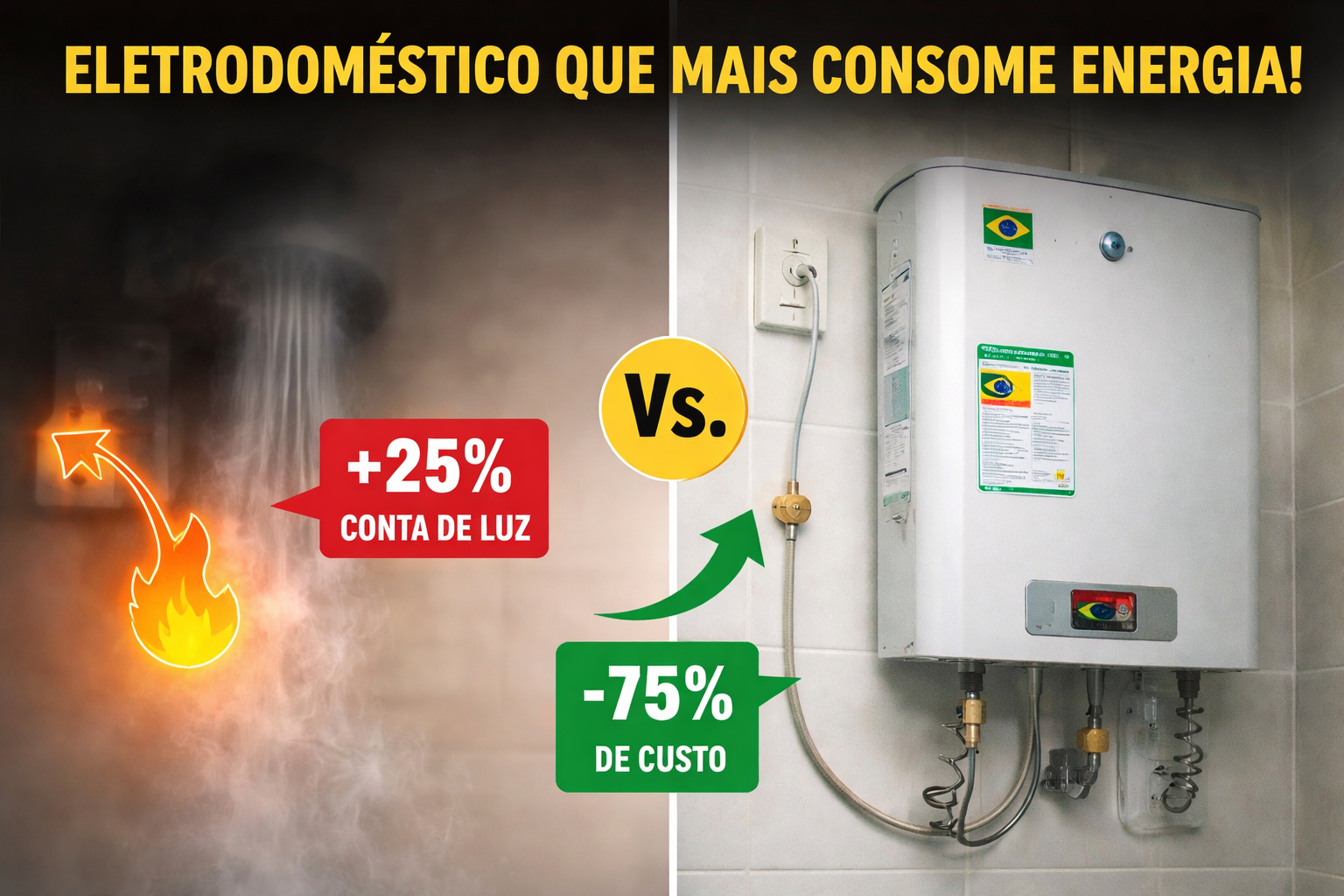
The household appliance that consumes the most energy in Brazilian homes is not the air conditioner; it is located in the smallest room of the house, is used daily, and can account for up to 25% of the electricity bill, while an alternative in the same outlet can reduce this cost by up to 75%.
-
Son of a seamstress from the rural area of Ceará who did not speak English wins a scholarship of over 2 million reais at Williams College, one of the top 10 universities in the United States, covering everything including dormitory, meals, and annual trips to Brazil.


Vehicle Adaptation: Who Said It’s Easy?
If you think it’s just a matter of moving the steering wheel to the other side, you are mistaken! The transition to right-hand vehicles involves much more than a simple mirroring. Things like handbrake, gear shift, and even the ergonomics of internal controls need to be completely redesigned. Vehicle manufacturers face technical challenges and high costs to adapt production for different markets. Believe me, it’s not just a matter of “turning” the steering wheel.
Most controls remain similar, such as the turn signal and pedal layout, but the big change is the location of the gear shift, which is on the left side of the driver, requiring adaptation for those used to the opposite side. It seems simple, but when you try it, you realize it’s not quite like that!
And At The Borders? How Does The Direction Change Work?
What happens when one country drives on the right and the neighbor drives on the left? As you can imagine, the logistics are a nightmare! At borders like between China and Macau, a transition structure was developed to ensure that vehicles can safely and efficiently change sides. In more remote areas, with reduced traffic, the adaptation is simpler, but in densely populated urban areas, creative solutions are necessary to avoid confusion.
In the end, the British hand remains a tradition for some, a challenge for others, but above all, a fascinating curiosity that continues to divide traffic around the world. Whether you are in India, Japan, or Australia, know that driving “on the opposite side” is a matter of history and culture.
Be mindful the next time you travel to a country with a different driving direction!






Seja o primeiro a reagir!