





 Portuguese
  English
  Spanish
  5 min of reading
  0 comments



In Times Of Visa Queues, Expensive Euros And The Fantasy Of The Perfect Country, Living In Brazil Means Accepting Chaos And Insecurity, But Gaining Soul, Empathy, Conversation In The Taxi, A Bond On Every Corner And A Human Network That Softens The Falls Of Daily Life When The World Seems Technically Better And Emotionally Empty
Since 2020, with the pandemic and the explosion of remote work, reports of Brazilians deciding to leave the country in search of safety, income in strong currency, and that image of clean streets, punctual subways, and predictable politics have multiplied. At the same time, testimonies have increased from those who realized, just a few years later, that living in Brazil was not just an address, but a type of emotional bond that is hard to rebuild elsewhere.
In 2023 and 2024, among videos of Brazilians in Hawaii, Switzerland, or other first-world countries, stories of return began to emerge: people who traded the overseas life for being close to family, friends, and that chaotic, yet vibrant, daily life of Brazil’s big cities and countryside. It is in this clash between expectation and reality that the discussion about living in Brazil gains depth and ceases to be just a comparison of salary and taxes.
The Imaginary Of The First-World Country And The Appeal Of Escape

The idea that leaving the country is automatically “leveling up” gained strength especially after 2015, amid economic crisis, political polarization, and a sense of stagnation.
-
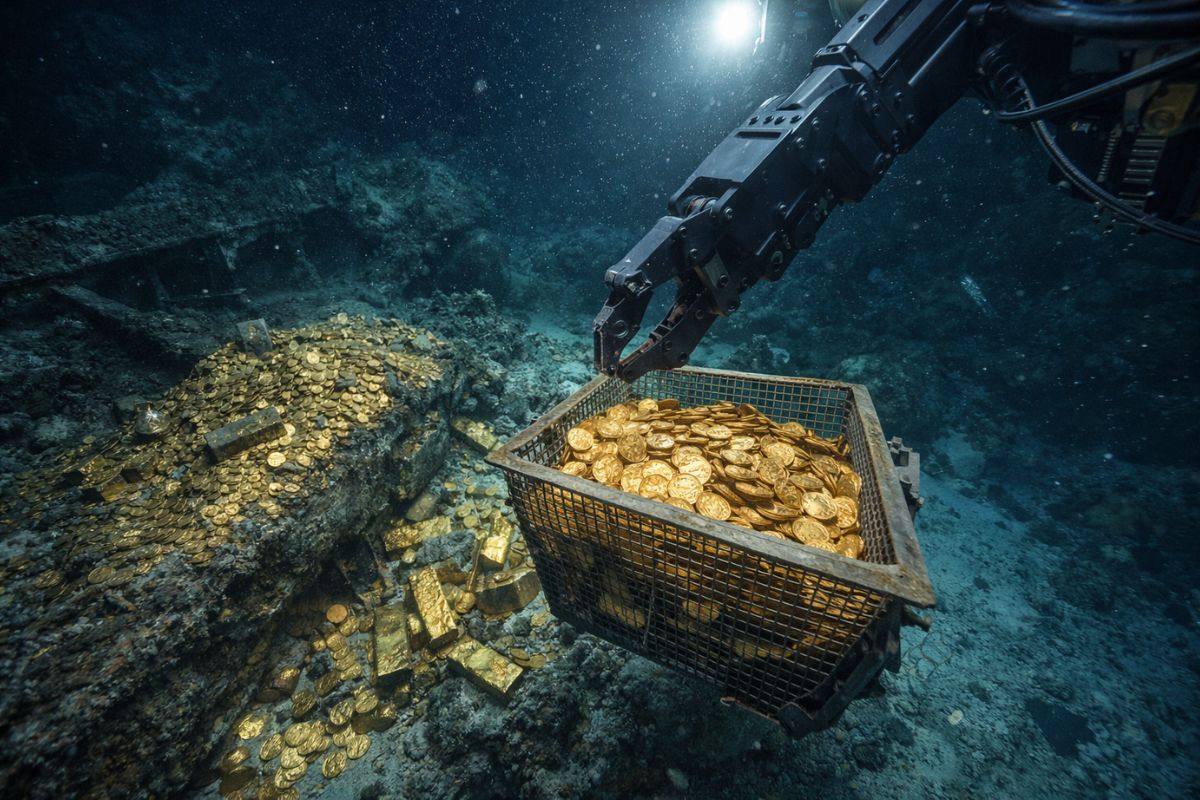
He found the largest gold shipwreck in the United States with tons of the precious metal at a depth of 2,400 meters in the Atlantic and recovered a treasure that no one thought possible to reach, but 500 gold coins disappeared without explanation.
-
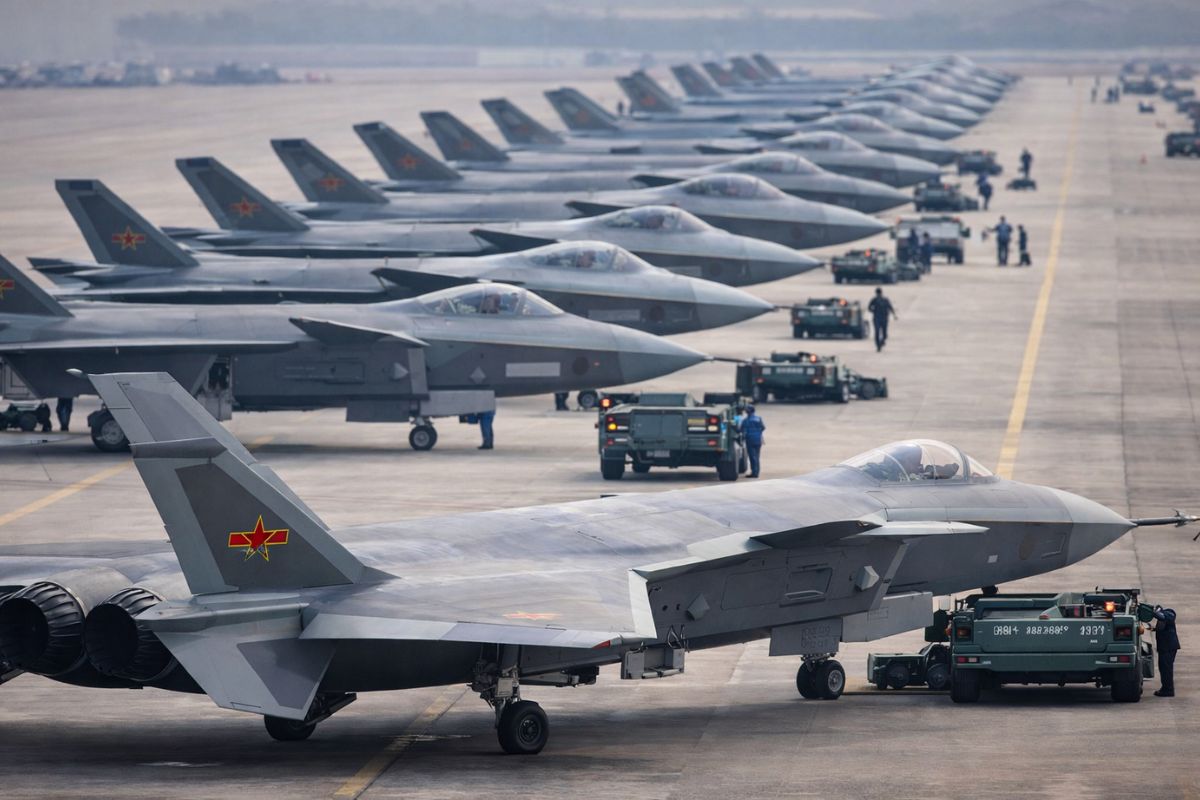
The United States has a serious problem with its F-35s: China is already producing fighters at a pace that exceeds American capacity and could manufacture up to 300 aircraft per year before the end of the decade, shifting the global military balance.
-
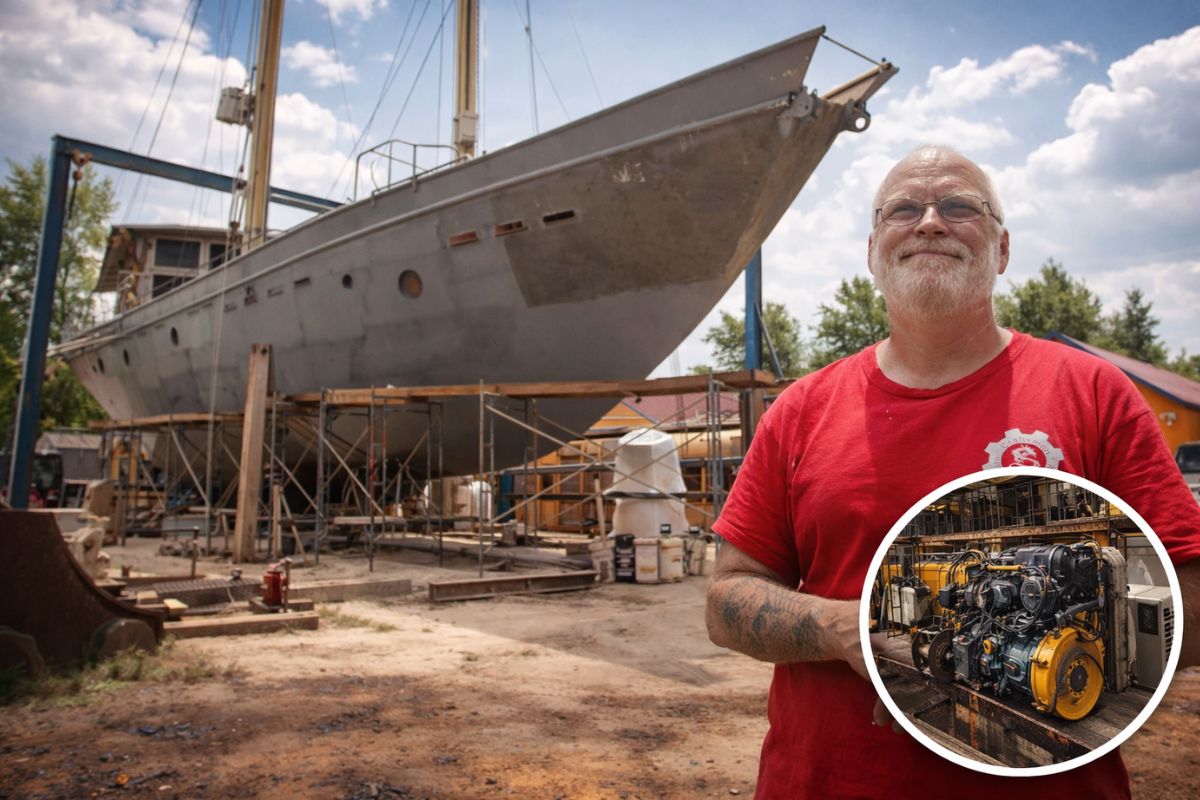
A retired IT professional built a 22-meter boat in his backyard in Oklahoma with a school bus engine, light pole masts, and handmade watertight doors to become the redneck version of Jacques Cousteau.
-
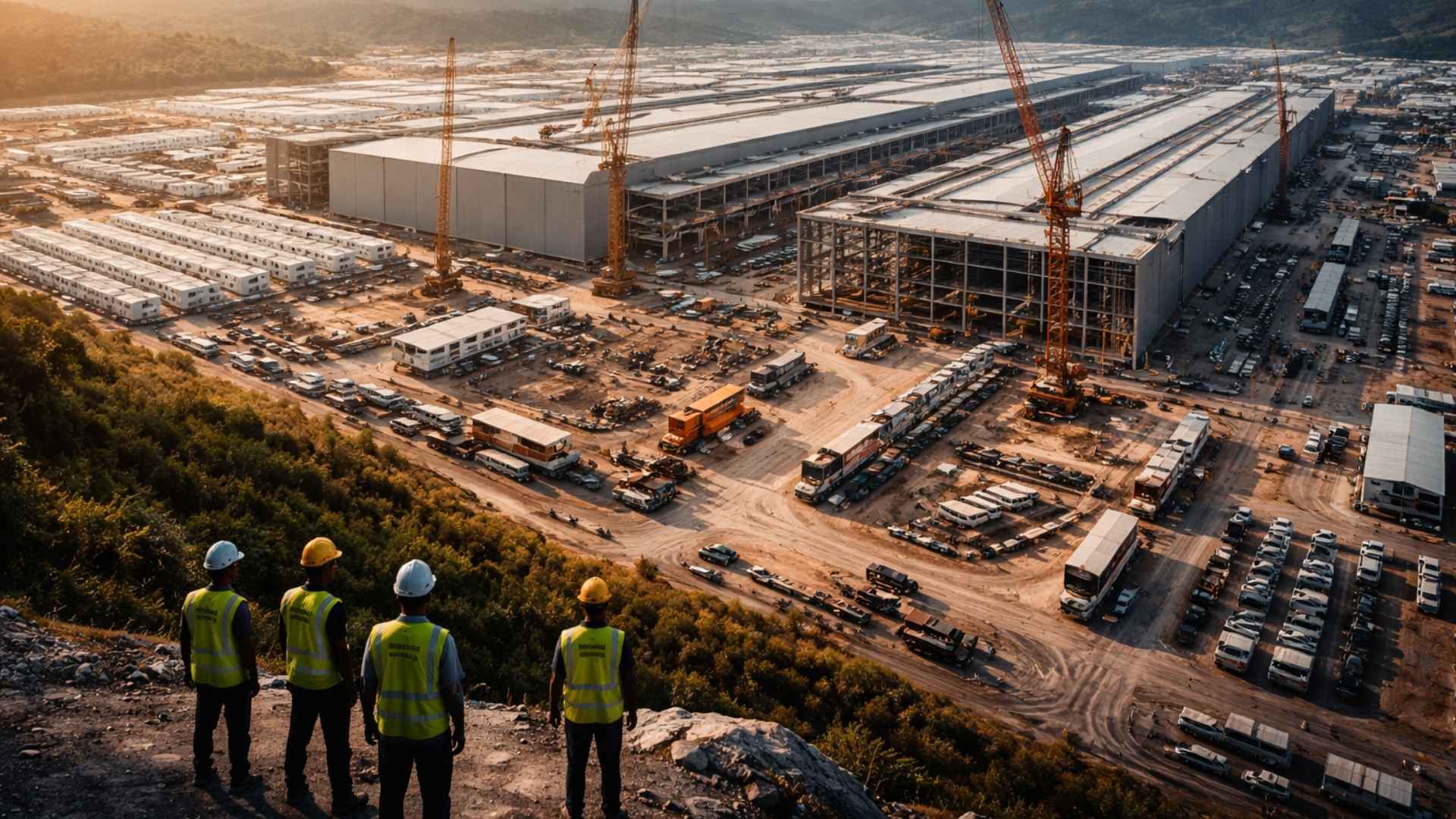
China is building a city in Brazil: a complex with an investment of R$ 5.5 billion comes to light, but allegations involving workers draw attention.

The narrative of fleeing to a first-world country relies on very concrete images: clean sidewalks, quiet public transport, organized stores, and impeccably structured schools.
In practice, for many Brazilians, the plan to stop living in Brazil responds to legitimate fears: urban violence, precarious public services, and economic uncertainty.
The foreign passport and postal code in a wealthy city appear as guarantees of future, especially when social media showcase an edited version of life abroad.
The problem is that this package rarely includes the emotional cost of starting over in a place where no one knows your name.
Clean Sidewalks, But Silence In The Hallway: The Other Side Of Order

The accounts of those living in high-income countries often share a common point: the same society that offers institutional predictability often delivers emotional distance.
The building is organized, but the neighbor hardly ever strikes up a conversation.
The transport works, but any contact outside the script is seen as intrusive.
In cities considered models, like Zurich or some residential neighborhoods in Hawaii, loneliness appears precisely where the advertisements sell perfection.
The snow falls, the street is immaculate, the sea is postcard worthy, but there is no one to hold the elevator, play with the child in the square, or ask, without ulterior motives, if “everything is okay.”
In this environment, living in Brazil is recalled not for its lack of infrastructure, but for the ease of forming bonds in a short time.
Conversation In The Taxi, Queue At The Gas Station, And Bond On Every Corner


When someone revisits the decision to live in Brazil, they almost never first talk about taxes or exchange rates. They talk about people.
The taxi driver who becomes a confidant in 20 minutes, the manicurist who has been following the family story for years, the neighbor who offers to watch the dog over the weekend. It’s an informal but concrete network.
In recent years, especially in 2022 and 2023, those who returned to live in Brazil describe a similar pattern: the city is still tough, the traffic is still heavy, the bureaucracy is still exhausting, but the feeling of being among people who understand your humor, your cultural references, and your pains lessens the weight of daily life.
The joke about politics, the way to tell a tragedy with irony, the habit of sharing food and stories at the same table make a real difference in mental health.
Spontaneous Empathy And Improvisation As Invisible Infrastructure
Wealthy countries invest in subways, sanitation, parks, and hospitals.
Brazil, with all its management flaws, has developed another layer that is less measurable: the ability to improvise solutions with what is available and to mobilize empathy in crisis situations.
When a flood hits a neighborhood, it is common to see neighbors opening their homes and organizing donations even before any official agency arrives.
This type of response does not replace public policy, but it shows why, for some people, living in Brazil means having a support network that appears without the need for forms, passwords, or online scheduling.
In first-world countries, part of these demands is absorbed by the state; conversely, the space for spontaneous engagement among strangers is smaller, which amplifies the feeling of isolation when something deviates from the script.
The Real Weights: Safety, Income, Mental Health, And Belonging
The choice to live in Brazil or abroad is not romantic or simple.
Urban insecurity, extreme inequality, and economic instability remain heavy factors against the country, especially for families with children and elderly members. Ignoring this would be to deny serious problems that push people out.
On the other hand, those who stay or decide to return report that the account has begun to include previously underestimated variables: access to family support networks, ease of asking for help, the possibility of maintaining long-term relationships, and a sense of belonging that reduces the risk of loneliness crises.
In many cases, the final answer is not that living in Brazil is “better” overall, but rather that the balance between physical risk and emotional health is calculated differently according to age, life stage, and the quality of relationships formed here.
When The “First World” Is Emotional And Not Economic
When comparing living in Brazil with living in a first-world country, an uncomfortable provocation emerges: what really defines the “first world” in practice, GDP or the quality of human relationships around?
For those who have experienced both, the answer tends to be less binary than it seems in social media posts.
There are people who thrive in highly organized systems and do not miss the conversation in the taxi; others find precisely there the breaking point.
If, between 2020 and 2024, the predominant movement was idealizing abroad as the only escape, the current cycle seems to bring more nuance.
The number of reports is growing from those who keep one foot on each side, work with external income, but choose to live in Brazil to raise children close to grandparents, care for parents, or simply live surrounded by people who understand them from the first phrase, without cultural subtitles.
In the end, the question is not whether Brazil is better or worse than Switzerland, Hawaii, or any other first-world country, but rather what combination of safety, income, affection and belonging you consider acceptable for your own story.
When you weigh everything, today, what weighs most in your intimate decision: continuing to try to live in Brazil with all the known risks or betting it all on life in a first-world country?






-

2 pessoas reagiram a isso.