





 Portuguese
  English
  Spanish
  3 min of reading
  6 comments





Initial Cost, Contracting Model, and Technical Challenges Help Explain Why Rigid Pavement is Still an Exception on Brazilian Federal Highways
The concrete pavement, also known as rigid pavement, is widely used on highways in the United States and Germany, especially on segments with heavy truck traffic. In Brazil, however, this solution still appears sporadically on federal highways.
The difference is not due to a lack of technology or technical standards. The country has manuals, designs, and industrial capacity but faces economic, operational, and cultural obstacles that keep asphalt as the dominant choice.
The Weight of Initial Cost and Bidding Model
One of the main factors lies in the higher initial cost of concrete pavement compared to asphalt. In public works, the choice of material usually prioritizes the lowest immediate construction cost.
-
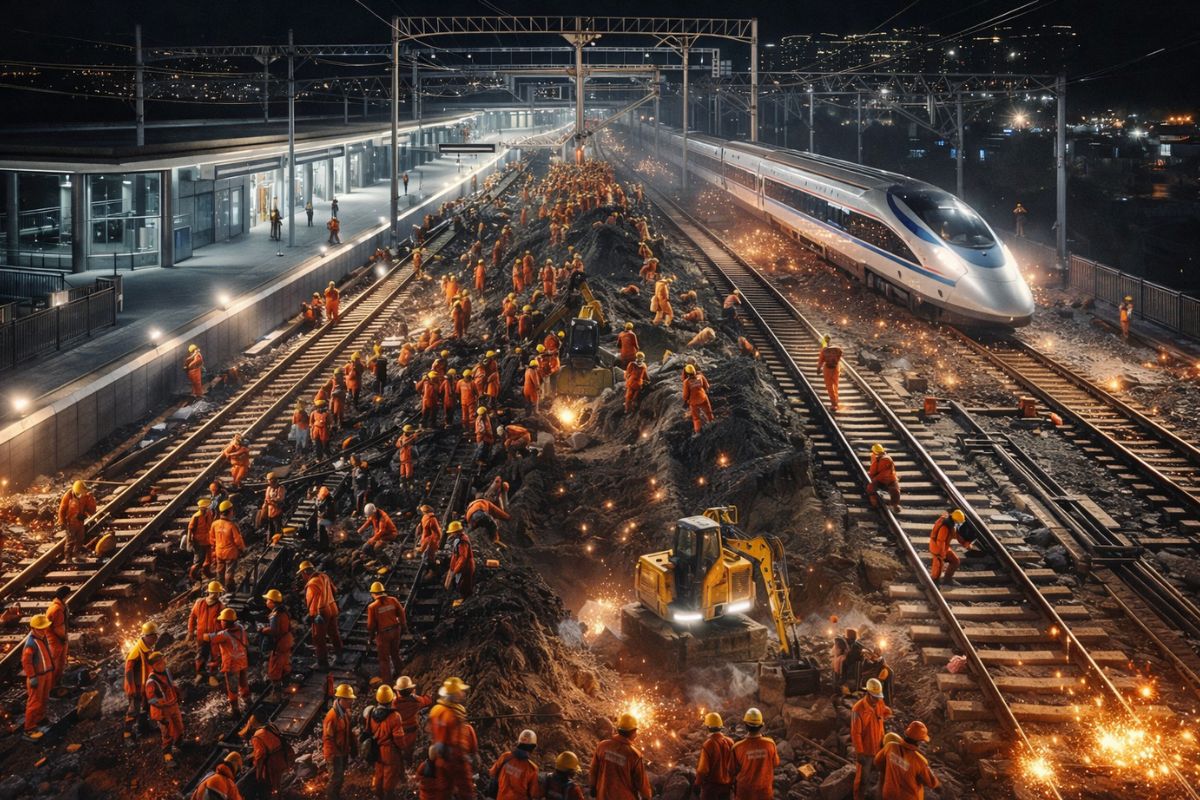
More than 1,500 Chinese workers transformed an entire railway station in just one night and reduced a 7-hour journey to 90 minutes with a high-speed line of 200 km/h.
-
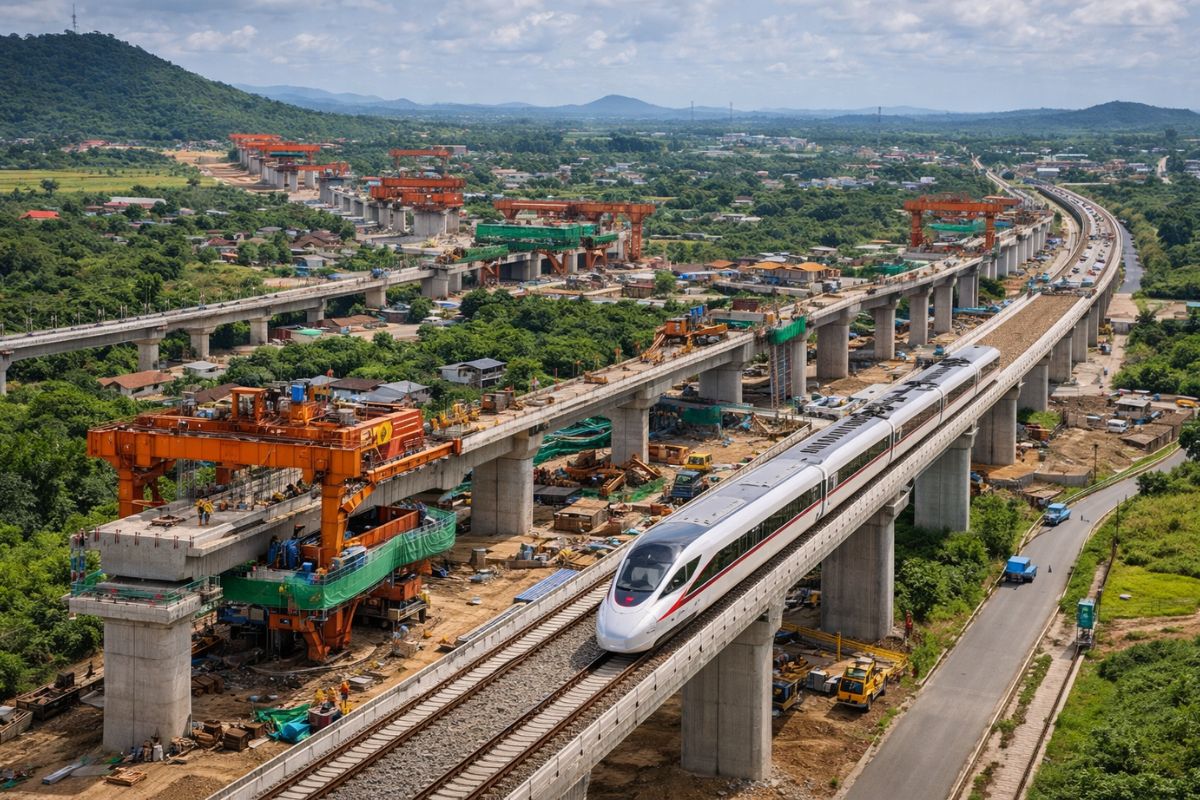
An Asian country has just divided its high-speed train megaproject into 17 independent works to accelerate the construction of the railway that will run through the entire country from north to south.
-
Couple builds earth house using hyperadobe technique and green roof without tarpaulin: the project uses gelmembrane, adobe partitions, and plaster with cactus slime, and the kitchen is already ready with a move planned in two months.

-
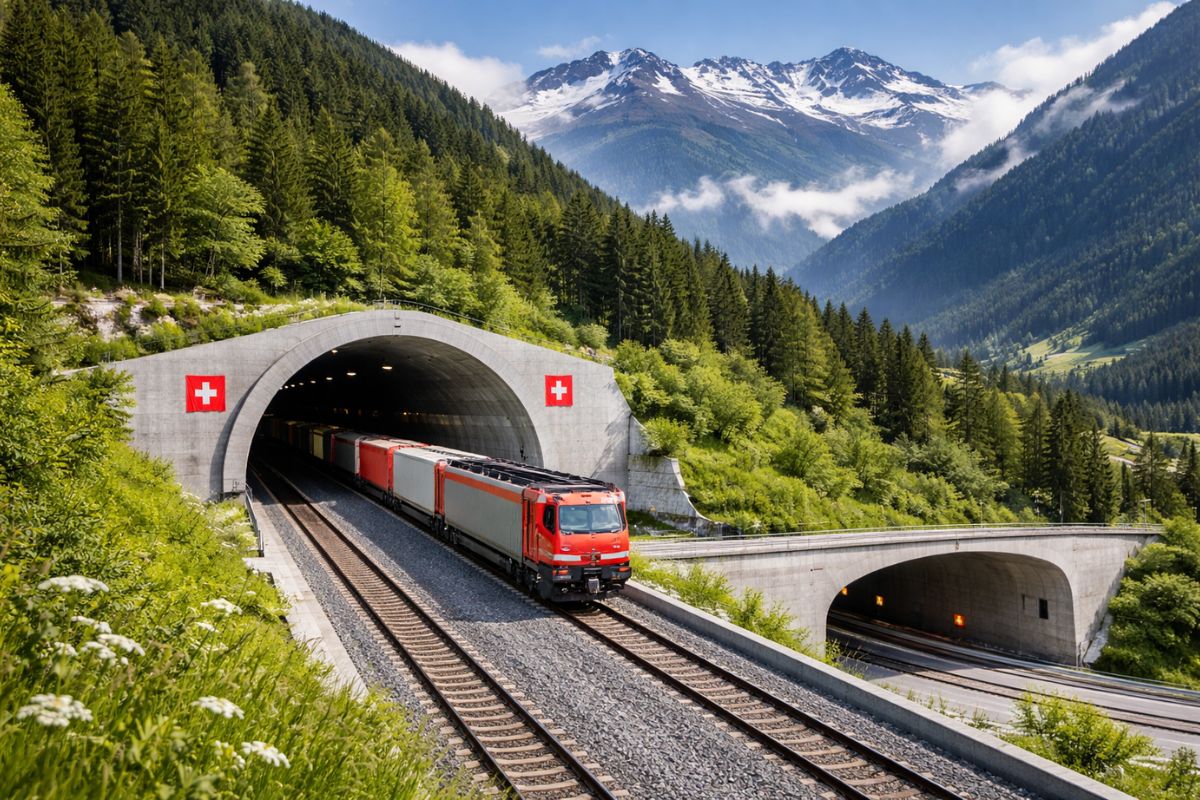
Switzerland has hidden more than 1,400 tunnels beneath the Alps to take trucks out of the mountains, and the result has already prevented hundreds of thousands of tons of CO2 without passengers noticing the difference.
This contracting model favors solutions with lower initial outlay, even when they require more frequent maintenance over the years. Concrete, despite being more durable, loses ground because the benefit appears in the long term.
Moreover, short-term contracts make it difficult to adopt systems that require life-cycle planning and more rigorous technical oversight.
Technical Differences Between Asphalt and Concrete

Asphalt functions as a flexible pavement, which deforms more under load and requires periodic interventions. Concrete works differently, with rigid slabs that better distribute the weight of vehicles, especially heavy trucks.
This system requires a detailed design of joints, precise thickness control, and the use of elements such as transfer bars to absorb stresses. Execution must be highly controlled, which increases the complexity of the work.
A poorly executed project can lead to rolling discomfort and the need for corrections, historically generating resistance to widespread adoption.

Why the United States and Germany Adopt Concrete More Frequently
In the United States, pavement analysis usually considers the cost over the lifespan, not just the initial project value. This opens up opportunities for solutions that reduce stops, repairs, and future closures.
In Germany, the intense use of trucks on federal highways has led to the adoption of more resilient pavements in strategic corridors. Concrete appears as an alternative to reduce deformations and prolong the lifespan of the pavement on high-stress segments.
In these countries, accumulated experience and technical standardization have reduced execution risks, making rigid pavement a common choice.
What Is Starting to Change in Brazil
In Brazil, the use of concrete has been growing in specific segments, mainly where asphalt wear is faster. Techniques like whitetopping, which applies concrete over existing asphalt pavement, have begun to be adopted in restoration projects.
There is also progress in new contracts that already consider greater durability and less maintenance needs, especially on highways with continuous heavy traffic.
This movement indicates a gradual change in how investments in road infrastructure are evaluated.










Idealmente, deve-se ter uma camada de asfalto acima do concreto, em contato direto com os pneus; sendo muito menos maleável, o coeficiente de atrito do concreto é menor que o do asfalto, trazendo menos segurança.
Paraná já estão colocando concretos nas rodovias, sempre a frente dos outros estados!
A décadas atrás na Br 101 trecho do Pernambuco antes da capital já existia um trecho pavimentado em concreto, naquela época era ruim