





 Português
  Inglês
  Espanhol
  3 min de leitura
  0 comentários



If You Have Ever Driven an Unpaved Road in Brazil, You Know What It Is Like to Participate in a Radical Adventure, Full of Excitement and Surprises (Read: Potholes, Dust, and Mud).
If you have ever driven on an unpaved road in Brazil, you know that the scenery looks like a bad joke. Amid potholes, dust, and mud, the country boasts a vast road network, but with one annoying detail: only 12% of the roads are paved! But how is it possible that a country with continental dimensions has such a precarious infrastructure?
Why Are So Many Roads in Brazil Unpaved?
The BR-230, which crosses the Northeast and North of Brazil, is just one of the many roads suffering from a lack of pavement. This unpaved road is a classic example of what thousands of kilometers of Brazilian roads face. The problem, however, goes beyond just a lack of pavement. Although a stretch was paved during the Bolsonaro administration, the road spans over 4,000 kilometers.
The Ministry of Transport recently announced an investment of R$ 1.7 billion to recover and construct 860 km of roads in April 2023. Minas Gerais, for example, has already started recovery works in the Triângulo Mineiro and Alto Paranaíba regions. However, despite these efforts, the Brazilian road network remains a monumental challenge.
-
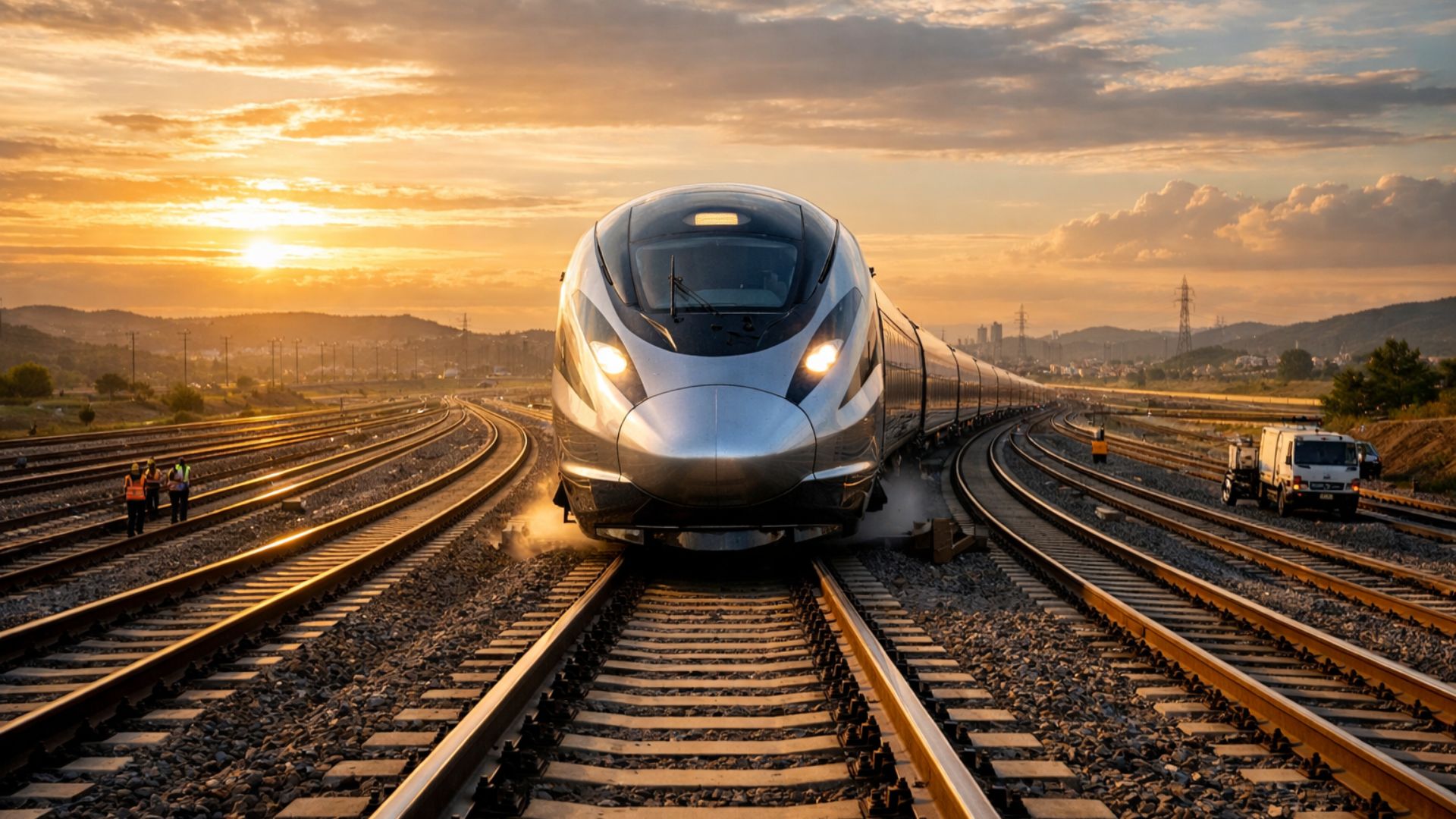
São Paulo surprises the world with a colossal railway network project that promises over 1,000 km of tracks, R$ 194 billion in investments, and 40 projects connecting the capital to the interior with fast and sustainable trains.
-
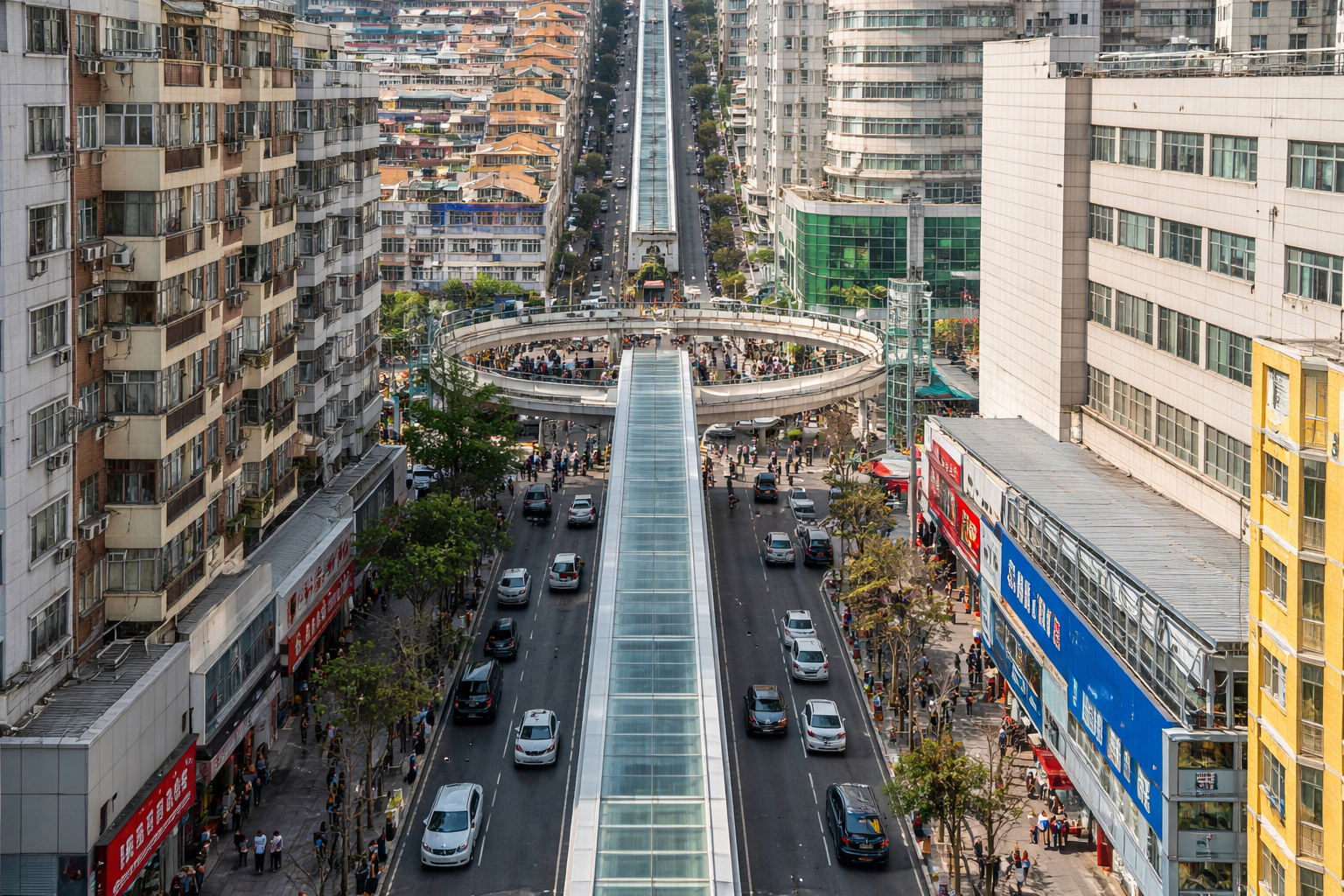
The world’s largest escalator, measuring 905 meters in China, reduces urban travel time from 1 hour to about 20 minutes and transforms mobility in mountainous regions with an engineering solution adapted to the terrain.
-
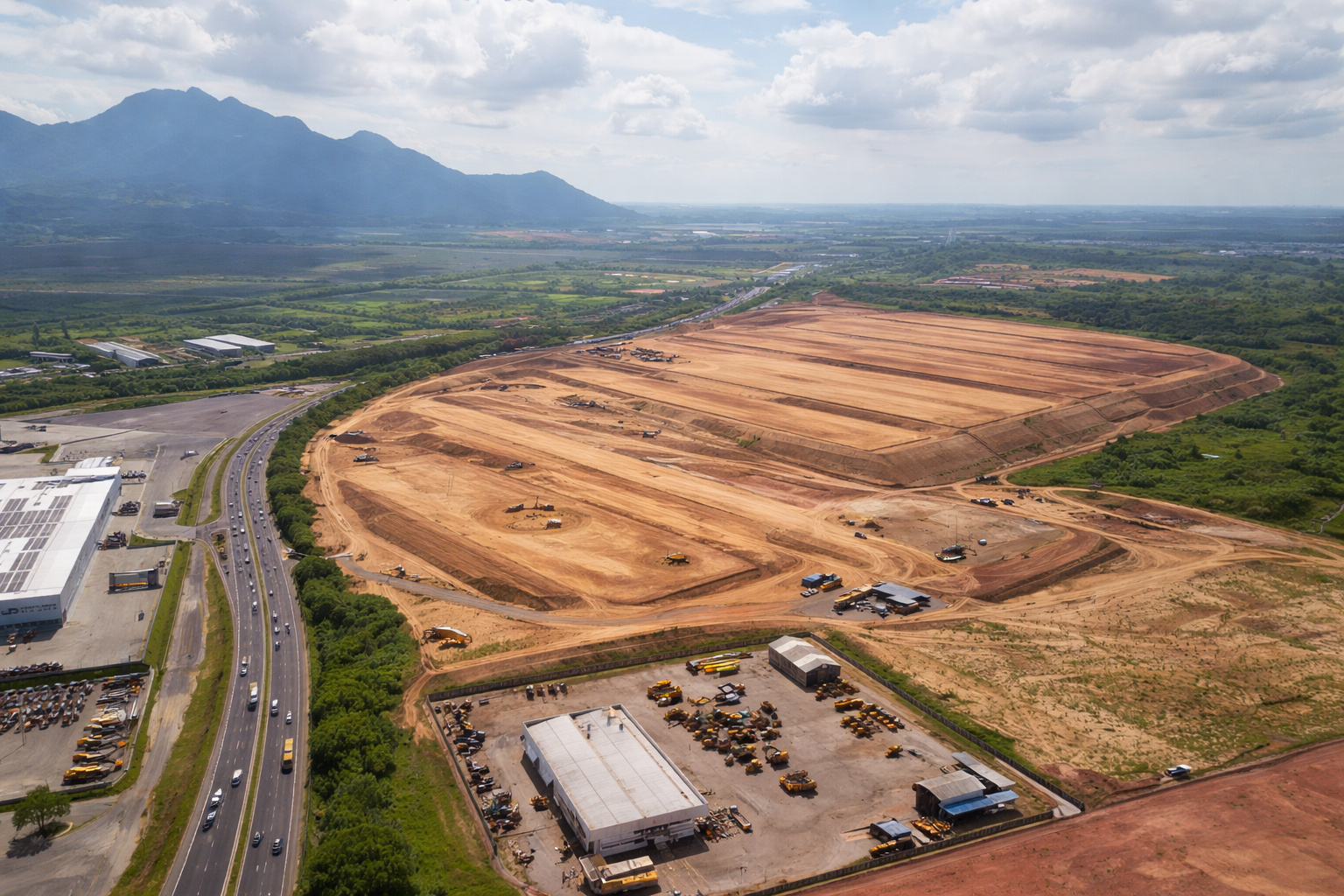
A R$ 300 million logistics giant is taking shape in Serra with over 100,000 m² and raises a question: how can this transform e-commerce and distribution in the state?
-
Could Uber Rides Lose Minimum Fare? Understand What’s Happening!


The Brazilian Road Network and Its Challenges
The Brazil has the fourth largest road network in the world, with over 1.7 million kilometers of roads. However, the vast majority of these roads remain unpaved, with only 12% of them asphalted. And of those that are paved, about 66% are considered to be of regular, poor, or very poor quality.
This reality means that many roads that should be effective transportation routes end up causing more disruptions than solutions. Freight transport, which represents 62% of national logistics, primarily depends on highways. The poor quality of the roads results in vehicle damage, increased maintenance costs, and significant delays in the transportation of goods and passengers.
The Story Behind the Chaos on the Roads
Since the Republic era, Brazil has prioritized transportation on highways over alternatives like railways and waterways. This choice, combined with public management marked by corruption and a lack of planning, has led to a situation where the road network is vast yet insufficient.
In recent years, investment in road infrastructure has dropped dramatically. In 2021, the government invested R$ 5.8 billion in roads, only 0.07% of GDP, the lowest amount since 2006. This number is even more alarming when compared to the R$ 20 billion invested in 2010 and 2011. In other words, investment in the sector has fallen by 73% in just over a decade.
The Comparison with Other Countries
When comparing Brazil to other nations, the situation becomes even more dramatic. In the United States, for example, over 75% of roads are paved. China has about 88% of its road network paved. Even India, which has a vast rural road network, manages to pave 67% of its roads. Meanwhile, Brazil suffers with its unpaved highways, increasing freight costs and raising product prices.
How Much Longer Will Brazil Have So Many Unpaved Roads?


Despite recent announcements of investments, it is difficult to predict whether the promises will materialize. Corruption, poor resource management, and lack of maintenance continue to be significant barriers. Additionally, the country’s continental size makes the task of paving and maintaining all roads a logistical and financial challenge of great proportions.
While countries like France, the United States, and China advance with solid and well-maintained infrastructure, Brazil still faces the holes of lack of planning and investment. With such an extensive road network and a tiny fraction of paving, the question that remains is: how much longer will Brazil have so many unpaved roads?









Seja o primeiro a reagir!