





 Portuguese
  English
  Spanish
  3 min of reading
  0 comments


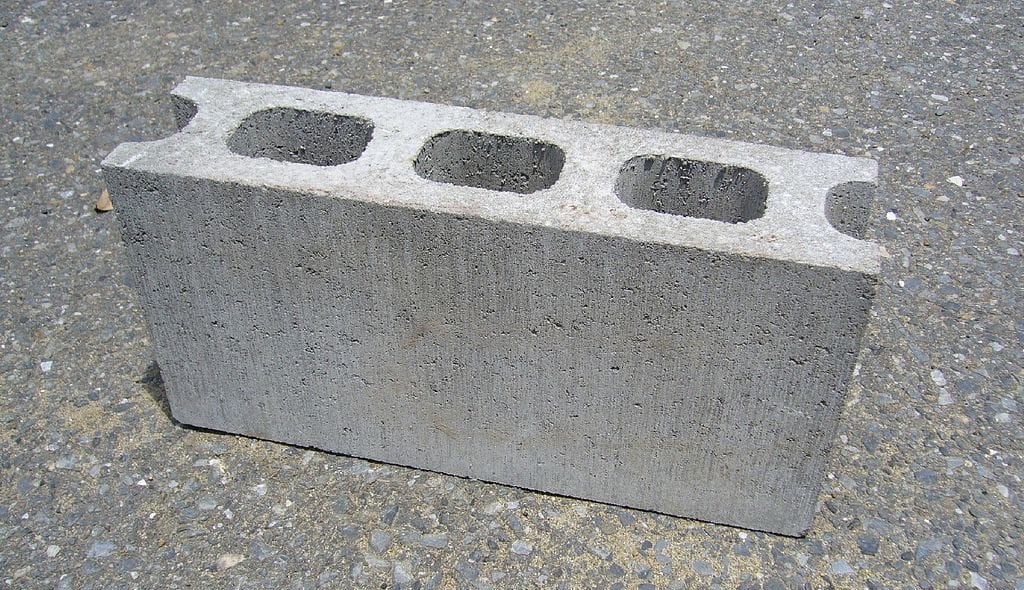
Concrete Is One of the Most Used Building Materials in the World, but Its Strength Varies According to the Type of Force Applied.
Concrete is one of the most widely used building materials in the world due to its high compressive strength. However, it has a significant limitation: its low tensile strength.
This contrast between compressive and tensile forces has structural and chemical explanations that determine the behavior of this material in different situations.
Compressive Strength
Compressive strength is its ability to withstand loads that compress it. This property is essential for supporting large structures such as buildings, bridges, and dams.
-
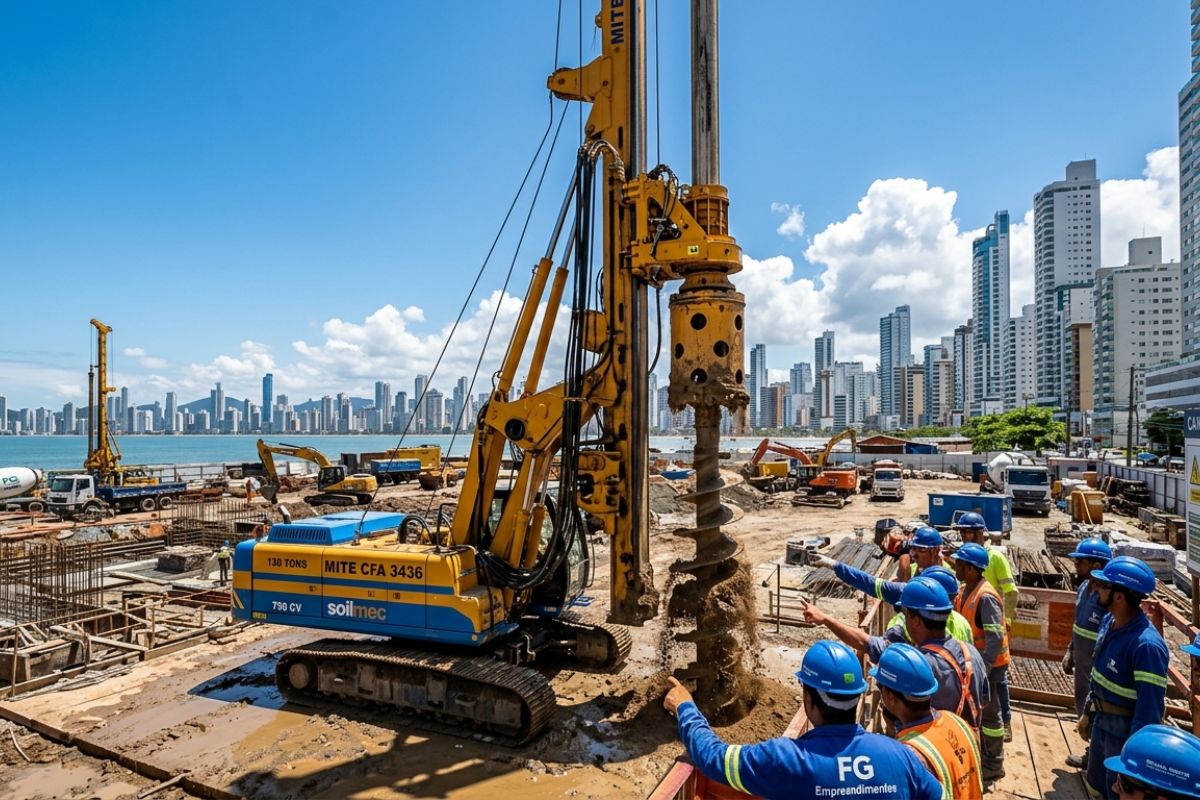
Italian giant of 130 tons arrives at the Senna Tower construction site and accelerates foundations: Mite CFA 3436 drills up to 50 m, 750 hp engine, investment of R$ 20 million, unique in Latin America.
-
The adobe house in Monteiro Lobato takes shape with bamboo and clay from the land, a stone foundation, and a roof for the wind; cracks are normal, and finishing with lime turns it into a “common house.”

-
Four friends with over 30 years of friendship built a “mini village” by the banks of a river in Texas to grow old together, with houses of just 32 m² and a shared common space. The Bestie Row project has become a model of alternative living that is starting to spread around the world.

-
The ancient Japanese capital, planned over 1,200 years ago, still withstands earthquakes with colossal wooden temples and palaces, built without concrete or modern steel, by masters who created engineering capable of enduring centuries.


Concrete is made up of cement, aggregates (sand and stone), and water. During curing, a chemical reaction occurs that forms a dense and cohesive material capable of withstanding crushing forces.
Research indicates that compressive strength can vary between 20 MPa and 50 MPa in conventional applications, potentially exceeding 100 MPa in high-performance concretes. This level of strength is essential to ensure the stability and safety of constructions.
Tensile Strength
In contrast, the tensile strength of concrete is significantly lower, representing about 10% of its compressive strength. This means that while it can support tons of weight in compression, it can fail quickly when subjected to tensile forces, such as bending or stretching.
The reason for this fragility is the presence of internal micro-cracks. As concrete is composed of aggregates and cement paste, its structure is never completely homogeneous.
These micro-cracks are present from the moment of curing, and when a tensile force is applied, these cracks propagate rapidly, leading to the material’s fracture.
The Impact of Tensile Strength of Concrete on Engineering
The low tensile strength of concrete directly influences structural design. To prevent it from breaking under tensile forces, engineers incorporate metal reinforcements, such as steel rebar, creating what is called reinforced concrete.
Steel has high tensile strength, and when inserted into concrete, it balances its weaknesses.
In applications where tensile strength is crucial, concrete reinforced with fiberglass, carbon, or polymers is also used. These solutions help minimize cracks and increase the durability of structures.
Alternatives to Improve Tensile Strength
Although traditional concrete is weak against tensile forces, new technologies are being developed to improve its properties. Some solutions include:
- Reinforced Concrete: Use of steel to reinforce the structure and prevent rupture by tension.
- Prestressed Concrete: Uses tensioned steel cables before pouring concrete, reducing the incidence of cracks.
- Fiber-Reinforced Concrete: Synthetic or natural fibers help control the propagation of cracks.
- Ultra-High Performance Concrete: With the addition of nanoparticles and special polymers, it can achieve much higher strengths.
These techniques increase versatility, making it more resistant and suitable for different types of constructions.
It is a fundamental material for civil engineering due to its high compressive strength.
However, its low tensile strength requires structural reinforcements to prevent failures. The use of reinforced concrete, prestressed concrete, and new technologies ensures that this material remains the foundation for safe and durable constructions.






-

-

-

-

10 pessoas reagiram a isso.