





 Portuguese
  English
  Spanish
  4 min of reading
  0 comments


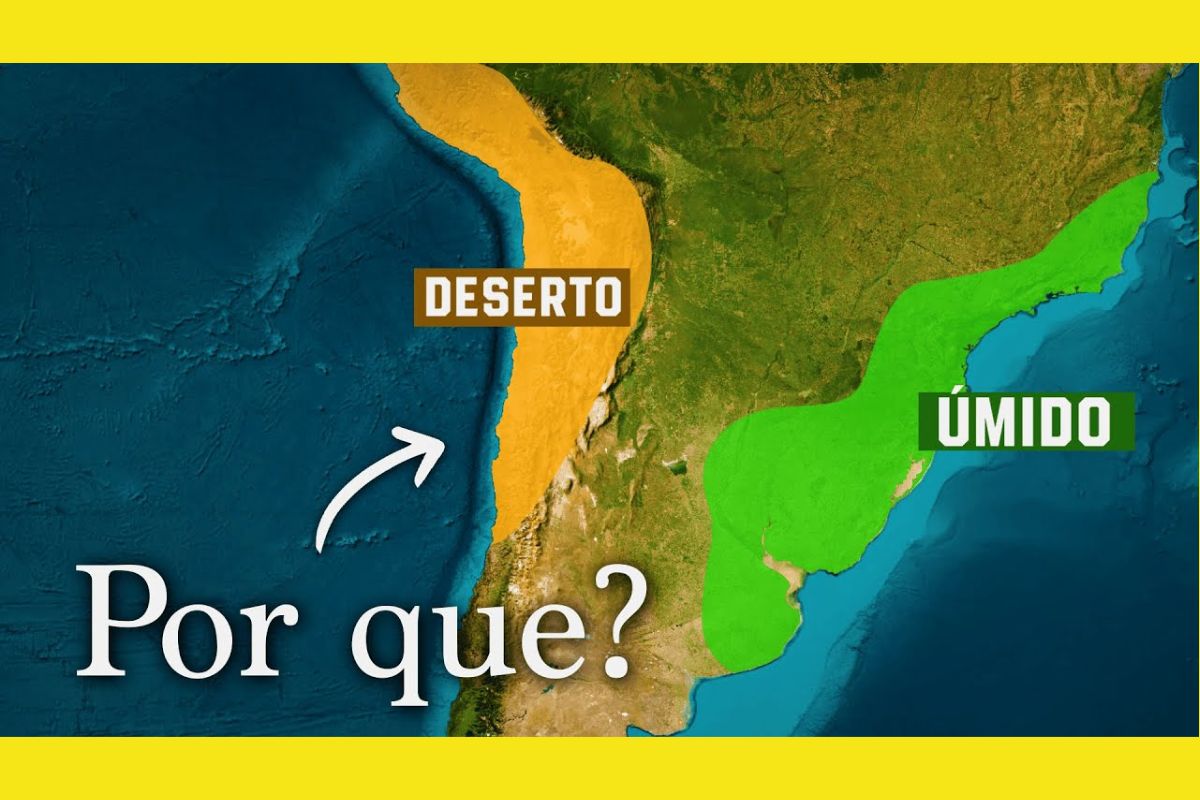
Understand Why Chile’s Climate Is Dominated by Extreme Drought While the Brazilian Side of South America Is One of the Wettest Regions on the Planet and How This Connects to Geography, Winds, and the Pacific Ocean. Why Is Chile Dry and Brazil Wet When They Are So Close?
South America has a cone shape, and the climatic extremes between its two sides stand out. From Chile to Peru, we find vast arid areas like the Atacama Desert — the driest in the world. But on the opposite side, between Argentina, Paraguay, Uruguay, and Brazil, are some of the wettest regions on the planet, with flowing rivers and abundant rainfall year-round.
This drastic difference has clear but little-discussed physical causes: it involves the rotation of the Earth, the trade winds, the cold currents of the Pacific Ocean, the imposing barrier of the Andes, and the warm moisture from the Atlantic. All of this forms a system that favors the deserts on the Chilean side and the constant rains on the Brazilian side.
The Planet Turns, and the Winds Follow the Flow
The Earth rotates from west to east, and this directly affects the behavior of the winds.
-
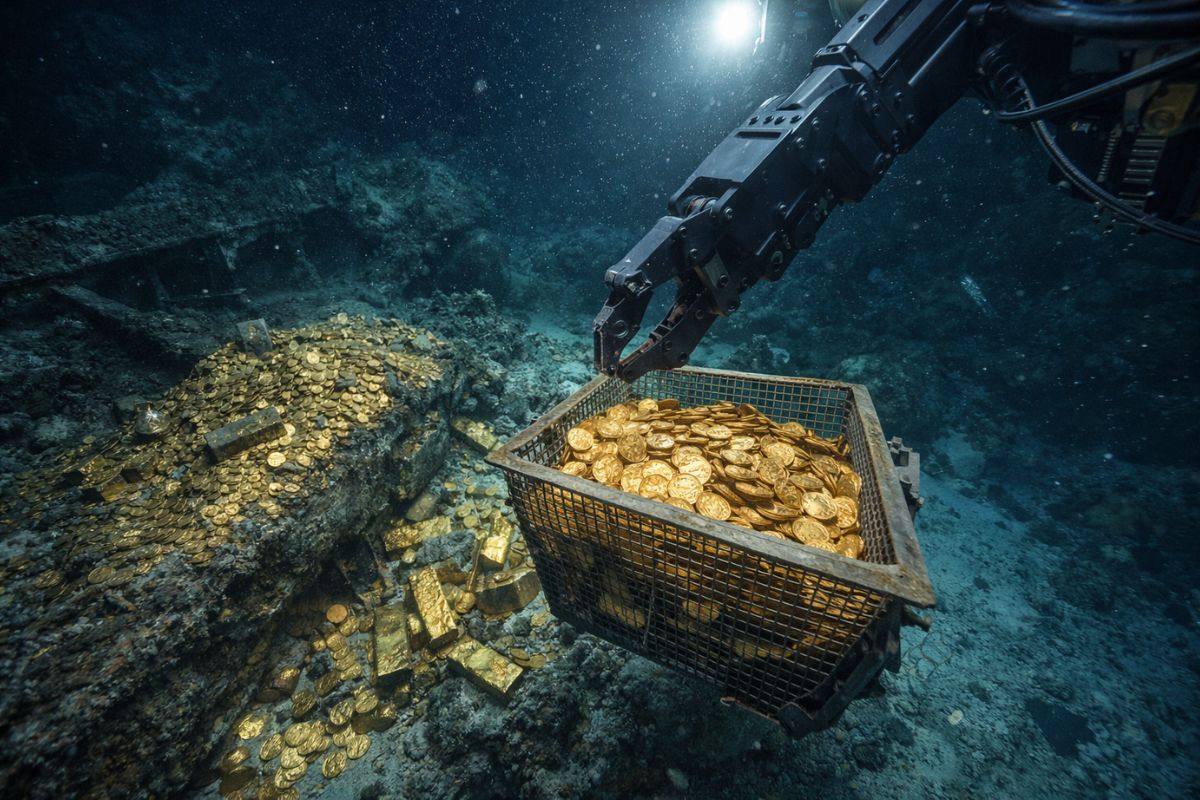
He found the largest gold shipwreck in the United States with tons of the precious metal at a depth of 2,400 meters in the Atlantic and recovered a treasure that no one thought possible to reach, but 500 gold coins disappeared without explanation.
-
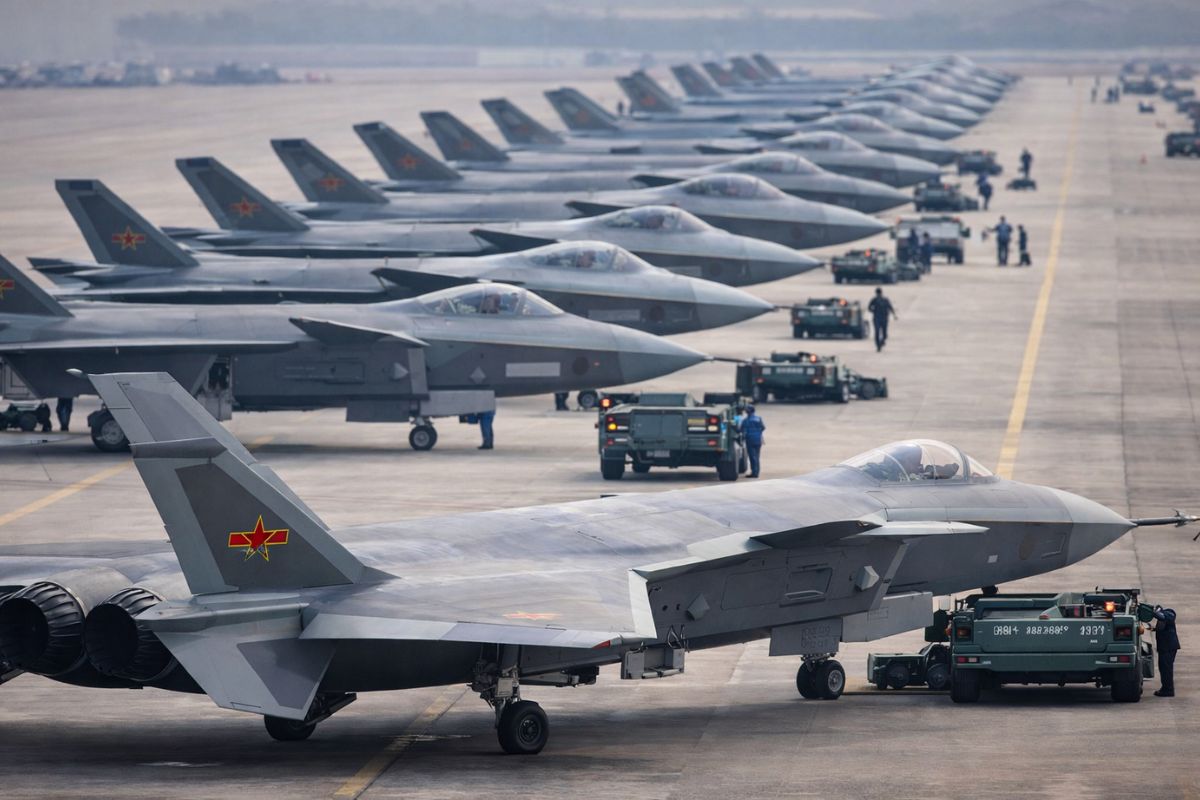
The United States has a serious problem with its F-35s: China is already producing fighters at a pace that exceeds American capacity and could manufacture up to 300 aircraft per year before the end of the decade, shifting the global military balance.
-
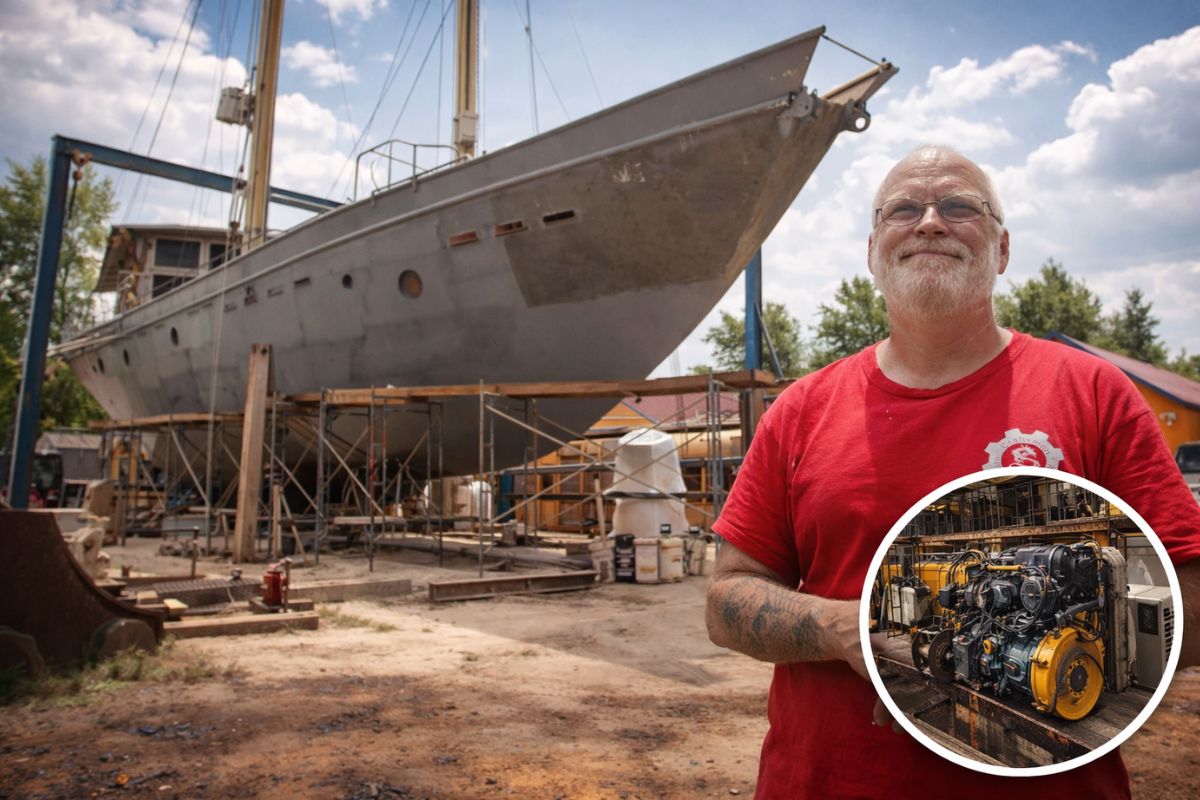
A retired IT professional built a 22-meter boat in his backyard in Oklahoma with a school bus engine, light pole masts, and handmade watertight doors to become the redneck version of Jacques Cousteau.
-
China is building a city in Brazil: a complex with an investment of R$ 5.5 billion comes to light, but allegations involving workers draw attention.

As the Equator spins faster than the poles, the air that should move in a straight line between the tropical and equatorial regions ends up being diverted by the so-called Coriolis effect.
This phenomenon gives rise to the trade winds, which constantly blow from east to west in tropical regions.
These winds drag the ocean surface and generate cold currents along the western coasts of continents, such as in the South Pacific, where Chile is located.
This process is known as upwelling, and it has a direct impact on air humidity and cloud formation.
The Cold Current That Turns Chile Into a Desert
Along the coast of Chile and Peru, the Humboldt Current (or Peru Current) rises from Antarctica heading north.
It cools the waters of the Pacific and, consequently, the air just above. This cold, heavy air does not rise, does not form clouds, and nearly does not produce rain.
The situation worsens with the phenomenon of temperature inversion: a cold, dense layer traps humidity along the coastline, preventing cloud formation and rainfall. The result? Permanent fogs, but virtually no precipitation.
The Atacama Desert is an extreme example of this: there are years when it rains less than 2 mm.
The Barrier of the Andes: A Natural Climatic Block
Even if there were humidity in the Pacific, the Andes mountain range prevents it from reaching the interior of the continent.
The mountain wall acts as a natural barrier that blocks the circulation of ocean winds from the west side.
The dry air remains confined, and the eastern side (Brazil, Paraguay, Argentina) receives the effects of moisture coming from the Atlantic.
This blockage creates a “rain shadow” on the Chilean side, while on the Brazilian side, moisture accumulates and precipitates.
The “Flying Rivers” That Feed Brazil
On the Brazilian side, the Tropical Atlantic provides enormous amounts of water vapor, which are carried inland by the trade winds.
This system forms the so-called “flying rivers”: flows of moist air that cross the Amazon and reach the south of Brazil.
When this moist air encounters elevations and flatlands in the transition between the Midwest and Southeast, it condenses, causing intense and regular rainfall throughout the year.
It is this combination that makes Brazil one of the wettest regions of South America, even outside the Amazon.
El Niño Reveals What Is Lacking in Chile
During El Niño years, the waters of the Pacific warm up and the climate pattern temporarily changes. Atmospheric pressure drops, warm air rises, and storms hit normally dry areas. But this is the exception, not the rule.
What keeps Chile’s climate dry is the absence of El Niño — that is, normality.
With the Humboldt Current active and the Andes blocking the winds, the Chilean coast remains cold, dry, and without sufficient evaporation to form clouds.
The Pattern Repeats in Other Continents
This contrast is not exclusive to South America. In Australia, Africa, and North America, the western side of continents tends to be dry, while the east is wetter.
The explanation lies in the same combo: the rotation of the Earth, trade winds, cold currents, and geographical barriers.
In Africa, we have the Namib Desert on the western side and wet regions on the east, like Mozambique. In the U.S., the west is arid, and the east is humid. The same applies to Asia.
And you, have you noticed this climate pattern in the continents? In which other places in the world is this contrast between dry and wet sides as evident as in Chile and Brazil? Comment below.








Seja o primeiro a reagir!