





 Portuguese
  English
  Spanish
  3 min of reading
  2 comments


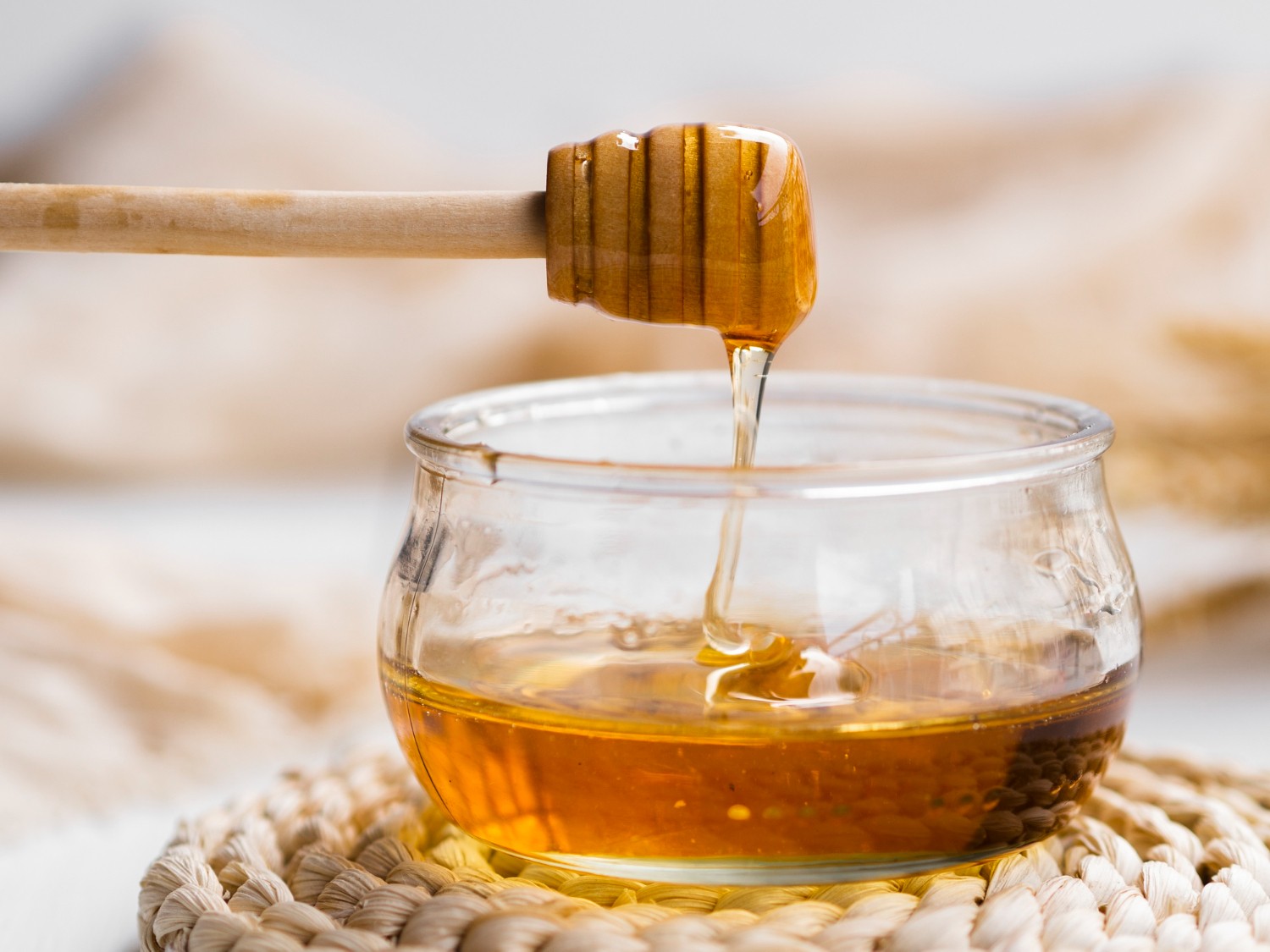


What Is The Secret Behind The Amazing Preservation Power Of This Sweet And Viscous Substance? Understand More About The Power Of Honey!
Found in ancient Egyptian tombs still edible, honey is one of the few foods that defy time, seeming to never spoil. But after all, why does it last so long?
The answer lies in a fascinating combination of chemical and biological characteristics, resulting from a meticulous process of how it is made by bees.
Unraveling these mysteries is not just curiosity but a way to further appreciate this superfood.
-
Motorola launched the Signature with a gold seal from DxOMark, tying with the iPhone 17 Pro in camera performance, Snapdragon 8 Gen 5 that surpassed 3 million in benchmarks, and a zoom that impresses even at night.

-
Satellites reveal beneath the Sahara a giant river buried for thousands of kilometers: study shows that the largest hot desert on the planet was once traversed by a river system comparable to the largest on Earth.

-
Scientists have captured something never seen in space: newly born stars are creating gigantic rings of light a thousand times larger than the distance between the Earth and the Sun, and this changes everything we knew about stellar birth.

-
Geologists find traces of a continent that disappeared 155 million years ago after separating from Australia and reveal that it did not sink, but broke into fragments scattered across Southeast Asia.

The Secret Of Honey: Why Does It Last So Long And Defy Time
The ability of honey to remain edible for centuries is legendary and, for many, a true mystery.
But science explains why it lasts so long, revealing that it is not magic, but rather a series of unique physical-chemical properties. The main secret lies in its composition and the conditions that inhibit the growth of microorganisms.
First, honey is composed of a very low amount of water, generally less than 18%. This characteristic makes it a hostile environment for bacteria and fungi, which need moisture to proliferate and cause food spoilage.
This low water activity is one of the pillars of its preservation power.
Additionally, honey is naturally acidic, with a pH that ranges between 3.2 and 4.5. Most bacteria and other pathogenic microorganisms have difficulty surviving in such acidic environments, which contributes to its longevity.
This acidity, combined with low moisture, creates a “dual barrier” against contamination.
How It Is Made: The Perfect Engineering Of Bees And Their Preservation Power
The process of how it is made is essential for understanding the preservation power of honey. It all starts with nectar from flowers, collected by worker bees.
The nectar is rich in sugars but also contains a higher water content. Bees transform this nectar into honey through an ingenious process:
- Regurgitation and Enzymes: Bees ingest the nectar and store it in a special pouch. There, enzymes present in the bee’s saliva, primarily glucose oxidase, begin to break down complex sugars (sucrose) into simpler sugars (glucose and fructose). This enzyme also produces small amounts of hydrogen peroxide, a natural antiseptic that acts as an additional preservative.
- Active Dehydration: After transport to the hive, bees deposit the partially processed nectar into honeycomb cells. They then flap their wings vigorously to evaporate the excess water, reducing humidity to very low levels (below 18%). This intense ventilation is crucial for concentrating the sugar and decreasing water activity.
- Storage and Sealing: Once the honey reaches the ideal consistency and water content, bees seal the honeycomb cells with wax. This sealing isolates the honey from the external environment, protecting it from additional moisture and contamination by airborne bacteria and fungi.
This cycle of collection, enzymatic processing, dehydration, and sealing is what gives honey its extraordinary preservation power.
Beyond Longevity: What Does Honey Offer?
The honey is not only remarkable because it lasts so long; it is also a food with surprising benefits.
Its preservation power is just a reflection of its richness. It possesses antimicrobial and anti-inflammatory properties, having been used for millennia in folk medicine to treat wounds and sore throats.
Although primarily composed of sugars, honey also contains vitamins, minerals, amino acids, and antioxidants, albeit in small quantities.
This complexity, a direct result of how it is made from the nectar of various flowers, makes it a more interesting natural sweetener than refined sugar, offering nuances of flavor and potential health benefits.
So, the next time you enjoy a bit of honey, remember that you are not just savoring something delicious, but also a masterpiece of natural engineering by bees, whose secrets ensure that this golden substance can be enjoyed for a long, long time.








Amo as abelhas são fascinantes Deus acertou na sua criação
Deus é fantástico na sua criação !