





 Portuguese
  English
  Spanish
  5 min of reading
  0 comments



Discover Why the Civil Engineering Market Remains the Foundation of Social and Economic Development, Even in an Increasingly Digital and Technological World.
Civil engineering is one of humanity’s oldest professions.
Since the first humans began to build shelters, bridges, and roads, civil engineering—though not yet named as such—began to shape the development of societies.
According to the Brazilian Society of Civil Engineering (SOBRAC), the first permanent constructions date back around 10,000 years, during the Neolithic Era, a period when humans began establishing the first settlements.
-
The government opens the vault and deposits R$ 2.6 billion for the construction of Brazil’s first underwater tunnel, with a length of 1.5 km, 870 m under the sea, a total project cost of R$ 6.8 billion, and a 30-year concession.

-
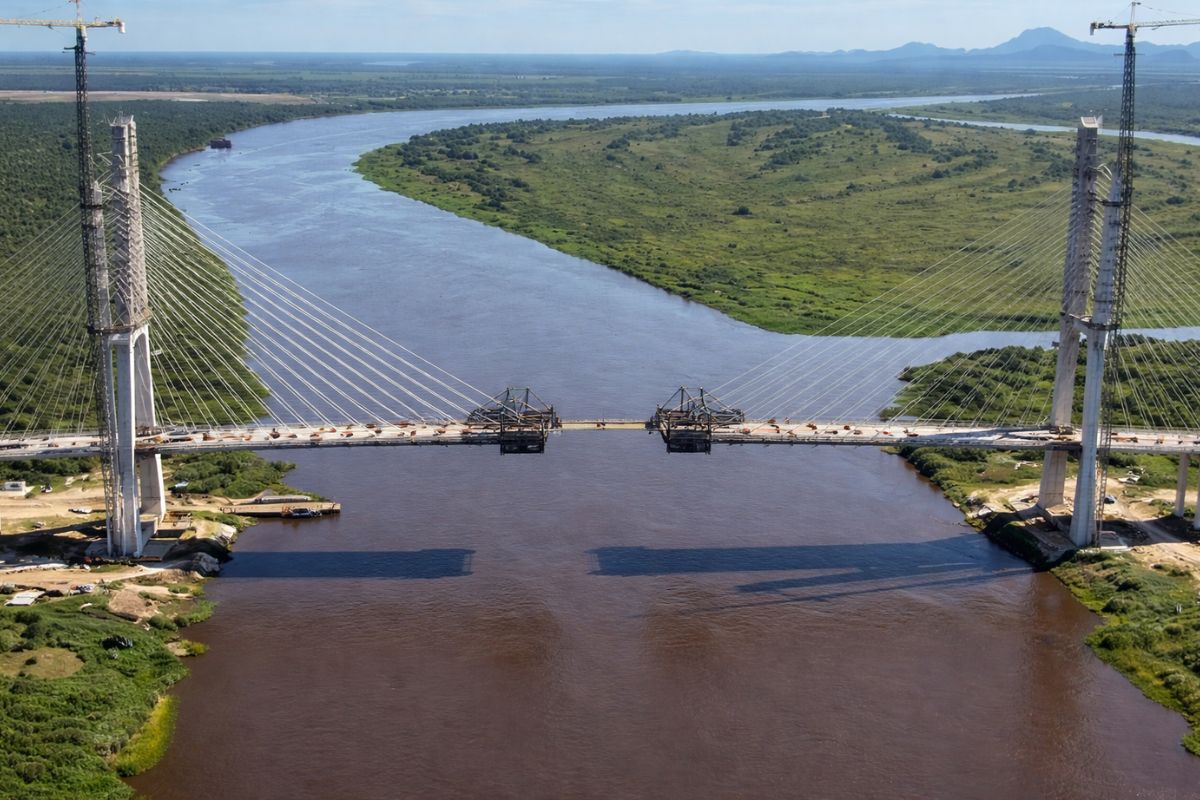
Only 46 meters remain for Brazil and Paraguay to connect via the Bioceanic Route bridge, the project that will link the Atlantic to the Pacific by land and change the logistical map of four countries in South America.
-
The bridge that holds the largest stone railway arch in the world: built over 100 years ago, destroyed in the war, and rebuilt to continue operating to this day, it still carries trains over the Soča River in Slovenia.

-
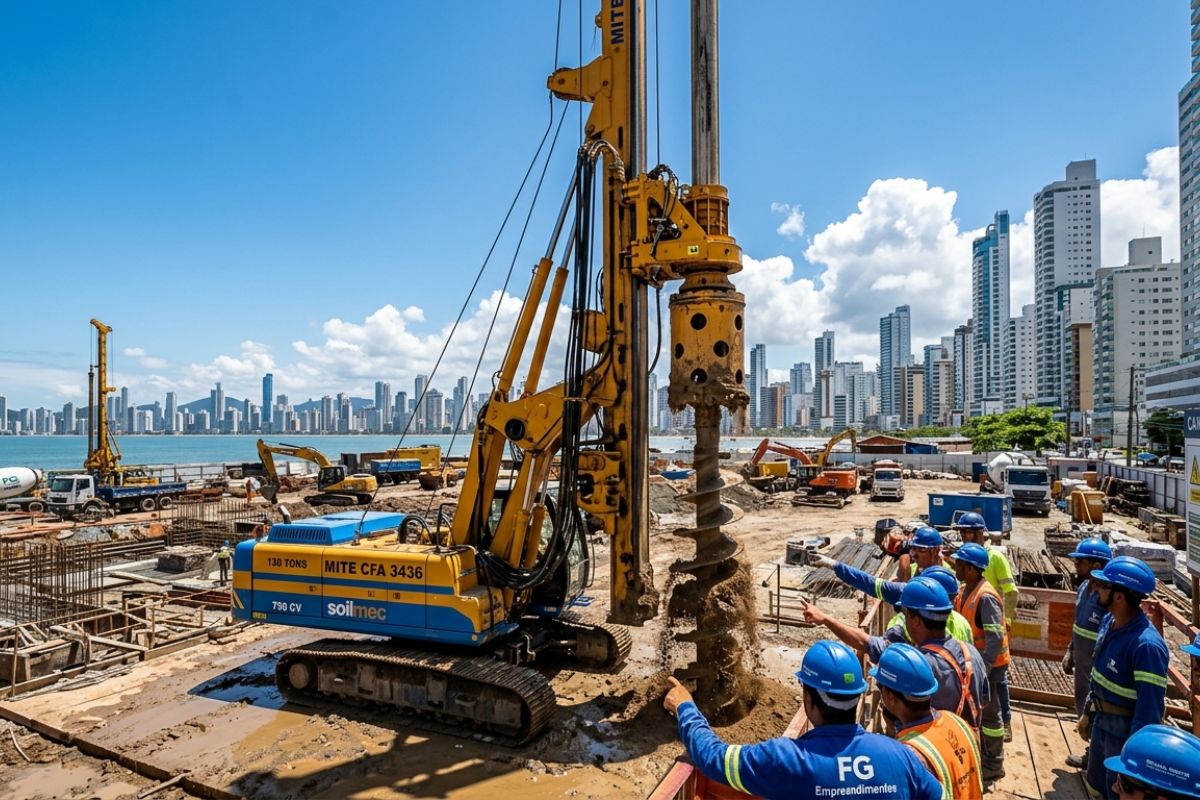
Italian giant of 130 tons arrives at the Senna Tower construction site and accelerates foundations: Mite CFA 3436 drills up to 50 m, 750 hp engine, investment of R$ 20 million, unique in Latin America.

Over the centuries, this field has evolved, incorporating scientific methods, regulations, and technologies, yet its central function remains: transforming space for the benefit of humanity.
In the contemporary world, this transformation is even more evident. Cities, roads, buildings, dams, and airports are clear examples of civil engineering’s presence in our daily lives.
According to the 2023 report by the International Federation of Consulting Engineers (FIDIC), more than 70% of global infrastructure directly depends on civil engineering, highlighting its continued importance.
But why does the civil engineering market remain so relevant even in an era dominated by digital technology and artificial intelligence?
The answer lies in its unique ability to transform projects into physical works that support progress and quality of life.
Although technological advancements are impressive, many regions, particularly in developing countries, still face basic infrastructure challenges.
According to data from the World Bank, in its 2022 report, around 2 billion people on the planet still live without adequate access to basic sanitation—a problem directly linked to civil engineering.
This underscores that the civil engineering market does not only serve major metropolitan areas but is vital for the growth and well-being of communities worldwide.
Civil Engineering Throughout History

The history of civil engineering is intrinsically linked to the history of great civilizations.
Ancient peoples such as the Egyptians, Romans, Greeks, and Chinese left constructions that, according to the U.K. Civil Engineering Museum, still stand today as testimonies to the technical knowledge and social organization of the time.
The Pyramids of Egypt, erected around 2500 B.C., the Roman aqueducts built in the 1st century B.C., the Great Wall of China, built between 220 B.C. and A.D. 1600, and the Greek temples are examples of projects that required advanced knowledge for their time.
These works demonstrated the importance of engineering in ensuring comfort, safety, urban organization, and even political prestige.
With the Industrial Revolution, which began in the mid-18th century, civil engineering gained even more prominence.
The rapid growth of cities created an urgent demand for infrastructure, such as roads, railways, bridges, sanitation, and housing.
This period also marked the beginning of the profession’s regulation, with the emergence of the first university courses and professional associations.
Additionally, new materials, such as reinforced concrete, emerged at this time, revolutionizing the construction industry.
According to the Brazilian Institute of Geography and Statistics (IBGE), reinforced concrete enabled larger, faster, and safer works, transforming the civil engineering market into a dynamic and innovative sector.
The Foundation of Urban and Social Development
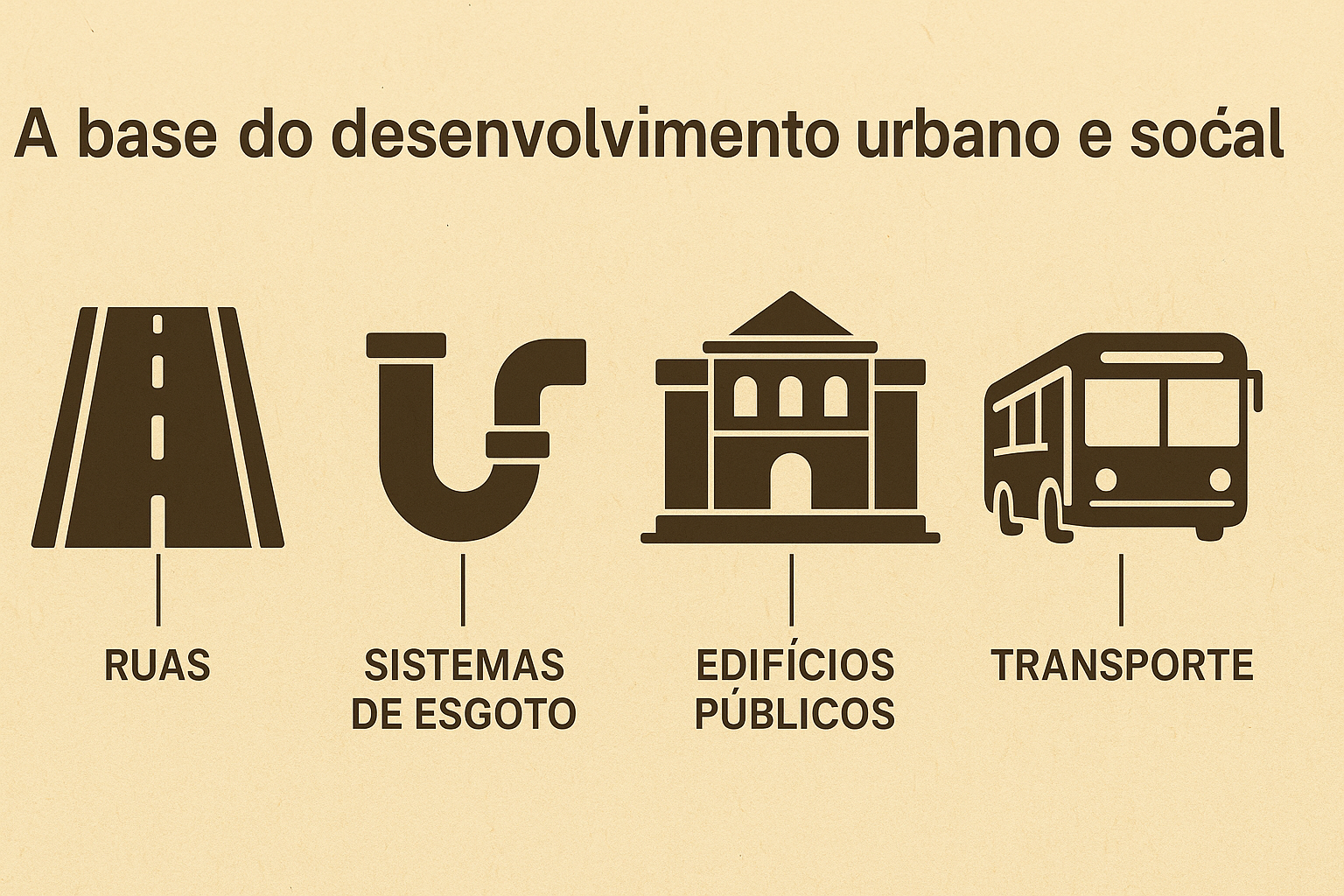
In the 21st century, civil engineering continues to be a fundamental gear for the functioning of society.
No city grows without adequate infrastructure—streets, sewage systems, electricity, public buildings, housing, and efficient transport.
Besides construction, civil engineers plan, calculate, manage projects, and ensure that projects meet stringent safety and sustainability standards.
Software and machines facilitate work, but, according to the Brazilian Association of Structural Engineering and Consultancy (ABECE), human experience and technical reasoning are still irreplaceable for making complex decisions.
The civil engineering market also supports other sectors, such as industry, commerce, education, and health.
The construction of factories, shopping centers, schools, and hospitals directly depends on the work of civil engineers, showcasing the cross-cutting and indispensability of this field.
Sustainability and Innovation in the Sector
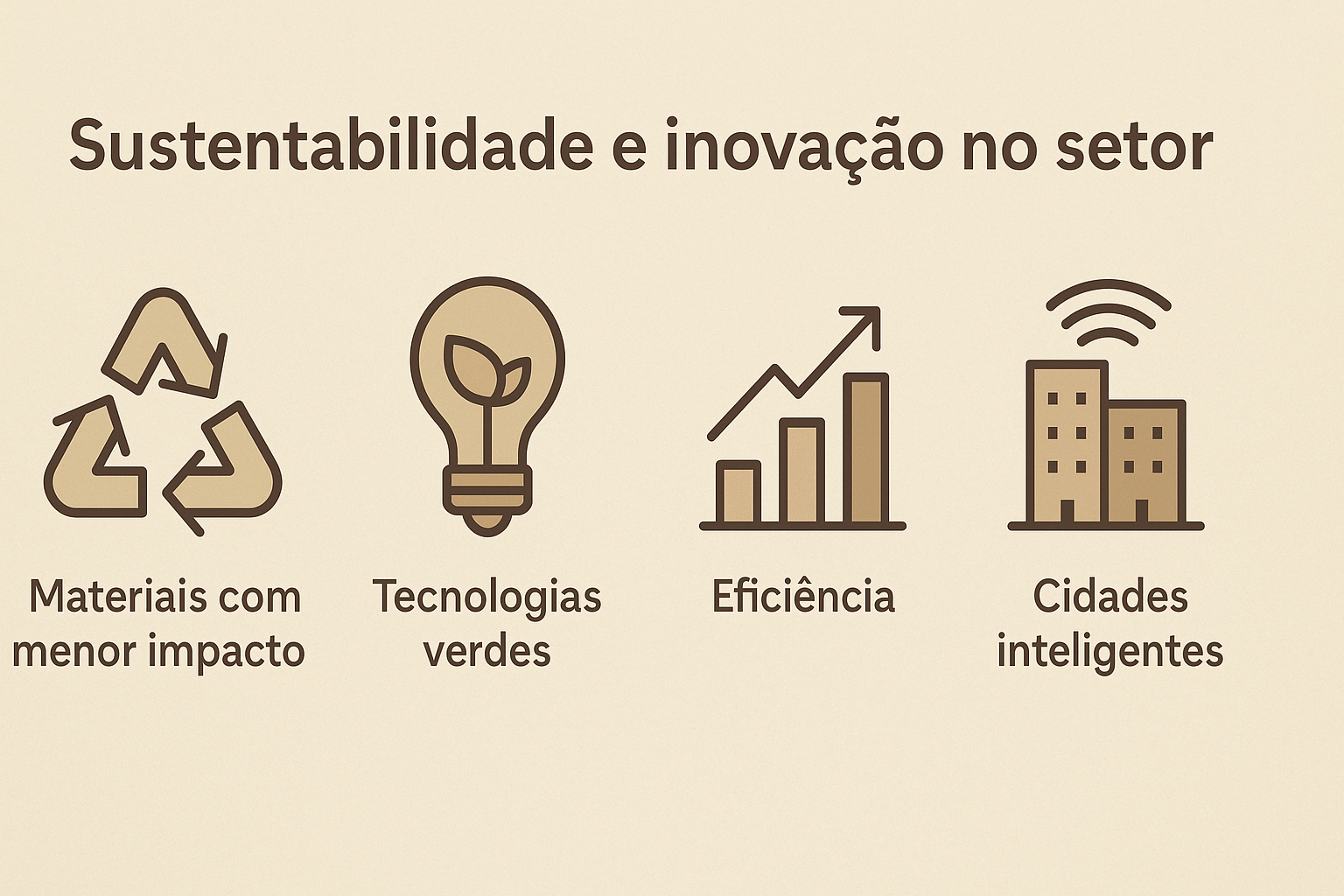
With the increase in environmental awareness and the urgent demands against climate change, civil engineering has begun to seek sustainable solutions.
Today, the market demands projects that use materials with a lower environmental impact, reuse resources, and minimize waste.
The United Nations (UN), in its 2023 report on sustainable development, points out that construction accounts for approximately 40% of global energy consumption.
This reality pressures the sector to invest in innovation and green technologies.
Currently, tools like BIM (Building Information Modeling), drones, 3D printers, and artificial intelligence help increase the efficiency and safety of projects.
These technologies, according to the International Federation of Consulting Engineers (FIDIC), accelerate project execution and reduce costs, making the sector more competitive.
Sustainability is also aligned with the concept of smart cities, which utilize integrated infrastructure to improve quality of life.
The role of civil engineering in this context is fundamental, as it designs solutions that respect the environment and promote social development.
Opportunities for the Future of the Civil Engineering Market
The civil engineering market continues to offer numerous opportunities.
Both the public and private sectors seek qualified professionals for projects ranging from traditional infrastructure to technological innovations.
Fields such as geotechnics, structures, transportation, sanitation, and sustainable construction allow engineers to specialize according to their interests.
The growing use of digital tools, entrepreneurship, and innovative solutions transforms the field of civil engineering, making it increasingly modern.
The future points towards the construction of inclusive, accessible, and resilient cities, which requires professionals prepared to tackle environmental and social challenges.
Thus, civil engineering continues to be essential and constantly evolving.
In summary, the civil engineering market is essential today as it underpins modern life and promotes economic and social development.
It is present in the infrastructure that supplies our homes, connects regions, and makes city functioning possible.
Even with digital transformations, civil engineering maintains its importance by combining tradition and innovation to build a sustainable future.
Thus, civil engineering is the solid foundation that allows society to advance safely, organized, and consciously.










Seja o primeiro a reagir!