





 Portuguese
  English
  Spanish
  4 min of reading
  0 comments


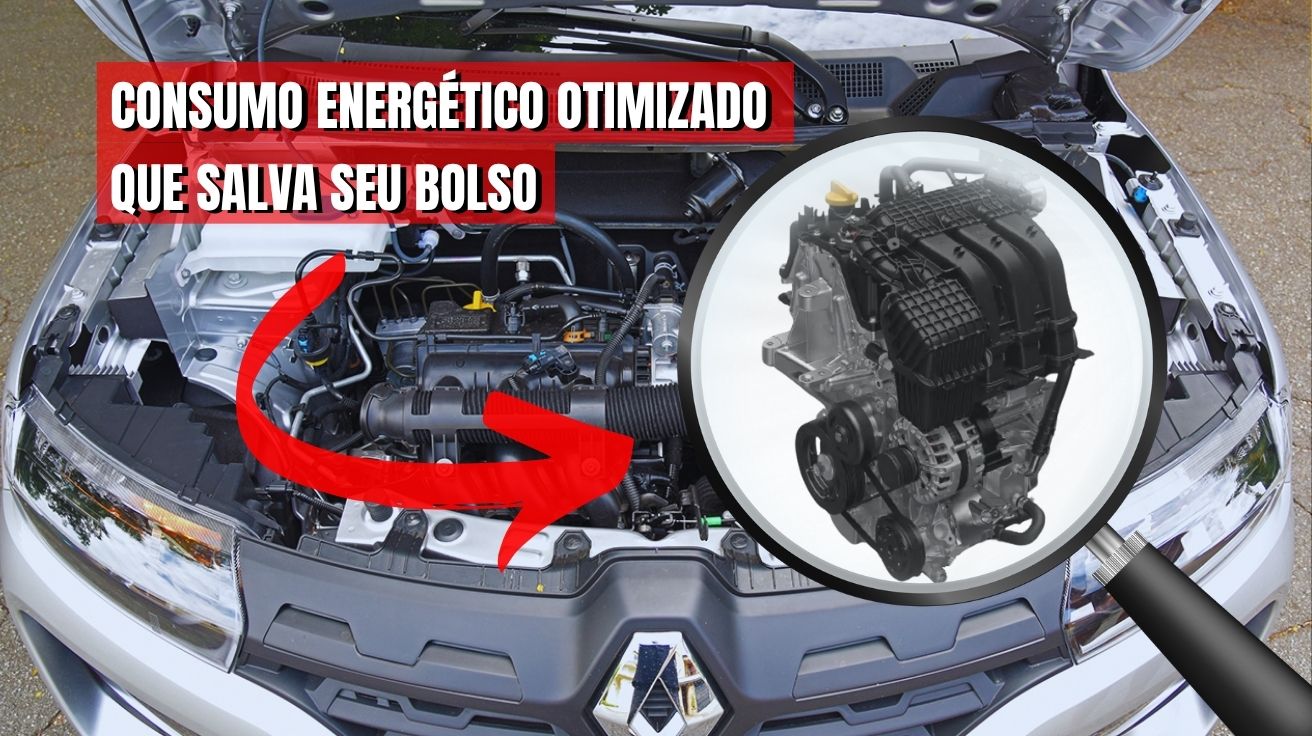
With a 1.0 Engine, Lightweight Structure, and Simple Solutions, the Renault Kwid Surprises in Economy and Leads the New Inmetro List of the Most Efficient Cars in Brazil.
The Renault Kwid 2025 has been recognized by Inmetro as the most efficient combustion car in Brazil, according to the new table of the Brazilian Vehicle Labeling Program (PBEV).
With energy consumption of just 1.40 MJ/km, the model stands out for combining a simple engine, low weight, and accessible technological solutions.
It delivers superior urban performance even with one of the lowest prices on the market.
-
Goodbye to waste: a Brazilian created a revolutionary brick that uses construction debris, has already entered the markets of the United Kingdom and the USA, and promises to shake up the global construction industry.

-
One of the most important lakes in the United States for birds, the balance of nature, and the climate has dried to historic levels, leaving boats stranded, revealing salt flats, and showing how the lack of water can transform an entire landscape.

-
It’s not Cristiano Ronaldo or Messi: the richest football player in the world is only 27 years old, has a fortune of 100 billion reais, and is the nephew of a sultan from an Asian country that few people know about.

-
Honda performs miracles in fuel consumption with a hatch that marks 13.2 km/l in the city and 15 km/l on the highway, leaving Polo, HB20, 208, and Onix behind and becoming a reference among compact cars without resorting to turbo or hybrid systems.
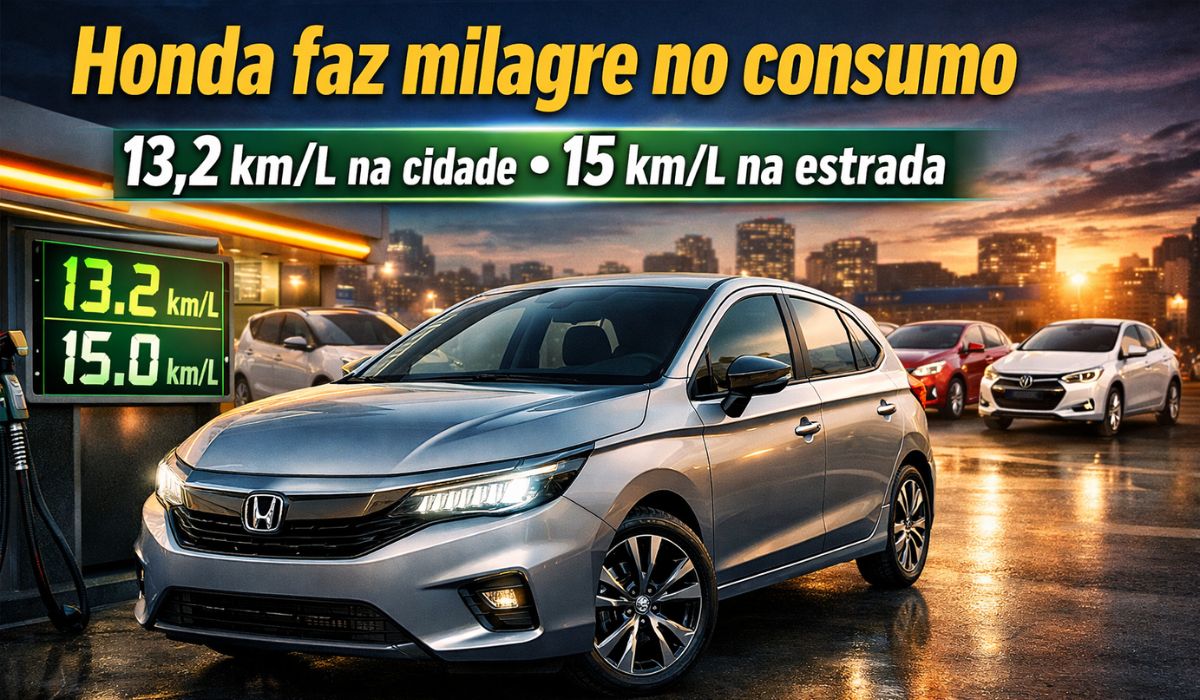

According to official data, the compact hatch can achieve up to 15.7 km/l with gasoline on the highway, and 14.6 km/l in the city — numbers that are comparable to the performance of many motorcycles.
Renault 1.0 SCe Engine and Lightweight Structure
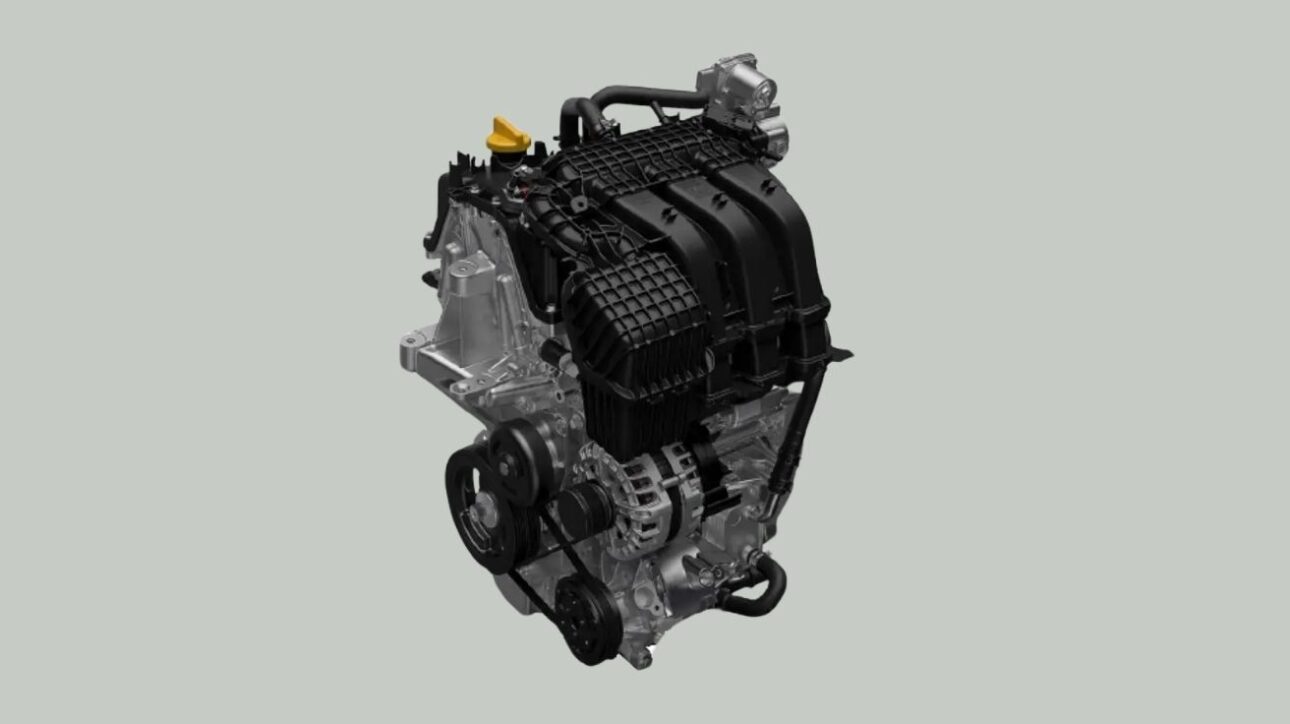
The 2025 version of the Renault Kwid uses a 1.0 SCe flex three-cylinder engine, which delivers up to 71 horsepower with ethanol and 68 hp with gasoline.
The maximum torque reaches 10 kgf·m, while the transmission is a five-speed manual.
Weighing only 820 kilograms, the model manages to optimize every drop of fuel.
It receives an A rating in energy efficiency from Inmetro.
In addition to the lean engine and reduced weight, the car relies on technical elements that enhance its economy.
These include aerodynamics designed for urban use, low rolling resistance tires, and an electronic calibration focused exclusively on consumption.
Another relevant factor is the absence of complex or heavy systems, such as automatic air conditioning or sophisticated power steering.
This benefits both economy and maintenance.
Renault Kwid: Motorcycle Consumption with Car Structure
This technical package makes the Kwid an attractive alternative for those looking for a low-maintenance car.
With versions starting from R$ 70,000, the Renault also offers indirect benefits, such as more affordable IPVA, lower-cost insurance, and competitive fixed-price maintenance.
Market data shows that the total monthly cost of the model, including fuel, insurance, taxes, and maintenance, is around R$ 2,200.
This value is lower than many rivals in the same segment.
Renault’s proposal is to deliver an urban car that can even compete with two-wheeled vehicles in terms of economy.
The consumption with ethanol is also impressive: 10.1 km/l in the city and 10.9 km/l on the highway.
For many drivers who travel long distances daily, this represents a relief for the wallet, without the need to switch to hybrid or electric models, which are even more expensive.
Consumption Comparison with Direct Rivals
According to the PBEV 2025 Table, prepared by Inmetro, the Kwid outperforms competitors such as Chevrolet Onix, Hyundai HB20, Fiat Mobi, and Volkswagen Polo.
All of these models use similar engines, with three cylinders and 1.0 liters of displacement.
But none of them achieved energy consumption as low as that of the Renault.
The difference can be partly explained by the French brand’s radical focus on the vehicle’s structural efficiency, in addition to the simplicity of its proposal.
Practical Benefits and Functional Structure
Another highlight is the trunk with a capacity of 290 liters, a number higher than that of several direct competitors.
This gives the compact greater versatility for daily use.
The Kwid also offers:
- Stability Control
- Hill Start Assist
- Four Airbags
- Tire Pressure Monitoring
- Multimedia Center with an 8-Inch Screen
Features that enhance its market value even with a low-cost proposal.
The model’s maintenance is also facilitated by solutions such as the timing chain, instead of the traditional timing belt.
This reduces the number of periodic replacements and avoids extra costs over time.
The regular maintenance costs are fixed by the manufacturer and are around R$ 500 for the first visits to the dealership.
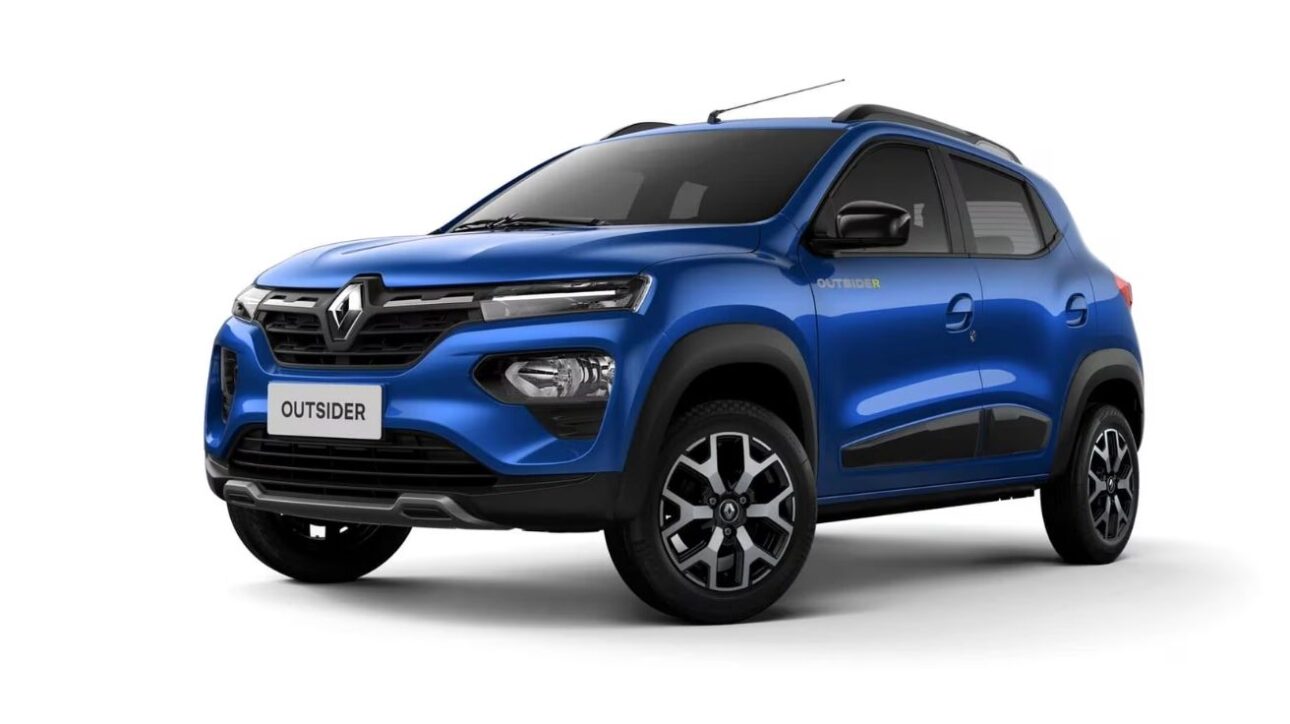
Renault Kwid E-Tech and New Options
In addition to the traditional combustion version, the Kwid is also offered in a 100% electric version, the E-Tech.
It promises urban range of about 185 km and equivalent consumption of 52.7 km/l.
However, the starting price exceeds R$ 139,000, making it a less viable alternative for those seeking short-term economy.
Consumes Like a Motorcycle, Delivers Like a Car
In the entry segment, the Kwid is currently one of the few models that still delivers high fuel efficiency with a combustion engine, without resorting to hybrid technologies.
The proposal from Renault seems to follow a little-explored path: maintaining mechanical simplicity, low operating costs, and urban performance compatible with the pace of Brazilian cities.
In practice, the car consumes like a motorcycle, but delivers the benefits of a complete automobile:
- Air Conditioning
- Safety
- Comfort
- Interior Space
The result is an ideal model for those who value economy without sacrificing practicality.
With performance that rivals that of motorcycles in fuel consumption and a structure designed for urban everyday life, is the Renault Kwid the car that will finally replace motorcycles in large cities?




-

-

-

-

13 pessoas reagiram a isso.