





 Portuguese
  English
  Spanish
  5 min of reading
  0 comments


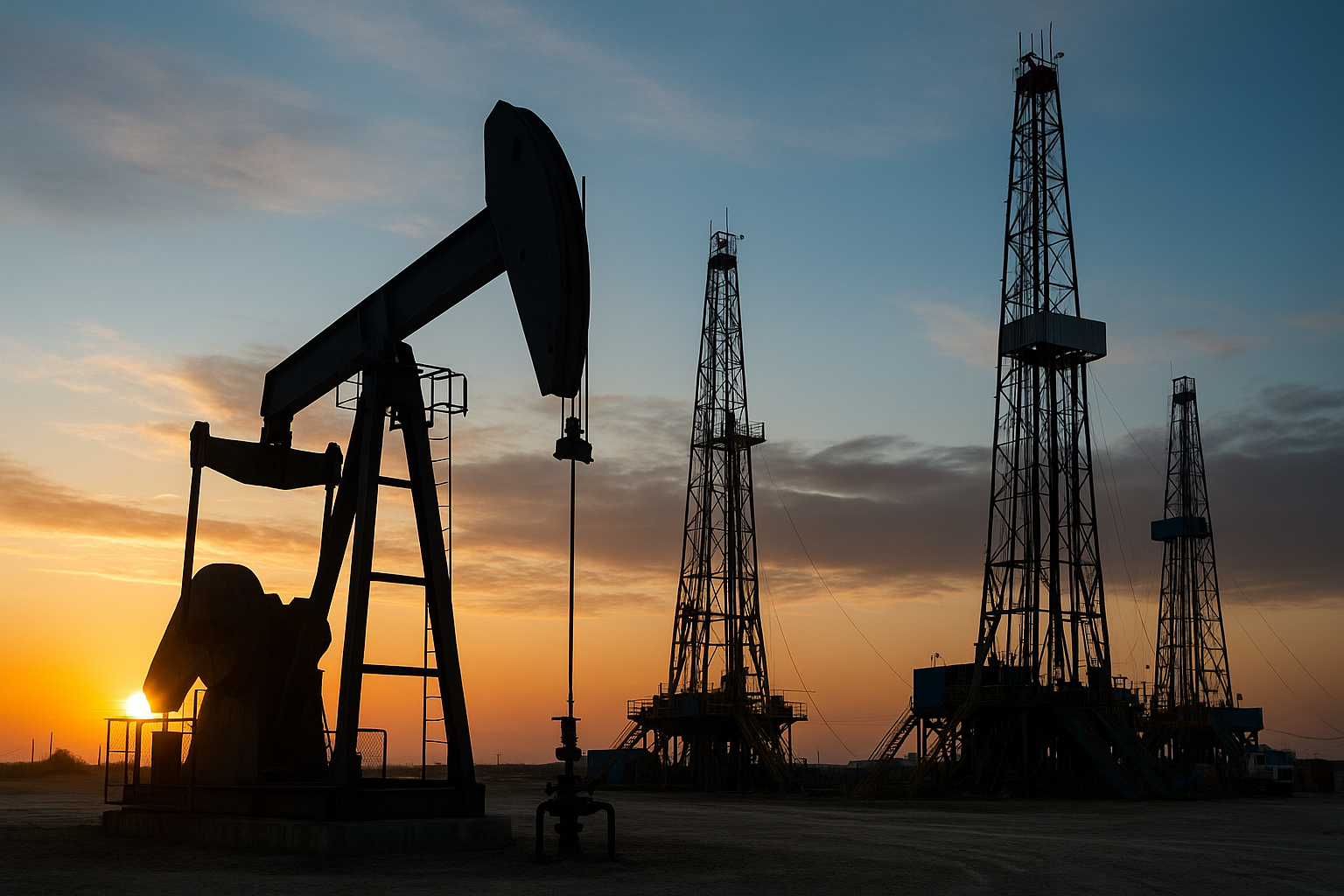
Discover Why Oil and Gas Opportunities Still Play a Vital Role in the Economy, Global Energy, and Technological Development, Even During the Energy Transition.
Oil and gas opportunities remain fundamental to the global economy, even in an increasingly energy transition-focused landscape.
Despite the advancement of renewable energies and discussions about climate change, the oil sector maintains a central role in job creation, energy supply, and the development of various industries.
Therefore, to understand why these opportunities remain essential, it is important to analyze the history, the current context, and reflect on future challenges and possibilities.
-
Petrobras evaluates suspension of sales to distributors and considers canceling the cooking gas auction following guidelines from the Federal Government.

-
Lula reveals a masterstroke by Petrobras to undo a deal made by Bolsonaro, which involves the return of an important refinery that currently produces less than half of what was expected and makes Brazil dependent on international diesel.
-
A study confirms that the natural gas sector will reduce greenhouse gas emissions in Brazil by 0.5% and accelerate the energy transition by 2026.

-
Petrobras implements a severe adjustment and confirms a 55% increase in the price of aviation kerosene with a proposal for installment payments for the companies.

Historically, oil and gas exploration began to gain momentum in the 19th century. According to the National Agency of Petroleum, Natural Gas and Biofuels (ANP), the first commercial well was drilled in Titusville, United States, in 1859, a milestone that sparked a true energy revolution.
Oil quickly replaced coal in many functions and became the main fuel of the 20th century.
This fuel powered cars, airplanes, ships, and industries, becoming essential for modern infrastructure. Additionally, natural gas gained prominence mainly from the 20th century, valued for its efficiency and lower environmental impact compared to other fossil fuels.
This historical trajectory explains the global dependence that still exists on these sources. Even with the rise of solar, wind, and other renewables, oil and gas remain the foundation of the world’s energy matrix.
According to the “World Energy Outlook 2023” report from the International Energy Agency (IEA), over 80% of the energy consumed globally still comes from fossil sources, with oil occupying a predominant position.
Moreover, population growth and increasing energy consumption reinforce this reality. The demand for energy grows annually, driven by the development of emerging countries and technological advancement.
Many of these countries still heavily rely on oil and gas to ensure electricity, transportation, and industry.
Thus, the opportunities in this sector also represent chances to ensure social and economic progress, helping to improve the quality of life for millions of people.
The Strategic Importance of Oil and Gas for Emerging Countries
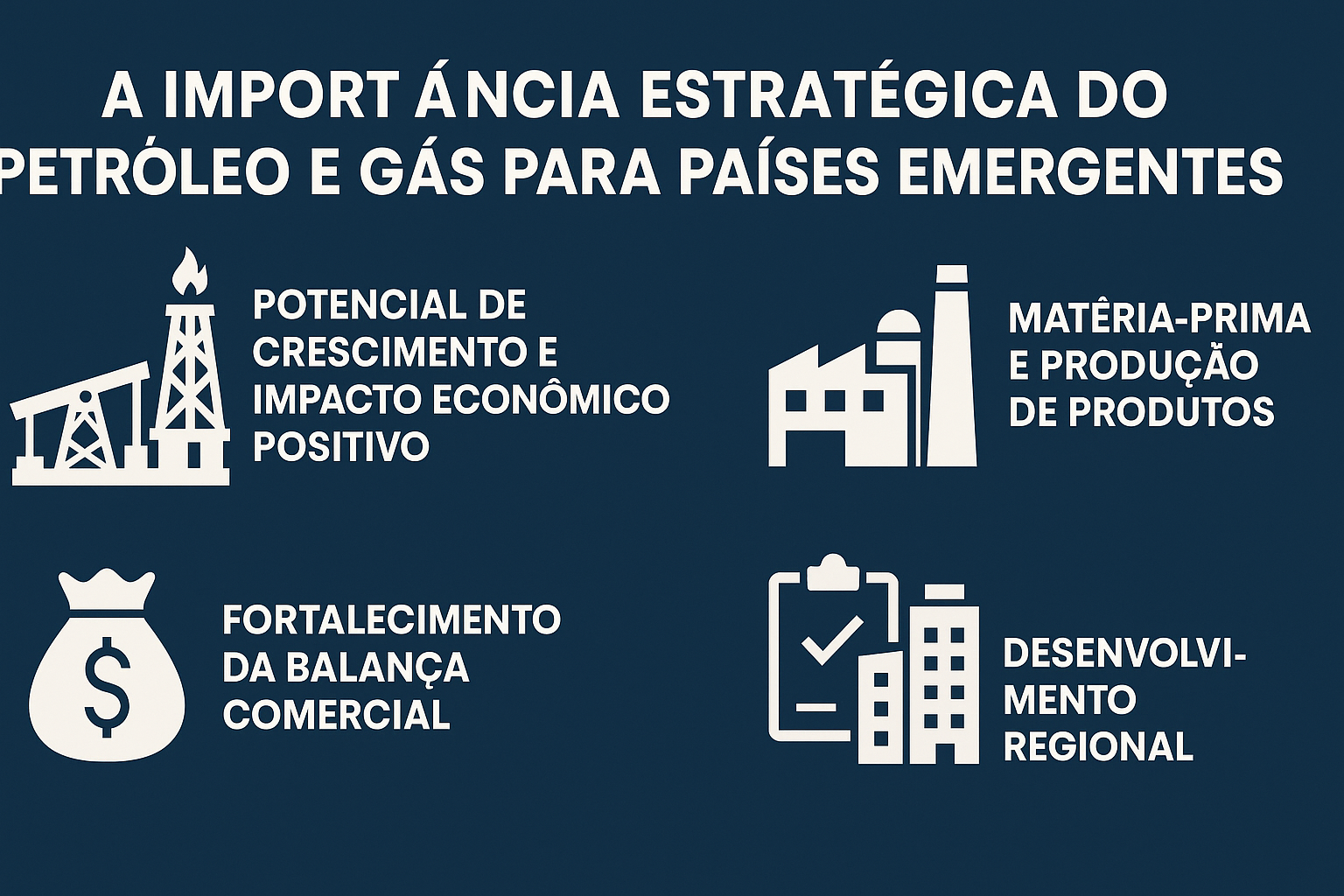
In Brazil, for example, opportunities in the oil and gas sector have been explored strategically.
According to data from the ANP, the discovery of the pre-salt, in the mid-2000s, elevated the country to the status of one of the world’s leading producers, attracting billion-dollar investments, generating thousands of jobs, and strengthening the national trade balance.
This example reveals the great growth potential and the positive impact of sector opportunities on the Brazilian economy.
Additionally, oil and gas serve not only as fuels. They constitute the raw material for a wide range of everyday products.
Plastics, fertilizers, medicines, synthetic clothing, cosmetics, and even processed foods directly or indirectly depend on oil.
Natural gas plays an important role in generating electricity in many countries and in heating homes, especially in colder regions.
Another point that underscores the importance of these opportunities is regional development. Areas with exploration and production activities directly enjoy the revenues and jobs generated.
Infrastructure such as ports, roads, and industrial facilities receive improvements, boosting other local economic sectors.
Furthermore, these hubs attract qualified professionals, raising the technological level and technical knowledge of the region.
Oil and gas opportunities also accompany technological advancement. According to the “World Energy Outlook 2022” from the IEA, technologies such as hydraulic fracturing (fracking) and ultra-deepwater drilling have made it possible to access previously inaccessible reserves.
Furthermore, according to the IEA, the digitalization of the sector, with sensors, artificial intelligence, and data analysis, has made operations more efficient and sustainable, creating new jobs in areas such as engineering, information technology, and industrial automation.
Additionally, the oil industry has adapted to incorporate renewable energy into its operations, creating hybrid projects that combine fossil and renewable sources, seeking to reduce environmental impact.
This demonstrates that sector opportunities can also be linked to the energy transition, creating pathways for more sustainable growth.
Geopolitics and Sustainability: Current Challenges for the Sector
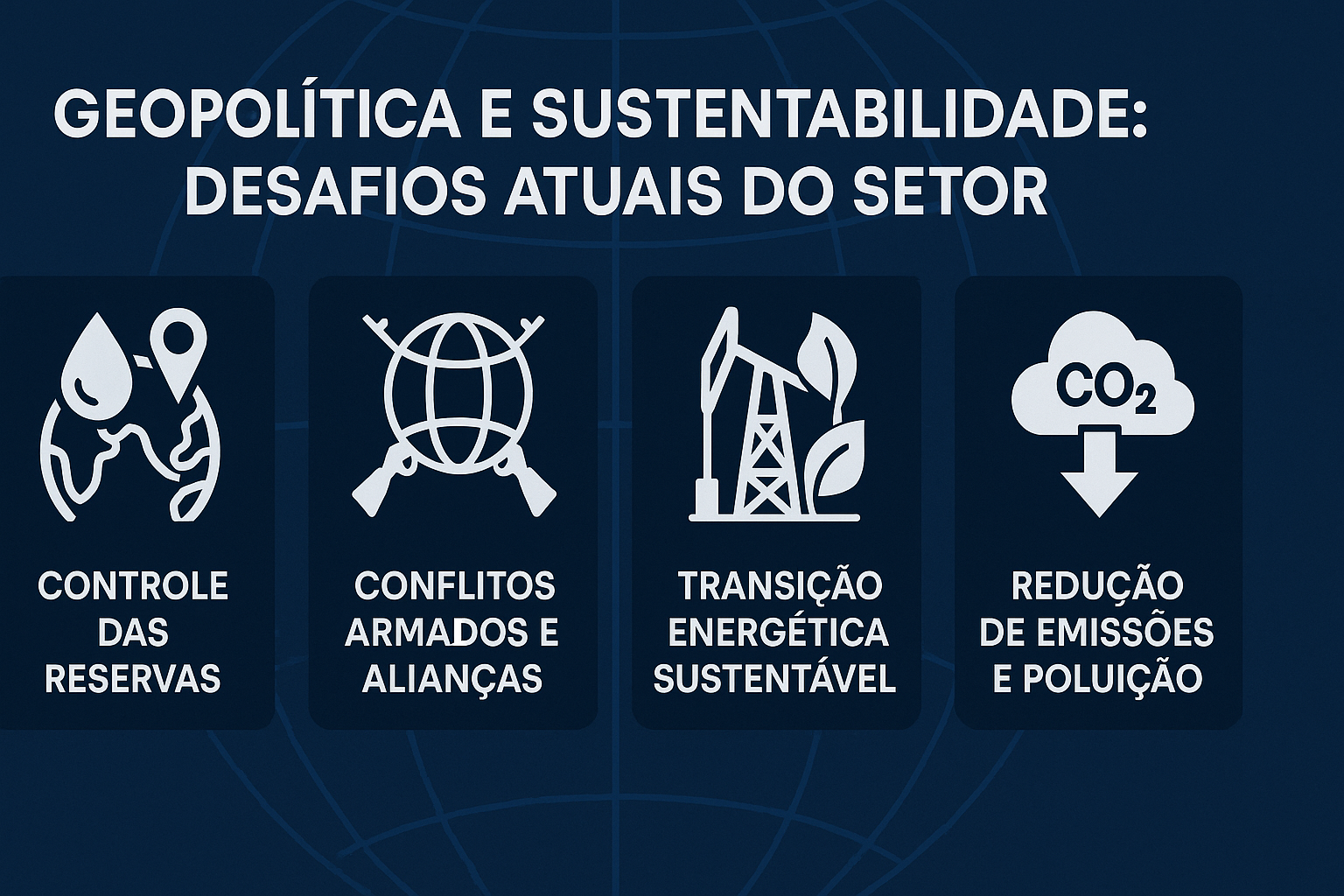
Another factor that makes oil and gas opportunities so essential is their geopolitical role. International decisions, economic alliances, and even armed conflicts often involve control over these energy sources.
Countries with large reserves, such as Saudi Arabia, Russia, the United States, and Venezuela, exert significant influence in the global market, impacting fuel prices, the cost of living, and the development of nations.
According to data from the Organization of the Petroleum Exporting Countries (OPEC) 2023, control of these reserves represents a strategic issue for global energy security.
Thus, possessing and controlling one’s own reserves represents for many countries a question of energy sovereignty.
The energy transition, while essential, occurs gradually. The process requires planning, investment, and time.
Meanwhile, the world still relies on oil and gas to ensure the functioning of its economies.
The search for cleaner sources does not eliminate the need to continue investing in the current ones, which still offer significant economic and social returns.
Therefore, opportunities in the sector go beyond extraction. They encompass research, technological development, environmental management, logistics, transportation, and commercialization.
Companies in the sector demand diverse professionals, from engineers to administrators, technicians, and financial analysts.
This makes the sector an important entry point for many workers, including in remote areas where job options are limited.
Corporate social responsibility has gained strength in oil companies. Community-focused programs in education, health, and environmental sustainability integrate strategies to make the sector less harmful to the environment and society.
These initiatives expand employment and social development opportunities.
It’s important to highlight that the sector can and should advance alongside sustainability.
Many current projects focus on reducing emissions of polluting gases, repurposing waste, and minimizing environmental impacts.
The effort to make the production chain cleaner creates space for innovations such as carbon capture and storage, biofuels, and hybrid plants.
The Future of Oil and Gas Opportunities
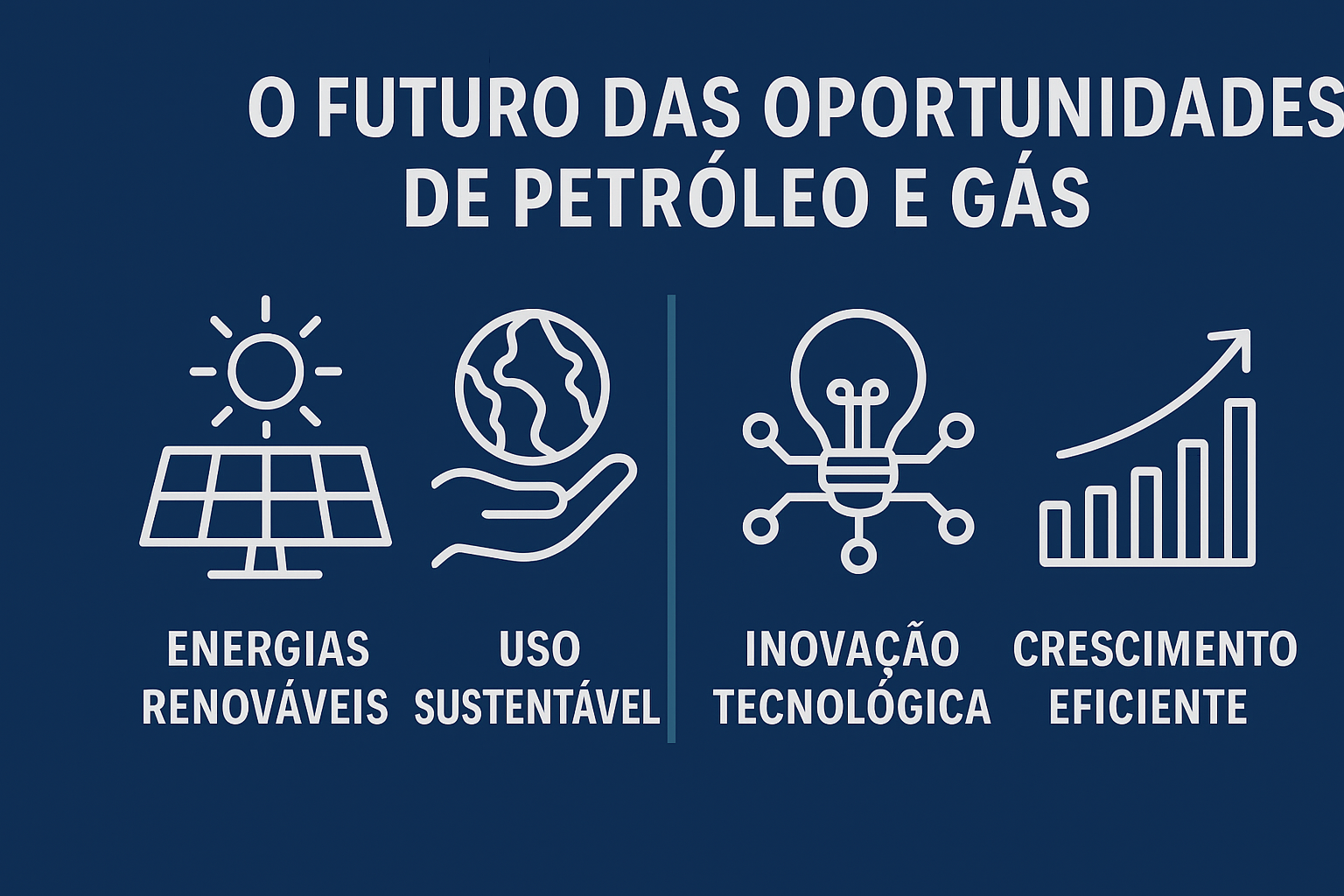
In summary, oil and gas opportunities remain essential because they support a large part of the world economy, create jobs, drive international trade, guarantee energy security, and offer space for technological innovation and sustainable development.
Although the future points to more renewable energies, the present still heavily depends on these traditional sources.
Knowing how to balance progress toward sustainability with the conscious and strategic use of existing resources is the great challenge.
The importance of the sector lies not only in its constant presence in daily life but also in its capacity to drive the growth of countries and transform regions.
Investing in these opportunities means betting on the present, with a vision for a more balanced and efficient future.
This awareness, combined with ethical and sustainable action, will make the sector increasingly relevant in the coming decades.
Finally, the oil and gas market is dynamic and undergoes constant changes, requiring continuous adaptation from professionals and companies.
Being attentive to trends, technological advancements, and environmental demands will be essential to seize opportunities and ensure that the sector continues to contribute to the economic and social development of the planet.










Seja o primeiro a reagir!