





 Portuguese
  English
  Spanish
  4 min of reading
  0 comments


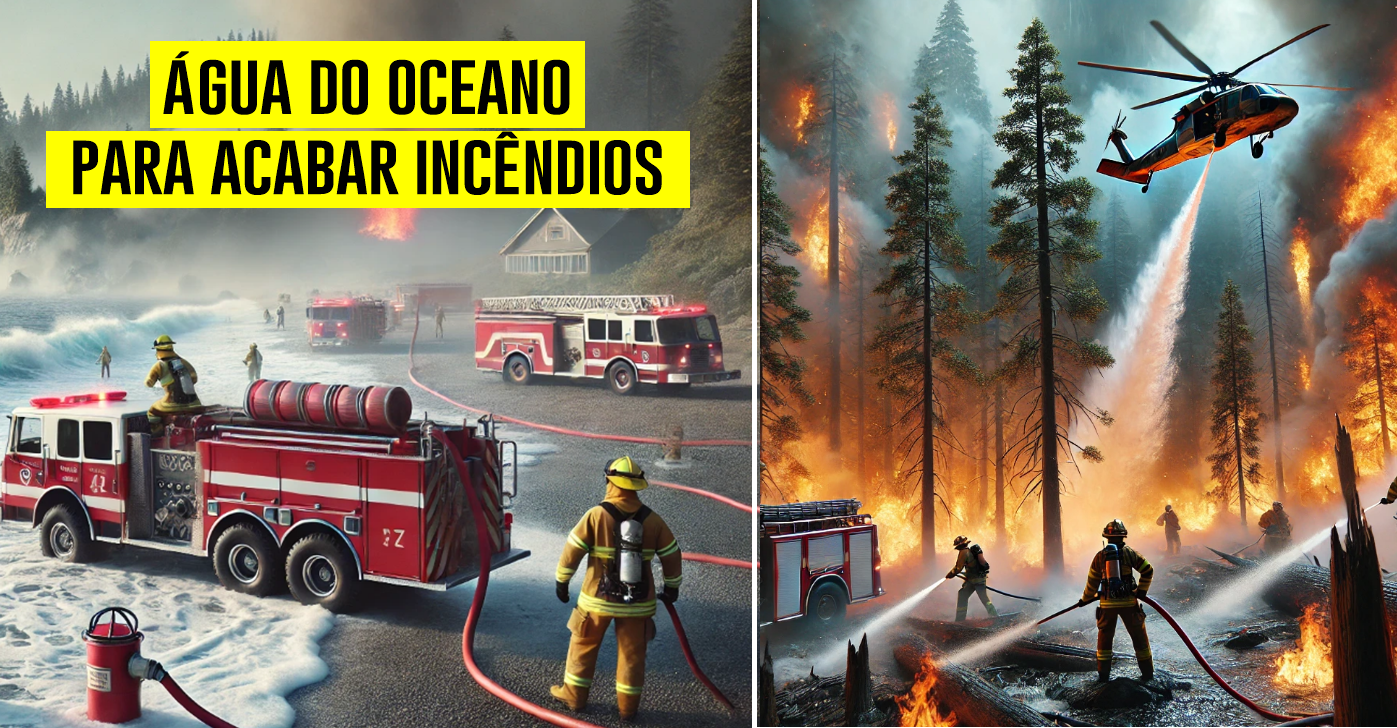
Despite the Proximity to the Pacific Ocean, Los Angeles Firefighters Avoid Using Saltwater to Fight Wildfires. What Are the Reasons Behind This Decision and What Challenges Do Emergency Teams Face?
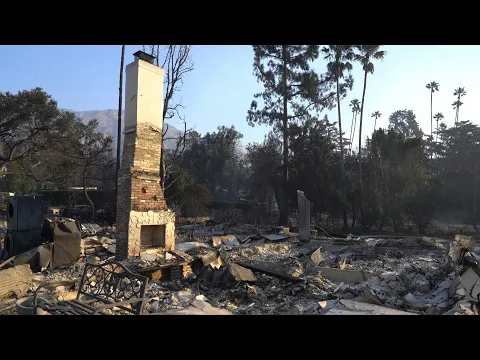
The wildfire season in Los Angeles has started off devastatingly, giving firefighters a great deal of work. As the hills of Pacific Palisades burn intensely, thousands of people are forced to flee their homes, escaping the raging flames.
By the weekend, the fire in Palisades had consumed over 36,000 acres and claimed at least 25 lives, while smoke tinged the sky gray.
The scene is desolate. Dry hydrants, depleted resources, and increasing pressure on firefighters raise an intriguing question: why, with the Pacific Ocean so close, not use its abundant water to combat the fires? The answer is more complicated than it seems.
-
A forgotten cord on the floor of a basement in Vienna leads a plumber to a box containing 30 kilograms of gold with Mozart’s face, hidden before World War II. The treasure, worth 2.3 million euros, was just centimeters away from a worker who ignored the sign a day earlier.

-
A couple buys an old chalet, breaks the kitchen floor for renovation, and finds over a thousand coins of gold and silver hidden since the English Civil War over 4 centuries ago.

-
Rigid bags with their days numbered: new trend prioritizes comfort in 2026.

-
YouTuber creates an excavator equipped with a giant 4.5-meter sword to challenge his brother to a rematch, and the invention quickly goes viral on social media.


Saltwater: Why It’s Not the Solution for Firefighters?
In affected areas, like Pacific Palisades, the lack of water has made fighting the fires even more challenging.
According to Ryan Babroff, a volunteer firefighter involved in the battle against the Eaton Fire, the absence of water in hydrants creates a critical dilemma. “How do you fight a fire without water?”, he questions.
The city’s water infrastructure, designed for urban fires, proves inadequate for rapidly spreading megafires.
About 20% of the hydrants in Los Angeles have gone dry, as reported by Mayor Karen Bass. Janisse Quiñones, chief engineer of the Los Angeles Department of Water and Power (LADWP), admitted that the system has been pushed to the limit.
Water is essential in fighting fires as it cools materials and moistens areas to prevent new flames.
But the use of saltwater brings environmental and logistical challenges that complicate its large-scale application.

Environmental Impacts of Saltwater
When seawater evaporates after being used in fires, the salt left behind causes soil salinization, a process that renders the land infertile.
Tim Chavez, former deputy chief of Cal Fire, explains: “Saltwater is a sterilizer of soil. After using it, you cannot grow anything in that area for years.”
Additionally, salt harms the movement of nutrients in the soil and can be toxic to less tolerant plants.
The problem does not stop at the soil. Salinization can reach nearby freshwater sources, contaminating supplies and disrupting sensitive ecosystems. The long-term environmental impact would be devastating.
Corrosion of Firefighters’ Equipment
The equipment used by firefighters — such as hoses and trucks — is not designed to withstand prolonged exposure to saltwater.
Salt corrodes metals like iron and steel, compromising the effectiveness and safety of the equipment. “Upgrading the entire fleet to handle saltwater would be extremely costly,” states Ping Furlan, a chemist and professor at the US Merchant Marine Academy.
Although there are corrosion-resistant materials, such as marine-grade steel, their cost is unfeasible for large-scale use. Thus, using seawater would be more of a temporary solution than a practical one.
Logistical Challenges
Even if environmental and corrosion issues were resolved, accessing and transporting water from the ocean is a monumental task.
Fire trucks cannot operate directly on the coast, and the current infrastructure was not designed to extract seawater in emergencies.
Helicopters and planes, on the other hand, can use ocean water in specific situations. During the Palisades fire, Bombardier CL-415 airplanes, known as “super scoopers,” collected water directly from the sea to pour over the flames.
Each aircraft carries about 1,600 gallons per trip, but this process is limited by factors such as strong winds and the precision needed to avoid collateral damage.
“Dumping water from the air over residential areas can cause impact damage, given the weight of the water,” explains Thomas, an aerial firefighting specialist. For this reason, this strategy is generally reserved for wild and uninhabited areas.
Instances Where Saltwater Is Used
Despite the difficulties, seawater has been used in situations of extreme need. However, even in these cases, it is applied in a limited and strategic manner. During the Palisades fire, ocean water helped slow the advance of flames in critical areas, but it was not enough to resolve the problem as a whole.
Moreover, the use of saltwater is always an emergency measure, not a sustainable solution. The transportation, environmental risk, and associated costs make its large-scale adoption impractical.
The Future of Wildfires in California
Wildfires in Los Angeles reflect larger issues, such as climate change and unchecked urban growth.
The intensity and frequency of these events are increasing, putting pressure on systems that are already at their limit.
Local and state governments face the difficult task of investing in resilient infrastructure and innovative technologies to tackle this new reality.







-

-

-

-

5 pessoas reagiram a isso.