





 English
  Francês
  Alemão
  Italiano
  Japonês
  Norueguês
  Portuguese
  Spanish
  5 min of reading
  0 comments


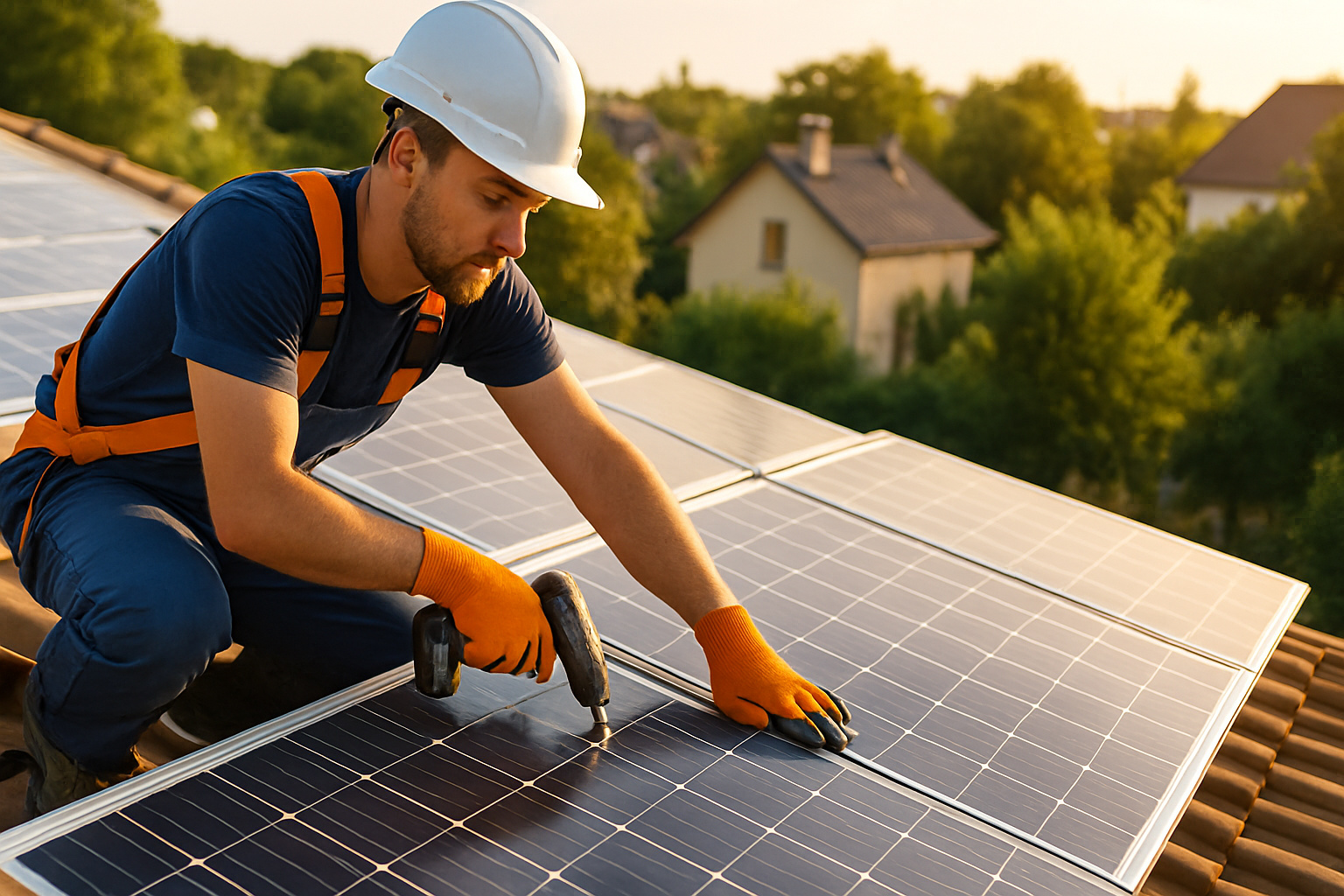
Discover Why Solar Panels and the Right Installation Are Essential for Saving Energy, Protecting the Environment, and Ensuring a Sustainable Future.
First of all, it is important to highlight that solar energy, which for a long time was seen as an expensive and futuristic resource, has become one of the main solutions to face the current energy challenges in recent years.
Indeed, solar panels and the proper installation of these systems provide a viable, efficient, and sustainable alternative for homes, businesses, and even entire communities today.
Thus, the popularization of solar energy did not happen by chance: it results from technological advancements, changes in public policies, and the growing concern about the environmental impacts of the traditional electricity generation model.
-
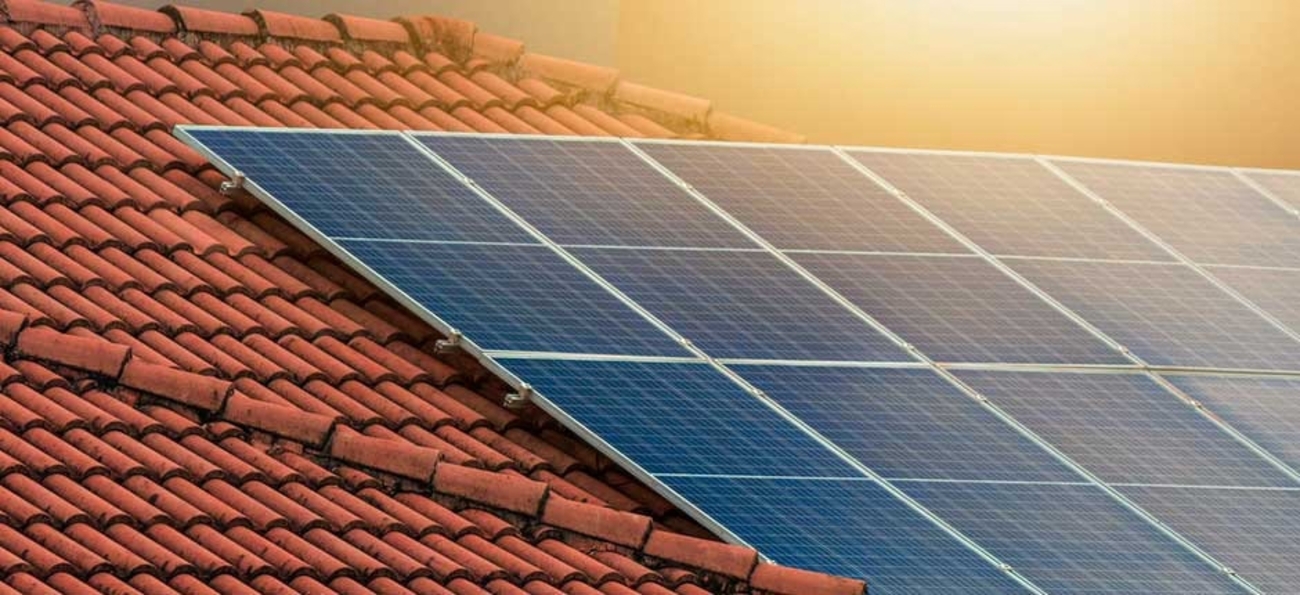
Roraima bets on the sun to escape high tariffs: Amid the energy crisis and price hikes, solar energy is growing in Roraima and transforming consumption in the North region.
-
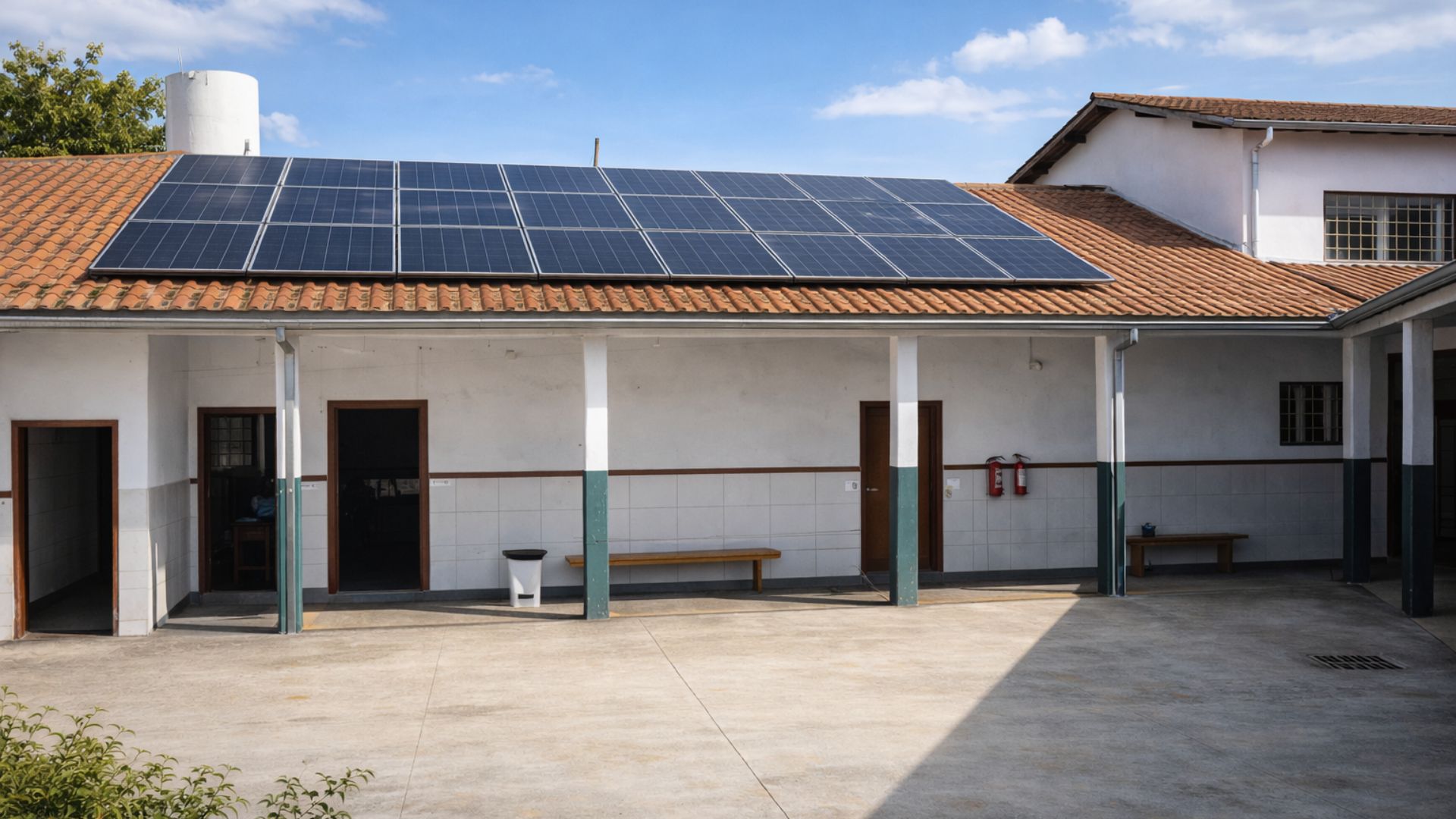
Copel boosts solar energy in Paraná and brings innovation to public schools, promoting savings on electricity bills, energy efficiency, and a direct impact on the quality of education.
-
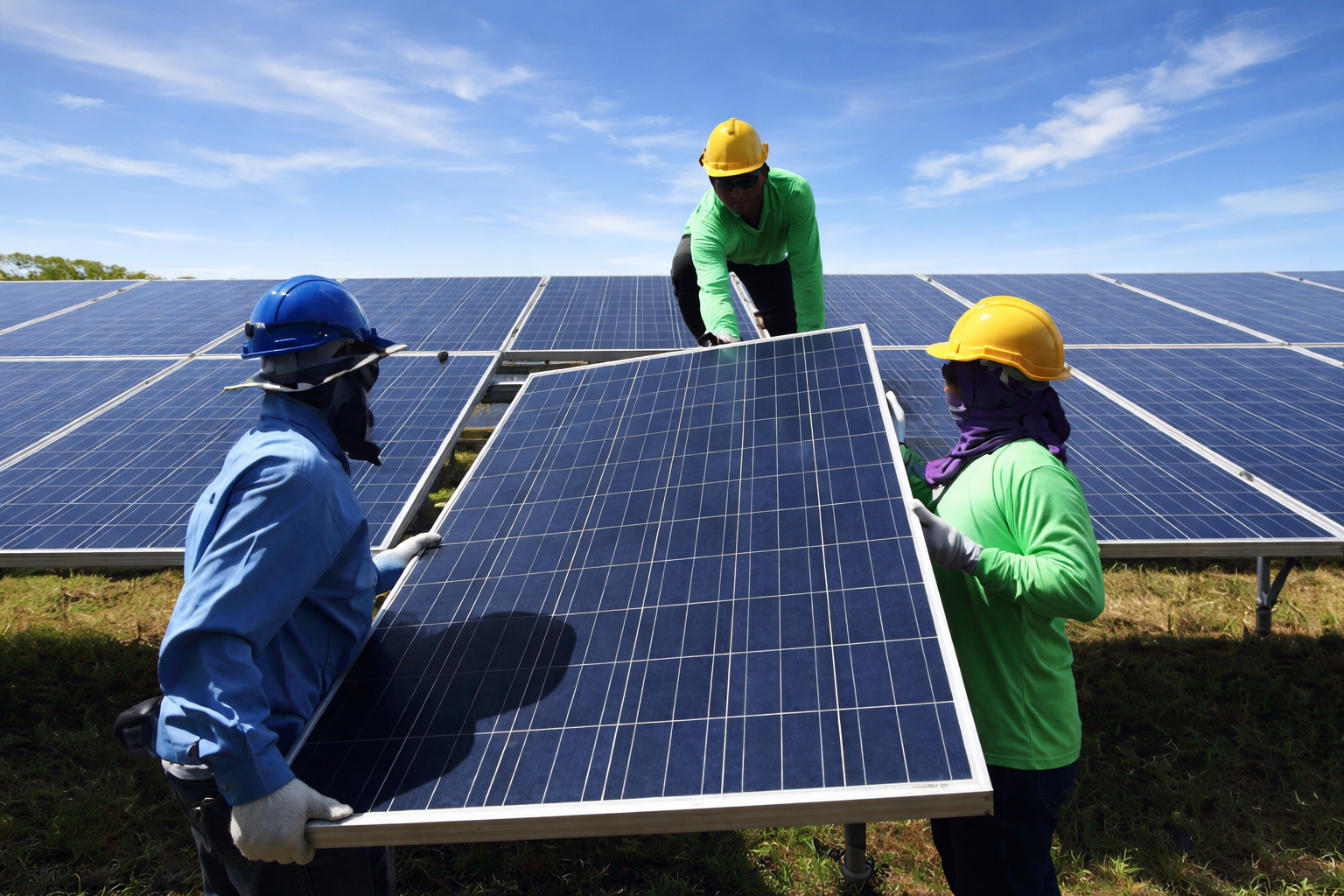
Brazil reaches historic milestone in solar energy: Sector surpasses 2 million accumulated green jobs and generates billions in the national economy even under market pressure.
-
Minas Gerais takes the lead in renewable energy: State surpasses historic mark of 14 GW in solar energy generation in MG and consolidates dominance in the Brazilian electric sector.
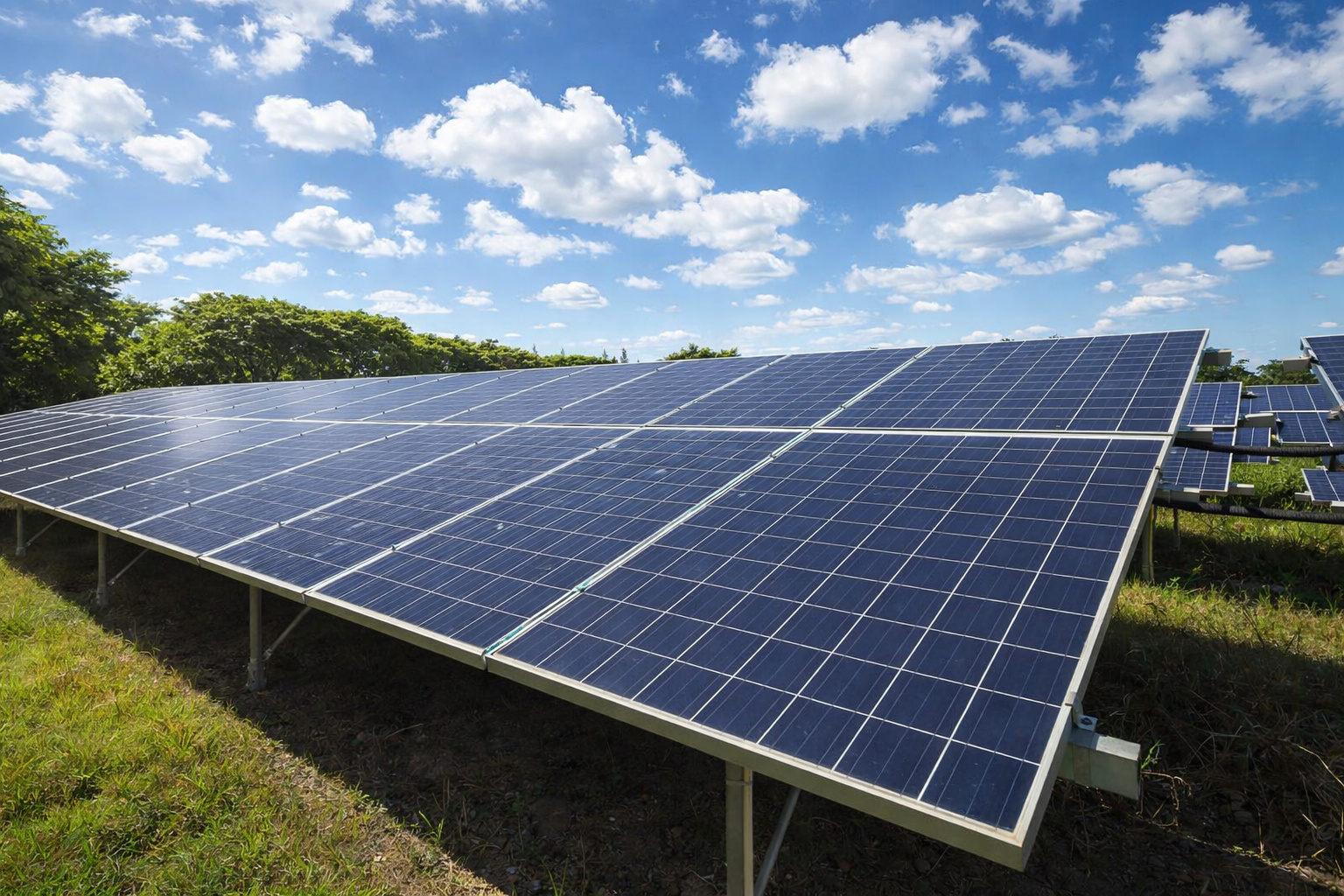

According to the National Electric Energy Agency (ANEEL), the history of solar panels begins in the 19th century when French physicist Alexandre Edmond Becquerel discovered the photovoltaic effect — the basic principle behind the conversion of sunlight into electrical energy.
However, for decades, this phenomenon remained a scientific curiosity until, in 1954, Bell Labs in the United States developed the first practical solar cell made of silicon.
At that time, as reported by ANEEL, this technology was expensive and was only used in satellites and space stations due to its low efficiency and high investment.
However, the scenario changed significantly during the oil crisis of the 1970s. As explained by the Ministry of Mines and Energy, this global crisis sparked interest in alternative energy sources.
Governments began investing in research to develop more accessible, efficient, and clean technologies, such as solar energy.
Since then, there has been a significant reduction in the costs of photovoltaic systems and an increase in the efficiency of solar panels.
Therefore, today, anyone can install a solar system in their home with an investment that pays off in the medium term.
How Solar Panels Work and the Importance of Proper Installation
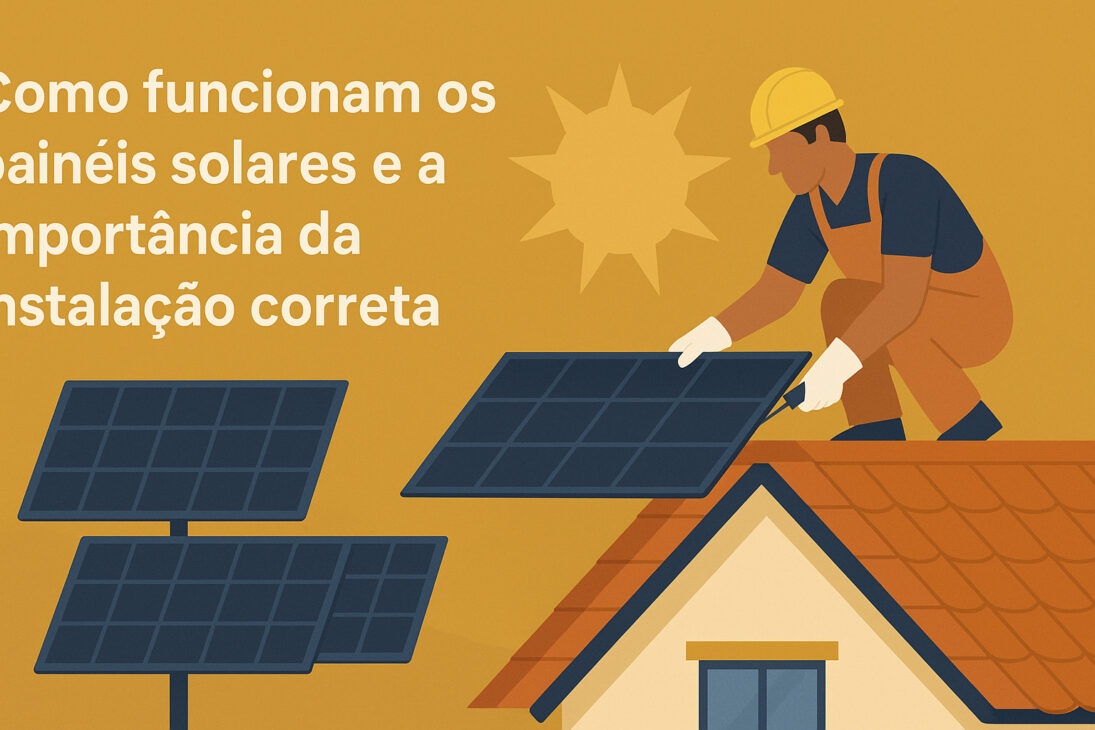
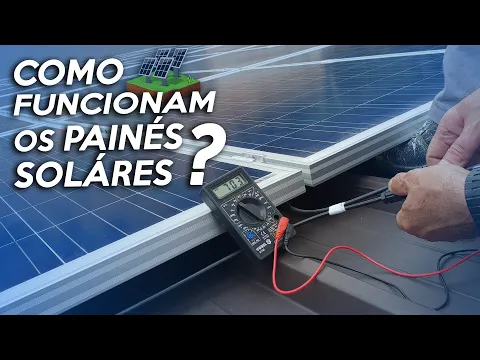
Basically, solar panels capture sunlight through photovoltaic cells that convert radiation into electricity. This energy can be used immediately or stored in batteries.
In addition, when connected to the electrical grid, the systems allow the excess energy to return to the distributor, generating credits for the consumer — a model known as distributed generation, according to the Ministry of Mines and Energy.
This process reduces the electricity bill and contributes to the decentralization of the energy matrix, making the supply safer and more resilient.
Moreover, since ANEEL regulated distributed generation in 2012, the number of solar installations has grown exponentially.
According to official data from ANEEL in 2024, there are already more than 550,000 consumer units with solar systems connected to the grid in Brazil.
Therefore, residences, businesses, schools, hospitals, and rural properties are adopting this clean source to save money and help build a sustainable future.
On the other hand, simply buying the equipment is not enough. The installation of solar panels is a crucial step to ensure efficiency and safety.
Qualified professionals must correctly size the energy demand of the property and choose the ideal location for capturing sunlight.
Usually, rooftops facing north in the southern hemisphere — and follow all technical standards, warns the Brazilian Association of Photovoltaic Solar Energy (ABSOLAR).
Without a proper installation, the performance of the panels may drop, accidents can occur, and the expected savings can be nullified.
Moreover, the installation involves legal and administrative processes, such as project approval with the energy concessionaire, obtaining licenses, and connection to the grid.
Specialized companies offer complete packages, including feasibility studies and system maintenance, facilitating the process for consumers and ensuring compliance with regulations, according to ANEEL.
Economic and Environmental Benefits of Solar Panels
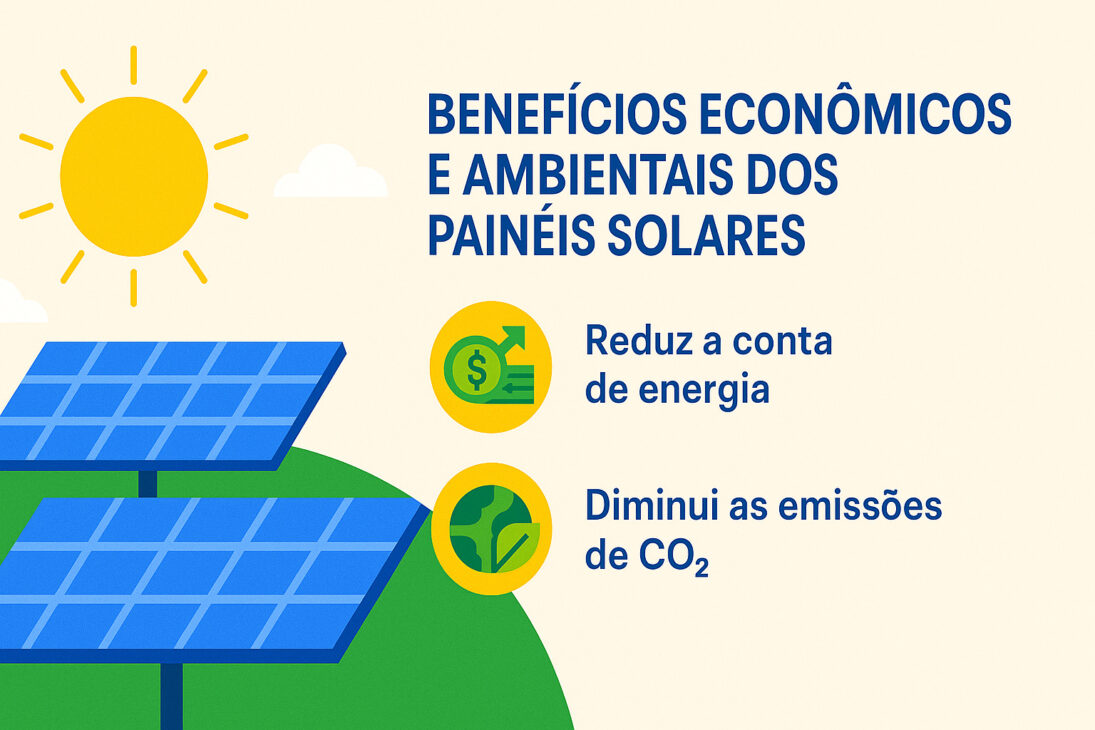
The economic and environmental benefits of solar panels and proper installation are widely recognized.
In a scenario marked by constant increases in electricity rates, producing your own energy has become an effective way to protect against price hikes.
According to the Brazilian Institute of Geography and Statistics (IBGE), many consumers can reduce up to 95% of their electricity bills, with a return on investment in just a few years.
Moreover, properties with solar systems tend to appreciate in the market, an attractive option for those looking to invest in their assets.
As for the environment, the positive impact is remarkable.
The 2023 report from the International Renewable Energy Agency (IRENA) estimates that solar energy has avoided the emission of over 1.5 billion tons of CO₂ globally in the last decade.
Unlike thermoelectric plants, which emit polluting gases, or hydropower plants, which impact rivers, solar energy generates clean and silent electricity.
Every kilowatt-hour produced by solar panels reduces the emission of the main greenhouse gas, CO₂.
Therefore, opting for this energy source means contributing to the fight against climate change and the preservation of natural resources.
Another relevant aspect is the democratization of access to electricity. According to IBGE, about 10 million Brazilians live in rural areas with limited access to conventional electrical grids.
In these locations, solar systems offer light, refrigeration, school supplies, and improve quality of life.
Instead of relying on diesel generators or extending the electric grid, these communities have a clean, autonomous, and abundant energy source.
Moreover, the solar energy sector creates jobs at various stages of the production chain, from manufacturing to installation and maintenance.
The Promising Future of Solar Energy
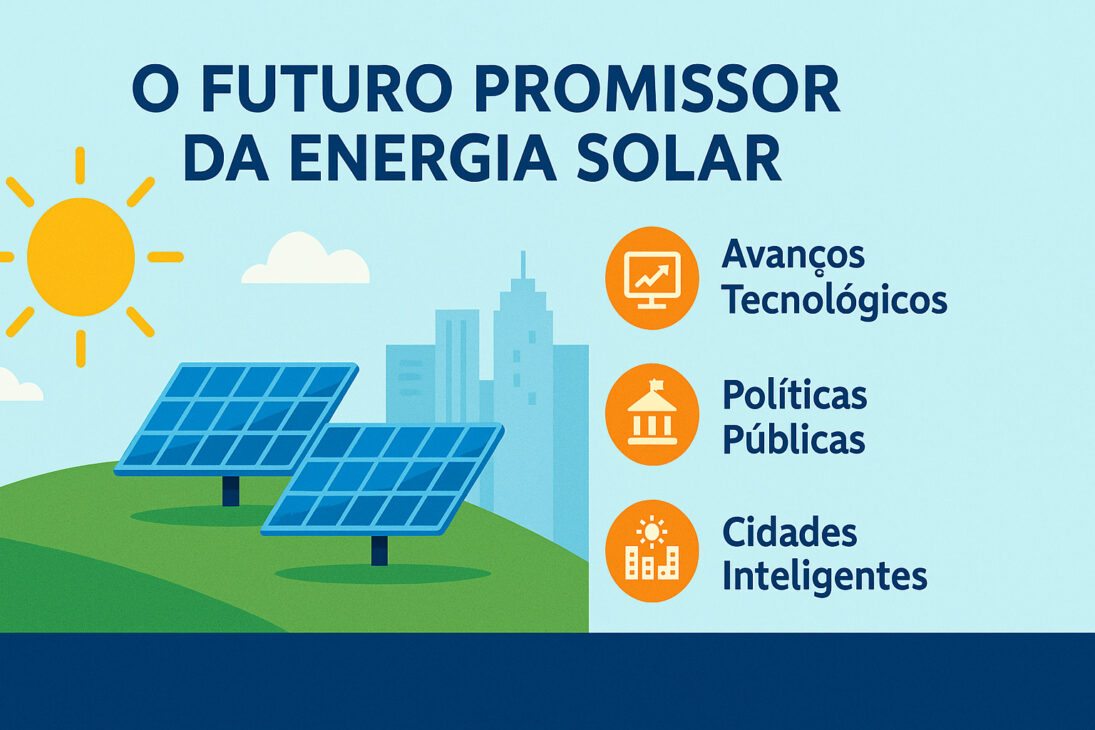
The future of solar energy in Brazil and around the world is promising.
Technological advancements are expected to make systems even more efficient, durable, and accessible.
Public policies are keeping pace with this progress, encouraging the use of renewable sources through financing, tax exemptions, and ambitious targets.
The National Energy Plan 2050, released in 2023 by the Ministry of Mines and Energy, predicts that solar energy will represent more than 30% of the Brazilian electricity matrix by 2050.
The energy transition, therefore, ceases to be a distant goal to become an urgent need in the face of the global climate crisis.
Furthermore, the concept of smart cities includes the incorporation of solar energy to reduce costs and emissions.
Major urban centers are investing in solar projects for public buildings, street lighting, and transportation, according to ANEEL.
Thus, understanding the importance of solar panels and proper installation is fundamental.
This solution combines economy, sustainability, and energy autonomy.
By choosing solar energy, each citizen not only reduces their costs but also helps to build a cleaner and more balanced future for the coming generations.
After all, the sun rises for everyone — and it is increasingly accessible to transform this light into energy for the present and the future.








Seja o primeiro a reagir!