





 Portuguese
  English
  Spanish
  3 min of reading
  0 comments


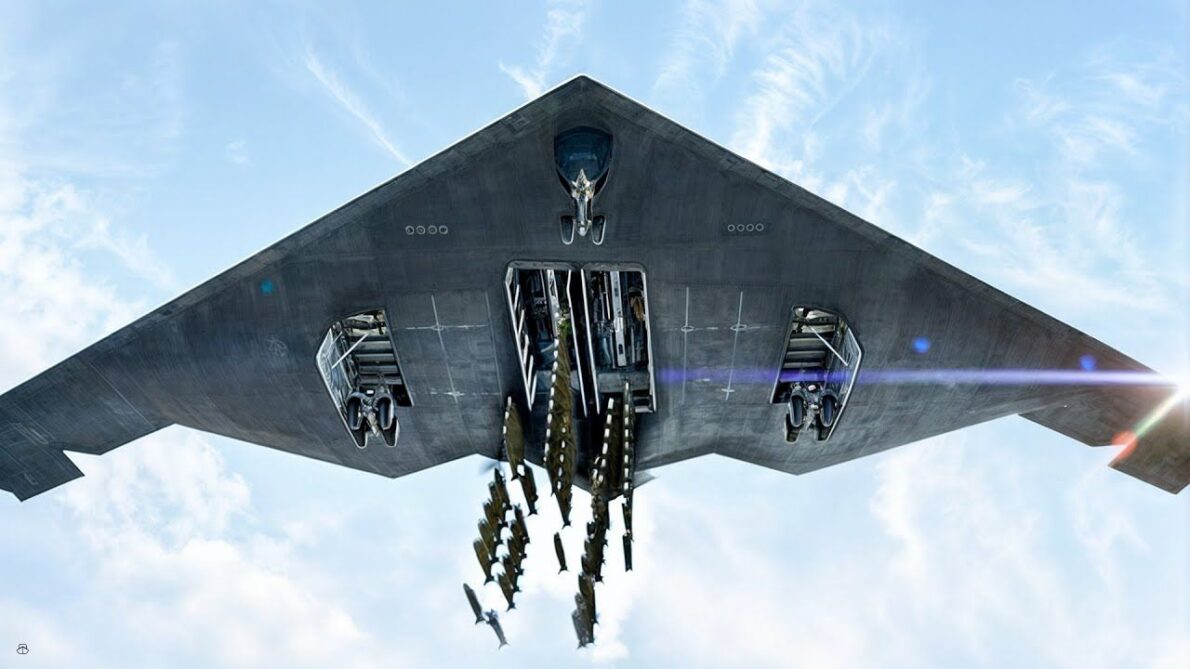
Strategic Bombers Are Powerful Military Aircraft That Can Reach Targets At Great Distances, Carry Out Precise Attacks, And Primarily Maintain An Effective Nuclear Deterrent. But Why Do Some Countries Continue To Invest So Much In These Aircraft?
One of the main reasons is the power projection capability. Strategic bombers can reach any part of the world, allowing countries like the United States, Russia, and China to influence global events and demonstrate their military might without needing local bases.
Bombers are critical components of the Nuclear Triad, which includes intercontinental ballistic missiles, submarine-launched missiles, and strategic bombers. This triad ensures that a country can retaliate in the event of a devastating nuclear attack, serving as a powerful deterrent tool.
Beyond Nuclear Capability, Bombers Are Extremely Versatile
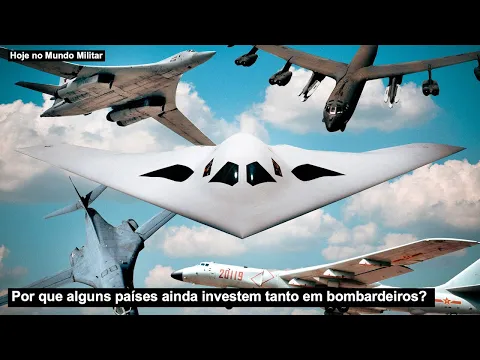

They can be used for conventional bombing, close air support, air interdiction, and intelligence, surveillance, and reconnaissance missions. This flexibility allows military forces to adjust their tactics as needed.
-
São Paulo surprises the world with a colossal railway network project that promises over 1,000 km of tracks, R$ 194 billion in investments, and 40 projects connecting the capital to the interior with fast and sustainable trains.
-
The world’s largest escalator, measuring 905 meters in China, reduces urban travel time from 1 hour to about 20 minutes and transforms mobility in mountainous regions with an engineering solution adapted to the terrain.

-
A R$ 300 million logistics giant is taking shape in Serra with over 100,000 m² and raises a question: how can this transform e-commerce and distribution in the state?

-
Could Uber Rides Lose Minimum Fare? Understand What’s Happening!


The United States has a long tradition in the development of strategic bombers, from World War II with the B-29 to the present day with the B-2 Spirit. The U.S. operates a diverse fleet of bombers, each with its own specific capabilities and purposes. Examples include the B-52 Stratofortress, the B-1B Lancer, and the stealthy B-2 Spirit. The next generation, the B-21 Raider, is in the final stages of development.
Russia, And Previously The Soviet Union, Also See Bombers As Essential To Compete With The United States And Maintain Their Global Influence
Key Russian bombers include the Tu-95 Bear, the Tu-160 Blackjack, and the future PAK DA, a stealth bomber in development.
China has significantly increased its military investment over the past decades. Regional and global power projection, along with nuclear deterrence, are major priorities for Beijing. Key Chinese bombers include the H-6, based on the Soviet Tu-16, and the H-20, a stealth bomber in development similar to the B-2 Spirit.
The Cost Is One Of The Main Reasons
Developing, building, and maintaining these aircraft is extremely expensive, something that only very strong economies can sustain. Additionally, strategic needs vary. Countries more focused on territorial defense prefer to invest in fighters and air defense systems. Many nations also rely on military alliances, such as NATO, and trust allies’ bombers, like those of the United States. Other countries choose to invest in emerging technologies like drones, artificial intelligence, and cyber warfare, which may provide better cost-effectiveness.
Although the United States, Russia, and China have different approaches and economic capabilities, all share the goal of projecting power over long distances and enhancing their nuclear deterrent capabilities. In an increasingly unstable world, these bombers remain a crucial piece of the defense strategy for these great powers.









Seja o primeiro a reagir!