





 English
  Francês
  Alemão
  Italiano
  Japonês
  Norueguês
  Portuguese
  Spanish
  4 min of reading


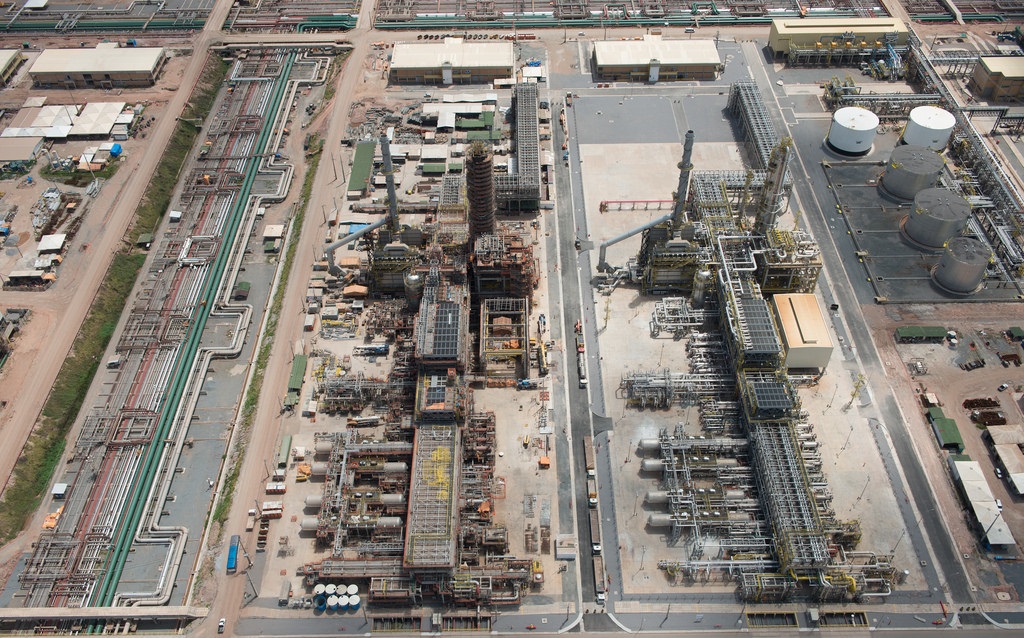
Marcelo Gauto, Industrial Chemist and Specialist in Oil, Gas, and Energy, Offers Some Thoughts on the Privatization of Petrobras Refineries, Which Currently Holds 98.2% of the Refining Monopoly in Brazil
The sale of Petrobras refineries has been a frequent topic in the news for over a year. Back during Pedro Parente’s management, the state company announced its intention to sell four of its thirteen refineries. I have already written about this at that time in the article “Sale of Petrobras Refineries: Good or Bad Decision for the Country.” In that article, I defended the disadvantages that the sale of refineries would represent for Petrobras and for the country. But what about the advantages? Here is the opportunity to present them.
The legal monopoly on petroleum refining activities in Brazil was broken by Law 9.478/97, but just over 21 years after the market was opened, Petrobras still holds a real monopoly on refining capacity in the country.
Almost all the logistical infrastructure associated with refining also belongs to the state company. This brings some advantages to the company, but also some associated risks: the obligation to maintain and expand its refineries, the risk of government interference in the prices charged by the state company, and dissatisfaction among market agents (consumers, private refiners, importers, among others) due to the large market concentration and influence over the derivative prices that the state company possesses.
-
Government unlocks R$ 554 million for a highway that has been requested for decades and accelerates the duplication of BR.

-
Without bricks, without cement, and without endless construction: the cardboard house that is assembled in modules and can be moved.

-
Billions of barrels on the equatorial margin could lead Amapá to double its oil production in Brazil — the state aims to enter the route of companies in the Campos Basin, attract investments, and boost jobs and businesses in the oil and gas sector.
-
Without bricks, without cement, and without endless construction: the cardboard house that is assembled in modules and can be moved.

Society always looks at a monopolist with suspicion, even more so in an open market. Therefore, selling some refineries would bring Petrobras some benefits, which include:
- Reduce the Need for Investments in the Refining Park.
The majority of Petrobras’ refining units are over 30 years old and require constant investments to remain technologically competitive. Additionally, the requirements for producing cleaner fuels, such as S10 diesel and S50 gasoline, require an expansion of the hydrotreatment units (HDTs), which are currently insufficient to meet the growing demand for these fuels. By selling part of its refineries, the company would proportionally reduce the necessary investment input in this segment, while also being able to apply the sale money in more profitable E&P projects or even in the other refineries, without needing to increase its indebtedness.
- Avoid the Risk of Interference Over Fuel Prices
As Petrobras is a de facto monopolist, with 98.2% of refining capacity, and having the Federal Government as the company’s controller, there is always a significant risk of interference in the pricing policy of the company, as occurred during the Dilma Government from 2010 to 2014, quite evidently. During that period, the state company suffered an estimated loss of 40 billion dollars due to fuel subsidies. By reducing its market share, with the entry of other private agents, the chance of political interference in fuel prices that would force the state company to subsidize them would diminish.
- Avoid the CADE Determining the Compulsory Sale of Refineries
The Administrative Council for Economic Defense (CADE) has been investigating the state company for alleged abuse in the fuel market for a few months. Within the company, there is concern that CADE may compulsorily determine the sale of some refineries that the company currently has no interest in divesting, especially in the southeastern region. By voluntarily proposing the sale of some of its refining units, Petrobras would reduce the chance of a sanction from the Economic Defense Authority, allowing it to choose the alternatives it deems more interesting for itself.
- Gains in Efficiency in the Face of Competition
In E&P, Petrobras has already demonstrated that it is a competitive company with know-how and expertise in deepwater oil production, competing equally with international giants in the sector, and is a reference in the area. Certainly, yes, but with the entry of new agents in refining, the state company would test its efficiency against competitors, seeking to align or surpass the other players present. This issue, however, could occur without the need for the sale of the state refineries, as there is room for the construction of new private refineries in the country given the existing deficit in derivatives. Selling some refineries would only accelerate the process.
Additionally, it is possible to foresee that, with more agents participating in the market, there will likely be greater attraction of private investments in the sector from the sale of the refineries. Historically, it is noted that market deconcentration facilitates investments. The expansion of the refining park is imperative, as we imported about 600 thousand barrels per day of derivatives in 2017. This seems inconceivable for a country that exports oil, whose oil production increases every year. This “hydrocarbon journey” increases environmental risks, fails to generate jobs here, and costs the country dearly. The sale of the state refineries may not be the best economic option for Petrobras or for the country, but there is no doubt that it will pave the way to attract greater investments in the sector using private capital.
Authored Text by Marcelo Gauto









Seja o primeiro a reagir!