





 Portuguese
  English
  Spanish
  4 min of reading
  0 comments


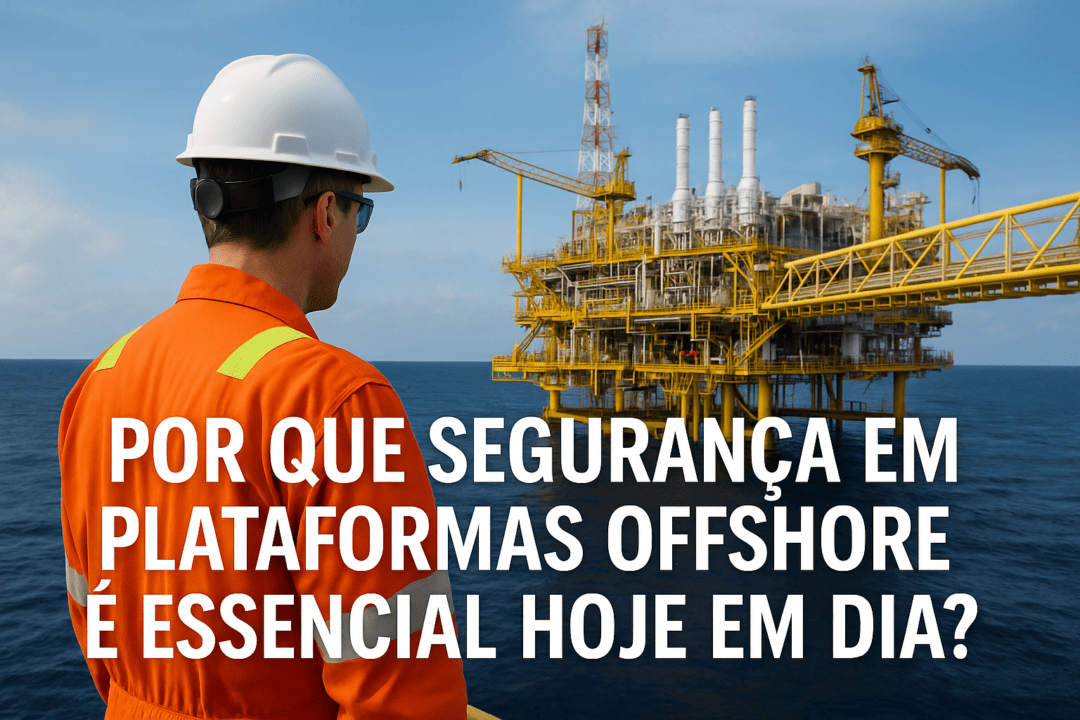
Strict Prevention Measures Ensure Human, Environmental, and Operational Integrity in Challenging and Isolated Environments
Offshore Platform Safety is a fundamental theme for the oil and gas industry. These structures operate offshore, often in isolated locations and under extreme conditions. Ensuring the protection of workers, the environment, and the production itself requires rigorous protocols and modern technologies.
Next, understand why offshore platform safety is so important, how it is applied, and what the main challenges faced today are.
What Are Offshore Platforms?
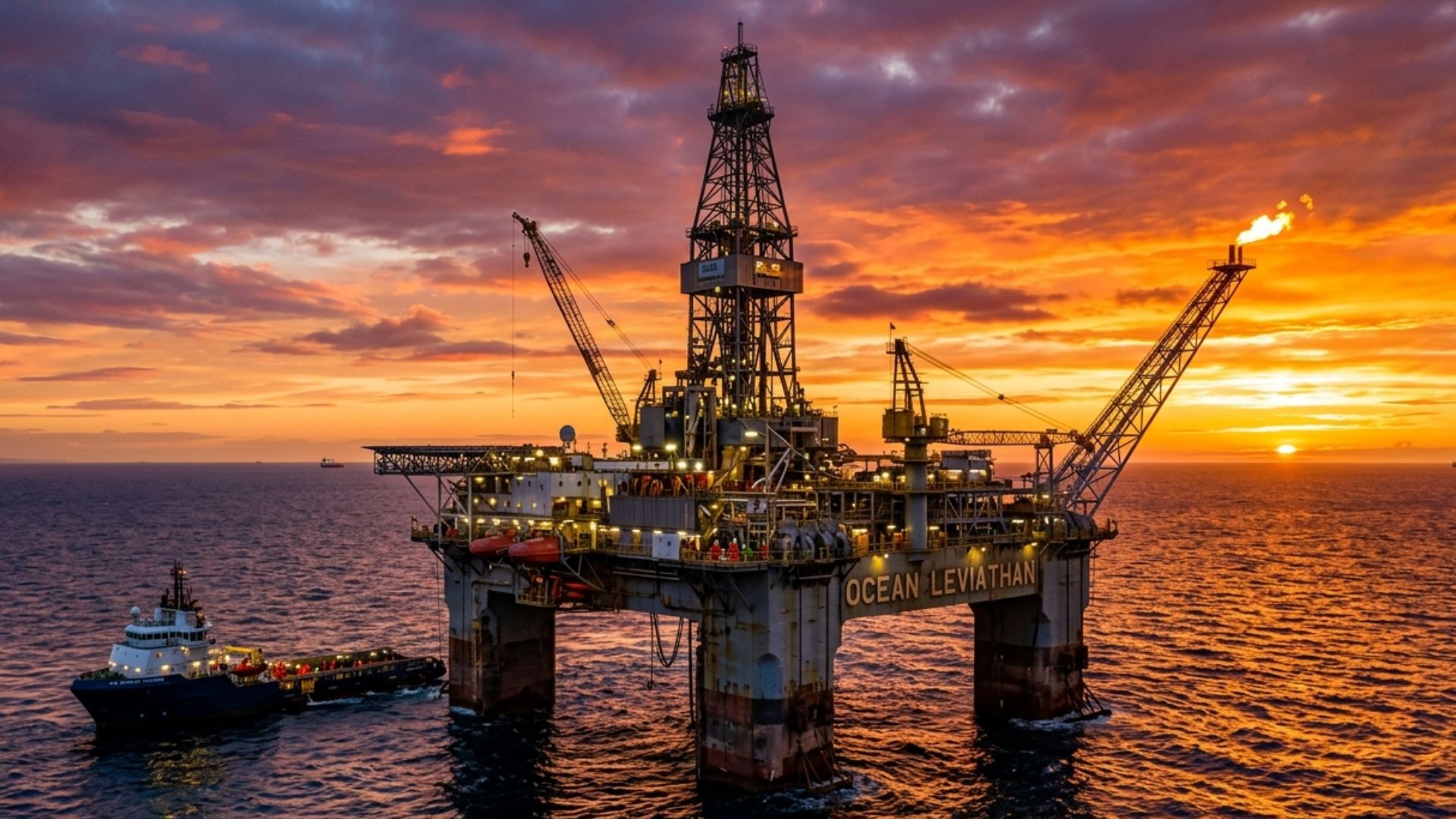
Offshore platforms are structures installed at sea to explore and extract oil and natural gas from the ocean floor. There are several types, such as:
-
Petrobras implements a severe adjustment and confirms a 55% increase in the price of aviation kerosene with a proposal for installment payments for the companies.

-
The rise in oil prices could ensure an extra revenue of R$ 100 billion for the Federal Government, indicates a recent economic study.

-
Naturgy begins an investment of R$ 1.6 million to expand the gas network in Niterói and benefit thousands of new residences and businesses.

-
A major turn in the Justice system suspends tax increases and directly impacts oil and gas companies in Brazil by affecting costs, contracts, and financial planning, leaving uncertain what could happen to the sector if these costs had increased.

- Fixed, anchored to the seabed;
- Floating, which remain stable with positioning systems;
- Semi-submersible, widely used in deep waters;
- FPSOs, ships adapted to store and process oil.
These structures house dozens or even hundreds of workers, in addition to complex systems for drilling, production, energy, and communication. Therefore, offshore platform safety is a priority from construction to daily operation.
Risks Involved in Offshore Platforms
The offshore environment is hostile. Offshore platform safety must deal with many risks, such as:
- Explosions and fires due to gas or oil leaks;
- Storms, giant waves, and strong winds;
- Falls from heights during maintenance activities;
- Collisions with ships or drifting objects;
- Accidents with helicopters during personnel transport;
- Structural failures due to corrosion or impact.
Moreover, the geographic isolation makes rescue difficult in emergencies. Therefore, each failure can have serious consequences.
Accident History Reinforces the Importance of Safety
Over the decades, tragedies on platforms have taught important lessons. Among the most well-known cases:
- Piper Alpha (1988): explosion on the platform in the North Sea killed 167 people;
- Deepwater Horizon (2010): accident in the Gulf of Mexico caused 11 deaths and the largest spill in U.S. history;
- Enchova (1984): in Brazil, an explosion in the Campos Basin killed 42 workers.
These events reinforced the need for stricter regulations and modern offshore platform safety systems.
Mandatory Standards and Regulations
Offshore platform safety is regulated by international and national agencies. Some examples:
- IMO (International Maritime Organization): defines maritime safety rules;
- API (American Petroleum Institute): publishes technical standards followed worldwide;
- IBAMA and ANP (in Brazil): oversee environmental and operational impacts.
These standards require mandatory training, emergency plans, gas detection systems, evacuation routes, periodic inspections, and much more. Companies that do not comply with the rules may be fined or even banned from operating.
Essential Safety Equipment
To ensure offshore platform safety, various equipment is used. The main ones are:
- Gas and smoke sensors to detect leaks;
- Fire extinguishers and automatic fire suppression systems;
- Life rafts and vests easily accessible;
- Pressurized emergency cabins (in case of an explosion);
- Surveillance cameras in all critical areas;
- Drones and ROVs (remotely operated vehicles) for inspections.
Additionally, all workers must wear PPE such as helmets, boots, gloves, goggles, and special clothing.
Team Training and Qualification
Offshore platform safety heavily relies on people. Therefore, training is mandatory and ongoing. Among the required courses are:
- Basic Safety Training for Platforms (CBSP);
- Firefighting Training;
- Platform Evacuation Simulations;
- Rescue and First Aid.
Recertification of this training must occur every two years. This ensures that everyone knows how to act in case of an emergency.
Technology and Innovation Help in Prevention
Technological evolution is an ally of offshore platform safety. Some highlighted innovations include:
- Real-time monitoring with sensors and artificial intelligence software;
- Inspections with drones that avoid human exposure in dangerous locations;
- Virtual reality simulators to train risk scenarios;
- Automatic shutdown systems in case of detected anomalies;
- Use of underwater robots to inspect structures without human diving.
These tools increase accuracy in analyses and reduce the risk of human error.
Sustainability and Environmental Protection
Offshore platform safety also includes care for the environment. Oil spills and other accidents can cause irreversible damage to marine fauna and flora.
Therefore, each platform includes:
- Oil containment barriers;
- Sea water monitoring systems;
- Quick response plans for environmental accidents;
- Control of solid and liquid waste.
Moreover, companies must report any environmental incidents and take immediate corrective measures.
Integrated Risk Management
Offshore platform safety involves constant management. This includes:
- Risk analysis before each operation;
- Internal and external audits;
- Daily inspection checklists;
- Non-compliance reports and corrective actions;
- Direct communication between operators, engineers, and supervisors.
With this integrated system, it is possible to prevent failures before they cause accidents.
Weather, Sea, and Natural Factors
Another important point is weather monitoring. Storms, strong winds, and changes in tides affect the stability and safety of offshore platforms.
Many platforms have their own weather stations, which provide early warnings of dangerous changes. In case of extreme risk, operations may be suspended and the team evacuated.
The Importance of a Safety Culture
More than equipment and regulations, offshore platform safety depends on a solid culture among all workers. This means:
- Respecting procedures, even in the simplest routines;
- Reporting any anomalies without fear of punishment;
- Caring for colleagues and their own integrity;
- Participating in meetings and training attentively.
When everyone understands the importance of safety, the work environment becomes more secure.
Future Challenges
Despite advancements, offshore platform safety faces constant challenges:
- Adapting to new technologies without neglecting old procedures;
- Increasing production in increasingly remote areas;
- Need for constant qualification of the workforce;
- Integration of real-time data in locations with limited connectivity.
These challenges require innovation, investment, and ongoing commitment from companies.
Offshore platform safety is essential to protect lives, the environment, and the operation of the oil industry. It is not just about meeting rules, but about maintaining a daily culture of prevention and care.
As technology advances, safety tools are becoming more precise. However, vigilance and human commitment remain indispensable.









Seja o primeiro a reagir!