





 Portuguese
  English
  Spanish
  3 min of reading
  3 comments





While Brazilians face high costs, bureaucratic requirements, and months of waiting to obtain the National Driver’s License (CNH), in the United States the process is straightforward, costs up to 95% less, and can be completed in a single day. The disparity evidences opposite models of trust in the citizen and state regulation.
The average cost to obtain a driver’s license in Brazil is R$ 2,711.91 for category B, which can exceed R$ 4,500 in cases of multiple categories or extra lessons. In California, for example, the cost is only US$ 45 (around R$ 250) and the citizen takes both the theoretical and practical exams on the same day. In states like Texas and Arizona, the cost can be even lower, reaching US$ 25 (R$ 138).
In addition to the price, the time required to complete the process is significantly different. A Brazilian earning a minimum wage needs to work 54 days to pay for the CNH, while a Californian only spends 2h44min. The American system is based on the logic that the citizen can prepare on their own, being required only to prove their ability in the test.
Requirements, Steps, and Costs That Hinder Access to Mobility in Brazil
In Brazil, the path to obtaining a license involves mandatory theoretical classes (45 hours), practical classes (20 hours), medical exams, fees, and car rentals. Even distance theoretical classes require specific accreditation from driving schools. In case of failure or missed deadlines, the process must be restarted.
-
The Argentine government celebrates the lowest poverty rate in 7 years, but experts warn that the methodology has changed, real wages have fallen, unemployment has risen, and the number of people on the streets of Buenos Aires has increased by 57% since Milei took office.

-
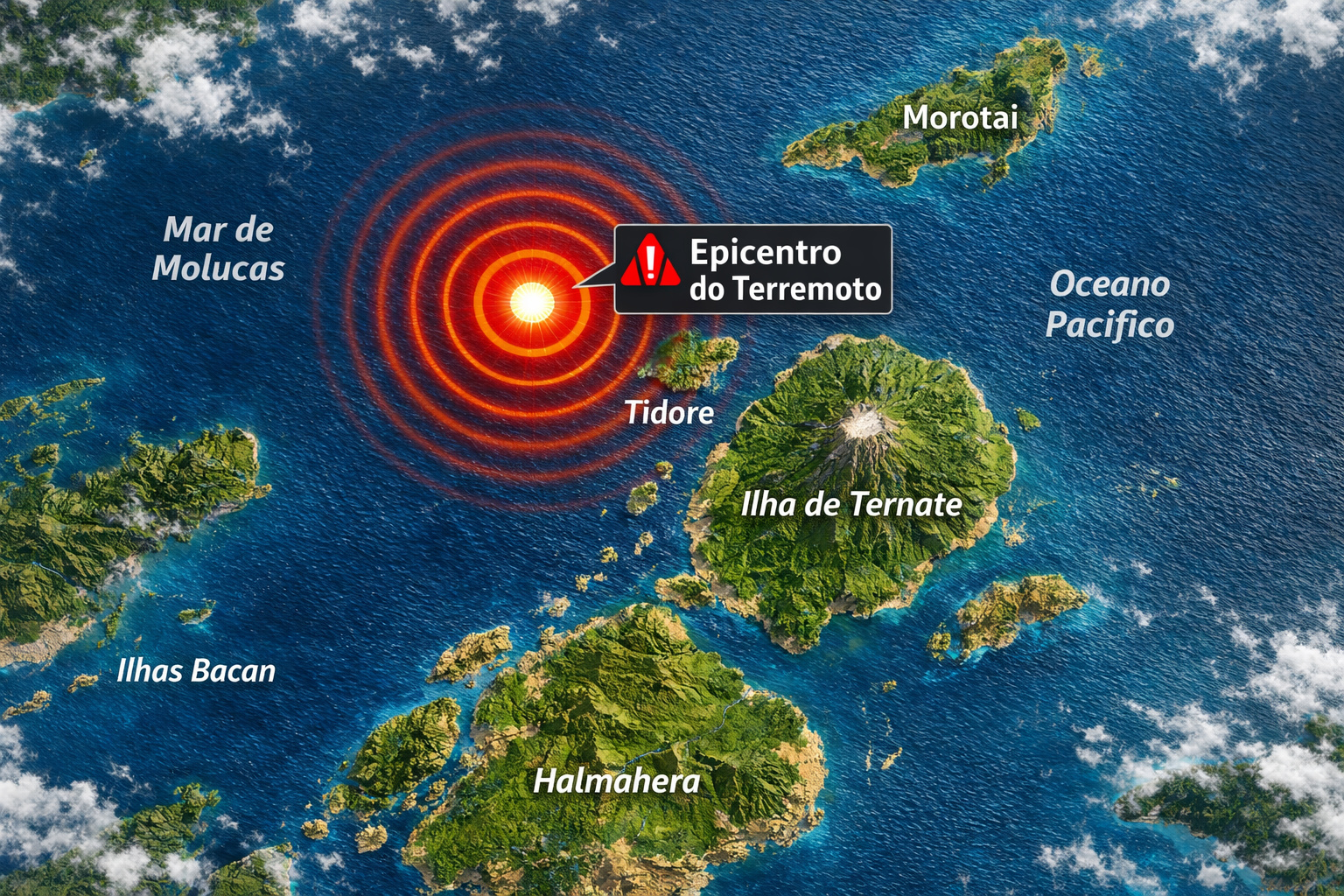
7.8 magnitude earthquake in Indonesia frightens the population, triggers tsunami alert, and hits an island with over 200,000 inhabitants this Thursday.
-
Google will finally let you change that embarrassing Gmail address you created in your teenage years without losing any accounts, logins, or old emails: the feature is already available in the United States.

-
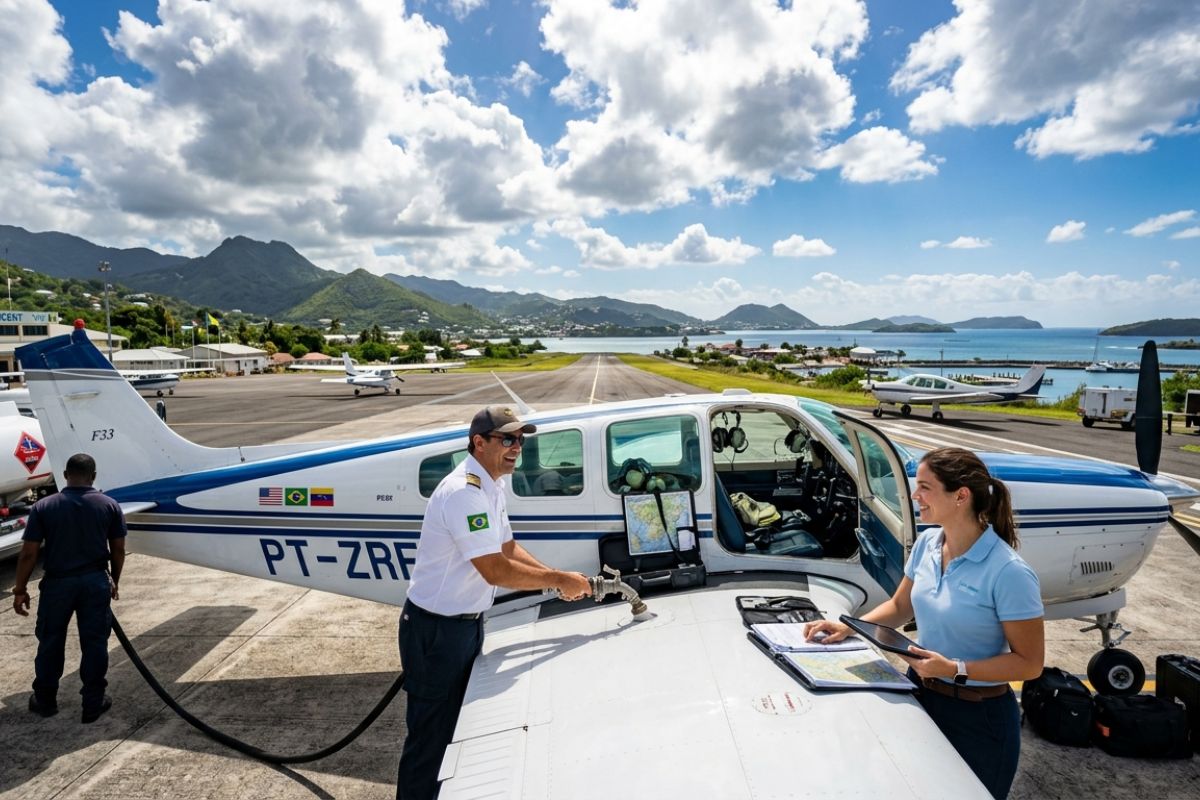
Heading to Brazil in a Bonanza F33 single-engine aircraft: a couple departs from Florida on a visual flight, makes technical stops in the Caribbean to refuel and organize paperwork, and begins the staged crossing until they reach the country.

These requirements, according to specialists, were created to compensate for the lack of traffic education and inadequate infrastructure. However, the model has ended up generating an industry around the CNH, with more than 14,000 driving schools and 200,000 direct and indirect jobs involved, according to data from Feneauto.
Studies indicate that most of the cost of the CNH is in practical classes. Only 20 hours can cost R$ 1,694.60, with an average value of R$ 84.73 per hour. A large part of this is attributed to the maintenance and rental costs of the vehicles used.


Alternative Model Could Reduce CNH Cost by Up to 95%
If Brazil adopted a more flexible model, like the American one, allowing candidates to study on their own and only take the tests, the CNH cost could drop to R$ 146.74 — less than 6% of the current cost. With medical and psychological exams, this value would amount to R$ 343.44.
Even with this alternative, Brazil would still have a higher proportional workload compared to California: 21 hours versus less than 3. Still, the model would allow greater inclusion of low-income individuals and expanded urban mobility.
According to a report from the “Elementar” channel, current bureaucratic barriers limit not only access to the right to drive but also directly impact the ability to work and generate income, especially in areas that require transportation or delivery.
And you, how much did you pay to obtain your CNH in your city? And how long did it take until you had it in hand?









A habilitação náutica segue o mesmo caminho. Inclusive, se vc já era habilitado, na recente mudança das regras vc deve ser reciclado e novamente testado, mesmo que tenha mais de 20 anos de habilitação e prática no mar. Nos USA, para “dirigir” barcos de esporte e lazer de qualquer tamanho, na maioria dos estados, só se exige a habilitação para automóveis. Brasil, o país da burocracia e dos cartórios.
Sou instrutor de CFC no Paraná e é só deixar os instrutores trabalharem direto para o Detran(sem a auto escola no meio), como se fosse como um Uber(agendamento por aplicativo) que a carteira sai pelo menos pela metade e o instrutor recebe daí seu salário em dia e ganhando muito mais.
Esqueceram de comentar que, além da indústria construída ao redor da obtenção da CNH, há também o famoso “quebra”. Como de costume, por aqui se cria dificuldades para vender facilidades por baixo do pano.