





 Portuguese
  English
  Spanish
  6 min of reading
  0 comments


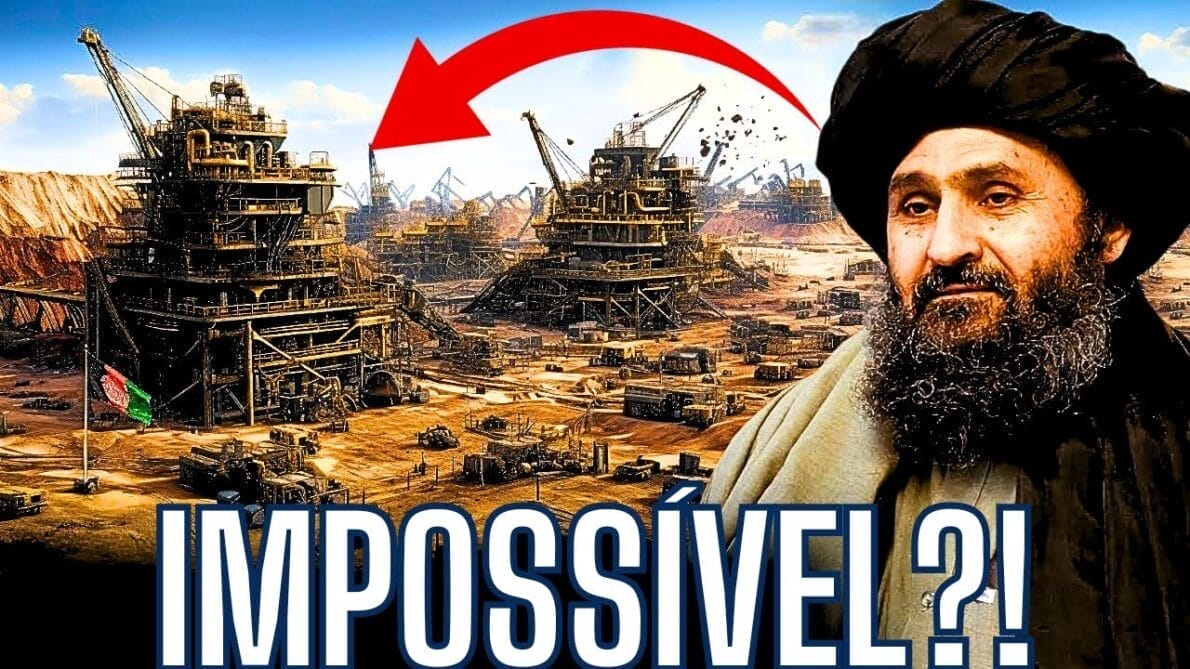
Oil Exploration in Afghanistan Raises Global Concerns, with Environmental, Political, and Security Implications, as the Search for Energy Resources Continues to Generate International Tensions.
Despite its mineral wealth estimated at over US$ 1 trillion, Afghanistan still suffers from political instability and violence. But there is a new glimmer on the horizon: a colossal investment of US$ 12 billion from China. In a 25-year project focused on copper mining and oil exploration, the world awaits to see if this can finally bring peace and prosperity to a nation that has suffered so much.
The US$ 12 billion oil project in Afghanistan is alarming the world for several reasons beyond the simple extraction of natural resources. Firstly, the ongoing political instability and violence in the country raise serious concerns about the feasibility and security of such a large-scale venture. The risk of terrorist attacks and the lack of a strong and stable central government make the operation extremely vulnerable to disruptions. Check the content and details of the project!
Key Points of the Oil Megaproject
- China’s investment in Afghanistan could help develop the country.
- The Copper and Náctar Mining Project will last for 25 years.
- Security and terrorism are significant challenges for workers.
- The investment could create jobs and attract more international investments.
- If successful, the project could improve infrastructure and living conditions for the population.

Afghanistan: A Comprehensive View of the ‘Islamic Emirate’ and Its Oil Abundance
The Afghanistan, also known as the Islamic Emirate of Afghanistan, is a landlocked nation located at the crossroads of Central Asia and South Asia. This region, often referred to as the Heart of Asia, is bordered by several countries:
-
Offshore industrial demand in Macaé skyrockets with the recovery of oil and gas and could grow by up to 396% by 2026 in the Campos Basin.
-
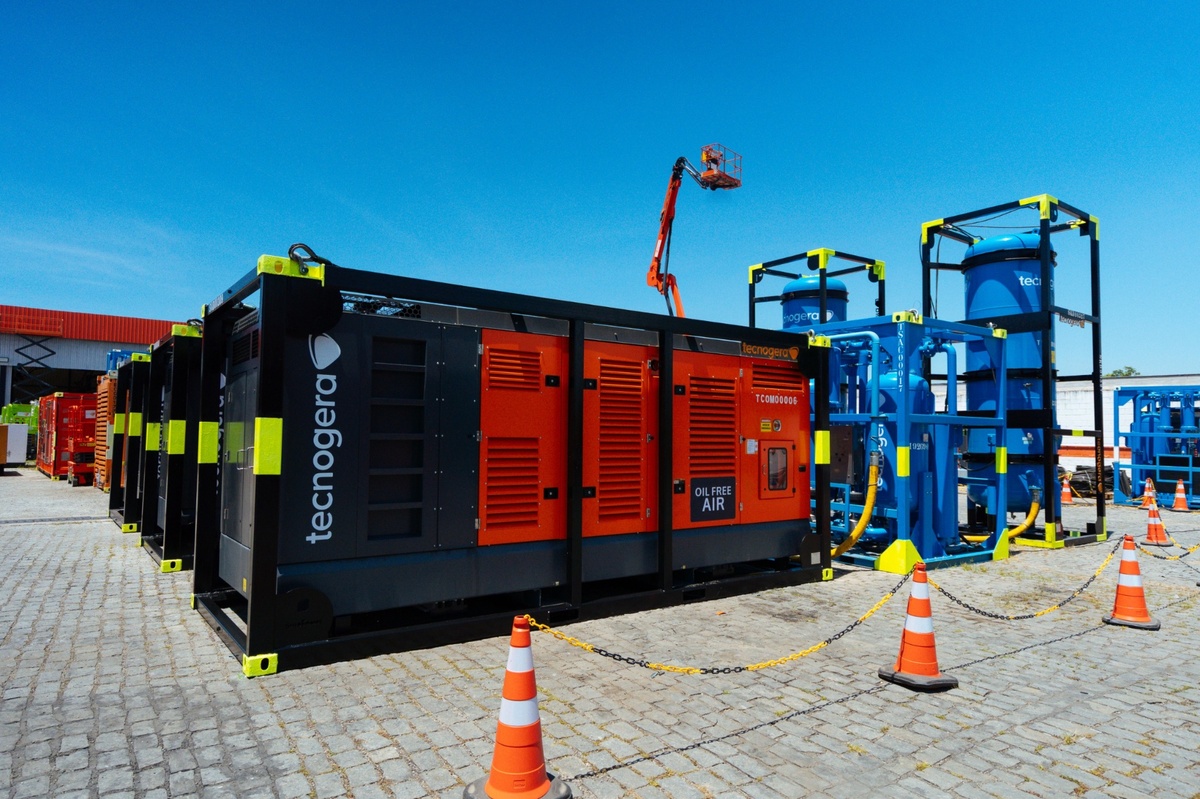
Offshore industrial demand in Macaé surges with the recovery of oil and gas and could grow by up to 396% by 2026 in the Campos Basin.
-
Historic bankruptcy of Centauro shocks the market, and the century-old company puts more than 500,000 products, machines, and complete infrastructure up for online auction.

-
Brazilian giant expands borders in the Southeast: Petrobras confirms new oil discovery in ultra-deep waters in the pre-salt of the Campos Basin.


- China to the east and northeast
- Pakistan to the northeast and east
- Iran to the west
- Turkmenistan to the northwest
- Uzbekistan to the north
- Tajikistan also to the north
- Pakistan to the east and south
Geography and Population
The country is primarily mountainous, with an area of 652,864 km². There are lowlands in the north and southeast, divided by the Hindu Kush mountain range. The capital and largest city of the country is Kabul. In 2021, the population of Afghanistan was 40.2 million people, although government estimates put this number at 32.9 million.
Afghanistan has been inhabited since the Middle Paleolithic period. Due to its advantageous location along the historic Silk Road, it has been charmingly referred to as the Roundabout of the Ancient World. The region, often called the Cemetery of Empires, has been the site of numerous military operations, including those by:
- Persians;
- Alexander the Great;
- Maurya Empire;
- Arab Muslims;
- Mongols;
- British;
- Soviet Union;
- U.S.-led Coalition.
Does Afghanistan’s Economy Revolve Around Oil?
Afghanistan’s nominal GDP in 2020 was US$ 20.1 billion, or US$ 81 billion in purchasing power parity (PPP). Its nominal GDP per capita is US$ 611, and the PPP per capita GDP is US$ 2,459. Despite possessing mineral resources valued at least at US$ 1 trillion, the country still ranks among the least developed nations in the world.
| Sector | Percentage of GDP |
|---|---|
| Services | 55.9% |
| Agriculture | 23% |
| Industry | 21.1% |
Afghanistan primarily exports fruits and nuts and imports goods worth over US$ 7 billion, but only exports items worth US$ 784 million. Its external debt is US$ 2.8 billion.
Current violence and political instability are further hindering development in the country. Afghanistan has struggled to survive, with internal and external factors contributing to instability throughout history. The impact of terrorism has affected not only the citizens but the entire economy as well.
Natural Resources and Strategic Partnership with China
Afghanistan is rich in oil resources, possessing over 1,400 mineral fields housing valuable wealth, including gold, minerals, and natural gas. However, the lack of necessary technology to fully utilize these resources is a significant obstacle.
What will happen if the poorest country in the world receives assistance from a powerful nation like China? For a country like Afghanistan, having China by its side is almost like a hope. In this context, we will discuss the US$ 12 billion investment from China in Afghanistan and consider what the future of the project may hold for both nations.
Mining Projects
The most prominent initiative is the Copper and Náctar Mining Project. This project, which will last for 25 years, is a long-term oil exploration collaboration between the two countries. China is already extracting approximately 80 million barrels of oil from Afghanistan’s reserves. For the first three consecutive years, China will invest US$ 150 million in the project, increasing the committed amount to up to US$ 12 billion.
Benefits and Challenges
With so many nations participating in this program, Afghanistan could see considerable profits from oil trade, gain a substantial customer base that will depend on them, and begin to forge friendly ties with the rest of the world. This effort will boost Afghanistan’s economy and attract a lot of attention to the country.
Infrastructure and Job Creation
China’s participation in each project would lead to the creation of numerous job opportunities in Afghanistan, helping to reduce the high unemployment rate. The damaged infrastructure will be improved, allowing Afghanistan to compete with the rest of the globe.
However, working in Afghanistan involves accepting a high level of risk due to the country’s precarious security. Chinese workers considering working there should conduct a thorough security assessment before making a decision.
Energy and Development
The World Bank estimates that by 2018, 98% of rural residents will have access to electricity, compared to 28% in 2008. The overall percentage is 98.7%. Despite producing 1,400 megawatts of electricity by 2016, Afghanistan still imports most of its electricity through transmission lines from Iran and Central Asian countries.
Due to the abundance of rivers and streams originating from the highlands, hydropower accounts for most of the electricity generation. However, power outages sometimes occur, especially in Kabul, and electricity is not always reliable. Solar, biomass, and wind plants have been built more frequently recently.
The future of Afghanistan depends on strategic alliances and the efficient use of its vast natural resources. The partnership with China could be a significant step toward stability and economic development. However, security and resource management remain critical challenges that need to be addressed to ensure a prosperous future for the country.
China and Its Massive Investments in Afghanistan
In recent years, China has made significant investments in Afghanistan, aiming to exploit the country’s vast natural resources and strengthen its geopolitical influence in the region. One of China’s main investments is mineral exploration.
The China Metallurgical Group Corporation (MCC) signed a US$ 3 billion contract to develop the Aynak copper mine, one of the largest copper reserves in the world. Chinese companies have shown interest in exploring Afghanistan’s abundant lithium reserves, a crucial component for electric car batteries and electronic devices, positioning the country as an important player in the renewable energy supply chain.
Another strategic investment from China is infrastructure development. The Belt and Road Initiative (BRI) aims to improve transportation and logistics networks, including the construction of roads and railways connecting Afghanistan to regional and global markets. These projects not only facilitate trade but also help stabilize the Afghan economy, generating jobs and promoting local development.
China has invested in energy projects in Afghanistan, including the construction of hydropower plants and the exploration of oil and gas. These investments aim not only to meet local energy needs but also to ensure China’s access to vital energy resources.
These efforts reflect the Chinese strategy of consolidating its economic and political presence in Afghanistan, despite security challenges and instability in the region.
We cannot forget the tourism potential linked to this biodiversity. With sustainable development and conservation efforts, this hidden gem of nature could become an ecotourism destination, promoting not only the local economy but also a new environmental perspective for the country. Afghanistan’s future is not solely tied to mineral wealth; its natural wonders are equally promising.








Seja o primeiro a reagir!