






 Portuguese
  Spanish


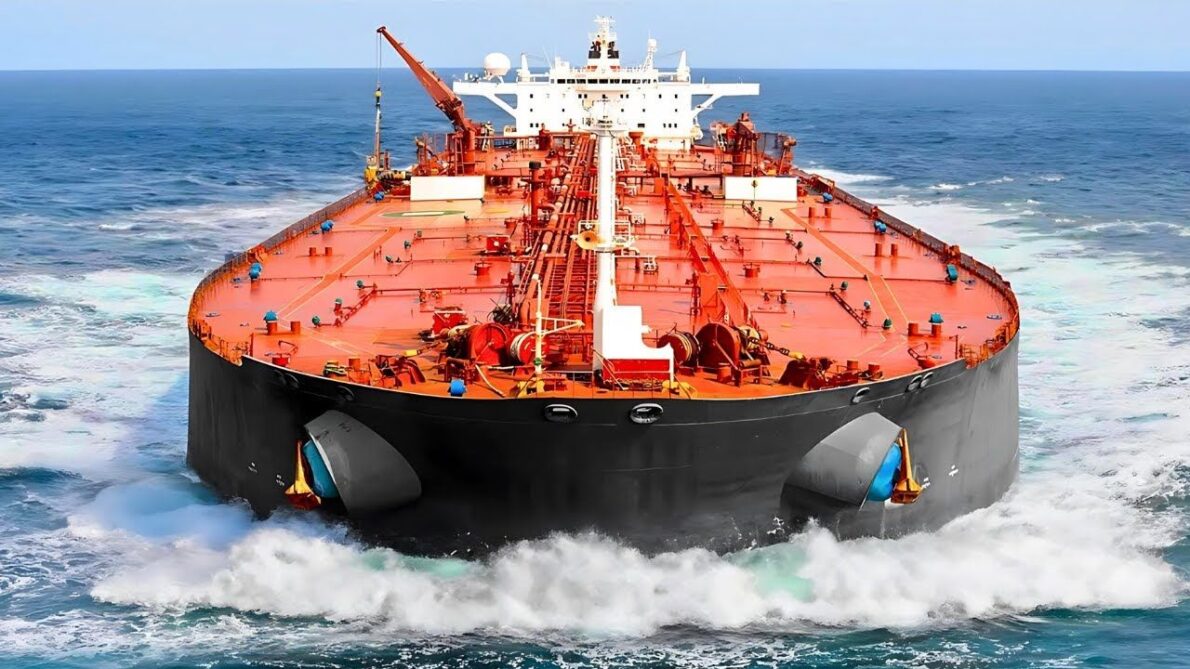

Understand How the Routine Works on the World’s Largest Oil Tankers, from the Rigorous Loading Process to the Safety Measures Taken by the Crew to Transport Millions of Barrels of Oil Efficiently and Safely.
The world’s largest oil tankers are true titans of the seas, responsible for transporting millions of barrels of crude oil from extraction areas to refineries around the globe. With capacities exceeding 320,000 tons, these giants play a crucial role in the global economy, maintaining a constant flow of energy.
Before loading, these ships undergo rigorous inspections and cleanings to ensure that there are no residues from previous cargoes that could contaminate the new oil. Valve and piping equipment are meticulously checked to prevent any leaks. The cargo is then transferred from coastal facilities to the tankers via hoses and loading arms, in a process that involves precise coordination between the ship’s crew and the operators on shore.
The Largest Oil Tankers, Over 320,000 Tons, Use Ballast Water to Maintain Ship Stability
Onboard, the crew’s life is marked by responsibility and constant vigilance. Navigation officers plot safe and efficient routes, considering factors such as weather conditions and maritime traffic. Radar systems and nautical charts help avoid dangers such as reefs and other vessels. Additionally, the crew continuously monitors the state of the cargo, controlling pressure, temperature, and stability.
-
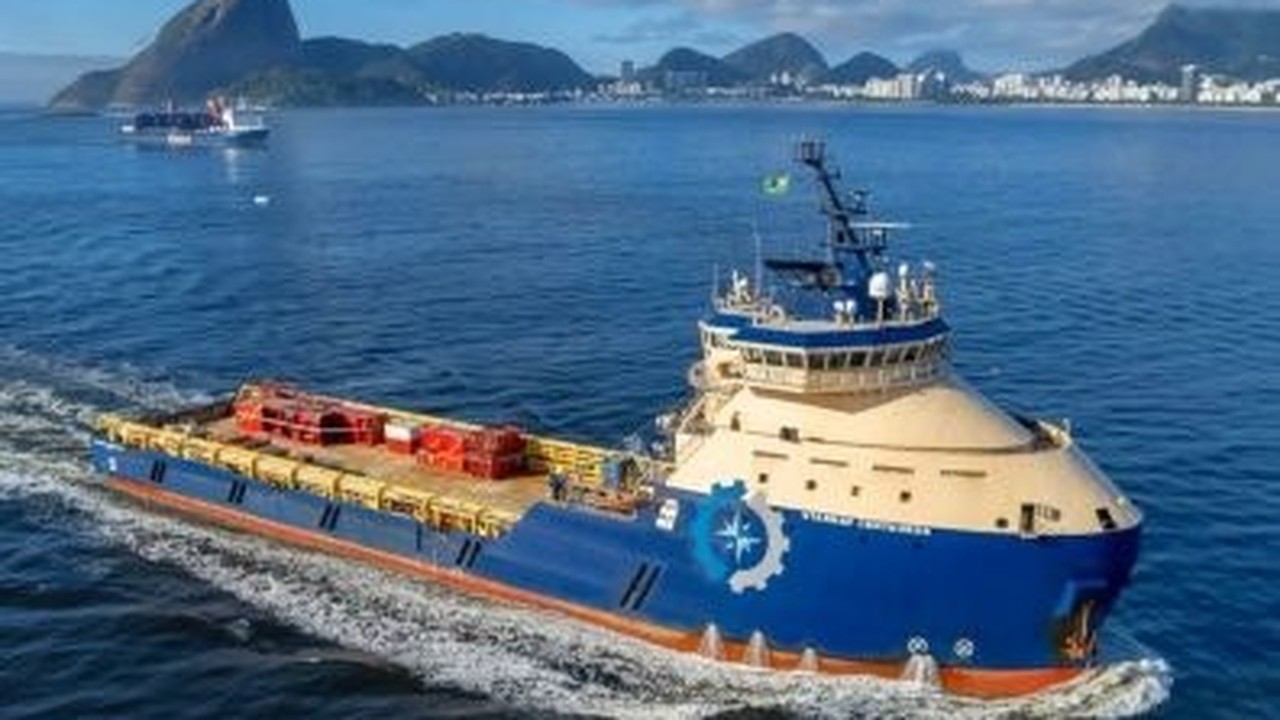
Starnav orders 10 hybrid vessels with German MTU engines in Itajaí and prepares fleet to serve Petrobras in the pre-salt for 12 years.

-
The Chamber releases R$ 10 billion to hold the price of diesel until December and proves that Brazilian fuel remains tied to Congress.
-
It’s official: Petrobras takes 75% of block 3 in São Tomé and Príncipe and debuts as an offshore operator outside South America.
-
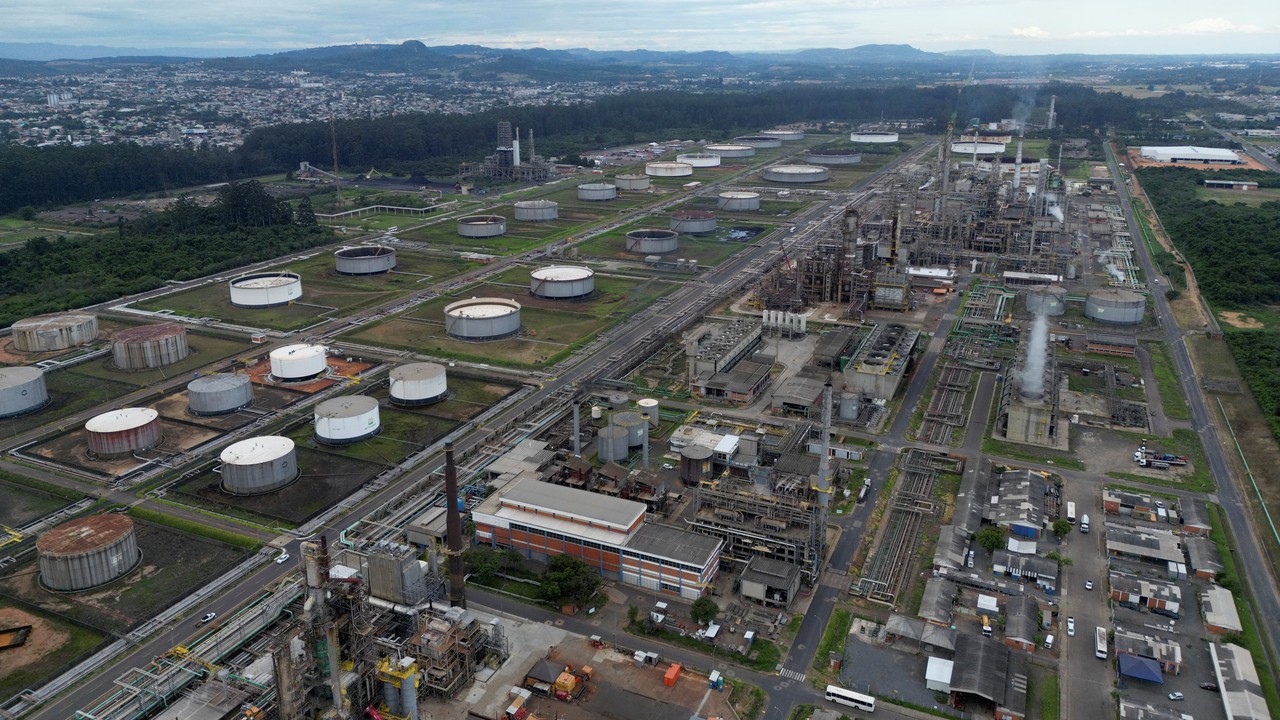
With a record production of nearly 3 million barrels per day, Petrobras resumes importing diesel in July, highlighting the bottleneck in Brazilian refining.


The largest oil tankers, over 320,000 tons, use ballast water to maintain ship stability. This water is carefully pumped into specific tanks without affecting the quality of the cargo. Even on tight routes, the crew must be extremely precise and vigilant to avoid accidents.
During the Voyage, the Crew Meets Daily to Plan Tasks and Coordinate Activities
LNG (Liquefied Natural Gas) carriers represent a recent and important development in the maritime industry. These ships use LNG as their main fuel, significantly reducing pollutant emissions. The construction of an LNG carrier is a complex process that can take several years and requires a significant investment. However, once completed, the ship is ready to transport this vital fuel safely and efficiently.
Onboard, the crew undergoes exhaustive safety training before embarking. They learn to handle emergencies, cargo movement, and LNG loading systems. During the voyage, the crew meets daily to plan tasks and coordinate activities. Upon arrival, the LNG is unloaded following strict safety procedures, ensuring the integrity of the operation.
Largest Oil Tankers in the World Drive the Global Economy
Floating LNG production and discharge terminals, such as the Prelude, are notable examples of advanced technology. These facilities are capable of liquefying and storing natural gas directly at sea, offering flexibility and efficiency in energy transport.
The largest oil tankers in the world not only transport oil, but also drive the global economy. They are essential in the energy supply chain, connecting oil producers with end consumers worldwide. As the maritime industry continues to evolve, the incorporation of cleaner fuels such as LNG promises a more sustainable future for maritime transportation.




É uma pena quê os governantes não valorizam o marítimo pois a cada dia me decepciono
Com os políticos que criam leis para tirar direito de quem faz a Nação progredir todos eles fazem pouco para quem recebe muito
Ou seja trabalham pouco e se aposenta cedo eu sou marítimo ainda assim em meio a tantas decepções eu me orgulho de fazer parte desse
corpo de marítimo pois foi o que escolhi para mim lembrem-se quem narceu pra fazer algo por quem trabalha narceu morto.
Que Deus te abençoe sempre e te der forças para trabalhar e ajudar nosso Brasil tão rico 🙌🏾🤝
Nós construímos até 2014 enormes petroleiros como o JOSÉ DO PATROCÍNIO que quando chega em algum porto estrangeiro movimenta a curiosidade dos locais para fotos e até ida ao porto.
Construímos também o IRMA DULCE e tantos e tantos outros, agora não me lembro o nome de todos.
Para tanto só de empregos diretos a INDÚSTRIA NAVAL BRASILEIRA empregava 90.000 pessoas bem remuneradas pois eram técnicos soldadores, marceneiros, metalúrgicos de várias áreas, engenheiros, eletrecistas.
Até que o sonho acabou em outubro de 2014 com a paralisação imediata de todos os estaleiros por uma ação desmiolada judicial conduzida pelo marreco de maringa, a LAVA JATO, sim a Lava-jato paralisou toda a construção naval no país. E 90.000 pessoas perderam os seus empregos e começamos a entrar numa crise que não acaba.
Além da interrupção da construção naval que com a subida de Temer ao poder em 2016 se decidiu transferir para outros países como a Coréia do Sul nossa encomenda de navios.
Também foram interrompidos o COMPERJ e a refirnaria ABREU LIMA.
Já não tínhamos refinarias suficientes, ai o TÁ Ok, e o **** no Guedes começam a vender as nossas 18 refinarias, a maior de todas a RELAM, foi vendida para o grupo árabe MUBADALA e passou a cobrar o díesel mais caro do país. Vai ver que é por isso que deram até alguns coláres de brilhantes, rolex…