





 Portuguese
  English
  Spanish
  3 min of reading
  0 comments


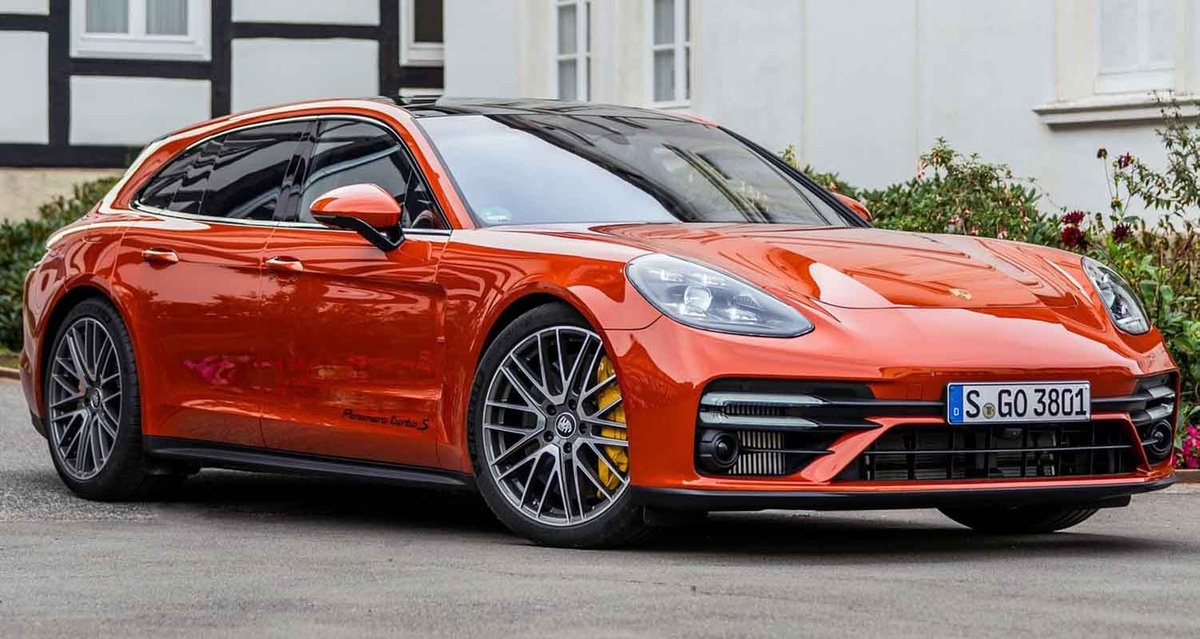
Change in Goals Until 2030 Reveals New Global Positioning
Porsche has decided to revise its electrification plan and, consequently, shifted its focus to hybrid models. The decision was announced on May 22, 2025, during the annual shareholders’ meeting, where CEO Oliver Blume acknowledged that the previous goal of achieving 80% of sales with fully electric models by 2030 was no longer feasible. As the brand highlighted, this change is justified by the slower evolution of electric adoption in key markets and, mainly, by the ongoing preference of consumers for models that combine performance with high autonomy. Over the last few years, Porsche had heavily invested in the electrification of its fleet, highlighting the Taycan as the main exponent of this new phase. However, despite high expectations, the model saw its sales decline in 2024. Among the reasons cited for the drop, the company pointed out the technical update process of the model and the resistance of some consumers to adopt 100% electric vehicles, especially outside Europe.
Cayenne and Panamera Will Remain with Multiple Powertrains
To face this new scenario, Porsche stated that it will continue with plug-in hybrid models, in addition to combustion and fully electric versions. Thus, vehicles such as the Cayenne and Panamera will remain available with various powertrains until at least the end of the decade. This way, the strategy guarantees commercial flexibility, in addition to allowing compliance with regulatory requirements and regional customs, maintaining competitiveness. Furthermore, the automaker ensures sports performance even when adapting to the different realities of consumption and regulation in various markets. According to the company, the plural approach has proven to be the most efficient for dealing with distinct markets such as China and North America. In China, there has been a sharp decline in sales; meanwhile, in the U.S., high import costs hinder the competitiveness of electric models. For this reason, Porsche reinforced its commitment to excellence in engineering while still adhering to sustainability as a central principle.
First 911 Hybrid Has Been Unveiled with Supercar Power
As part of this new positioning, Porsche unveiled on May 28, 2024, the first hybrid model of the traditional 911 line. It is the 911 Carrera GTS T-Hybrid, equipped with a 3.6-liter boxer engine and a mild hybrid system, capable of delivering an impressive 541 hp. The acceleration from 0 to 100 km/h occurs in just 3 seconds, while the top speed reaches 312 km/h. Even with the new powertrain, the model retained fundamental performance and drivability characteristics that have always defined the 911 line. This way, Porsche demonstrated that it is possible to reconcile tradition and innovation, respecting the preferences of its most loyal audience while responding to environmental demands. Furthermore, the choice of a mild hybrid system instead of a heavier electric setup reinforces the pursuit of balance between sports performance and energy efficiency, something increasingly valued by global consumers.
-
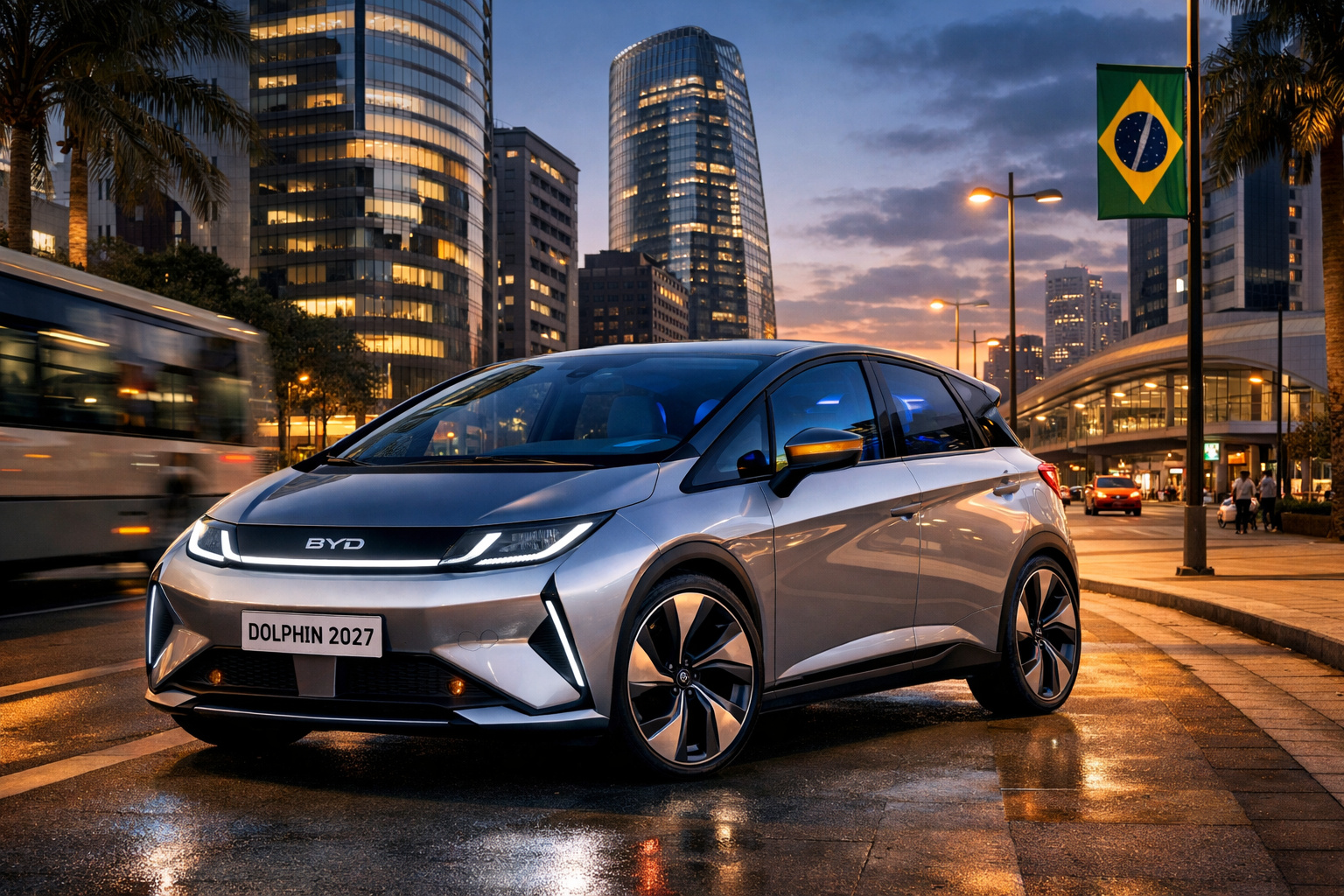
BYD Dolphin 2027 gains more power, increases in size, changes interior, and abandons controversial feature to face new competition in Brazil.
-
The German economist Wolf-Peter Schill has no doubts: “Electric cars are already far superior to cars with internal combustion engines.”

-
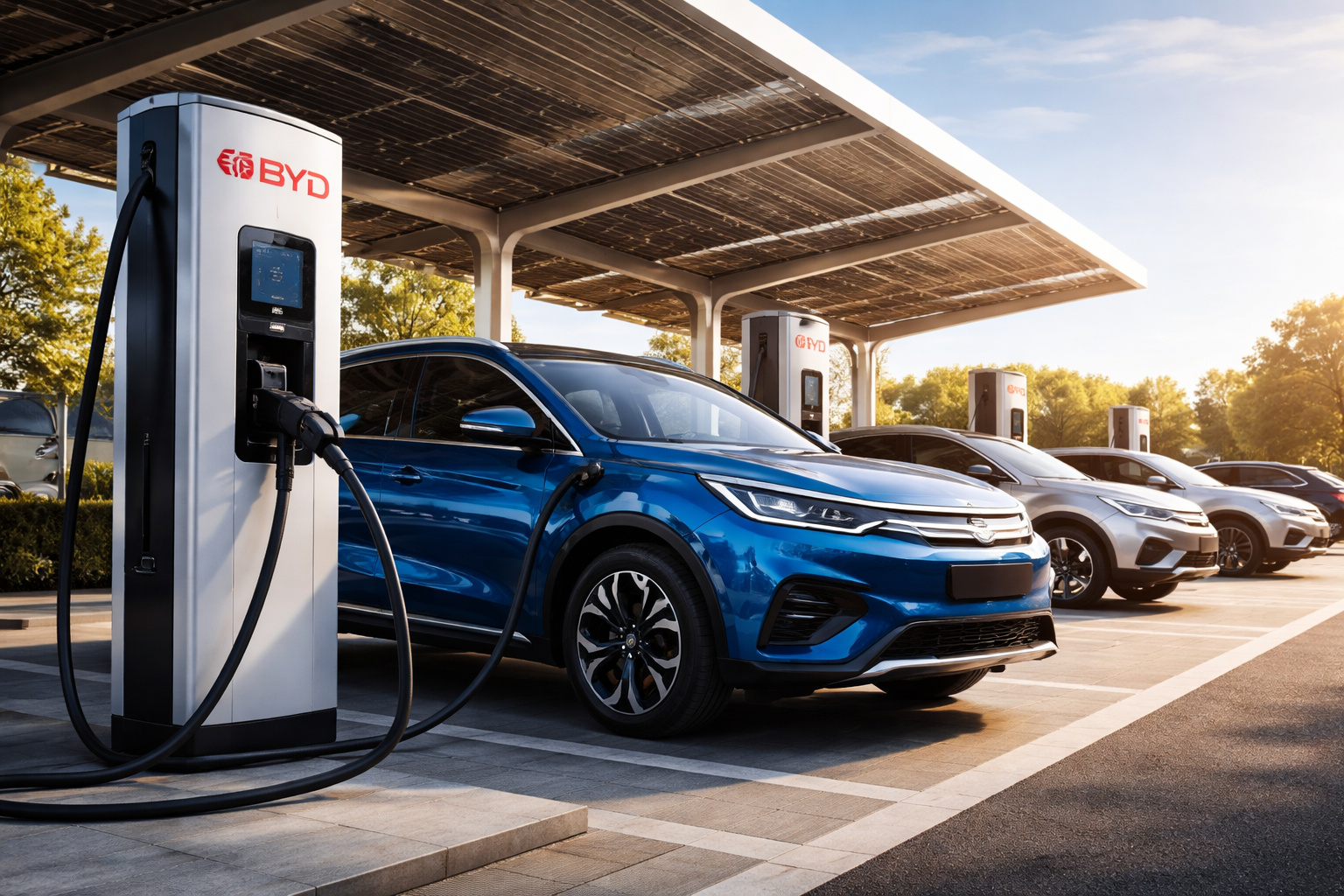
Largest public charging network in Brazil: BYD reaches 125 fast chargers and accelerates national expansion of electric mobility.
-
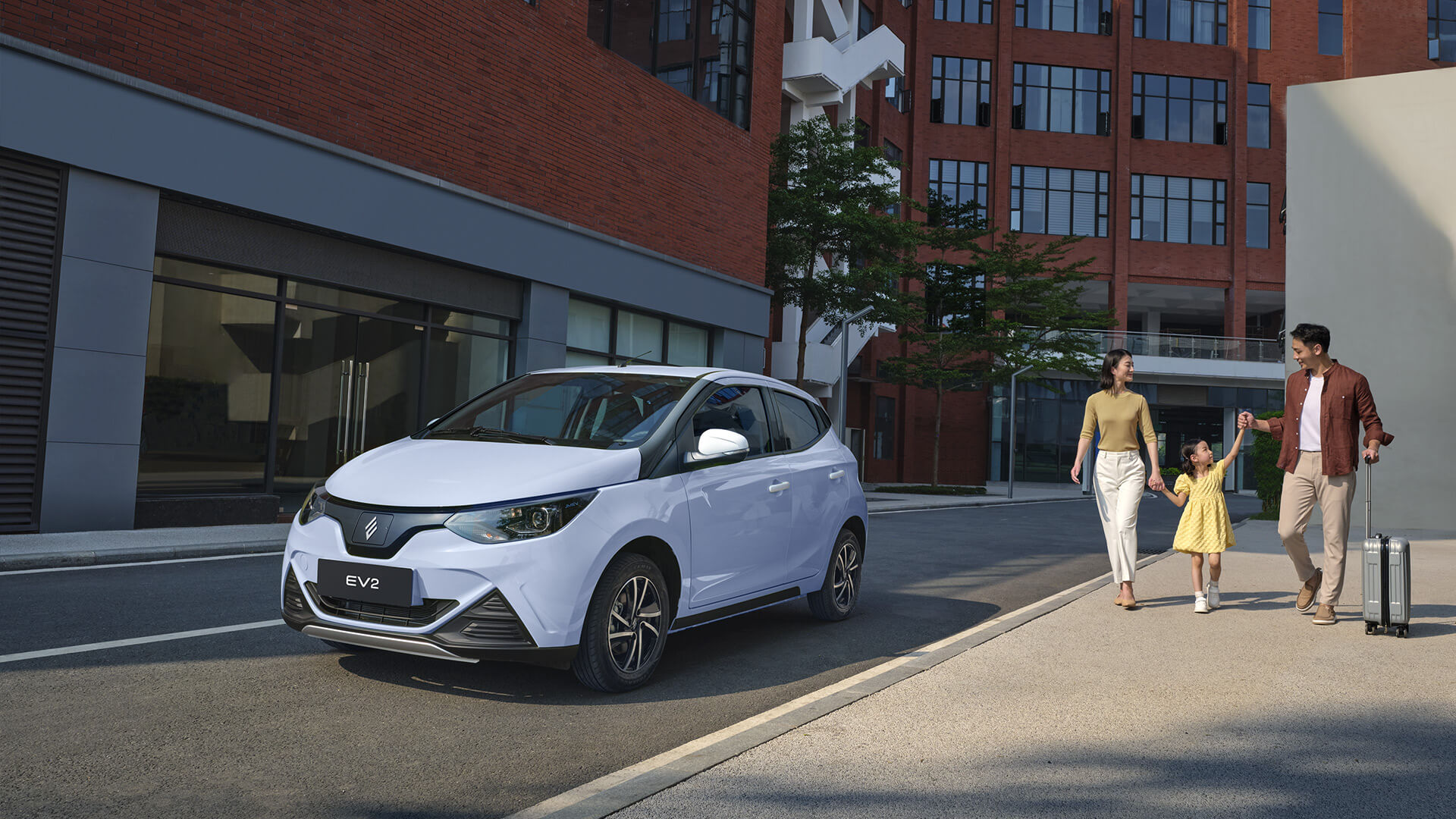
Goodbye expensive popular car: electric vehicle for less than R$ 70,000 starts being sold in Brazil with a range of 200 km and targets those looking to escape gasoline.
Porsche Adopts Hybrid Approach to Balance Consumer Preferences and Electric Mobility Trends
The automaker made it clear that its focus goes beyond following trends, seeking to meet real expectations with flexible solutions tailored to each market. Even with the advancement of electric vehicles, Porsche expanded hybrids and maintained combustion engines, balancing tradition and innovation. This way, it retains old customers, attracts new profiles, and reinforces its performance through continuous investments in research and technology.
Adjustments to Porsche’s Hybrid Strategy Consider Geopolitical and Industrial Challenges in the Automotive Landscape
The decision to reassess the electrification timeline was not motivated only by market factors. Porsche also considered geopolitical issues, such as high tariffs imposed on imported vehicles in the United States and the effects of economic slowdown in China, both major global consumers. Additionally, local production of electric models still represents a logistical and financial challenge. Therefore, the long-term plan now involves adaptations according to energy infrastructure and consumer maturity in each region. With this new approach, the brand aims to ensure operational sustainability and maintain its leadership in the premium segment. The scenario, therefore, demands both technical and strategic decisions. And by focusing on hybrids without abandoning electric and combustion solutions, Porsche signals a more realistic transition without giving up its sports heritage.









Seja o primeiro a reagir!