





 Portuguese
  English
  Spanish
  5 min of reading
  0 comments


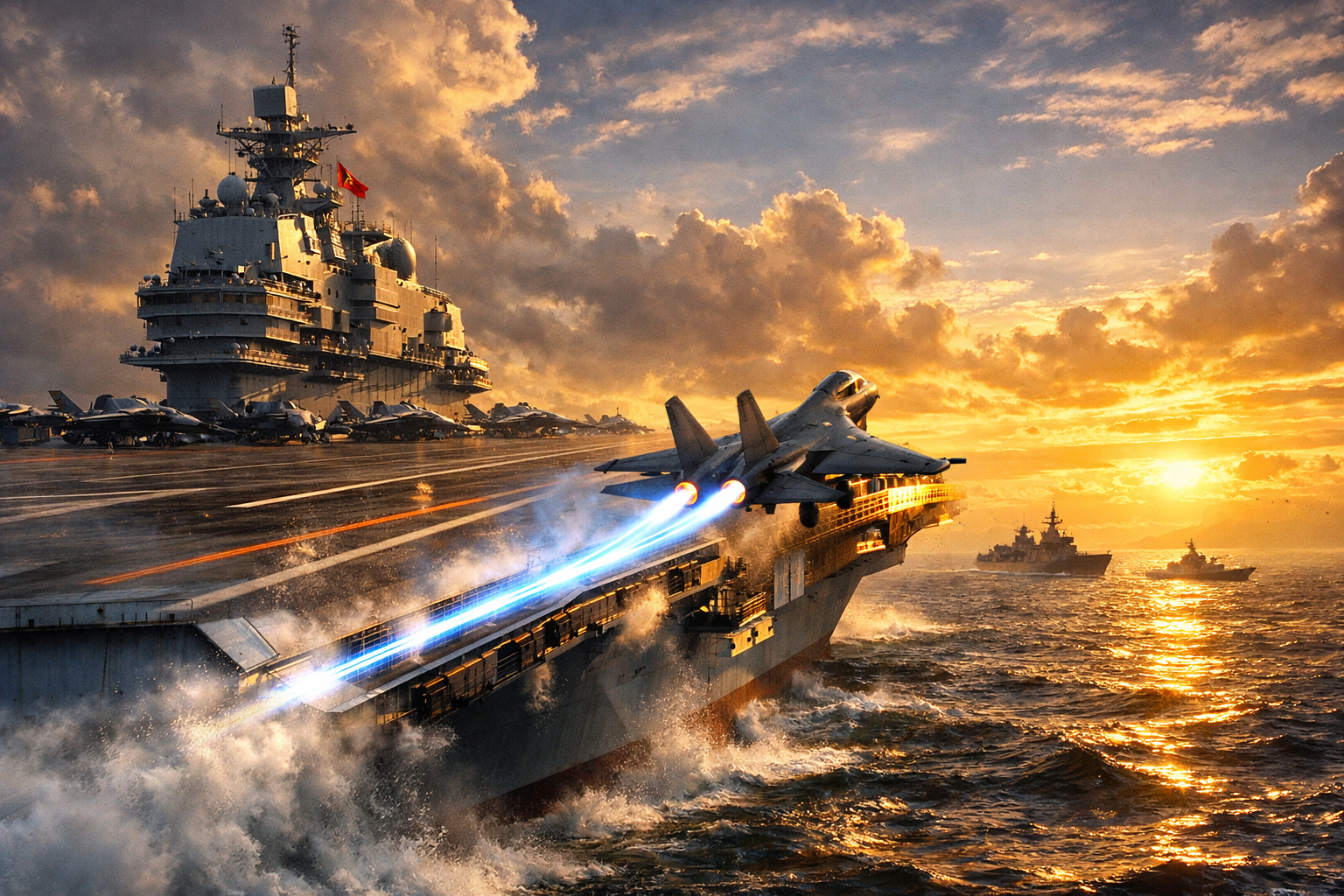
The Fujian Aircraft Carrier Is The Largest Warship Ever Built In Asia And The First In China With Electromagnetic Catapults To Launch Jets Directly From The Deck.
The launch of the Fujian Aircraft Carrier (Type 003) marks a milestone in China’s naval evolution. Built at the Jiangnan Shipyard in Shanghai, the ship is the third aircraft carrier of the People’s Liberation Army Navy and the most advanced ever developed by the country. With a length of about 316 meters and an estimated displacement of approximately 80,000 tons, the Fujian is the largest warship ever built in Asia and places China in a new stage in the technological race of aircraft carriers.
Unlike the first two Chinese aircraft carriers — Liaoning and Shandong — the Fujian does not use an inclined ramp to launch aircraft. Instead, it adopts a much more advanced system: electromagnetic catapults, known as EMALS (Electromagnetic Aircraft Launch System). This technology allows for the launch of heavier aircraft, with greater fuel and armament loads, significantly increasing the range and operational capability of the embarked air group.
The Largest Warship Ever Built In Asia
The size of the Fujian stands out even when compared to other large military ships. Among the main known technical specifications of the aircraft carrier are:
-
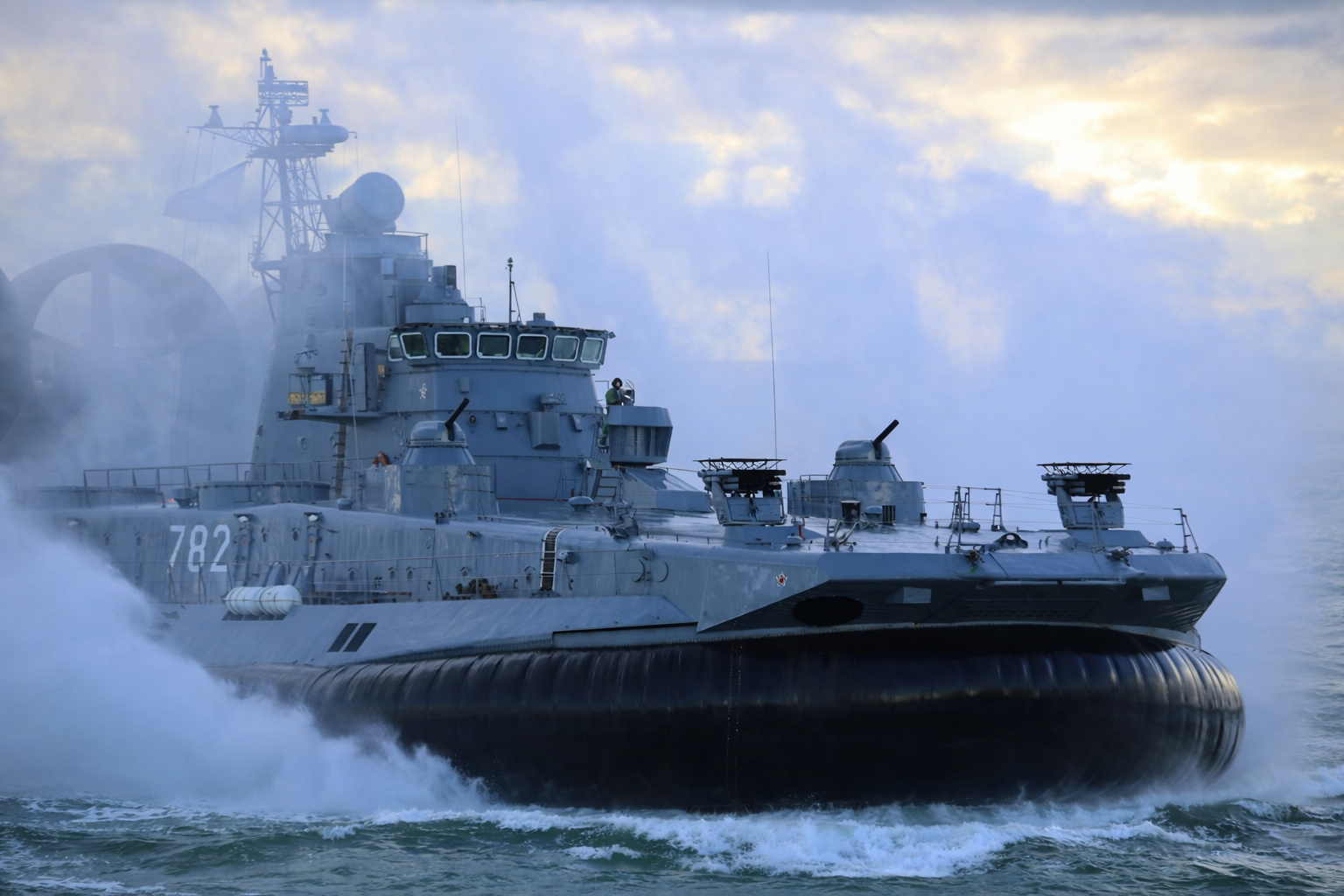
Classified as a “amphibious monster” weighing 555 tons, 57 meters long, and featuring three propellers with a diameter of 5.5 meters, the Zubr is the largest military hovercraft ever built, capable of transporting 3 tanks or 500 soldiers at speeds exceeding 100 km/h over water, ice, and sand, and China has resumed production of it to project power in the South China Sea.
-
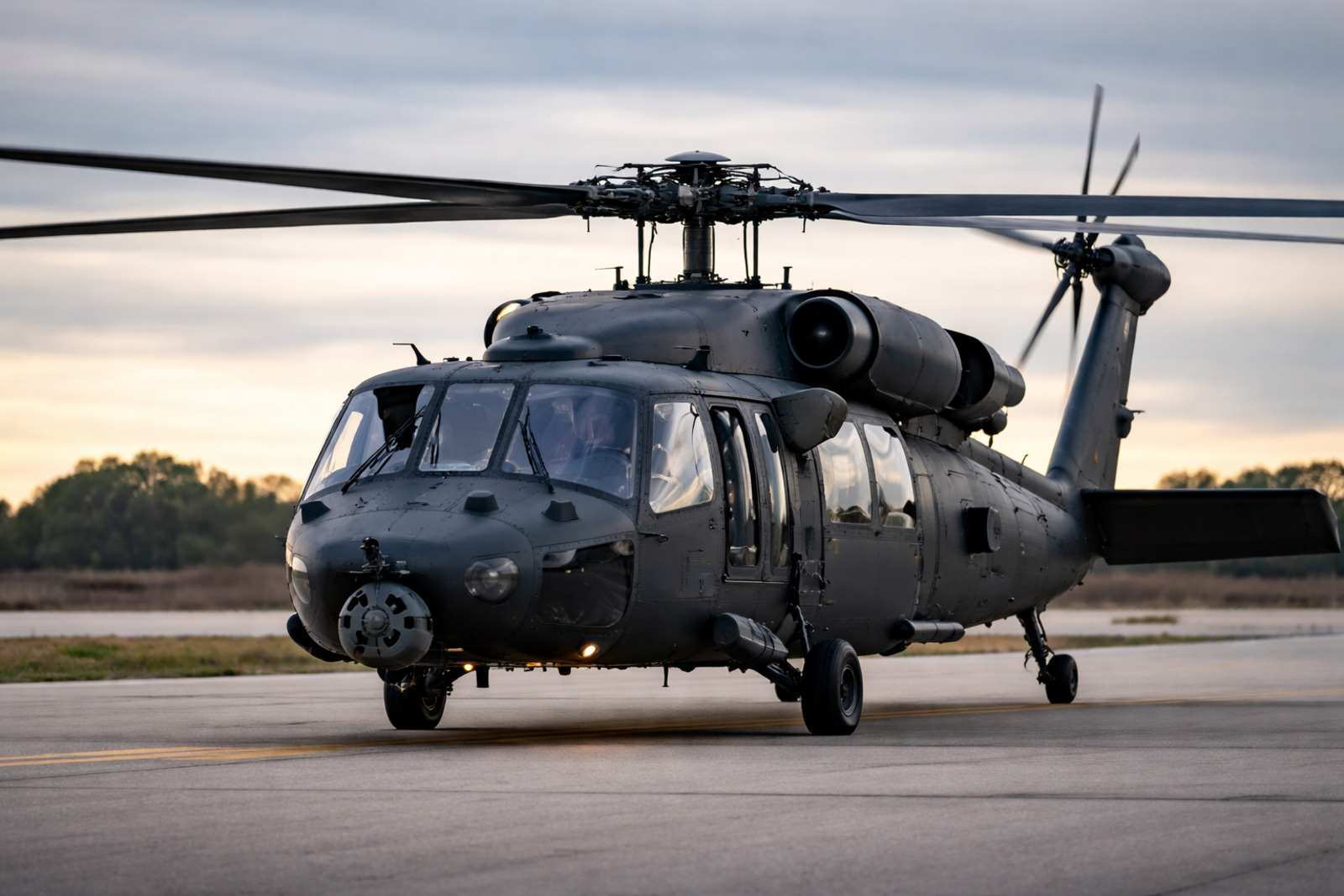
The U.S. Army receives the first Black Hawk helicopter that can fly without pilots, be controlled by a tablet, and even land on its own during high-risk missions.
-
With 11,000 tons and sensors capable of hunting submarines at long distances, the Type 055 has become one of the most feared floating arsenals of the Chinese navy.

-
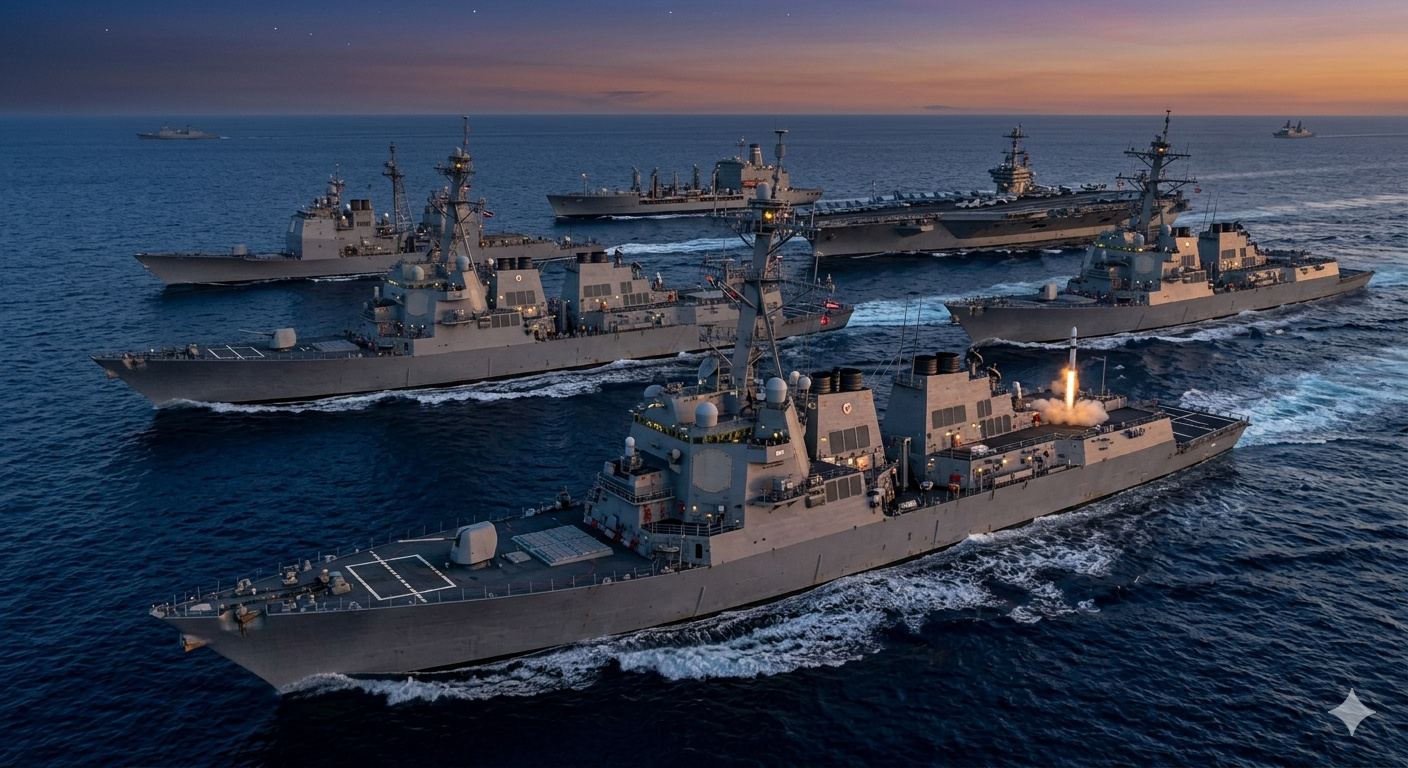
With over 15,000 tons, radars capable of tracking hundreds of targets simultaneously, and more than 120 missiles ready for launch in seconds, modern destroyers cease to be escorts and begin to dominate the naval battlefield.

- Length: about 316 meters
- Displacement: approximately 80,000 tons
- Propulsion: conventional (non-nuclear)
- Launch System: electromagnetic catapults
- Aircraft Capacity: estimated between 60 and 70 aircraft
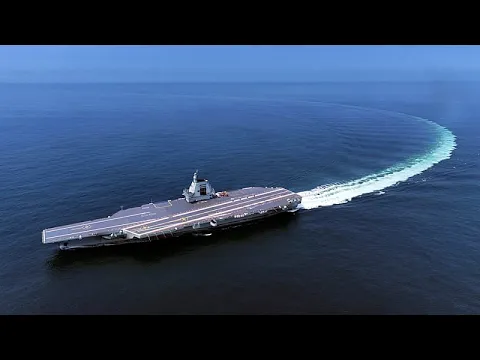

These dimensions place the ship close to the category of so-called super aircraft carriers, although it is still slightly smaller than the American giants of the Nimitz class Gerald R. Ford, which exceed 100,000 tons.
Nonetheless, the Fujian represents a significant technological leap compared to previous Chinese aircraft carriers.
The Importance Of Electromagnetic Catapults
The EMALS system is considered one of the most advanced technologies ever applied in aircraft carriers. On older aircraft carriers, aircraft were launched via steam catapults or inclined ramps known as ski-jump.
Electromagnetic catapults operate differently. Instead of pressurized steam, the system uses electromagnetic fields to accelerate the aircraft along the deck, allowing it to reach sufficient speed for takeoff. This technology offers several advantages:
- smoother and more controlled launch
- less structural wear on aircraft
- ability to launch heavier aircraft
- greater operational efficiency

Until recently, only the United States used this system on aircraft carriers, especially in the USS Gerald R. Ford, considered the most modern of the U.S. Navy.
With the Fujian, China becomes the second country to operate aircraft carriers equipped with electromagnetic catapults.
Differences Compared To Previous Chinese Aircraft Carriers
Before the Fujian, China operated two main aircraft carriers. The first was the Liaoning, originally built by the Soviet Union and acquired by China after the Soviet collapse. The ship was refurbished and entered service in 2012.
The second was the Shandong, the first aircraft carrier fully built by China, based on the design of the Liaoning. Both use the ski-jump system, which consists of an inclined ramp at the bow of the ship. This method allows for the takeoff of aircraft without catapults, but imposes significant limitations:
- lower takeoff weight
- less fuel and armament
- reduced operational range
With the Fujian, these limitations are reduced, as the electromagnetic catapults allow for the launch of heavier aircraft more efficiently.
Embar ked Air Group
Although official details are still limited, it is expected that the Fujian will operate a modern air group composed of various types of aircraft.
Among the main candidates are:
- J-15T – improved version of the Chinese carrier-based fighter
- KJ-600 – early warning aircraft similar to the American E-2 Hawkeye
- reconnaissance and attack drones
- anti-submarine warfare helicopters
The presence of early warning aircraft is particularly important, as it extends the fleet’s radar range and improves coordination of air operations.
The Strategic Role Of The Fujian
The construction of the Fujian reflects China’s strategy to expand its naval presence beyond coastal waters. In recent decades, China has invested heavily in modernizing its navy, focusing on large vessels, advanced submarines, and long-range missile systems.
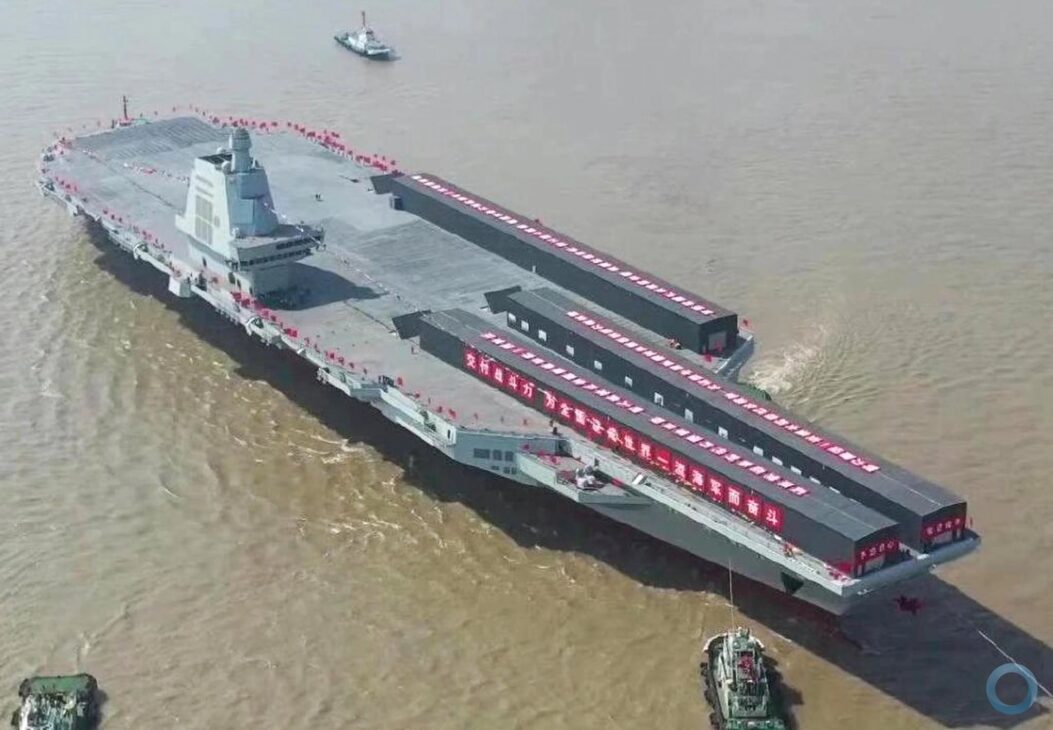
Aircraft carriers play a central role in this strategy. These ships function as mobile airbases, capable of projecting military power thousands of kilometers away from national territory.
With an aircraft carrier in operation, a country can quickly deploy fighters, helicopters, and surveillance aircraft to strategic ocean regions.
Tests And Commissioning
The Fujian was launched into the sea in June 2022 during an official ceremony in the city of Shanghai. After the launch, the ship began a long phase of testing and technical adjustments.
This process includes:
- verification of propulsion systems
- radar and sensor tests
- evaluation of electromagnetic catapults
- open sea navigation tests
Only after these stages will the ship be able to begin operational tests with embarked aircraft. Experts estimate that the aircraft carrier will achieve full operational capability by the second half of the 2020s.
A Symbol Of Chinese Naval Evolution
The construction of the Fujian represents an important advancement for Chinese naval engineering. By developing an aircraft carrier with electromagnetic catapults internally, China demonstrates its ability to master complex technologies traditionally associated with the world’s most advanced navies.
Although significant differences still exist compared to the American fleet, the Fujian shows that the country is heavily investing in expanding its maritime presence.
With impressive dimensions and advanced technological systems, the ship symbolizes a new phase in the evolution of the Chinese navy and reinforces the strategic importance of aircraft carriers in the naval balance of the 21st century.








-

-

-

-

17 pessoas reagiram a isso.