





 Portuguese
  English
  Spanish
 6 min of reading
  0 comments


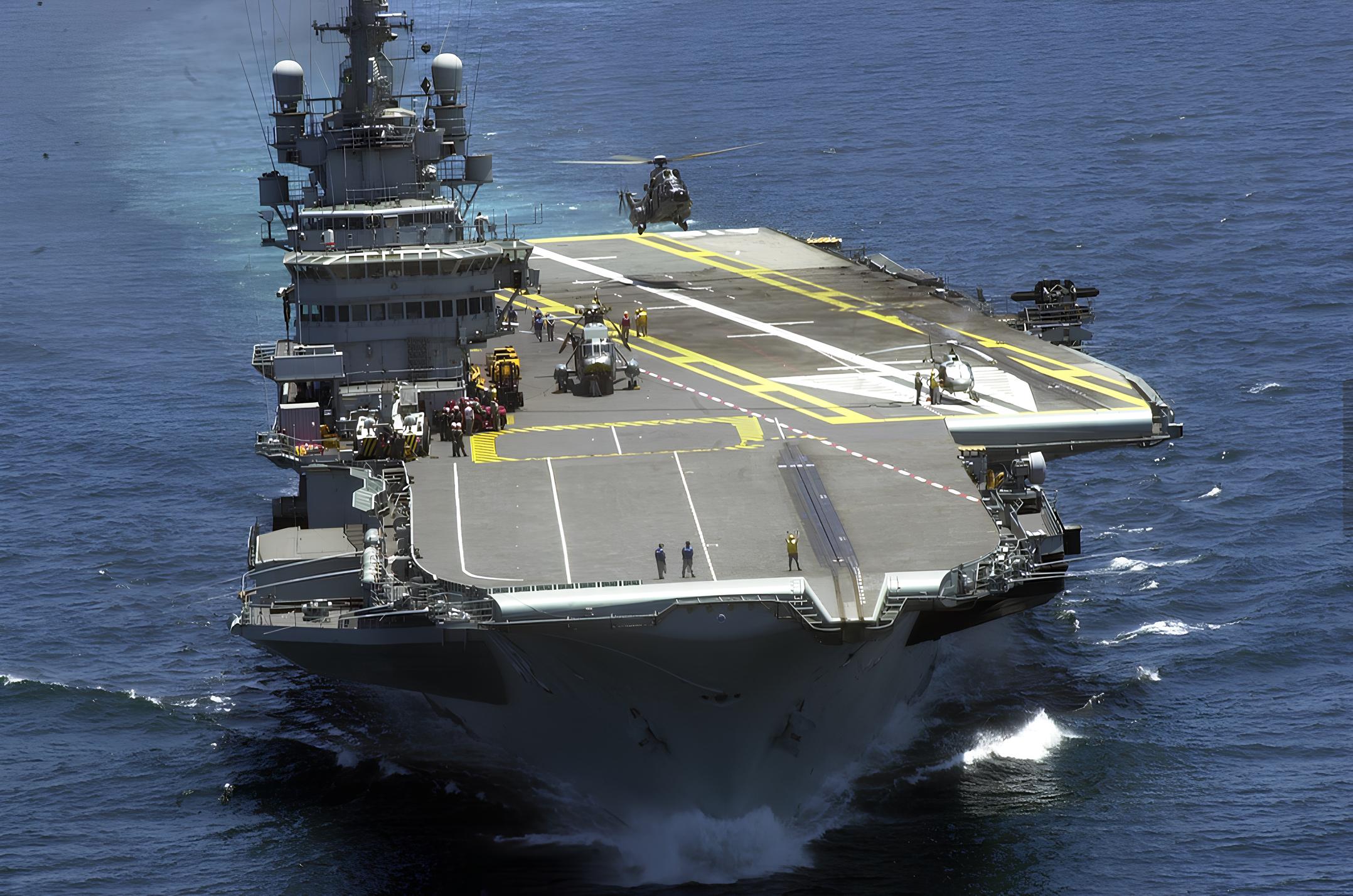
The Aircraft Carrier São Paulo Had One of the Most Controversial Endings in Brazilian Naval History: Sold as Scrap, Rejected by Foreign Shipyards Due to Asbestos, and Sunk by the Navy 350 Km Offshore in 2023.
Few warships in Brazilian history had a destiny as controversial as the Sao Paulo Aircraft Carrier (A-12). For years, it was the largest combat ship ever operated by the Brazilian Navy and the main symbol of the country’s naval aviation. However, its final chapter was marked by a sequence of unusual events: sold as scrap, rejected by international shipyards due to hazardous materials, barred from entering Brazilian ports, and ultimately deliberately sunk in the Atlantic after months of uncertainty.
The episode involved legal disputes, environmental concerns, and a complex military decision that definitively ended the story of one of the largest ships in the Brazilian Navy.
An Aircraft Carrier Born in the Cold War
The ship that would later become the São Paulo was not born in Brazil. It was originally built in France. Named Foch (R99), the aircraft carrier entered service in the French Navy in 1963. The ship was part of the Clemenceau class, designed during the Cold War to operate jet fighters at sea in the Mediterranean and the Atlantic.
-
A collector bought a black stone in Morocco in 2011 without knowing that he had in his hands a Martian meteorite 4.45 billion years old with ten times more water than any other fragment of Mars ever found on Earth.

-
European cities are building public climate refuges to cope with extreme heat.

-
Excavations for a highway uncovered an intact Celtic city with gold, jewelry, and ancient production structures.

-
Every pineapple you eat is actually up to 200 different fruits fused into one: discover the fascinating process in which each flower opens for just one day and produces the pieces that form the whole fruit over the course of 3 weeks.



For decades, the Foch participated in various French military operations, including missions during international conflicts and NATO naval exercises. At about 265 meters long and over 32,000 tons of displacement, the ship was designed to operate military jets, helicopters, and reconnaissance aircraft.
After more than three decades of service, France decided to retire it in the late 1990s.
The Purchase by Brazil and the Emergence of NAe São Paulo
In 2000, the Brazilian government decided to acquire the ship to replace the aging aircraft carrier Minas Gerais, which was nearing retirement. The negotiation with France resulted in the purchase of the ship for about US$ 12 million, a relatively low price for an aircraft carrier, but reflective of the vessel’s age.
After being transferred to Brazil, the ship was renamed NAe São Paulo (A-12). In the following years, São Paulo became the center of Brazilian naval aviation operations, allowing the Navy to operate embarked attack aircraft, such as the A-4 Skyhawk, adapted for carrier operations.
Technical Problems Began to Limit the Use of the Ship
Despite the strategic importance of the ship, its operation was marked by technical difficulties. Over the years, São Paulo underwent long periods of maintenance and modernization. Older systems inherited from the Cold War required constant repairs.
In 2005, a serious accident involving explosions in the machinery room pipes killed three crew members and left several injured. This incident highlighted the challenges of maintaining a ship designed in the 1950s operating in the 21st century.
In the following years, new structural problems continued to arise, including failures in propulsion systems and catapults used to launch aircraft.
Deactivation Marked the End of the Era of Aircraft Carriers in Brazil
After years of expensive maintenance and technical difficulties, the Brazilian Navy decided to deactivate the São Paulo in 2017. The decision definitively ended the operation of conventional aircraft carriers in the country.
With no economic conditions to modernize the vessel, the ship was taken out of service and remained docked awaiting a final destination. From that moment on, the search for a solution for the ship’s hull began.
Sale as Scrap to Foreign Shipyard
In 2021, the Navy held an auction to sell the hull of the São Paulo as scrap. The buyer was the Turkish company Sök Denizcilik, specialized in ship recycling.
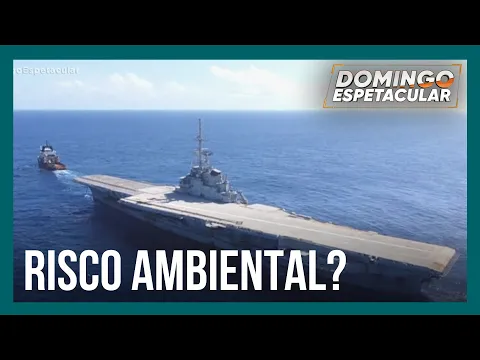
The plan was to tow the aircraft carrier to Turkey, where it would be dismantled in shipyards that perform recycling of large vessels. In August 2022, the ship left Rio de Janeiro towed toward the Mediterranean. But the voyage never reached its planned destination.
The Rejection by Turkey Due to Asbestos
Before the ship’s arrival, Turkish environmental authorities reviewed documents about the ship’s makeup. These reports indicated that the aircraft carrier contained large amounts of asbestos, a material used for decades in shipbuilding as thermal insulation.
Asbestos is today considered highly dangerous to human health, potentially causing severe diseases, including cancer. In light of pressure from environmental organizations and public protests, the Turkish government decided to revoke the authorization for the ship’s entry into the country.
Without permission to dock, the hull of the São Paulo was forced to return to the Atlantic.
Months Drifting at Sea Without Destination
After Turkey’s rejection, the ship’s fate became a complex issue. Brazilian ports also showed resistance to allow the ship’s entry, precisely because of the presence of hazardous materials in its structure.
While authorities sought a solution, the aircraft carrier remained towed offshore for months, especially near the coast of northeastern Brazil. The situation generated significant international repercussions and opened a debate involving:
- Environmental Safety
- Disposal of Old Military Ships
- Legal Responsibilities in Transporting Hazardous Waste
During this period, technical assessments indicated that the hull was deteriorating.
The Decision to Sink the Ship
In light of the impasse, the Brazilian Navy made a definitive decision. On February 3, 2023, the government authorized the controlled sinking of the ship in the Atlantic Ocean.
The operation was conducted approximately:
- 350 kilometers off the Brazilian coast
- in an area with approximately 5,000 meters of depth
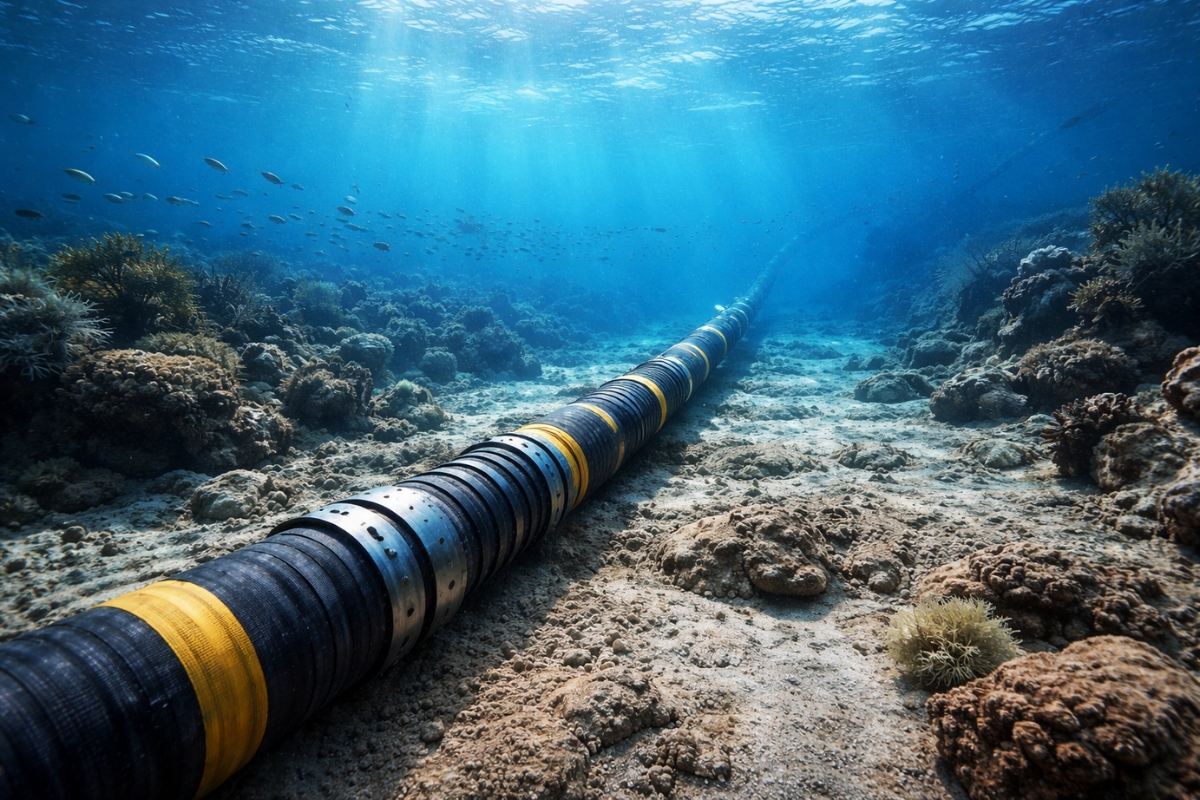
According to the Navy, the location was chosen for being far from environmentally sensitive areas, navigation routes, and submarine cables. The operation involved complex logistical planning to ensure that the ship was sunk in a controlled manner.
The Operation Generated Criticism from Environmentalists
Even with judicial authorization, the decision did not occur without controversy. Environmental organizations and the Federal Public Ministry questioned the operation, raising concerns about potential environmental impacts.
Critics pointed out that the ship contained:
- Asbestos
- Heavy Metals
- Industrial Waste
According to these organizations, the sinking could release contaminants into the marine environment. Despite the criticisms, the court authorized the operation after technical analyses presented by Brazilian authorities.
The End of a Giant in Brazilian Naval History
With the sinking of the hull, the story of the largest aircraft carrier ever operated by the Brazilian Navy came to an end. During its lifetime, the São Paulo represented the country’s capability to operate carrier-based aircraft on warships — a skill mastered by few navies worldwide.
After its retirement, Brazil began operating a ship with a different function: the NAM Atlantico, acquired from the United Kingdom in 2018.
This ship functions as a helicopter carrier and amphibious operations platform but does not fully replace the role of a conventional aircraft carrier.
One of the Most Unusual Endings in Naval History
The fate of the São Paulo ended up becoming one of the most unusual episodes in recent naval history. A ship that for decades represented military power and naval technology ended its journey embroiled in environmental disputes, international rejections, and months drifting at sea without a defined destination.
Its sinking in deep waters definitively closed the chapter of a giant that, for years, symbolized Brazil’s presence in the select group of countries capable of operating aircraft carriers.
And even disappeared at the bottom of the Atlantic, the story of the São Paulo continues to be remembered as one of the most complex and debated chapters in Brazilian naval history.









-

Uma pessoa reagiu a isso.