





 Portuguese
  English
  Spanish
  3 min of reading
  1 comment


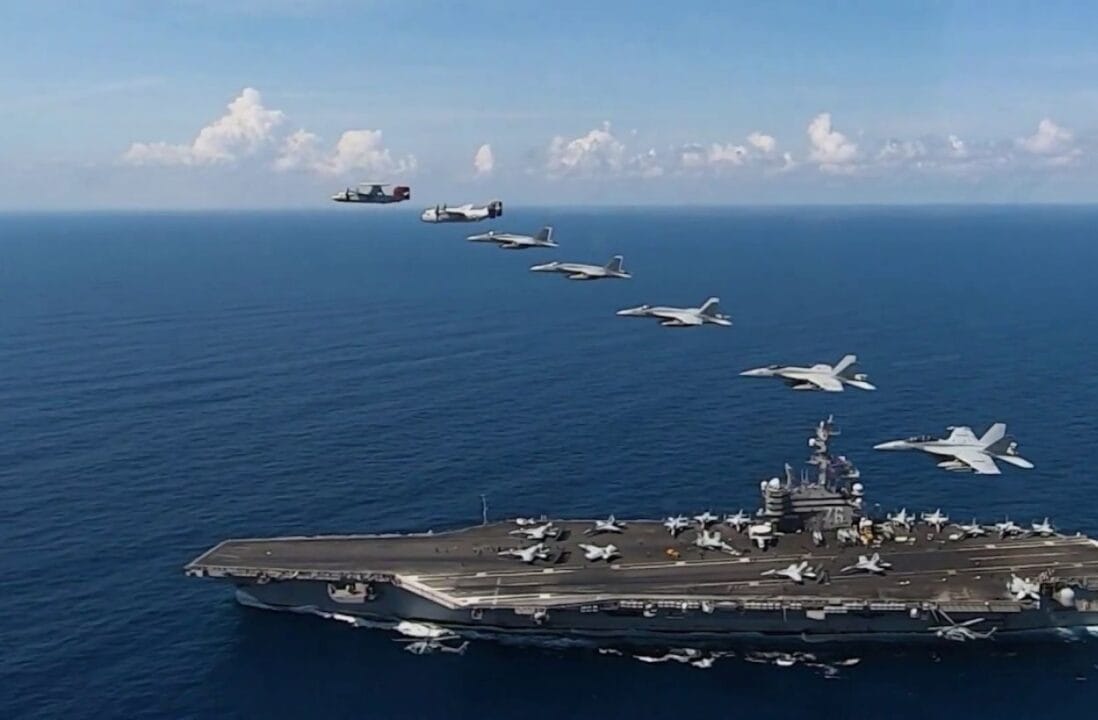

Discover The Giant Of The Seas, The Aircraft Carrier, A Floating Fortress Of 333 Meters Capable Of Launching And Landing Aircraft Every 25 Seconds, Revealing The Ingenuity And Daily Life On One Of The Most Complex Ships In The World.
Aircraft carriers, true floating cities, stand out in naval engineering with their impressive 20 decks above water and a length of 333 meters. Beyond size, what fascinates is the operation on the flight deck: a perfect orchestration that allows launching or landing aircraft every 25 seconds, a feat in a space comparatively smaller than a conventional runway. Even Brazil is intending to build a carrier nationally.
These vessels are not just about physical dimensions. The complexity of an aircraft carrier is evident in its construction, consisting of about 1 billion individual parts. Designed for air transport, launching and landing aircraft, mobile military command, and accommodation, the Nimitz-class carriers of the United States represent the pinnacle of naval technology.
Aircraft Carrier And Its Flight Deck


At the heart of the aircraft carrier is the flight deck, an intensely monitored takeoff and landing strip due to its reduced length of just over 300 meters. Comparatively, the runway at John F. Kennedy International Airport extends about 4,400 meters. The structure of the aircraft carrier also includes the hangar, the central island for controlling operations, and a robust hull designed to withstand attacks and damage.
-
Historic bankruptcy of Centauro shocks the market, and the century-old company puts more than 500,000 products, machines, and complete infrastructure up for online auction.

-
New shoe factory in Ceará is expected to create 400 jobs and strengthen the local economy.
-
No one imagined it, but a mixture of sawdust with a mineral that fights fires surprises scientists with a result that changes the course of fire-resistant construction.

-
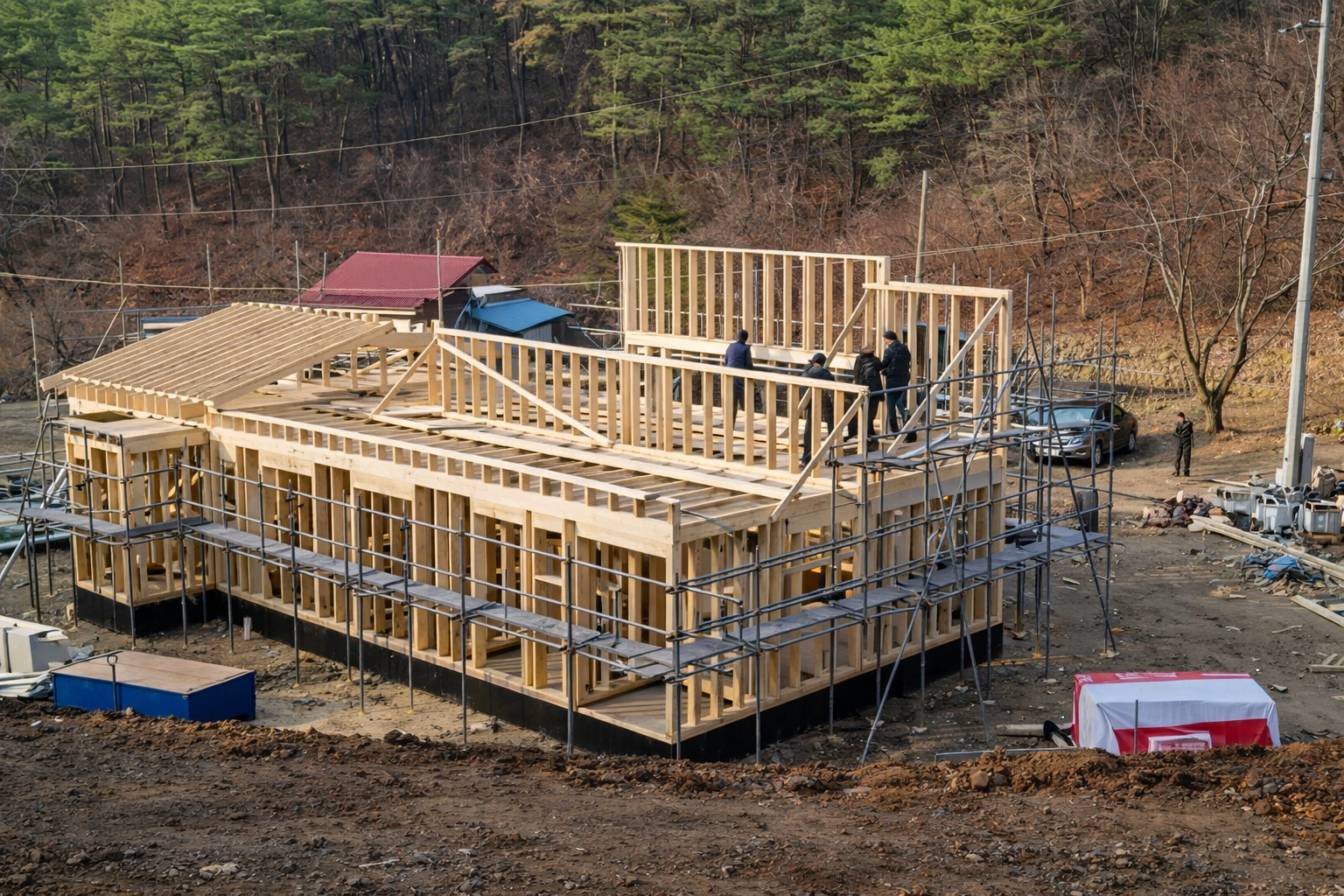
From empty land to a high-end house, wooden construction uses a lightweight system, metal structure for the foundation, ventilated ceramic cladding, and special windows to create an efficient and comfortable living space throughout the year.

The takeoff of aircraft is boosted by steam-powered catapults, while landing requires precision to engage with the arrestor wires. This process not only demonstrates the technical complexity but also the synchronization between pilots and the ground crew.
Life Aboard The Ship
Beyond air operations, life aboard an aircraft carrier is a study in efficiency and community. With a population of around 5,600 people, the ship offers facilities such as kitchens, dining halls, laundries, and even medical and dental services, ensuring that all needs are met amid space constraints.
Aircraft carriers, more than mere ships, are technological marvels that encapsulate the strength and complexity of modern naval engineering. They are a microcosm of efficiency, technology, and human life, operating on one of the most challenging and strategic platforms of military power.
What Is The Most Powerful Aircraft Carrier In The World?
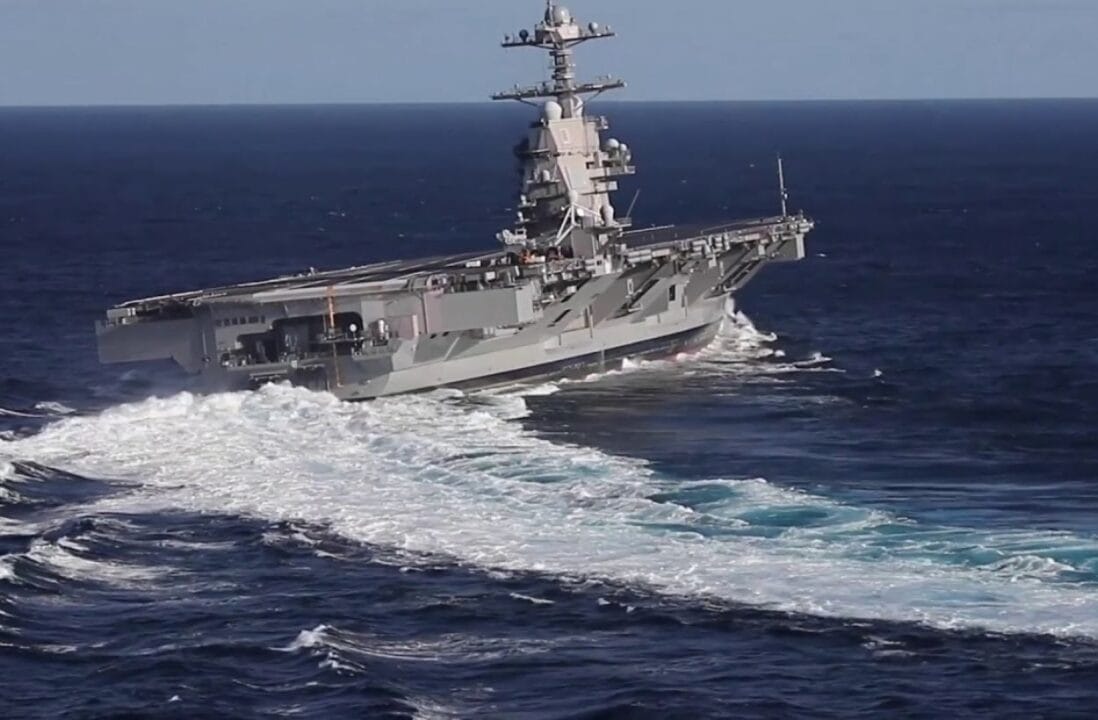
The USS Gerald R. Ford (CVN-78) holds the title of the most advanced and powerful aircraft carrier in the world. Incorporating 23 technological innovations, such as the electromagnetic launch system (EMALS) and the Advanced Arresting Gear (AAG), this giant of the seas raises the standard of efficiency and operational capability in naval aviation.
Capable of accommodating over 60 aircraft, including four fighter squadrons, the USS Gerald R. Ford can expand its air wing to up to 90 aircraft in critical situations. This allows for approximately 160 daily air operations, which can escalate to 220 during periods of crisis.
The USS Gerald R. Ford Largest Aircraft Carrier In The World
Beyond being the most powerful, the USS Gerald R. Ford is also the largest aircraft carrier in existence, with a displacement of 100,000 tons. It stands out for its ability to reduce crew requirements by 25% compared to those of the Nimitz class, thanks to its efficient crew of around 2,600 people. (Read the full article).
Building an aircraft carrier is a monumental financial undertaking, with costs ranging from 5 to 10 billion dollars. The USS Gerald R. Ford exceeds these figures, costing approximately 13.3 billion dollars, reflecting its advanced technology and superior capabilities. The annual operating cost of an aircraft carrier is around 1.18 billion dollars, with maintenance potentially reaching between 2 and 4 billion dollars every 32 months.









Adorei conhecer seu blog, tem muito artigos bem interessantes.