





 Portuguese
  English
  Spanish
  5 min of reading
  0 comments


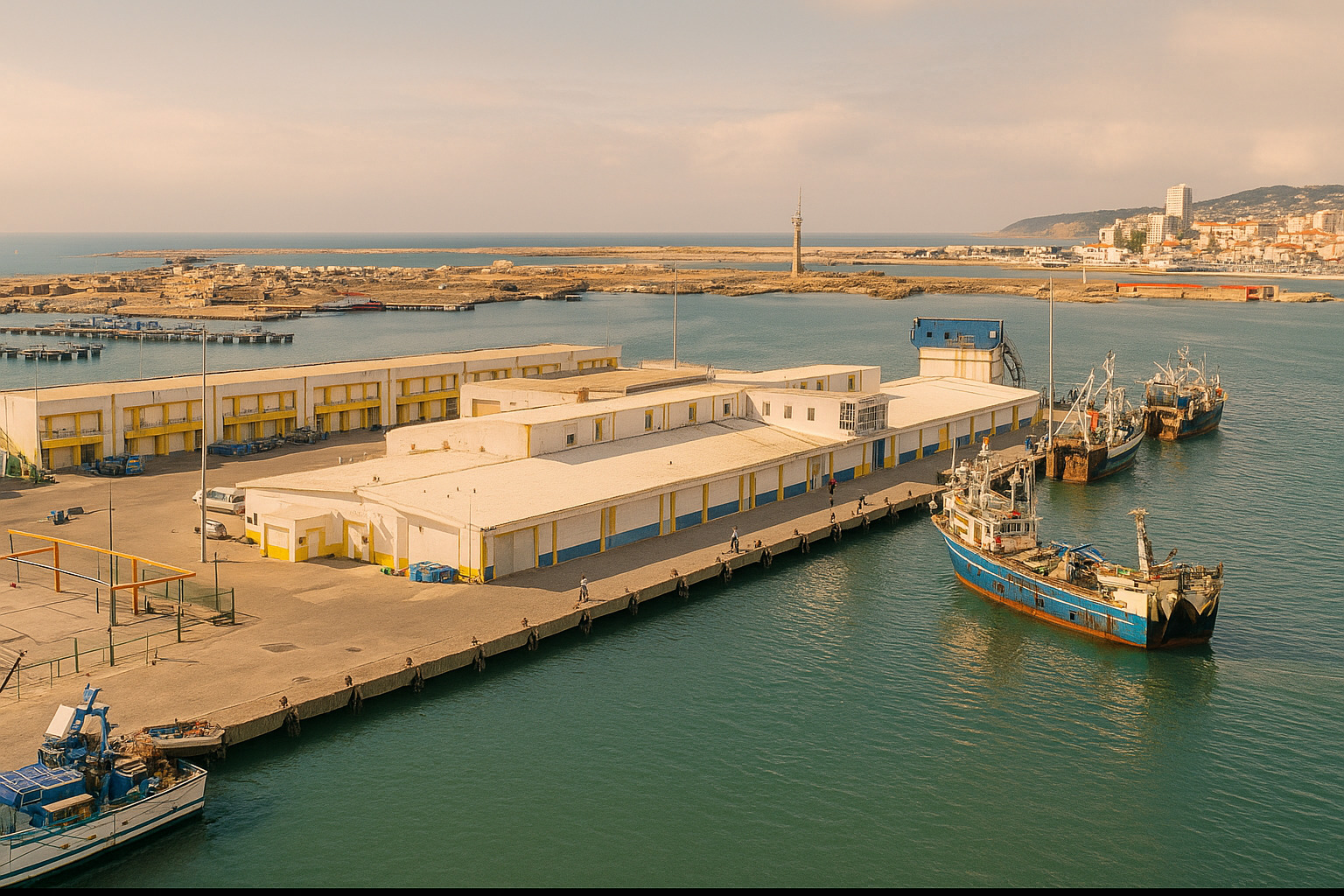
With Innovative Project, The Port of Figueira da Foz Invests in Renewable Energy and Strengthens Its Commitment to Sustainability and Energy Efficiency.
The Port of Figueira da Foz, located on the central-west coast of Portugal, has been standing out in the environmental sustainability landscape. Throughout its history, marked by a strong connection to maritime trade and the regional economy, the port is now entering a new strategic phase.
Therefore, investing in clean and sustainable solutions has become a priority. The investment in renewable energy, through the installation of photovoltaic solar panels, reinforces this commitment to the environment and innovation.
This initiative integrates the Port’s Energy Transition Strategy. Furthermore, it follows the European guidelines aimed at decarbonization and the promotion of clean energy sources.
-
The Brazilian state accelerates industrial competitiveness with a focus on the extraction of strategic minerals to boost the energy transition in Goiás.

-
A Canadian retiree creates a hydroelectric system on a real river, generating energy continuously throughout the day and demonstrating how the power of water can supply a house with stability even in a simple structure.

-
Petrobras reaffirms its commitment to the market and ensures that it will carry out the energy transition safely to maintain national sovereignty.

-
Researchers discover a possible hydrogen deposit of up to 46 million tons beneath an ancient coal basin, and the volume could exceed half of the entire global production.


With the financial support of the Environmental Fund, the project not only reduces environmental impact but also enhances energy efficiency and strengthens the port’s autonomy regarding conventional electricity consumption.
The plan aligns with a broader view of national energy resilience, while making the port less vulnerable to fluctuations in electricity costs. Additionally, it improves the budget predictability of port operations, which is vital for its competitiveness in the medium and long term.
Modernization with Historical Roots
To understand the importance of this initiative, it is essential to analyze the historical evolution of the Port of Figueira da Foz. Situated between the Mondego and Pranto rivers, the port has always played a vital role in the development of the Centro region of Portugal.
Since the 19th century, it marketed agricultural and timber products and later sustained industries such as paper, cement, and ceramics.
For decades, the port symbolized regional progress. As a result, it created thousands of direct and indirect jobs.
At the same time, it connected the local economy to international markets, becoming a vital logistics hub for the country.
In the 20th century, the port underwent several modernizations. Thus, it effectively responded to the new demands of international trade.
However, in recent decades, the need to incorporate sustainable practices into port operations has grown. Therefore, management began to prioritize actions that balanced economic growth and environmental protection.
In this sense, the energy transition emerged as a response. Thus, the port adopted clean technologies to reduce its carbon footprint, as well as increased energy efficiency through sustainable sources, such as solar.
Moreover, this sustainable shift represents an important step to preserve the region’s coastal and river ecosystems. After all, the Port of Figueira da Foz is located in an environmentally sensitive area, where the impacts of pollution directly affect water quality, marine fauna, and air.
New Solar Units and Their Impacts
Consequently, the new project significantly amplifies the port’s environmental commitment. Until now, two buildings already had solar panels, with a combined capacity of 35 kW.
Now, with a more robust investment, the port will install two new Production Units for Self-Consumption (UPAC) in the areas of the Coastal Fishing Port and the Solid Bulk Terminal.
These new units will have an installed capacity of 207.9 kW, which will ensure an estimated annual production of 300,835 kWh.
Thus, the port will achieve a self-consumption rate of over 80%, significantly reducing its dependence on the traditional power grid.
Additionally, a reduction of 249,438 kWh per year in electricity consumption is expected. In environmental terms, this equates to a decrease of 21.45 tons of oil per year (tep/year) in greenhouse gas emissions.
As a result, the port consolidates its position as a reference in sustainability in the national port sector.
On the other hand, the transformation goes beyond the technical aspect. The port management also promotes internal actions for environmental awareness.
Thus, employees and logistics partners have been engaged in adopting good practices. This fosters a collective culture of ecological responsibility.
Such educational and participative actions strengthen adherence to changes and increase the effectiveness of sustainable projects. The more stakeholders are engaged, the smoother and more enduring the transition to green practices becomes.
Solar Energy as an Environmental Strategy
Naturally, the choice of solar energy makes sense within the Portuguese geographical context. As Portugal has high levels of solar radiation, utilizing this renewable source becomes strategic and advantageous.
In this way, the Port of Figueira da Foz reduces operational costs while also actively contributing to combating climate change.
In addition, the topic of environmental sustainability occupies an increasingly prominent spot on the global agenda. High energy-demand sectors, such as the port sector, need to rethink their operational models.
Therefore, investing in clean energy and sustainable innovations is an inevitable step.
In this context, the Port of Figueira da Foz demonstrates alignment with the goals of the European Green Deal and the United Nations Sustainable Development Goals, especially numbers 7 and 13.
By investing in photovoltaic energy, the port shows that it is possible to integrate innovation, competitiveness, and environmental commitment.
Furthermore, energy diversification contributes to greater resilience against potential interruptions in conventional supply. This energy autonomy will be a strategic differentiator in the coming years.
Partnership with the Environmental Fund and Smart Digitalization
The Environmental Fund approved the project based on its relevance to national decarbonization goals. This approval was integrated into the Recovery and Resilience Plan (PRR), which directs resources to the green economy and energy transition in Portugal.
In addition to financing, the port established partnerships with technology and energy companies. As a result, real-time digital monitoring systems of the performance of the solar units were implemented.
This allows management to make quicker and more efficient decisions, ensuring better use of resources.
Therefore, the integration of renewable energy and smart digitalization shows how economic growth and environmental protection can go hand in hand.
This way, the port becomes more resilient and less vulnerable to fluctuations in the electricity market.
This approach also promotes transparency in environmental indicators, facilitating access to data for regulatory bodies, investors, and the community itself.
Example for the Future of Portuguese Ports
In light of all these advancements, the Port of Figueira da Foz consolidates itself as a model of sustainability for other Portuguese ports.
In a sector that faces constant environmental challenges, the port stands out for anticipating trends and adopting innovative practices.
In the long run, the expectation is that other ports in the country will also invest in clean energy, digitalization, and energy efficiency.
After all, the environmental impacts of maritime transport require concrete, planned, and well-executed responses.
Thus, by investing in renewable energy and promoting collective self-consumption, the Port of Figueira da Foz reaffirms its commitment to a greener, more technological, and responsible future.
Ultimately, it is a choice that benefits the planet, strengthens the local economy, and contributes to the well-being of society.










Seja o primeiro a reagir!