





 Portuguese
  English
  Spanish
 3 min of reading
  0 comments


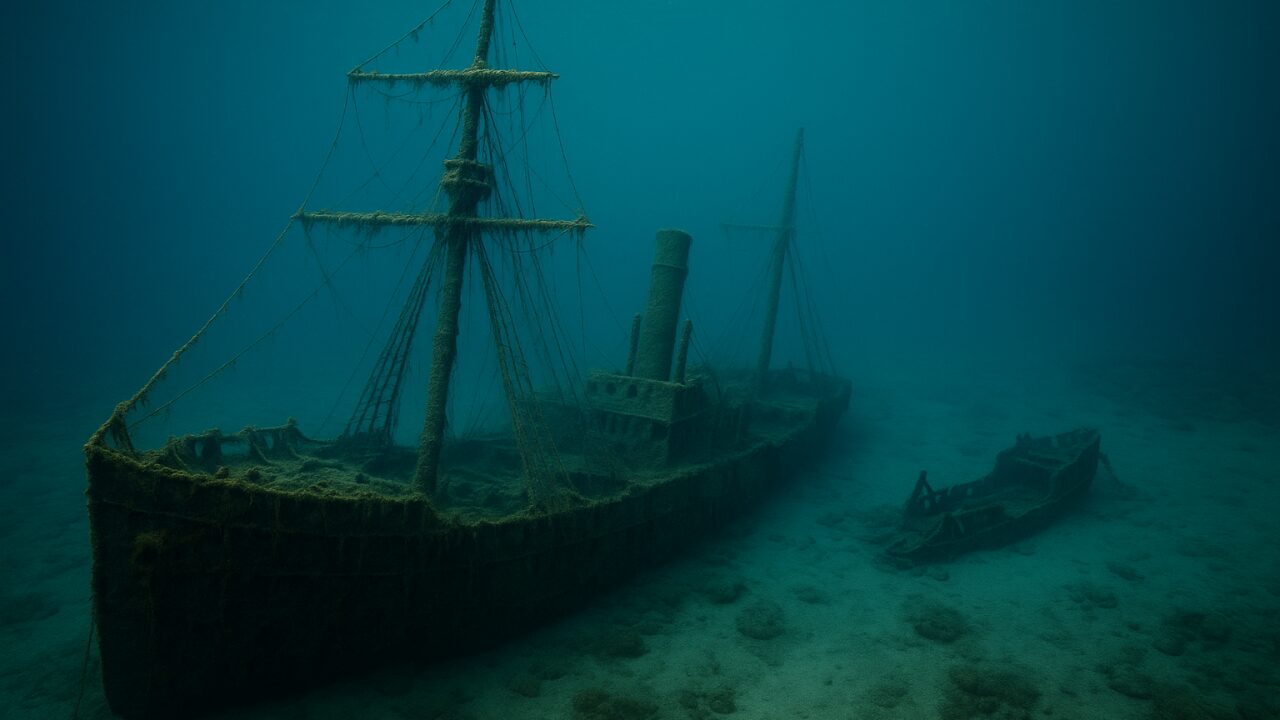
To Accommodate Larger Ships, Port of Itajaí Begins Process to Remove the Pallas Ship, Sunken 130 Years Ago at the Canal Entrance.
In a strategic move to unlock the growth of logistics infrastructure in Santa Catarina, the Port of Itajaí officially started, last Tuesday (6), the formal process for the removal of the Pallas ship, which has been sunken for over 130 years at the mouth of the Itajaí-Açu River.
The operation is deemed essential to allow the entry of ships up to 366 meters and to make the port complex more competitive against the main international maritime corridors.
Meeting Brings Together Authorities and Strategic Sectors
The first official meeting on the topic was held in the auditorium of the Port Authority of Itajaí and included representatives from the Brazilian Navy, Federal Police, Portonave, unions, Port Authority of Santos (APS), as well as workers and members of civil society.
-
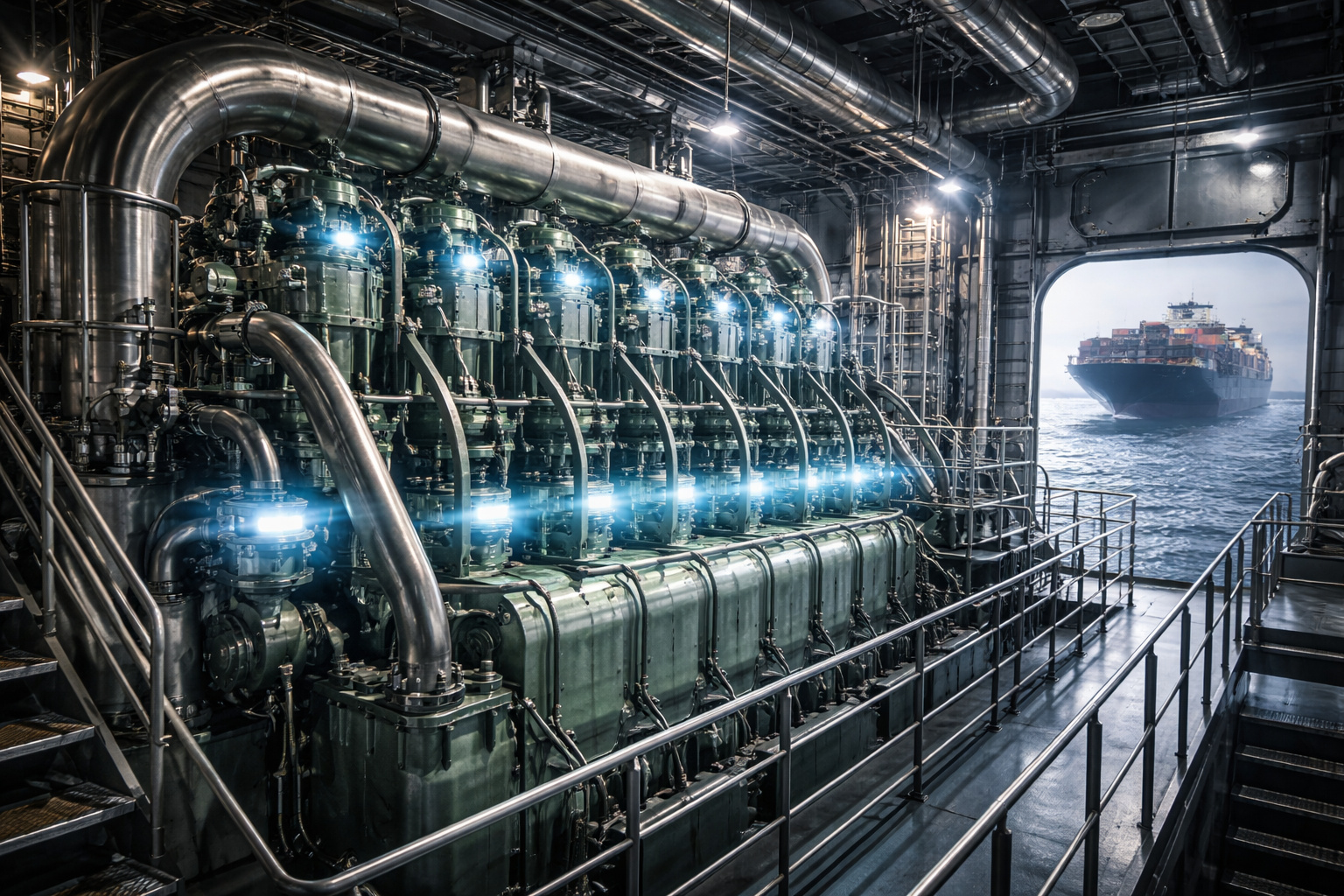
Europe is trying to create an ammonia-powered marine engine without auxiliary fuel, which could unlock the race for giant emission-free ships. The technology aims to eliminate one of the biggest obstacles to clean maritime propulsion.
-
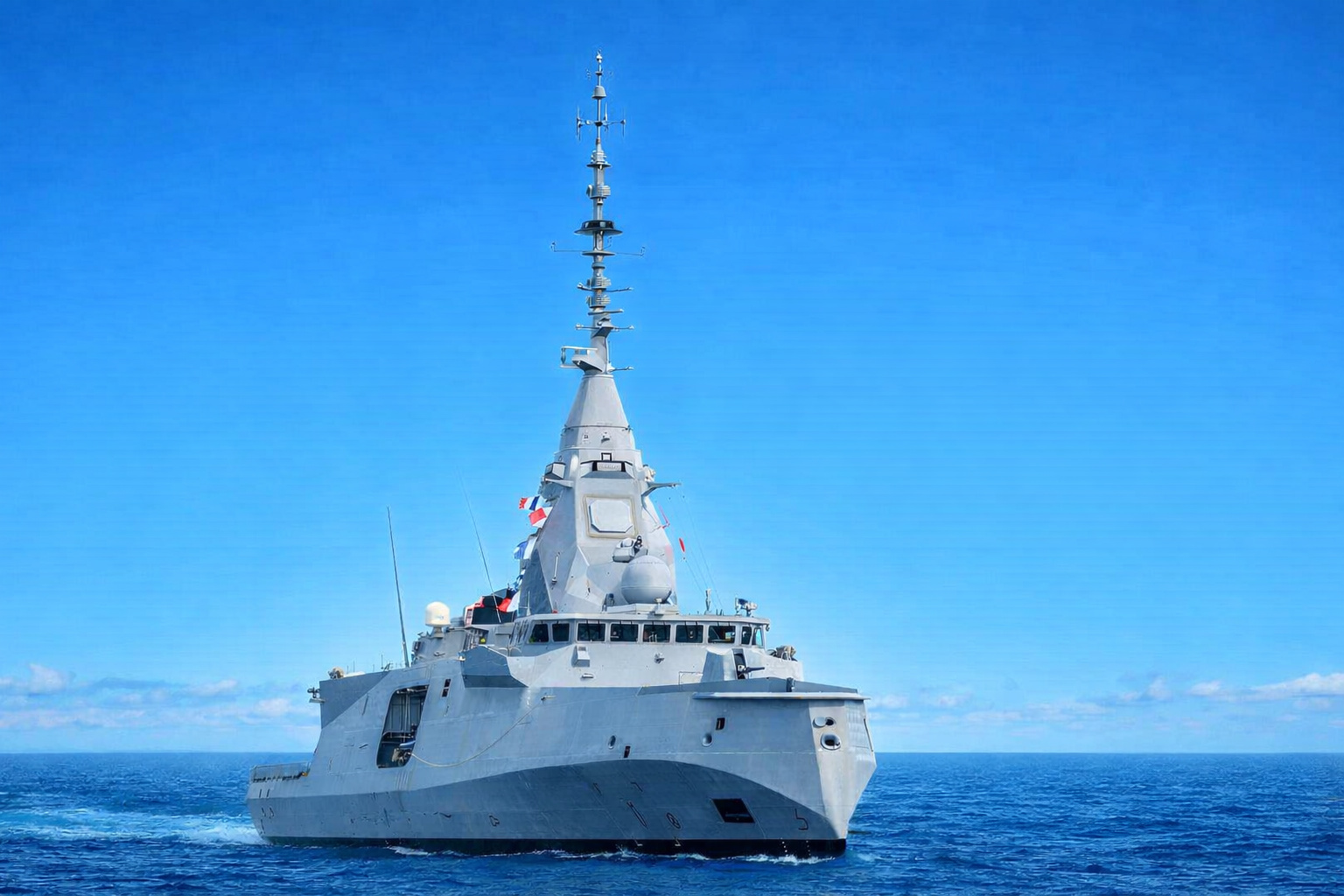
A 4,500-ton frigate with just over 100 crew members, state-of-the-art radar, and cruise missiles is being touted as the new standard of naval warfare in the 21st century.
-
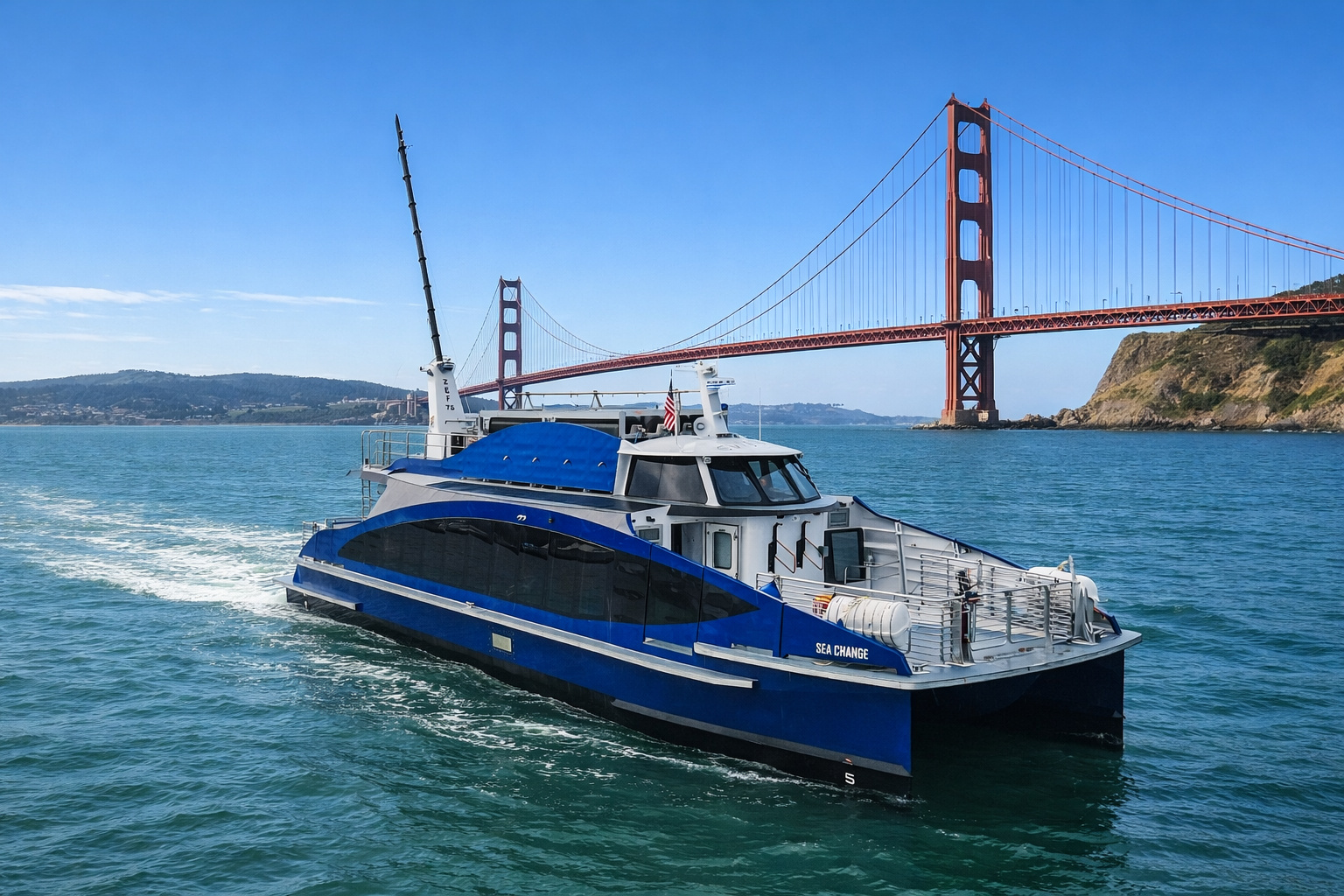
The first commercial hydrogen-powered ferry enters operation in the U.S., eliminates the use of diesel, uses fuel cells to generate clean energy on board, and transforms San Francisco Bay into a landmark of the new era of emission-free navigation.
-
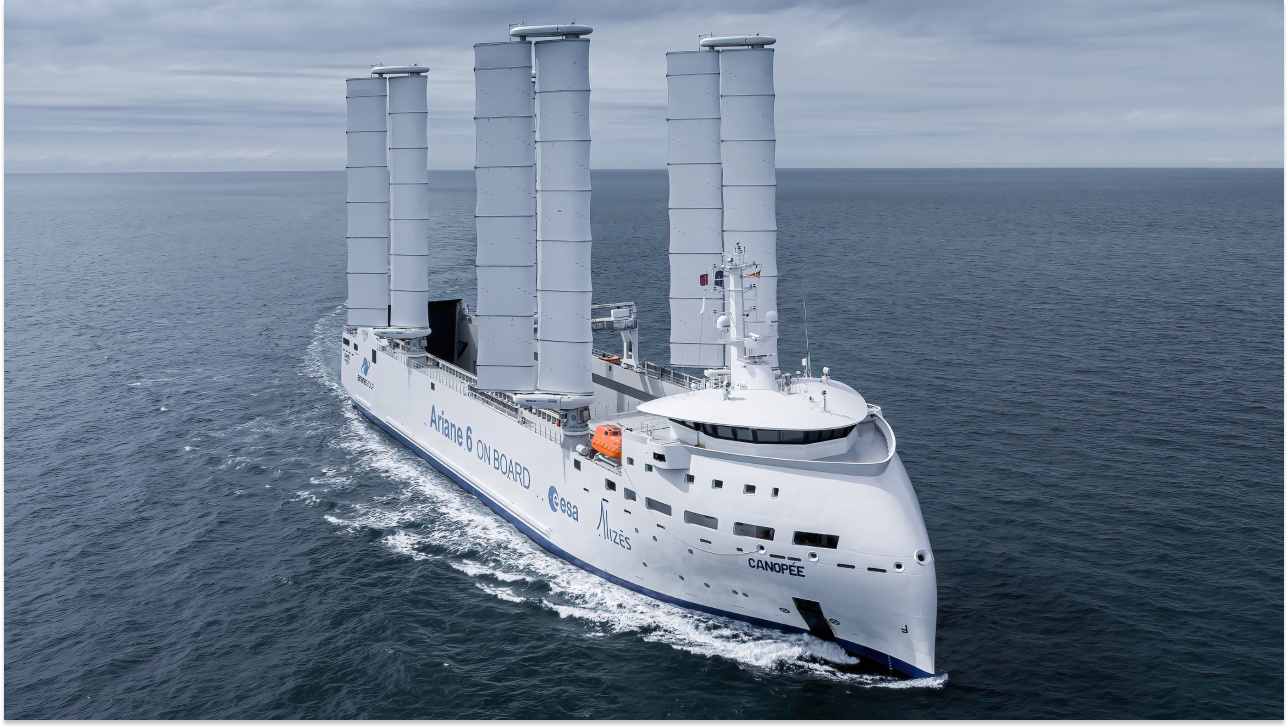
With a length of 121 meters and four rigid sails of 36 meters that automatically rotate to capture the wind, Canopée is the world’s first hybrid industrial cargo ship powered by wind, used to transport rockets and reduce fuel consumption by up to 30% on transoceanic routes.

The action is part of a set of initiatives defined in Ordinance No. 035, signed on April 8, which created a multidisciplinary committee to oversee the technical studies and execution of the removal.
Historical Obstruction Limits Canal Expansion
The Pallas ship, built in 1891 in England, operated in the transport of refrigerated cargo between Rio de Janeiro and Buenos Aires.

In 1893, during the Revolt of the Armada, the vessel sank near the north pier, on the side of Navegantes, and has remained submerged to this day at a strategic point at the entrance of the access canal to the port. Its hull is identified as a significant technical obstacle to the expansion of the nautical structure in the region.
“The operation will unlock the potential of the port complex, allowing for the reception of ships up to 366 meters,” said Superintendent João Paulo Tavares Bastos, who also highlighted the positive impact of the action on the local economy.
New Stage Involves Technical Study and Institutional Coordination
The Superintendency of the Port of Itajaí has already contacted the APS to initiate the bidding process that will contract the company responsible for the feasibility technical study.
Additionally, the next steps will be formalized together with the Navy, IPHAN, and the Ministry of Culture, seeking institutional alignment and respect for the historical and environmental aspects of the operation.
“The port is five generations behind. Ships of 365 meters are already operating on the west coast of South America. We need to connect Itajaí to this route,” highlighted Bastos, pointing out the urgency of the removal.
Potential for Job Creation and Regional Development
Beyond its technical value, the removal of the Pallas ship carries economic symbolism.
With the expansion of the operational capacity of the Port of Itajaí, the expectation is for increased cargo movement, higher port revenue, job creation, and direct stimulation of regional development.
“More than a technical issue, this removal represents economic progress. With more ships docking, we generate revenue, jobs, and strengthen the port’s role as a driver of regional development,” concluded the superintendent.








Seja o primeiro a reagir!