





 Portuguese
  English
  Spanish
 2 min of reading


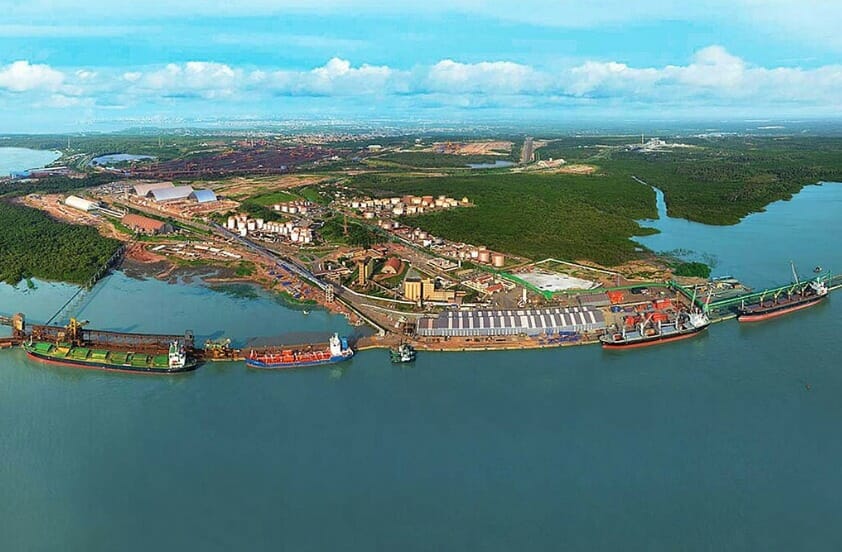
The Technological Integration at the Port of Itaqui Drives Profits and Redefines Port Management
At the confluence of advanced technology and logistical intelligence lies the potential to radically transform the infrastructure sectors. At the epicenter of this revolution is the Port of Itaqui, under the management of the Maranhão Port Administration Company (EMAP), which stands out. Since the adoption of Athenas Logistics’ Smart Logistics Platform in 2017, this port has witnessed a remarkable 153% growth in net profit between 2016 and 2021.
More than Software: Integration and Results
In the complex port ecosystem, the key to a successful digital transformation is holistic integration. Rogério Magela, the visionary CEO of Athenas, argues that autonomous software and isolated best practices are insufficient. What truly matters is a platform that integrates diverse functions, enabling automation, strategic data generation, and the possibility of expansion.
-
With 74% of companies facing difficulties in hiring, technicians and engineers in renewable energy are becoming scarce in Brazil and are essential to support the expansion of solar, wind, and green hydrogen projects.

-
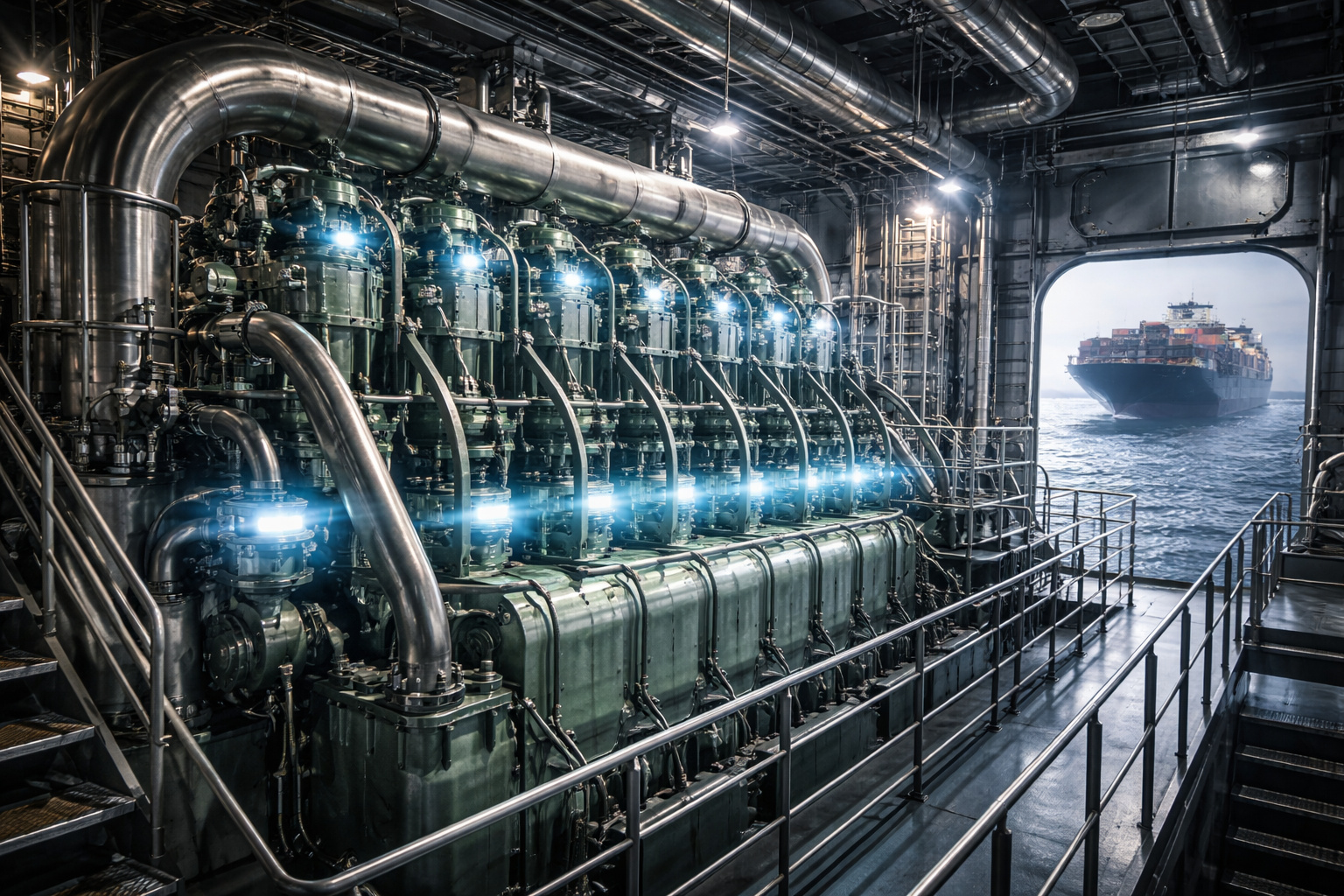
Europe is trying to create an ammonia-powered marine engine without auxiliary fuel, which could unlock the race for giant emission-free ships. The technology aims to eliminate one of the biggest obstacles to clean maritime propulsion.
-
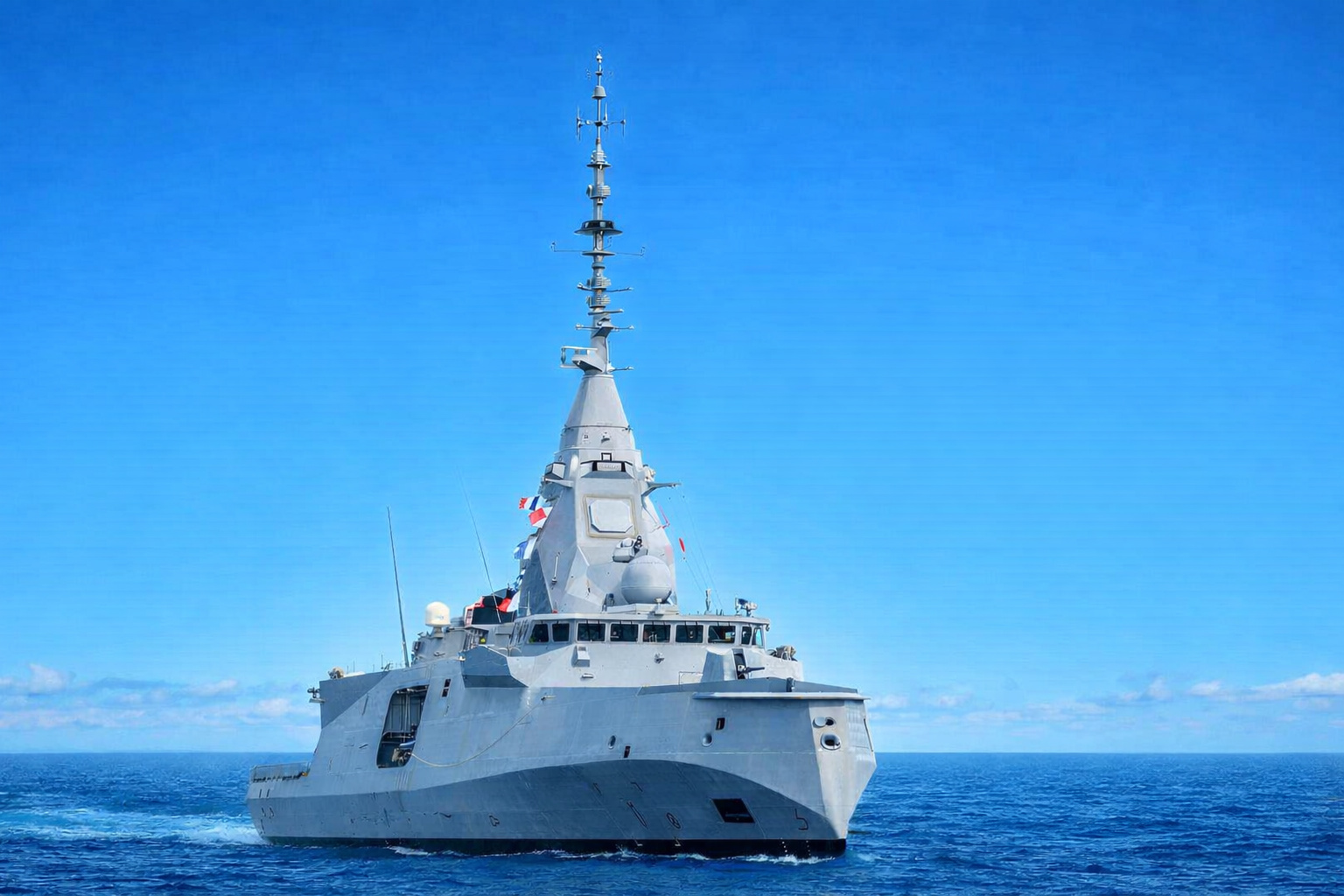
A 4,500-ton frigate with just over 100 crew members, state-of-the-art radar, and cruise missiles is being touted as the new standard of naval warfare in the 21st century.
-
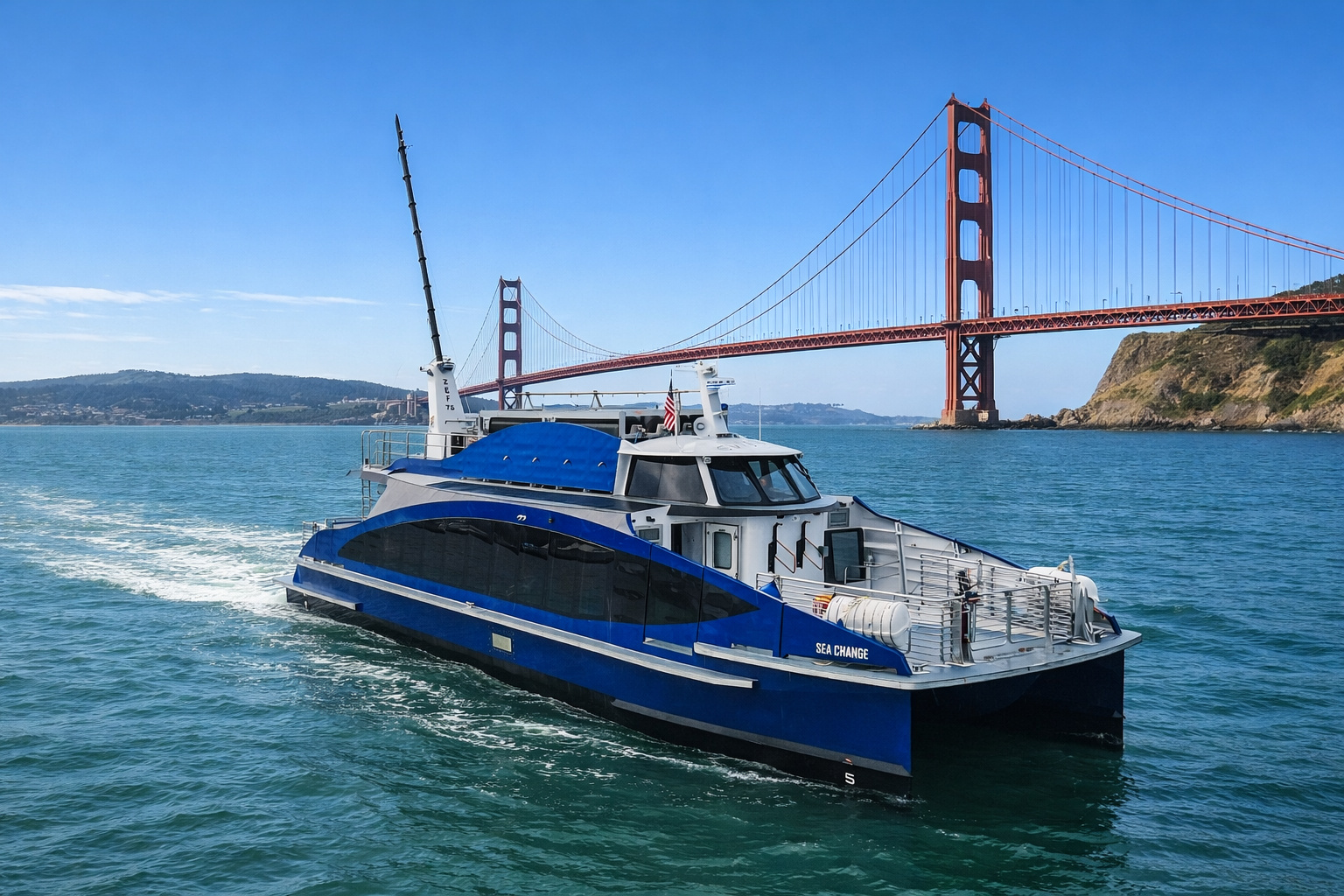
The first commercial hydrogen-powered ferry enters operation in the U.S., eliminates the use of diesel, uses fuel cells to generate clean energy on board, and transforms San Francisco Bay into a landmark of the new era of emission-free navigation.

With the Smart Logistics Platform, the Port of Itaqui was able to centralize all its operational and management actions. This digital leap triggered a series of benefits, such as improved agility, reduced costs, and increased revenues. And the impact goes beyond the numbers, firmly aligning with the ESG agenda, emphasizing environmental sustainability, social responsibility, and good governance.
Digitalized Operations, Tangible Results
The transformation is palpable. Tasks that previously required physical documentation and Excel spreadsheets are now fully digitalized. Various equipment, from OCR cameras to biometric readers, now communicate through the Internet of Things (IoT). Additionally, various systems, including ERP and PowerBI, have been synchronized with the platform, allowing for integrated management of all operations – railway, pipeline, and maritime.
This technological evolution has generated measurable results:
- Acceleration of billing for port operations.
- Document analysis time reduced from 48 hours to 4 hours.
- 61% reduction in paper consumption.
- Real-time data available for 409 internal users and 552 external users across 156 active companies.
- Greater operational control, providing real-time information to multiple stakeholders.
The selection of the platform by EMAP was not accidental. They were impressed by the robustness of the technology and the capacity for customization. With 30 custom plugins already in use, EMAP accommodates various government demands and has established the Port of Itaqui as a reference in the Brazilian port scenario.
An Inspiration for the Future
“EMAP is a pioneer,” proclaims Rogério Magela. With consecutive records for the last five years and its patented innovations, the Port of Itaqui has become an inspiring model for other ports and terminals. The collaboration between EMAP and Athenas Logistics is concrete proof of the power of digital transformation when applied with vision and precision.
Source: Rogério Magela, CEO of Athenas.








Seja o primeiro a reagir!