





 English
  Francês
  Alemão
  Italiano
  Japonês
  Norueguês
  Portuguese
  Spanish
 3 min of reading


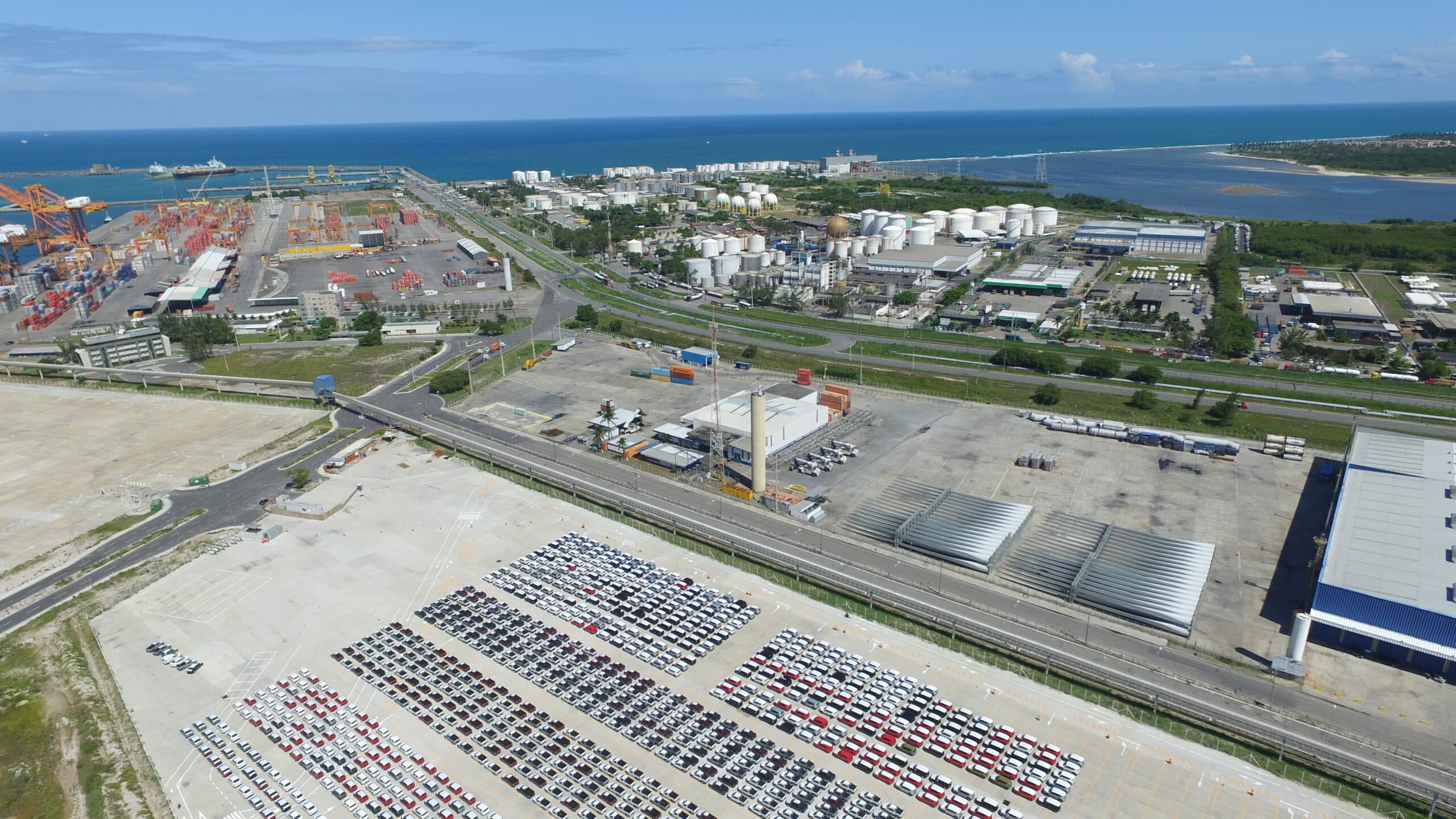
Companies Interested in Manufacturing H2V Have Until September 27 to Submit Their Proposals.
The public call is open for companies worldwide that produce green hydrogen to set up in the Suape Port Industrial Complex, located in the municipality of Cabo de Santo Agostinho, in the metropolitan region of Recife, Pernambuco. Suape Port expects that the future plant will bring an investment of over R$ 20 billion for an area of more than 72 hectares.
According to the public notice, companies interested in manufacturing green hydrogen at Suape Port have until the 27th to submit their proposals. If the sale process is completed by the expected deadline, operations for the new venture should begin in 2025, with 1,200 jobs created during the construction phase and another 420 in the fuel production phase.
The future green hydrogen factory in Suape is expected to have a capacity to generate 1 GW of electrolysis. The company that leases the area offered by Suape Port will be permitted to operate for 25 years, with a possible extension for the same period. The area is located outside the organized port but is managed directly by the state port authority.
-
Government unlocks R$ 554 million for a highway that has been requested for decades and accelerates the duplication of BR.
-
Without bricks, without cement, and without endless construction: the cardboard house that is assembled in modules and can be moved.
-
Billions of barrels on the equatorial margin could lead Amapá to double its oil production in Brazil — the state aims to enter the route of companies in the Campos Basin, attract investments, and boost jobs and businesses in the oil and gas sector.
-
Without bricks, without cement, and without endless construction: the cardboard house that is assembled in modules and can be moved.

For Suape’s CEO, Roberto Gusmão, the arrival of a green hydrogen factory reinforces the port’s commitment to a sustainable future and that the location has much potential to offer to Brazil’s economy. “Currently, there are 224 companies established in the industrial zone, generating more than 40,000 jobs and income for the population. The arrival of a plant of this size not only reinforces our commitment to sustainability but shows that the port has great potential to become one of the continent’s and the world’s most important docks,” he states.
H2V Will Be Produced from Desalination of Seawater
Green hydrogen is referred to as “the fuel of the future.” One of the reasons is the possibility of being produced from the desalination of seawater. What will happen in Suape is the separation of hydrogen from oxygen in the water molecule, through electrolyzers.
According to the Director of Environment and Sustainability at the Port, Carlos Cavalcanti, there is already a regulation procedure with Ibama for the use of seawater for this purpose. “The licensing process takes this into account. We will have desalinizers to use the water molecule,” he explains.
In the gas separation process, hydrogen can be transformed into ammonia, changing from a gaseous state to liquid, which can be used in fertilizers. “Suape is becoming a location for accelerating this energy transition,” predicts Carlos Cavalcanti.
Green hydrogen is a commodity also produced with ethanol, biomass gas, or through the electrolysis of water using wind or solar energy. The product can be used to fuel cars and trucks; ships and airplanes, and in other sectors, such as fertilizer production for agribusiness.
Suape Port Also Invests in Blue Hydrogen
The public call also includes two industrial units for the production of blue hydrogen, from methane steam reforming as a feedstock for subsequent ammonia production.
Companies Have Already Expressed Interest in Producing Hydrogen at Suape Port
The company Qair, formerly Lucia Group, was the first to officially express interest in manufacturing green hydrogen at Suape Port. In March, the company presented a project to move 40,000 tons of liquid ammonia every five days at the location.
The Brazilian company Casa dos Ventos has also shown interest, but the project has not yet been published. Fortescue Future Industries (FFI), a subsidiary of mining company Fortescue Metals Group, is also expected to join the competition.
CTG Brasil, belonging to the Chinese Three Gorges Corporation, also plans to produce green hydrogen on a commercial scale in about four years.






Seja o primeiro a reagir!