





 Portuguese
  English
  Spanish
 3 min of reading


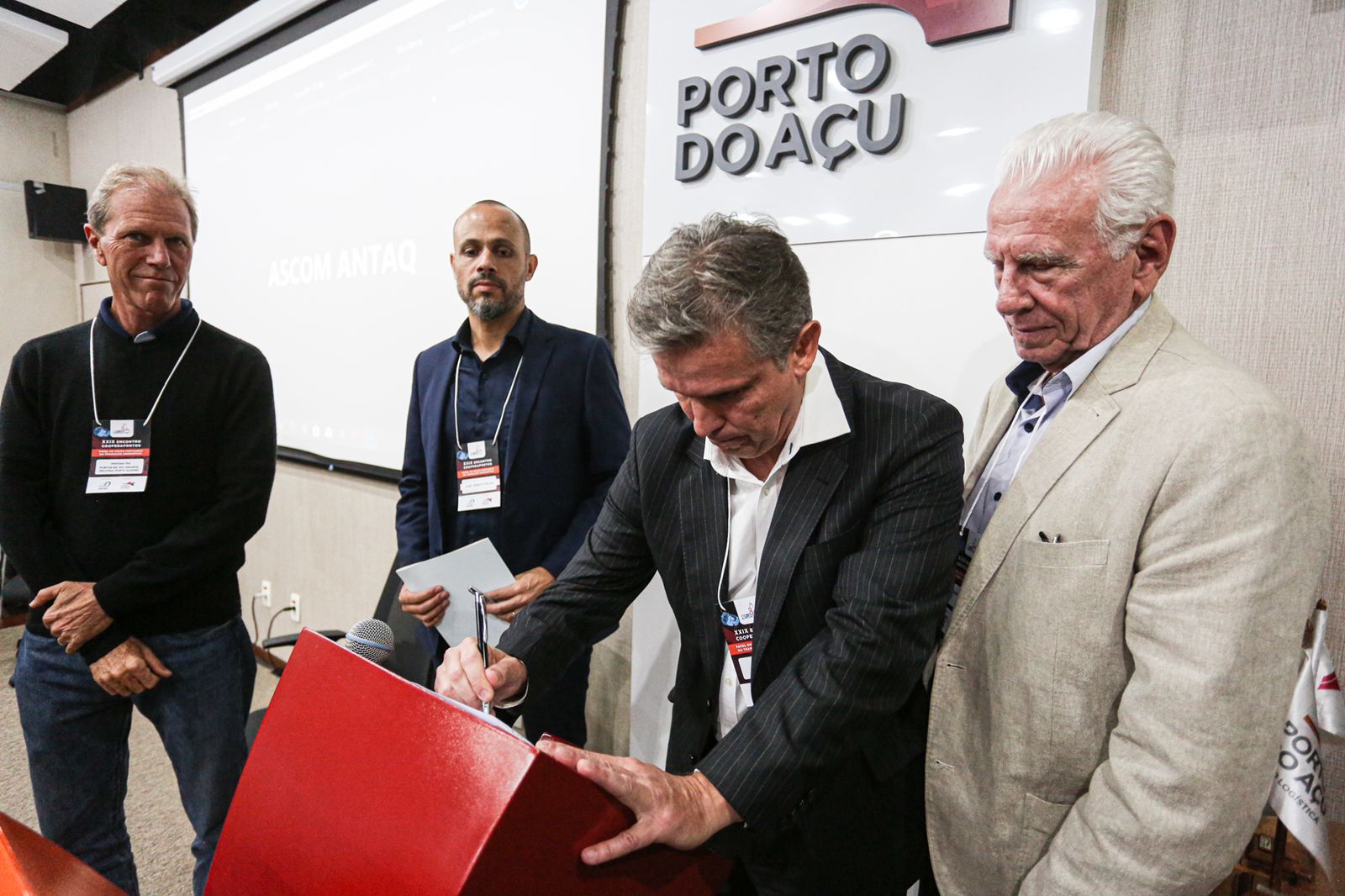
During the Meeting at the Port of Açu, a Memorandum of Understanding Was Signed Between ANTAQ and ATP, Officializing the Entry of Private Terminals into CooperaPortos
Port of Açu hosted, from October 3 to 5, the highest port authorities from Brazil, from both the public and private sectors, for the XXIX CooperaPortos Meeting, which had as its theme the “Role of the Port Sector in the Energy Transition.”
The event, organized in partnership with the National Agency for Waterway Transportation (ANTAQ) and the Association of Private Port Terminals (ATP), held at the largest port-industry complex in the country, allowed for the exchange of experiences and rich debate on Sustainability in the port sector and its responsibilities in the context of low-carbon industrialization.
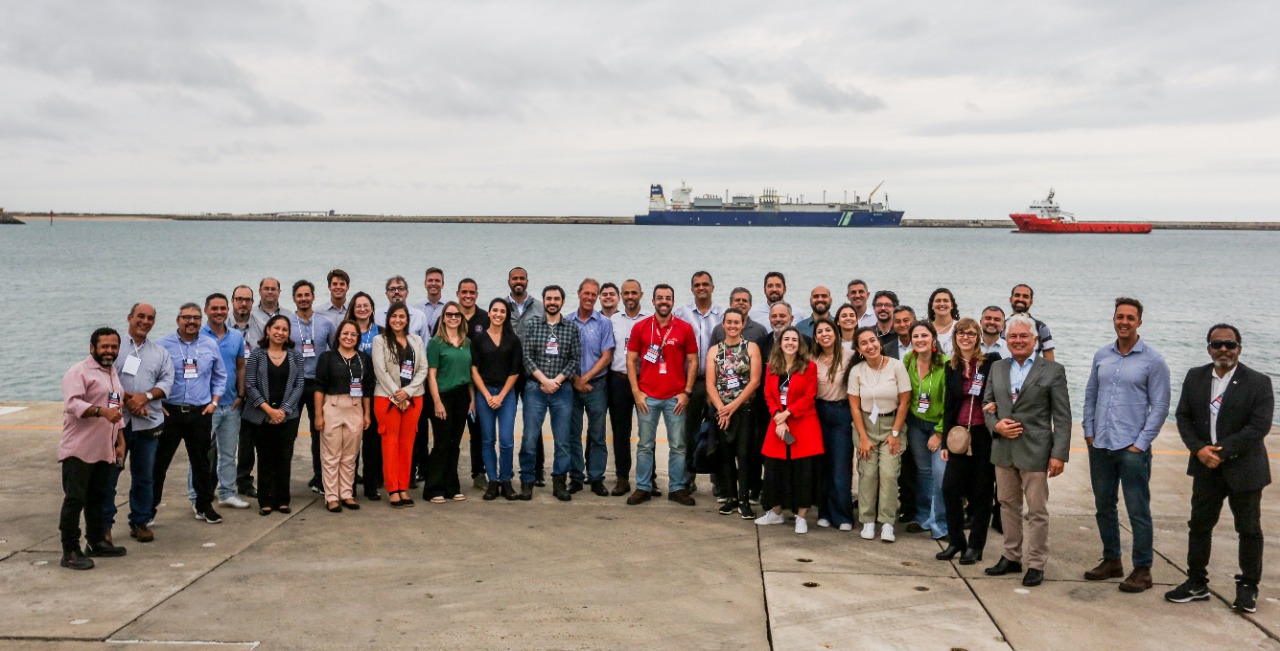
XXIX CooperaPortos Meeting Discusses the Role of the Port Sector in the Energy Transition at the Port of Açu
The 29th edition of the meeting, which was held in a hybrid model, featured different panels and contributions from various stakeholders in port management participating in the event, addressing decarbonization in port activity, regulatory challenges for energy transition in the sector, green fuels, climate change, and offshore wind.
-
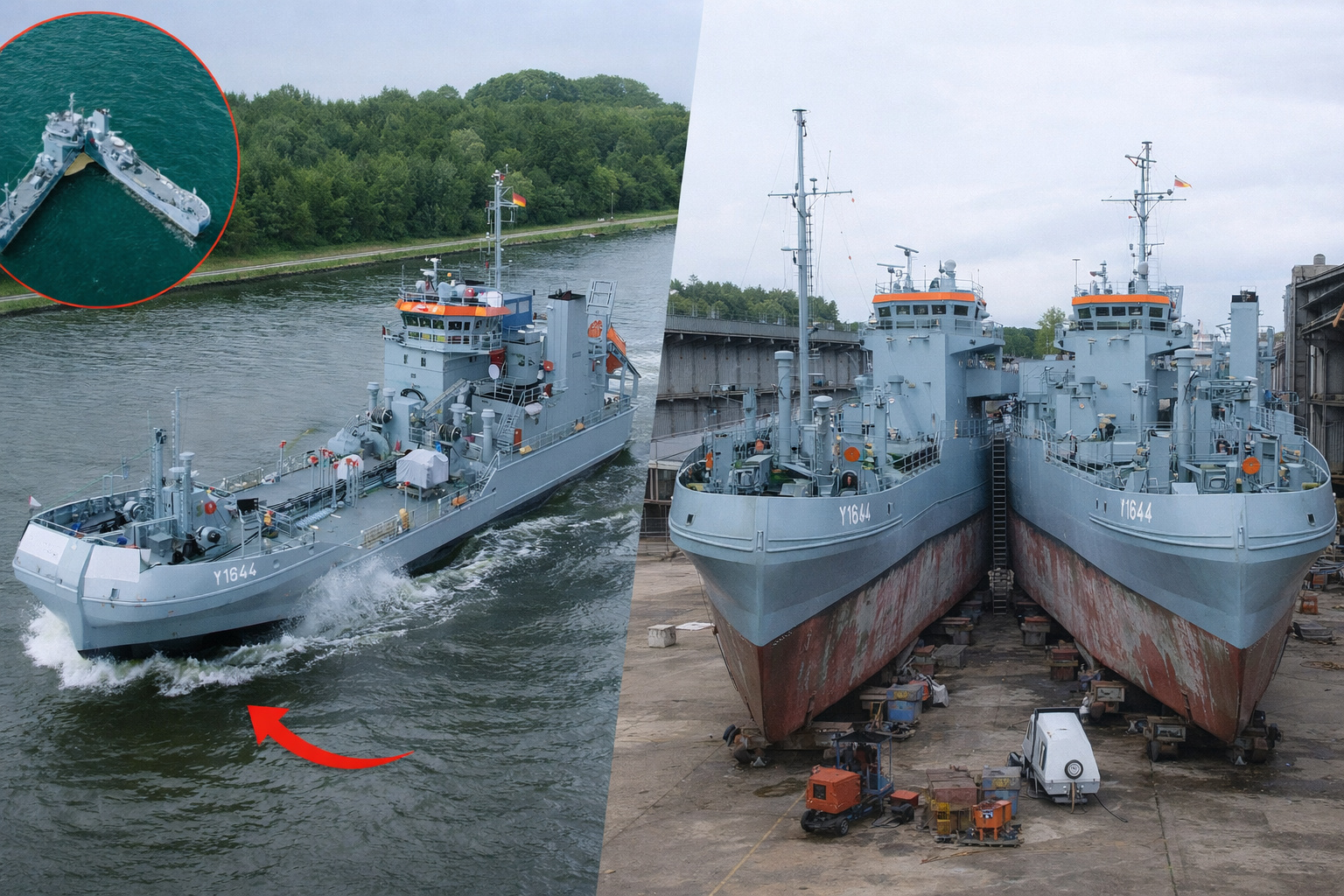
The German ship Bottsand splits its hull in two halves in the middle of the ocean to swallow spilled oil on the surface, separating the oil from the water inside a 790 cubic meter tank and then closing again. It is the only ship in the world factory-designed to split in half as part of normal operations, and the crew of six people who operate everything is civilian.
-
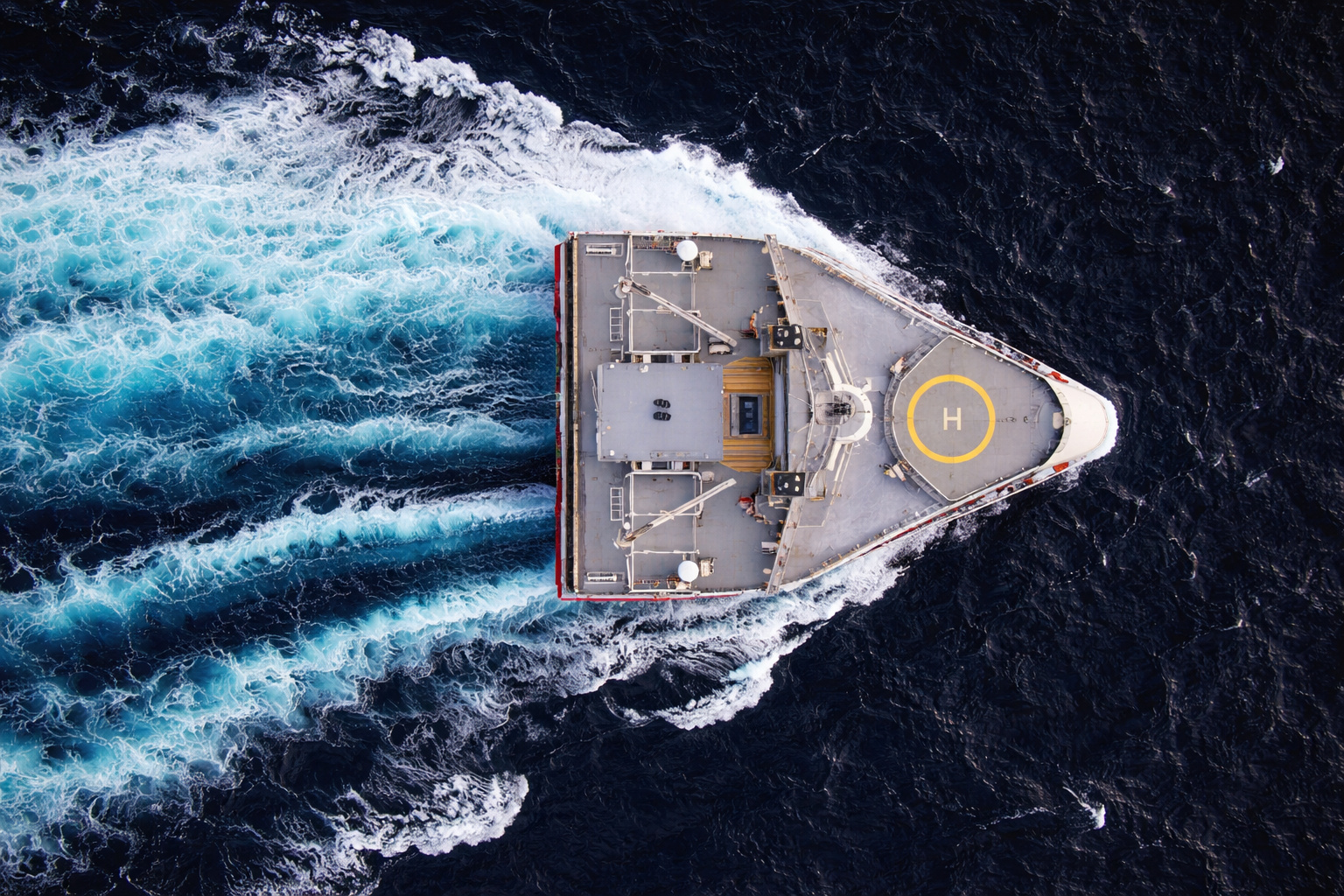
With almost 70 meters in width at the stern and a shape resembling a “giant slice of cheese,” the Ramform Titan tows up to 24 seismic cables to sweep the ocean floor in 3D and reveal oil reserves hidden beneath kilometers of sediment.
-
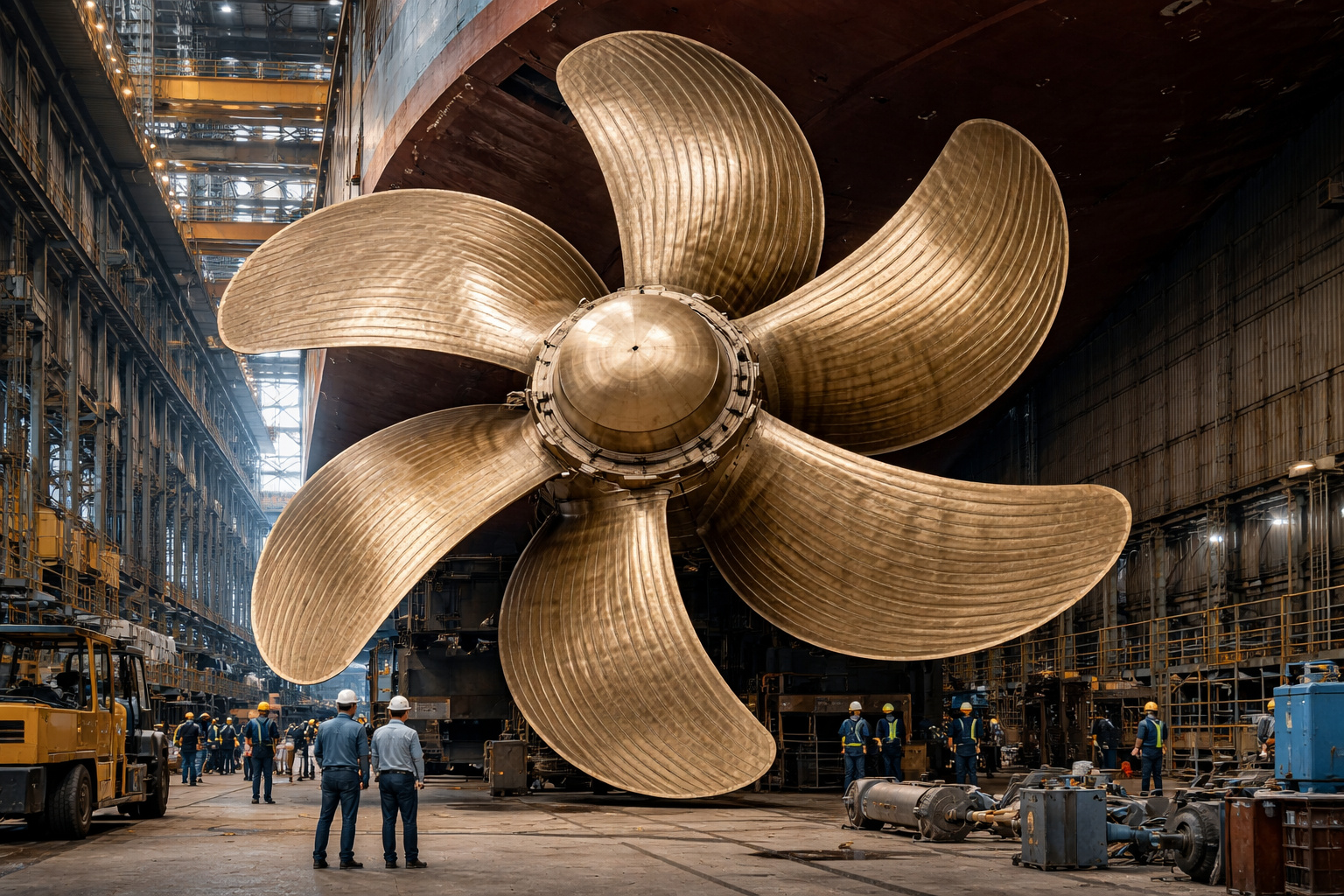
How a 131-ton, 11-meter propeller supports 90% of global trade and transforms the largest container ships on the planet.
-
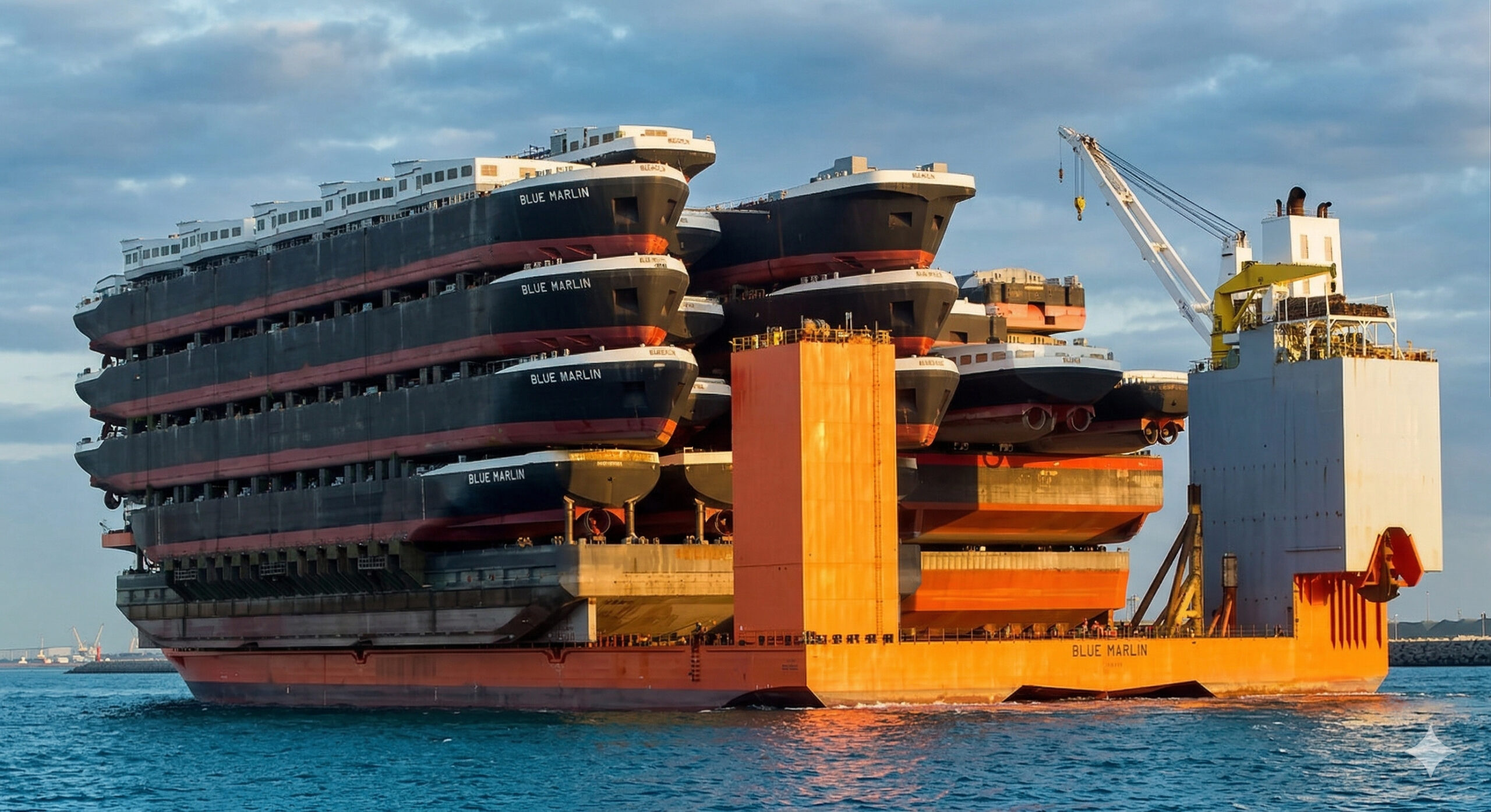
With a length of 225 meters and a capacity of 76 thousand tons, this ship “sinks” its own deck down to 28 meters deep to accommodate war destroyers, oil platforms, and giant radars floating above, and then emerges with everything intact on top like a colossal tray crossing oceans.

“It is with great satisfaction that we host this very important meeting for the port sector at the Port of Açu, which unites its main authorities and regulatory bodies with the unique goal of reflecting on everyone’s commitment to energy transition and best environmental practices. Hosting the discussion of a cutting-edge topic shows the potential of Açu not only for regional economic development but also to foster strategic discussions for the sector,” pointed out Caio Cunha, Port Relations Manager at Reserva Caruara.
During the meeting, a memorandum of understanding was also signed between ANTAQ and ATP, officializing the entry of private terminals into CooperaPortos, with the aim of promoting dialogue and disseminating best practices among the multiple actors in port management.
“The entry of private terminals into CooperaPortos through the cooperation agreement we celebrated at this meeting will only add to and further strengthen our forum. We are very optimistic about bringing together so many important actors on the Sustainability agenda at the Port of Açu, which already promises to be one of the pioneers in offshore wind in the country, in line with our objectives. It is a historic moment for us,” asserted Eduardo Nery, General Director of ANTAQ.
“This adhesion is very positive for all ATP members. The TUPs have a strong desire to work together for Sustainability and exchange best practices. We will certainly bring a significant contribution to CooperaPortos,” guaranteed Murillo Barbosa, Chief Executive Officer of ATP.
Event, which Brought Together Leading Port Authorities in the Country in Different Panels on the Topic, Also Included a Technical Visit to the Port-Industry Complex
The program of CooperaPortos also included a technical visit to the Port of Açu. The group toured the terminals of the enterprise and got to know the infrastructure of the port complex up close. The delegation also visited the Emergency Operations and Response Center (CORE), a unique model in the sector to act in an integrated and agile manner in managing the 130 km² area of the port, and was at the headquarters of Reserva Caruara, a pole of ecotourism, environmental education, and research dedicated to the 4,000 hectares of coastal ecosystem voluntarily protected by the Port of Açu.
In addition to ANTAQ and the ATP, representatives from the Brazilian Navy, Ministry of Infrastructure, Ministry of the Environment, Ministry of Mines and Energy, and the Planning and Logistics Company, among other sector bodies, also participated in the meeting.









Seja o primeiro a reagir!