





 English
  Francês
  Alemão
  Italiano
  Japonês
  Norueguês
  Portuguese
  Spanish
  2 min of reading


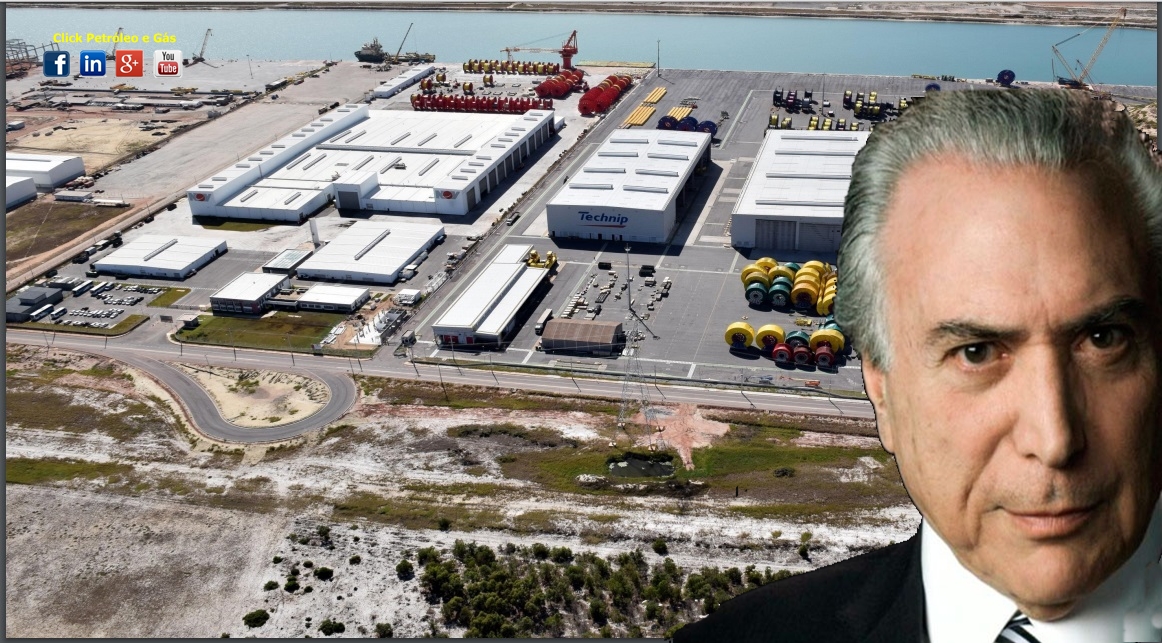
Decree Signed by the Current President Releases the Export Processing Zone of Porto do Açu at Event in São João da Barra
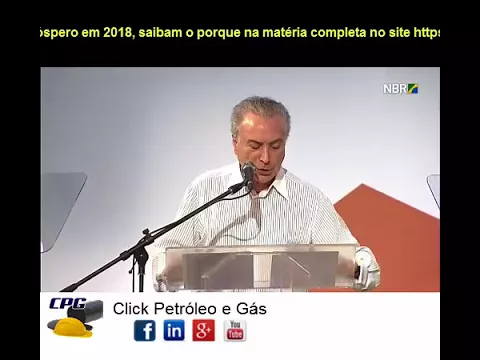
[supsystic-social-sharing id=’1′]The Porto do Açu will now more than ever be the focus of many good future ventures after it was finally released by decree of President Michel Temer this Wednesday (28). The event included executives from the oil, gas, logistics sectors, regional politicians, and ministers. The decree addresses the Export Processing Zone within the port (ZPE). Watch the president’s statement right below after the signing of the decree:

-
Government unlocks R$ 554 million for a highway that has been requested for decades and accelerates the duplication of BR.
-
Without bricks, without cement, and without endless construction: the cardboard house that is assembled in modules and can be moved.

-
Billions of barrels on the equatorial margin could lead Amapá to double its oil production in Brazil — the state aims to enter the route of companies in the Campos Basin, attract investments, and boost jobs and businesses in the oil and gas sector.
-
Without bricks, without cement, and without endless construction: the cardboard house that is assembled in modules and can be moved.

But What Are EPZ’s and How Do They Work?
As the name suggests, these are places where free trade with other countries occurs, aimed at companies focused on productivity and the export of goods and services. As an industrial resource that has functioned in other places, these Export Processing Zones typically generate jobs, add innovative technologies, make the country more competitive in this service modality, attract new investors from various market segments, and generate significant revenues for the city where they are located and for the Union.
In early 2014, Prumo Logística took over the project and changed the focus of the venture. The original idea of the primary project creator at the time, Eike Batista, was to install steel mills, shipyards for OGX, and a factory for electric cars; however, as he was arrested due to the Lava Jato operations, none of this came to fruition. Today, the main activities of Porto do Açu are focused on the transportation of minerals, oil transportation, and support for vessels and offshore units in the oil and gas industry.
It is worth noting that the Porto do Açu will have an independent Thermoelectric Plant, as Prumo and British BP signed a contract last week for the construction and commercialization of this project, and work can begin at any time. Read the full article.






Seja o primeiro a reagir!