





 Português
  Inglês
  Espanhol
 2 min de leitura
  0 comentários


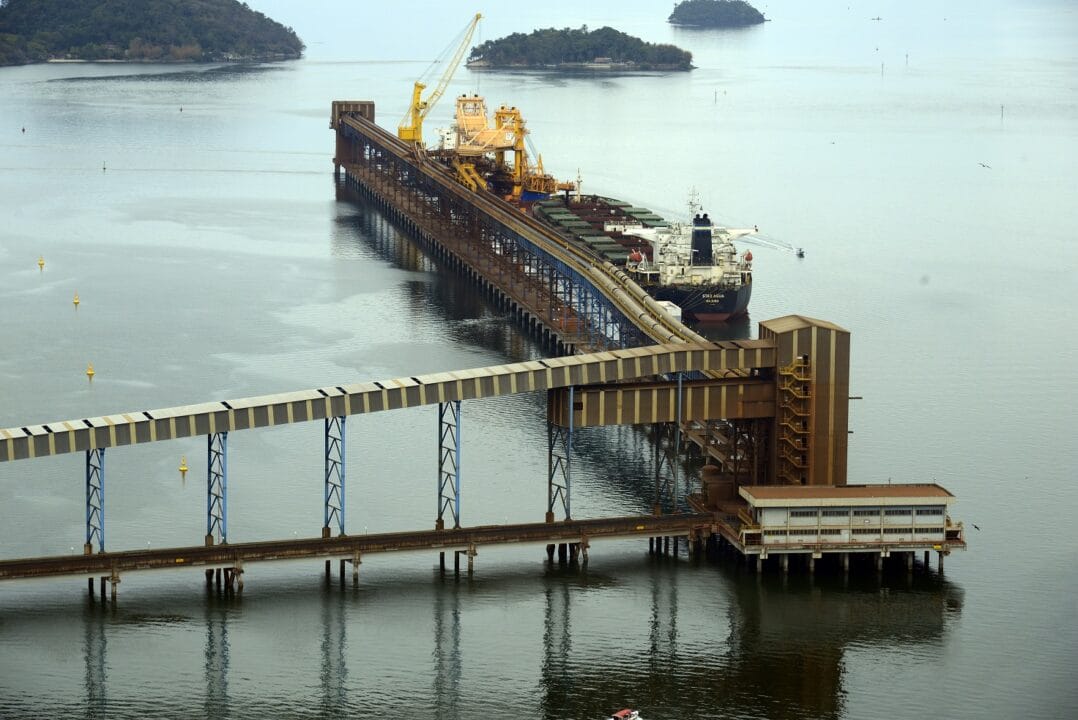
Sustainable Commitment in the Port Sector
In a pioneering move in the port sector, Porto Sudeste, located in Itaguaí, RJ, has set an ambitious goal: a 50.4% reduction in Greenhouse Gas (GHG) emissions from scopes 1 and 2 of its operations by 2033, based on 2021 levels. This announcement represents a significant milestone in the fight against global warming and in adapting to climate change, reflecting a deep commitment to environmental sustainability.
Ulisses Oliveira, director of corporate affairs and sustainability at Porto Sudeste, highlights the importance of this step: “The climate risk study and the setting of GHG reduction targets show how committed we are to the ESG strategy, which is at the core of our business plan. We are not only considering climate and operational risks but actively working to mitigate them.”
Innovative and Sustainable Initiatives
Porto Sudeste has been adopting various measures to achieve its sustainability goals. Among them is the replacement of gasoline with ethanol, the use of certified renewable energy sources, the implementation of solar energy, and the automation of equipment for operational efficiency. These actions are part of a comprehensive effort to include scopes 1 and 2 in its climate strategy.
-
São Paulo surprises the world with a colossal railway network project that promises over 1,000 km of tracks, R$ 194 billion in investments, and 40 projects connecting the capital to the interior with fast and sustainable trains.

-
The world’s largest escalator, measuring 905 meters in China, reduces urban travel time from 1 hour to about 20 minutes and transforms mobility in mountainous regions with an engineering solution adapted to the terrain.

-
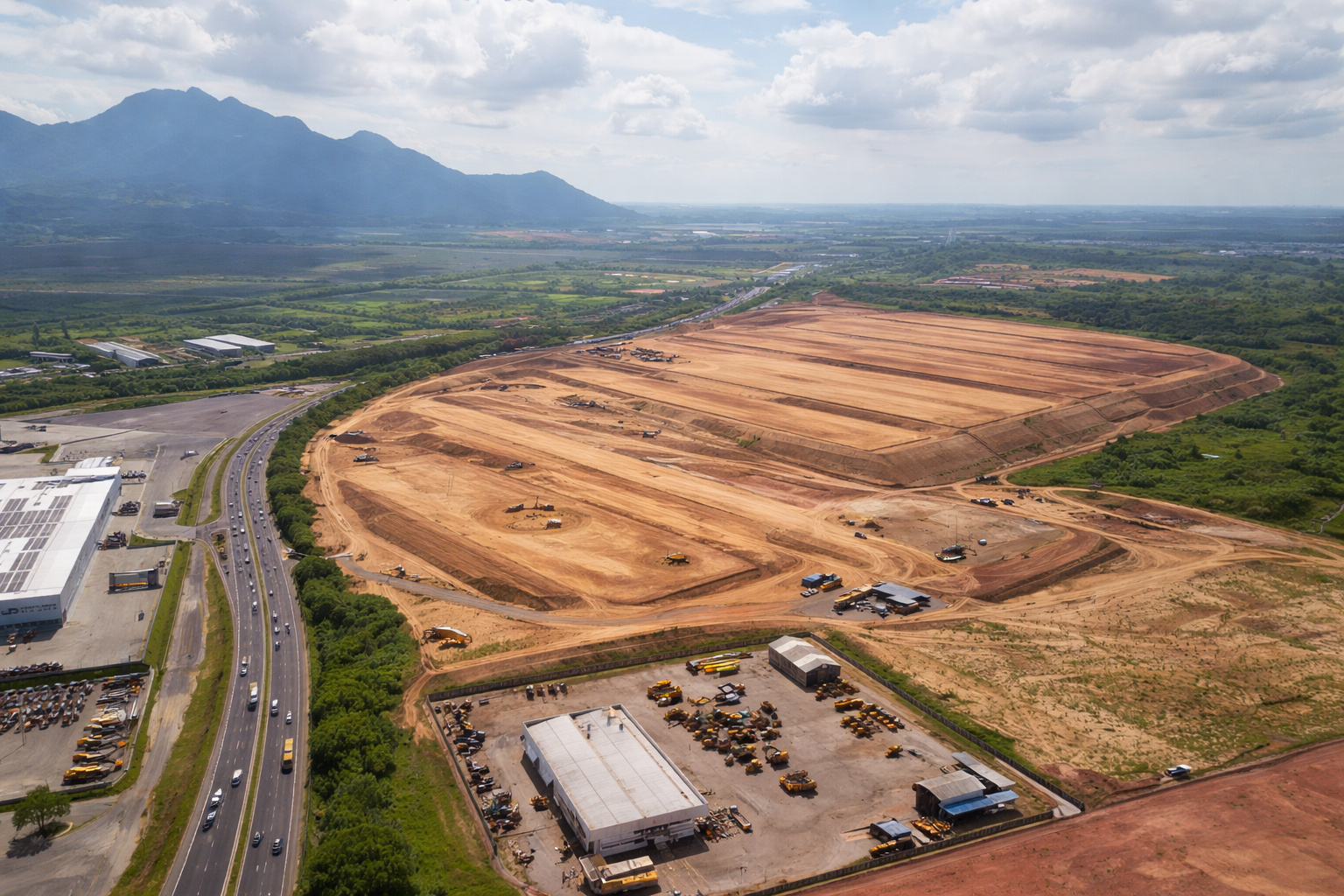
A R$ 300 million logistics giant is taking shape in Serra with over 100,000 m² and raises a question: how can this transform e-commerce and distribution in the state?
-
Could Uber Rides Lose Minimum Fare? Understand What’s Happening!


Furthermore, the Port is a pioneer in hiring Rightship’s tool to measure scope 3 GHG emissions, an unprecedented initiative among Brazilian port terminals. “Addressing scope 3 emissions is a huge challenge, but with Rightship’s technology, we can manage and identify opportunities to reduce our environmental impact,” adds Ulisses.
Results and Future Perspectives
Since 2015, Porto Sudeste has been monitoring its GHG emissions, which has guided its investments in technology and process optimization. In 2023, the company published a complete GHG inventory, receiving the Silver Seal from the Brazilian GHG Protocol Program. The sustainable practices already implemented at the terminal include the use of 100% electric equipment and the reuse of 90% of rainwater harvesting and wastewater treatment.
The Sustainability Report of Porto Sudeste, now following the GRI model, serves as a guide for the company’s organizational strategy, emphasizing Materiality, Stakeholder Engagement, and Prioritization of SDGs.
Operational Impact
Porto Sudeste recorded significant growth in its operations, with 6.9 million tons of iron ore handled in the 3rd quarter of 2023, a 60% increase compared to the previous year. By September, the terminal had already handled 19 million tons, surpassing the record set in 2020. The expectation is to exceed 20 million tons in 2023.
This commitment by Porto Sudeste to decarbonization and sustainability is an example for the sector, showing how concrete actions and a forward-looking vision can lead to a significant positive environmental impact.
Source: Rita Sousa – Communication Consultant.









Seja o primeiro a reagir!