





 Portuguese
  English
  Spanish
 3 min of reading
  0 comments


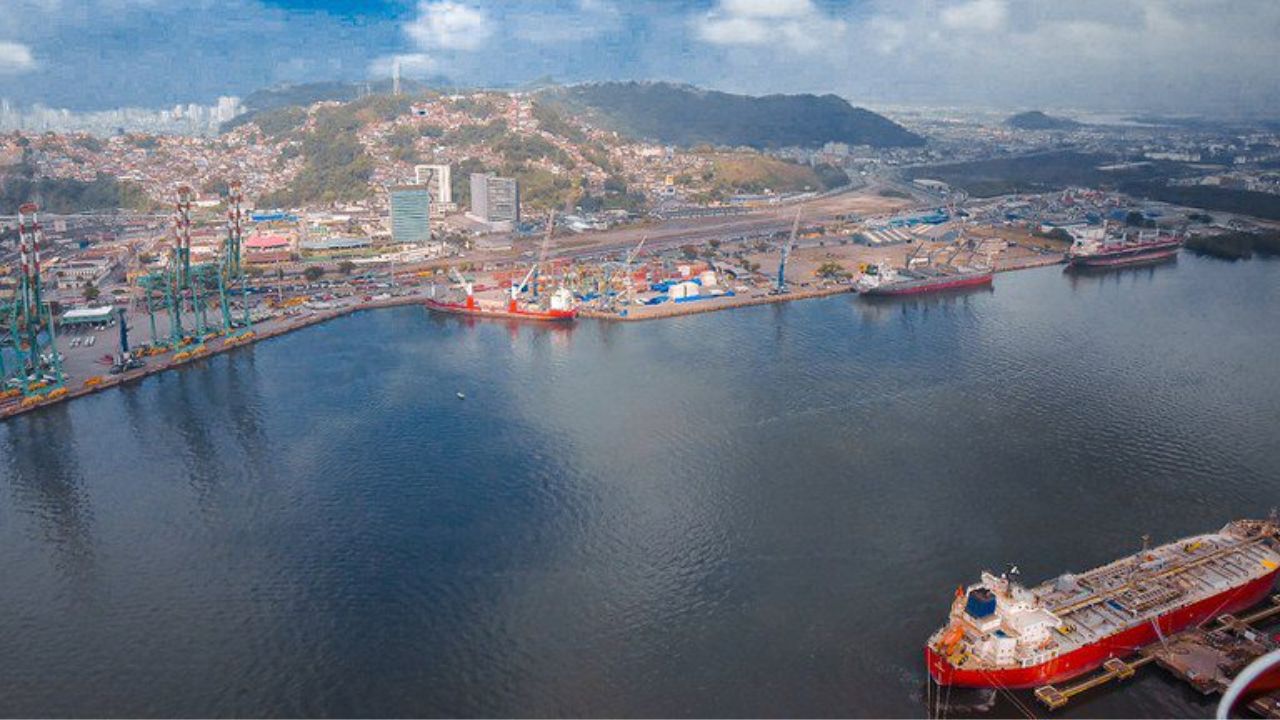
Government Authorizes Over R$ 1.5 Billion in Private Investments for Port Modernization in RJ and SP. Initiative Strengthens Tourism, Logistics, and Economy.
The Ministry of Ports and Airports authorized, on the last June 9th, investments exceeding R$ 1.5 billion from the private initiative aimed at port modernization in Rio de Janeiro and São Paulo. The resources will be allocated to the Maritime Fuel Terminal of Açu (Tecma), in São João da Barra (RJ), and to the Santos Port (SP), the largest in Latin America.
The actions are part of a national plan launched by Minister Silvio Costa Filho, which foresees the release of up to R$ 10 billion in contracts with the productive sector by the end of the year.
Tecma Expands Operations and Strengthens as a Strategic Hub at the Port of Açu
Located in São João da Barra (RJ), Tecma will receive R$ 275.3 million in private investments. The proposal is to expand its infrastructure for handling liquid bulk, focusing on the import and distribution of marine fuels.
-
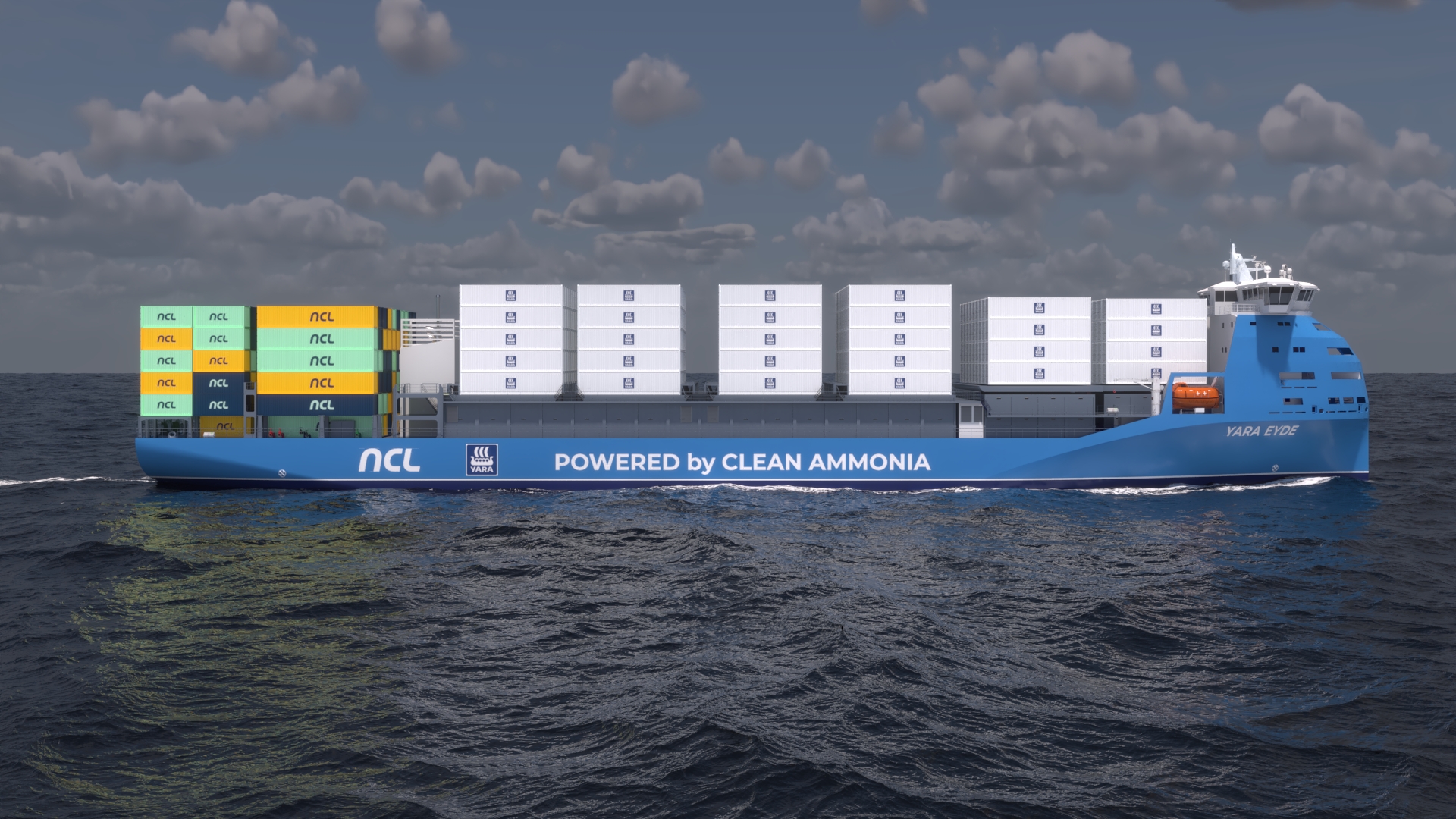
The world’s first container ship powered by renewable ammonia promises to avoid around 11,000 tons of CO₂ per year. The vessel, scheduled to operate in 2026, will connect Norway, Germany, and the Netherlands on one of the shortest and most strategic routes in Europe.
-
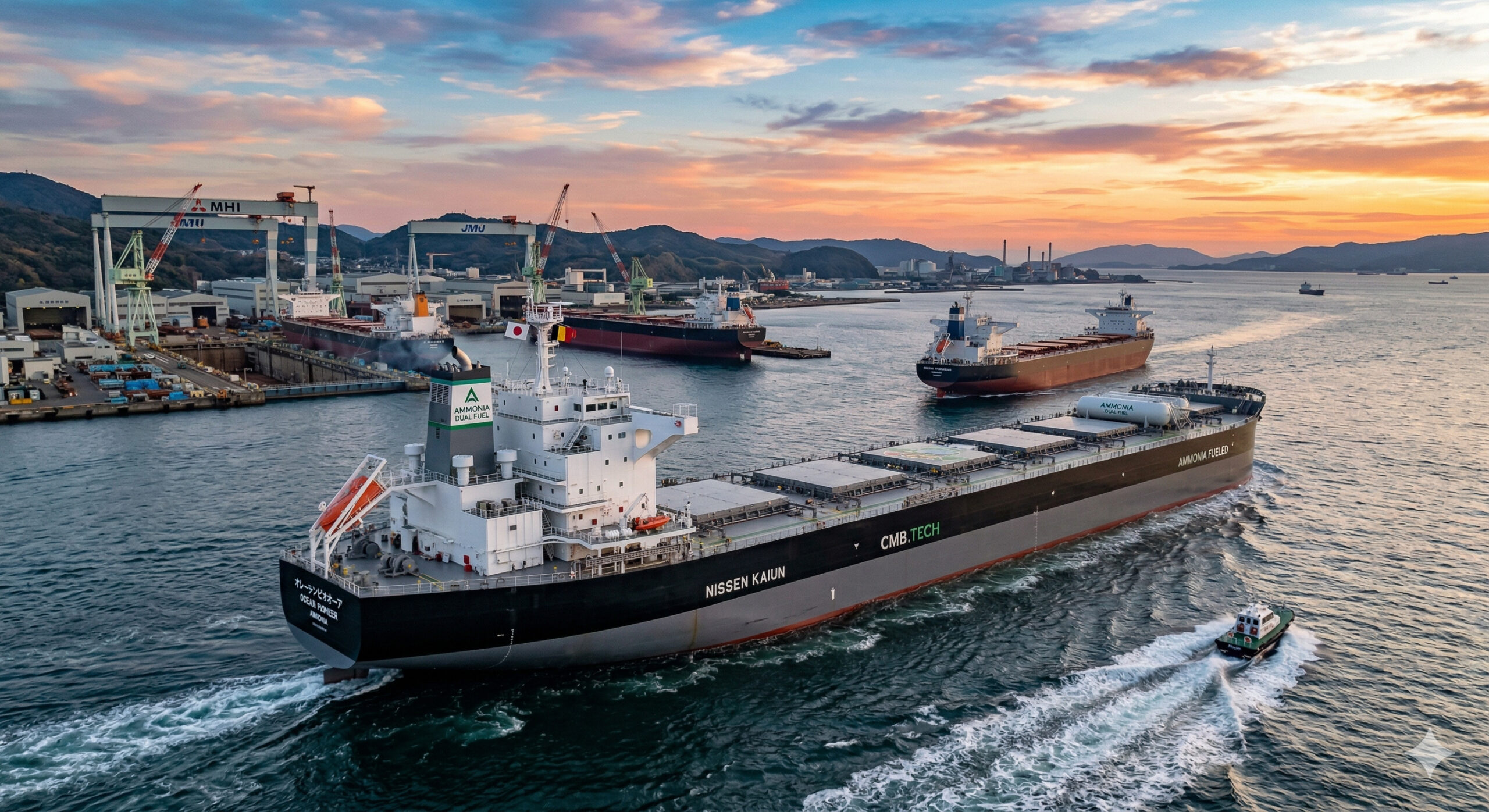
Nine giant ships of up to 210,000 gross tons equipped with dual fuel ammonia engines are being launched by Japan and Belgium. The project includes the world’s first Capesize vessels using this fuel, with contracts of up to 12 years, marking the beginning of a carbon-free ocean fleet starting in 2026.
-
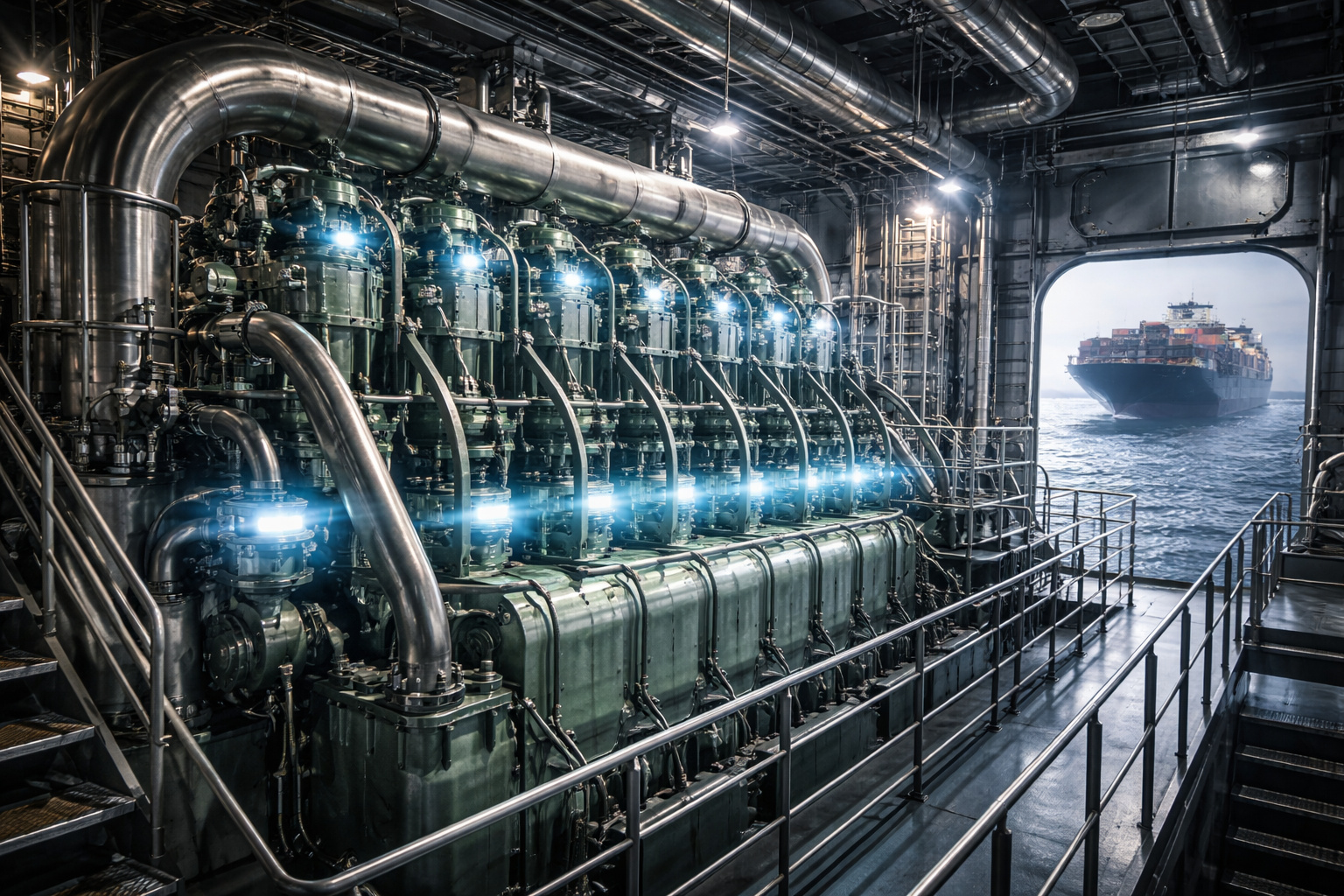
Europe is trying to create an ammonia-powered marine engine without auxiliary fuel, which could unlock the race for giant emission-free ships. The technology aims to eliminate one of the biggest obstacles to clean maritime propulsion.
-
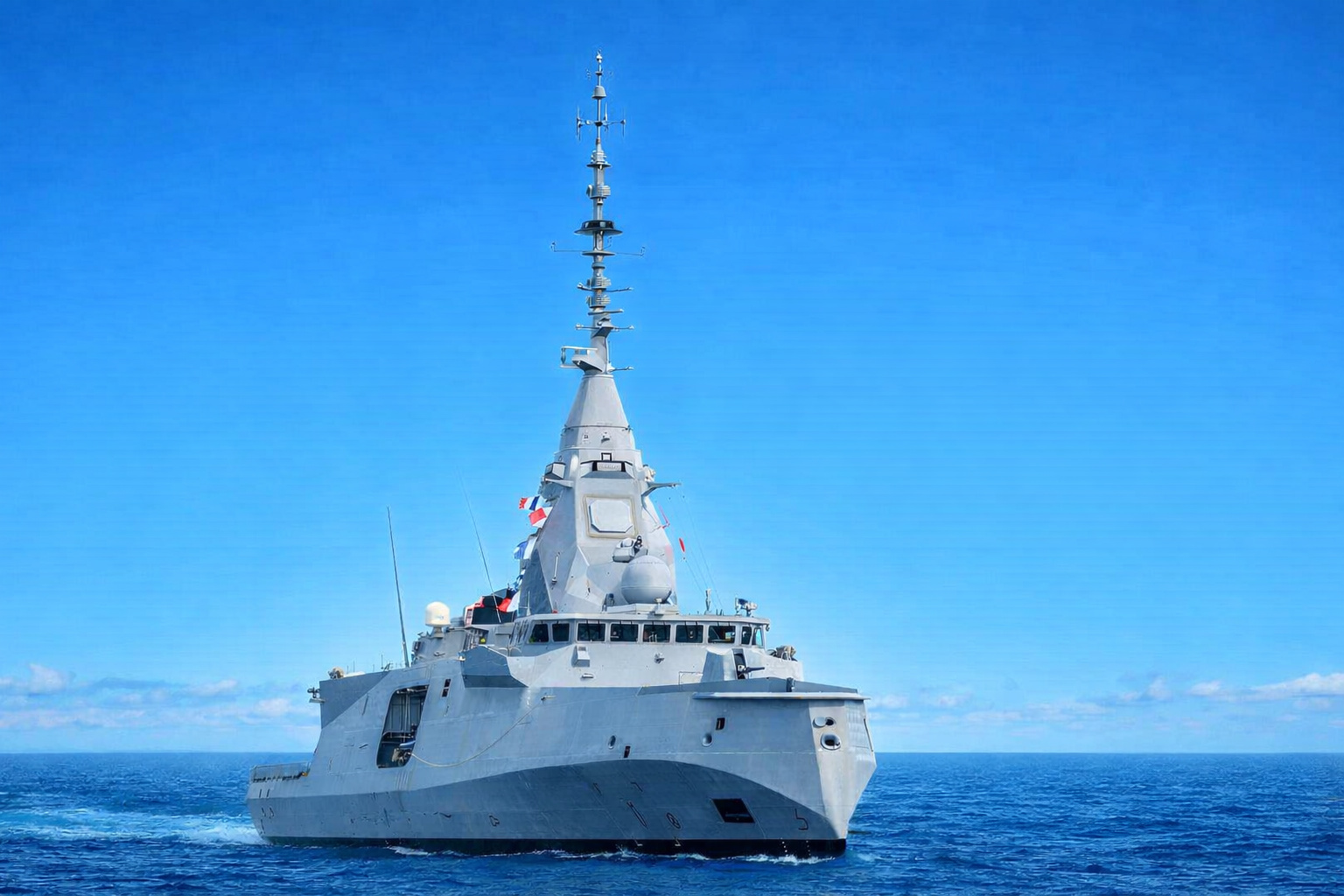
A 4,500-ton frigate with just over 100 crew members, state-of-the-art radar, and cruise missiles is being touted as the new standard of naval warfare in the 21st century.
With this expansion, the terminal reinforces its role as a logistical hub for vessel supply, operating both at the Port of Açu and offshore, directly at oil platforms.
This flexibility places Tecma in a strategic position to serve the energy sector and the shipbuilding industry in Brazil.
Santos Port Will Have a New Cruise Terminal and Boosts Tourism on the São Paulo Coast
In São Paulo, Santos Port will be benefited with R$ 1.24 billion, an amount that will be applied to the “Santos + Vivo” project.
The initiative includes the construction of a new passenger terminal at Ponta da Praia, in an area of 294,000 m².
With this modernization, the port structure will be prepared to receive a larger number of cruise ships, which should foster maritime tourism and boost the regional economy.
The project is part of a package of actions to strengthen Brazilian ports as engines of sustainable development.
Over R$ 10 Billion in Contracts for Ports by the End of 2025
During the signing ceremony of the new authorizations, Minister Silvio Costa Filho emphasized that the contracts already total R$ 4.7 billion at this initial phase and that new authorizations, still in 2025, are expected to raise the total to over R$ 10 billion in private investments in national port infrastructure.
“In addition to the R$ 4.7 billion in resources mobilized with the authorizations signed at this ceremony, projects worth over R$ 5 billion are expected to be authorized by the end of the year,” said the minister.
The national secretary of Ports, Alex Ávila, highlighted that the investments demonstrate the strength of the Brazilian port model and the importance of collaboration between the public and private sectors. He emphasized that 65% of cargo movement in Brazil occurs in terminals for private use.
“Contrary to what was once thought, there is no competition between public ports and private ports, but rather initiatives that complement each other,” said Ávila.
São Sebastião Will Have Operations Extended Until 2057 and May Become a New Container Hub
Another highlight in the process of port modernization was the extension of the delegation of the Port of São Sebastião (SP), signed in February.
The new deadline extends to 2057 and paves the way for a project to transform the location into a logistical hub for containers, reinforcing the region’s role in the national scenario.
According to Minister Silvio Costa Filho, this initiative aims to boost economic development and enhance Brazil’s competitiveness in international trade.





-

Uma pessoa reagiu a isso.