





 Portuguese
  English
  Spanish
  4 min of reading
  0 comments


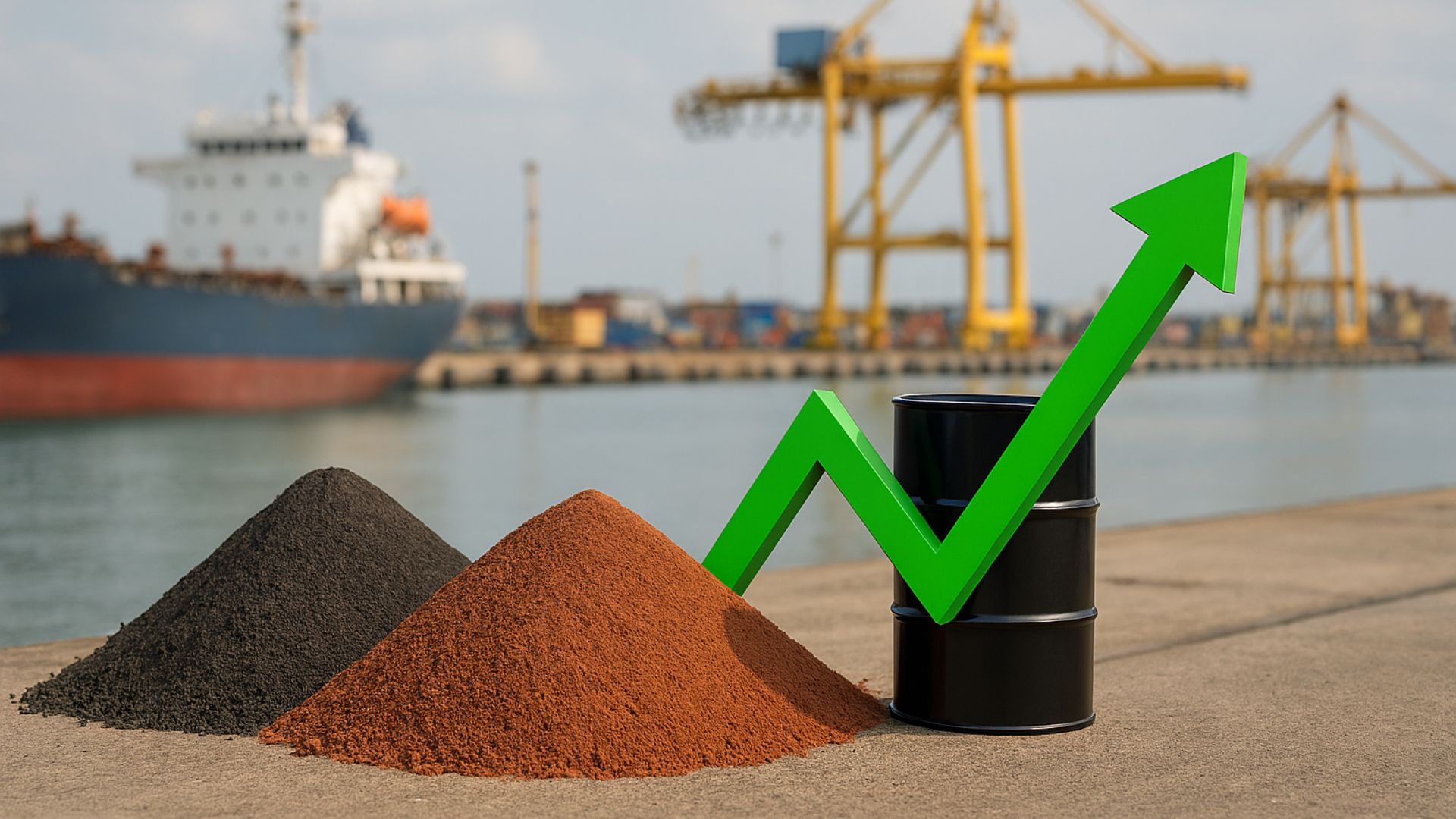
The Southeast Ports Set a New Record for Cargo Movement in the 3rd Quarter of 2025, With Strong Growth in Oil Transport and Advancement of Authorized Terminals
On November 18, 2025, the National Agency for Waterway Transport (Antaq) released data confirming an unprecedented achievement: the Southeast ports handled 186.7 million tons between July and September 2025. This volume represents a growth of 9.10% compared to the same period in 2024, consolidating the region as the main logistics hub in the country.
Authorized Terminals Lead Growth at the Southeast Ports
The performance was primarily driven by the Authorized Terminals, which accounted for more than two-thirds of the total movement, particularly highlighted by shipments of oil and iron ore. This result reinforces the strategic importance of the Southeast region for Brazilian foreign trade.
The Authorized Terminals (TUPs) were the main protagonists of the advancement registered in the third quarter. According to Antaq, these private terminals handled 124.5 million tons, representing a 13.6% increase compared to the same period in 2024. In contrast, the Organized Ports (public) grew only 1.09%, totaling 62.2 million tons.
-
Brazilian giant expands borders in the Southeast: Petrobras confirms new oil discovery in ultra-deep waters in the pre-salt of the Campos Basin.

-
Alert in the global energy market: Severe tropical cyclone hits the coast and disrupts gas production at major plants in Australia, threatening global supply.

-
Petrobras finds high-quality oil in the pre-salt at 113 km from RJ and reignites expectations about strategic reserves in the Campos Basin.

-
Ocyan opens registrations for startups focused on innovation in the oil and gas sector and will select projects for Innovation Day with the support of Nexio.


Operational efficiency, management autonomy, and investment capacity of the TUPs have been decisive for the record cargo movement. These terminals offer greater logistical flexibility, attracting large volumes of commodities, especially solid and liquid bulk.
Moreover, the Authorized Terminals have stood out for their ability to adapt to international market demands, directly contributing to the competitiveness of the Brazilian port sector.
Oil and Bulk: The Engines of the Record Cargo Movement
The movement of liquid bulk, led by oil, jumped 21.6% during the period. This growth reflects both the increase in domestic production and the rise in international demand for fossil fuels. Oil was the main product shipped, establishing itself as a key element in the logistics of the Southeast ports.
Additionally, solid bulk, such as iron ore, also showed robust performance, significantly contributing to the total volume. The combination of these two segments was essential for the historic result. Oil and iron ore were the protagonists of the third quarter, boosting the numbers and strengthening the Brazilian trade balance.
Modern Infrastructure and Continuous Investments
The performance of the Southeast ports is also directly linked to investments in infrastructure, especially in the Authorized Terminals. The expansion of drafts, acquisition of modern equipment, and digitalization of processes have increased productivity and reduced operational costs.
Moreover, multimodal integration projects — such as railways and highways connected to the ports — have facilitated cargo transport, making the system more agile and efficient.
Companies operating at the region’s ports have invested in automation, artificial intelligence, and real-time monitoring systems, which ensure greater predictability and safety in operations.
Sustainability and Energy Efficiency at the Authorized Terminals
Another significant point is the advancement of sustainable practices in the region’s ports. Many Authorized Terminals have adopted low environmental impact technologies, such as water reuse systems, use of solar energy, and control of atmospheric emissions.
These initiatives not only meet regulatory requirements but also add value to operations, attracting companies committed to the ESG (environmental, social, and governance) agenda. Sustainability is part of the new logistics standard, and the Southeast ports have excelled in this regard.
Furthermore, there are ongoing initiatives to reduce the use of fossil fuels in port operations, with the adoption of electric vehicles and clean energy systems.
Challenges and Perspectives for the Southeast Ports
Despite the positive performance, the Southeast ports face challenges such as regulatory bureaucracy, the need for continuous capacity expansion, and international competition.
The complexity of environmental licensing processes and the sluggishness in the release of construction projects are still obstacles that need to be overcome. However, the outlook for the last quarter of 2025 is optimistic, with expectations of maintaining the growth pace.
The expectation is that the Authorized Terminals will continue to lead the movement, especially with the increase in exports of oil and bulk. The future points to new records, and the Southeast region should continue to be the main logistics axis of the country.
The Strategic Role of the Southeast Ports in Foreign Trade
The record cargo movement registered in the third quarter of 2025 confirms the strategic importance of the Southeast ports for the Brazilian economy. With 186.7 million tons handled, the region consolidates itself as a reference in port logistics, driven by the Authorized Terminals and strong demand for oil and bulk commodities.
This performance reinforces the need to continue investing in infrastructure, innovation, and sustainability. For companies, investors, and public managers, the data reveals concrete opportunities for expansion and partnerships. And for Brazil, it represents a decisive step towards logistical excellence and global prominence in maritime trade.
The consolidation of the Southeast ports as national leaders is not only a reflection of their privileged geographic location but also of the ongoing effort in modernization, efficiency, and integration with global supply chains. The outlook is promising, and the upcoming quarters should confirm this trend of sustainable and strategic growth.









Seja o primeiro a reagir!