





 Portuguese
  English
  Spanish
  3 min of reading


With the New Logistics Rules at the Ports of Paranaguá and Antonina, Productivity in Fertilizer Import Operations Increased by Nearly 30% and Ships Are Now Able to Unload in a More Organized and Efficient Manner
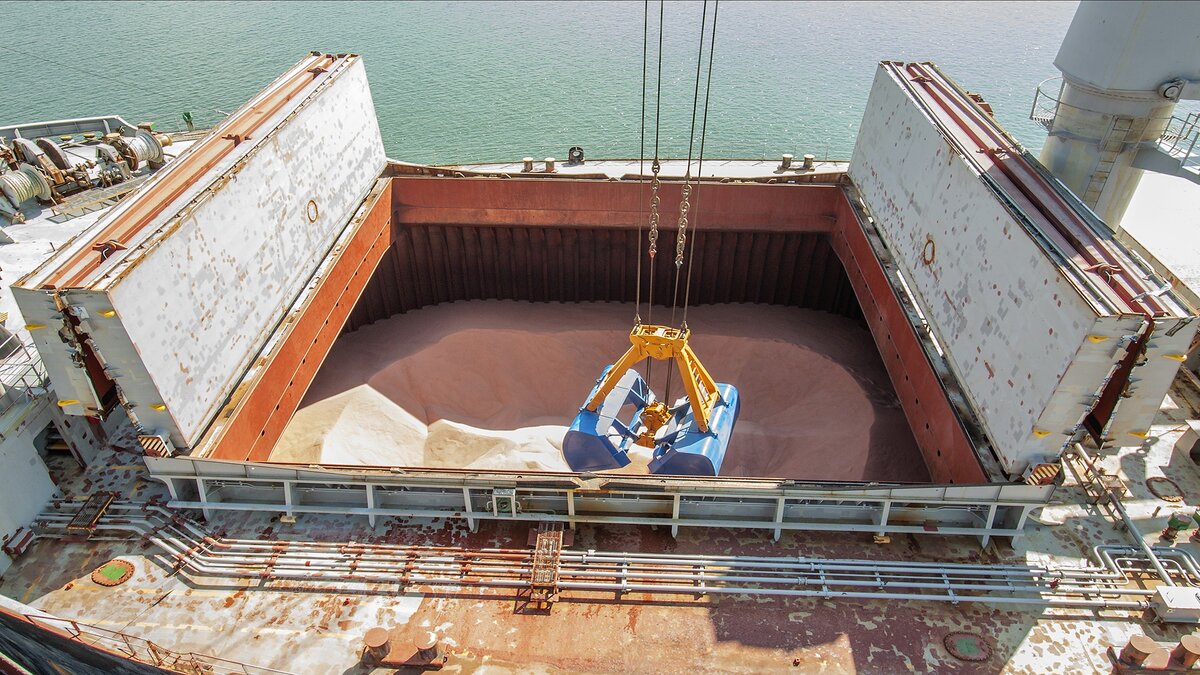
After a major issue with the logistics of unloading ships carrying out fertilizer import operations last week, the administration of the Ports of Paranaguá and Antonina changed the rules for these operations and, during last Wednesday (04/20), stated that it managed to increase productivity for this product flow by nearly 30%, thus reducing the waiting time for vessels.
Productivity in Unloading Ships Awaiting Fertilizer Imports at the Ports of Paranaguá and Antonina Grows 30% with New Logistics Rules
The international fertilizer market deficit following the onset of the war between Russia and Ukraine severely worsened the situation for product imports into the country. However, after several weeks of significant problems unloading ships carrying the cargo at the Ports of Paranaguá and Antonina, Portos do Paraná made changes to the logistics rules for this activity and managed to normalize the situation, increasingly expanding productivity in this segment.
As a result, the logistics of operations became increasingly efficient this week, and with the changes in operational rules, the ports achieved an increase of nearly 30% in productivity levels for each unloading operation of imported bulk goods. The current average, according to Portos do Paraná, is over 40,000 tons per day at the ports, representing a total of two fully loaded ships with fertilizer bulk for import.
-
With 74% of companies facing difficulties in hiring, technicians and engineers in renewable energy are becoming scarce in Brazil and are essential to support the expansion of solar, wind, and green hydrogen projects.

-
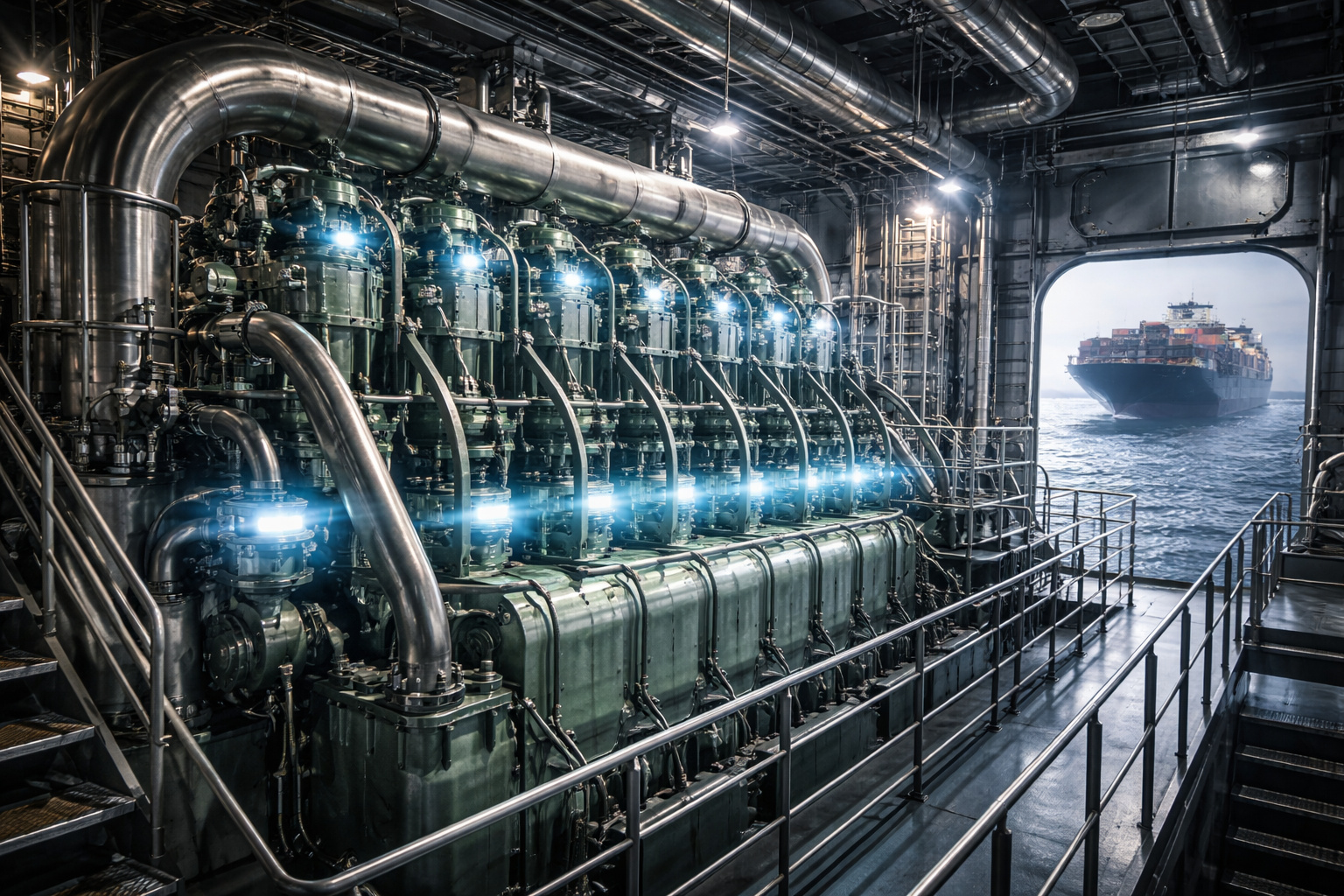
Europe is trying to create an ammonia-powered marine engine without auxiliary fuel, which could unlock the race for giant emission-free ships. The technology aims to eliminate one of the biggest obstacles to clean maritime propulsion.
-
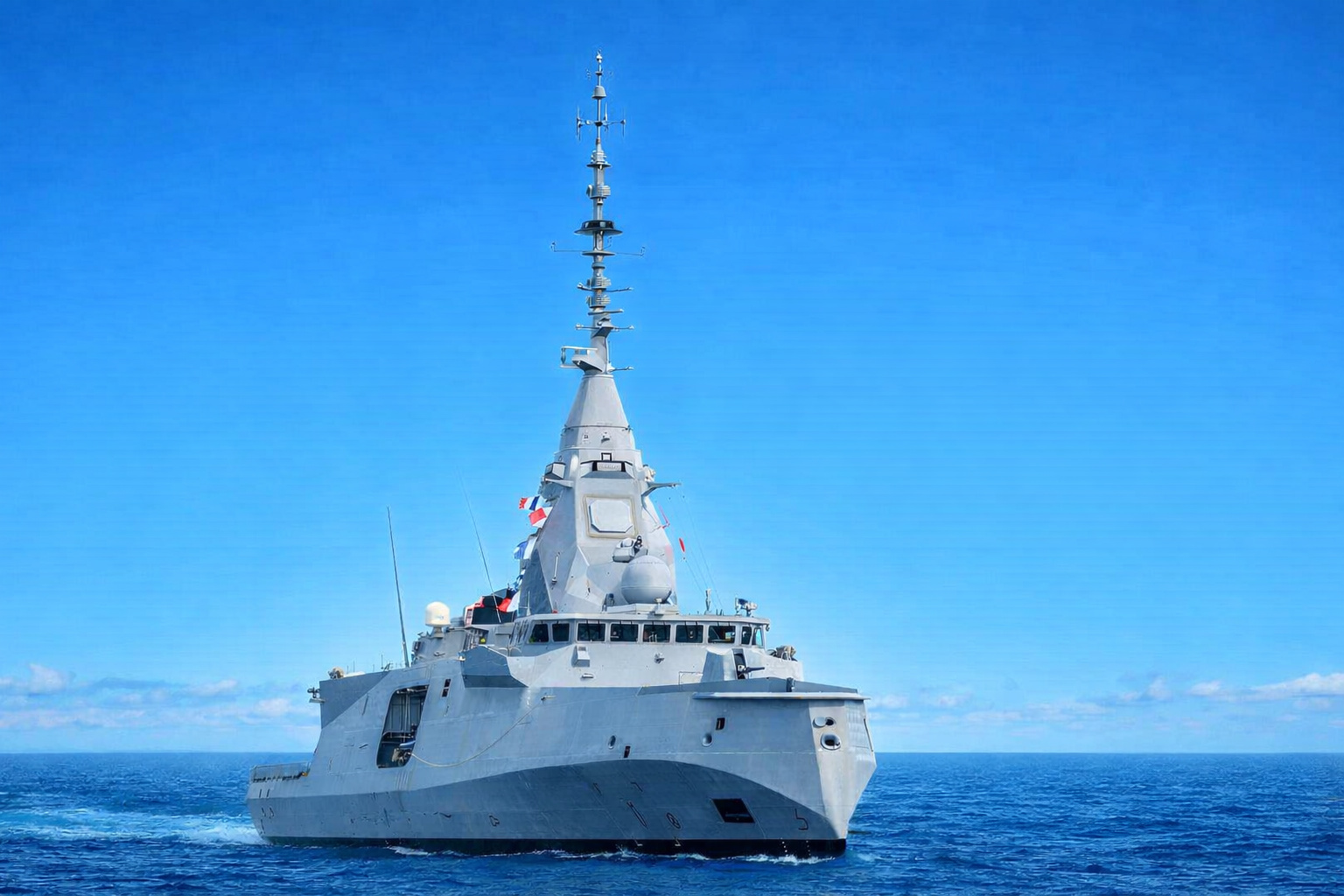
A 4,500-ton frigate with just over 100 crew members, state-of-the-art radar, and cruise missiles is being touted as the new standard of naval warfare in the 21st century.
-
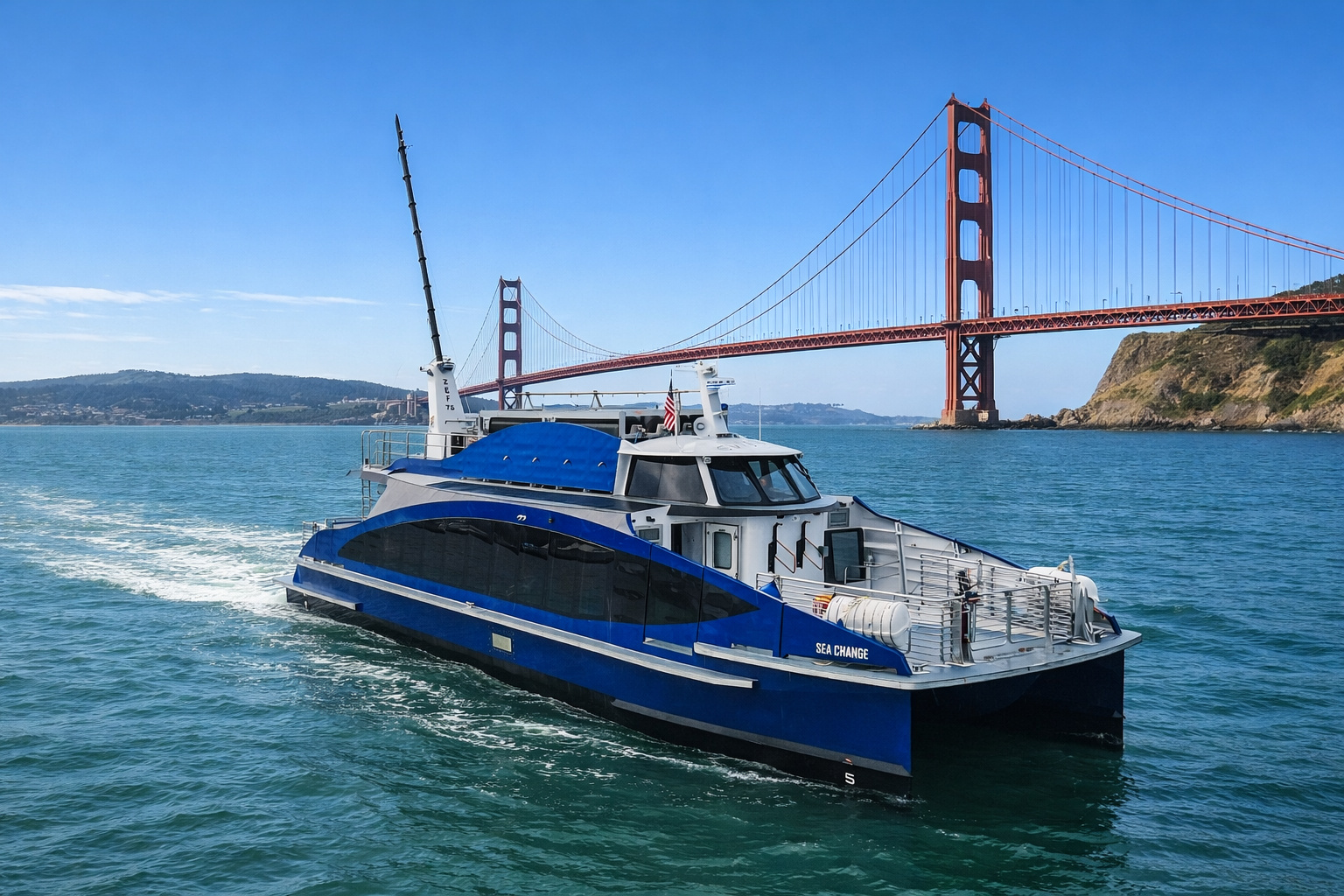
The first commercial hydrogen-powered ferry enters operation in the U.S., eliminates the use of diesel, uses fuel cells to generate clean energy on board, and transforms San Francisco Bay into a landmark of the new era of emission-free navigation.
Additionally, this new logistics brought even better results for the total volume moved per month, and according to the company’s projections, the ports will be able to increase from 800,000 tons/month to over one million tons. The changes in operational rules for fertilizer imports are also linked to a strong mobilization of port workers and companies to significantly reduce the waiting time for ship unloading, which was previously estimated at up to 60 days, to ensure more efficiency and speed in these operations at the complexes.
Ports of Paraná Are the Main Entry Points for Fertilizer Imports in Brazil and the Management of the Complexes Continues to Invest More in Operational Logistics Improvements
Although Brazil has a large number of ports capable of importing these fertilizers, the ports in the state of Paraná, specifically those at Paranaguá and Antonina, are the main entry routes for this product. According to data from the Ministry of Economy (ComexStat), based on the data from the first quarter of the year, about 31.5% of the products imported by Brazil arrive via Paranaguá and Antonina, demonstrating the importance of these complexes for operations.
Thus, the president of Portos do Paraná, Luiz Fernando Garcia, commented on the need for even more investments in the operational logistics of ship unloading and stated that “The Port of Paranaguá has one of the best average operational rates for unloading products among Brazilian ports. To ensure greater efficiency in the fertilizer segment, the ‘average rate’ varies from 6,000 to 9,000 tons per day, per berth or ship,” and highlighted the factors that influence productivity: “It depends on the destination of the product, timing; the conditions for receiving the goods, transporting to the interior; among other factors, such as rain as well.”
Therefore, the Portos do Paraná company continues to invest in better operational logistics and, over the coming months, expects to further increase fertilizer unloading, expanding the current volume of 40,000 tons per day to attract even more ships carrying the product.








Seja o primeiro a reagir!