





 Portuguese
  English
  Spanish
  3 min of reading


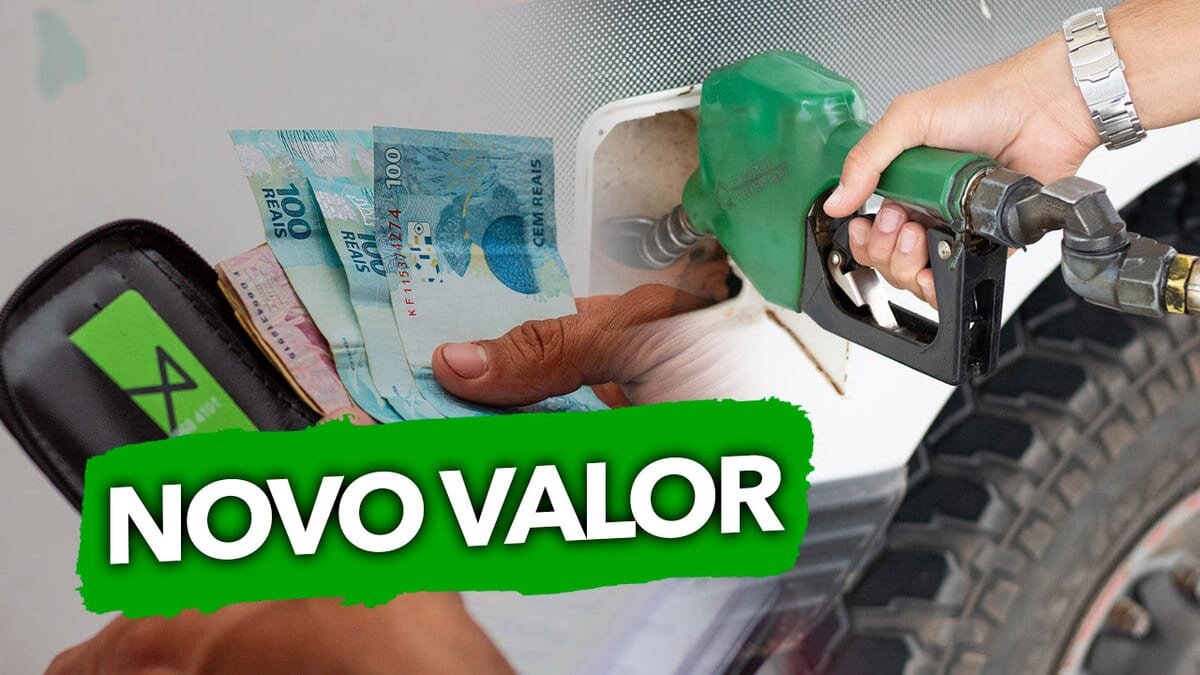
The President of Sindipetro Stated That Gas Stations in Brazil Are Still Hostages of Distributors for Pricing Calculations. Constant Price Increases of Products Impact the Passing of Costs to the Final Consumer.
On Friday, (01/27), the President of the Paraíba Retail Trade Union of Petroleum Derivatives (Sindipetro), Omar Hamad, commented on the new price increases for fuels in Brazil. He highlighted that gas stations in the country are still hostages to the prices charged by distributors. Price reductions take time to reach the pumps, thus impacting the lives of millions of Brazilian consumers. The organization’s dissatisfaction comes at a time following Petrobras’s price adjustment for gasoline.
Petrobras Implements Gasoline Price Increase at Refineries for the First Time Since June 2022
After months without announcing a new increase in gasoline prices across Brazil, Petrobras adjusted and raised the value per liter of fuel in recent days.
The price increased from R$ 3.08 to R$ 3.31, a significant increase of 7.46% compared to previously charged values.
-
Mercado Livre “opens the vault” and announces a record investment of R$ 57 billion in Brazil in 2026, a value 50% higher than the previous year, with an expansion plan that includes 14 new logistics centers, totaling 42 units in the country and hiring an additional 10,000 employees.

-
How investment in technology can revolutionize the national economy and enhance industrial gains, according to a study that highlights the direct impact on productivity, innovation, and wealth retention within Brazil.
-
The largest food company on the planet, JBS, has just opened a 4,000 square meter laboratory in Florianópolis to develop customized proteins that modulate muscle mass gain, immune response, and metabolic performance.

-
After nearly 30 bids and competition among industry giants, a Spanish company purchases one of the largest airports in Brazil for almost R$ 3 billion and takes over the management of Galeão in a concession that will last until 2039.


The last adjustment for gasoline pricing was in December 2022, when the state-owned company reduced the price per liter by 6.1% at Brazilian refineries.
The last time Petrobras raised gasoline prices in Brazil was in June 2022, when it increased prices by 5.18%.
Now, the market is witnessing an even higher price being charged at fuel refineries in Brazil.
As a result, various union organizations have begun to voice concerns about the impacts of price increases at fuel stations in the country.
Sindipetro Highlights Lack of Autonomy of Gas Stations to Charge Prices of Products and Warns About Dependence on Distributors
The President of the Paraíba Retail Trade Union of Petroleum Derivatives (Sindipetro), Omar Hamad, commented on the scenario of high fuel prices at gas stations in the state.
He emphasized that gas stations are still hostages to distributors for charging appropriate values to consumers.
“We even took this situation to the Consumer Protection Agencies. Those who set pump prices are the distributors, as the stations have limited stock. Price reductions take time to reach the pumps because the distributors take a long time to lower them”, said the expert.
The demonstration of dissatisfaction with the current market situation occurred after Petrobras raised the average selling price of gasoline to distributors from R$ 3.08 to R$ 3.31 per liter, an increase of R$ 0.23 per liter.
Sindipetro emphasizes that the increase in gasoline prices is consistent with Petrobras’s current pricing policy, which considers the international market.
However, this decision also impacts the final consumer, as gas stations may face rising costs.
The current situation of dependence on the prices charged by distributors for passing costs at fuel stations remains concerning, warns Sindipetro.
Learn More About Sindipetro PB
Founded on April 10, 1976, the Retail Trade Union of Petroleum Derivatives of the State of Paraíba (Sindipetro/Paraíba) is an entity that represents the interests of the resale of petroleum derivatives, automotive fuels, biofuels, natural vehicle gas (GNV), automotive lubricants, vehicle washes, and liquefied gas (GLP) in Paraíba. The organization is responsible for over 30% of the ICMS revenue in Paraíba, not to mention the generation of jobs and income.







Seja o primeiro a reagir!