





 Português
  Inglês
  Espanhol
 3 min de leitura


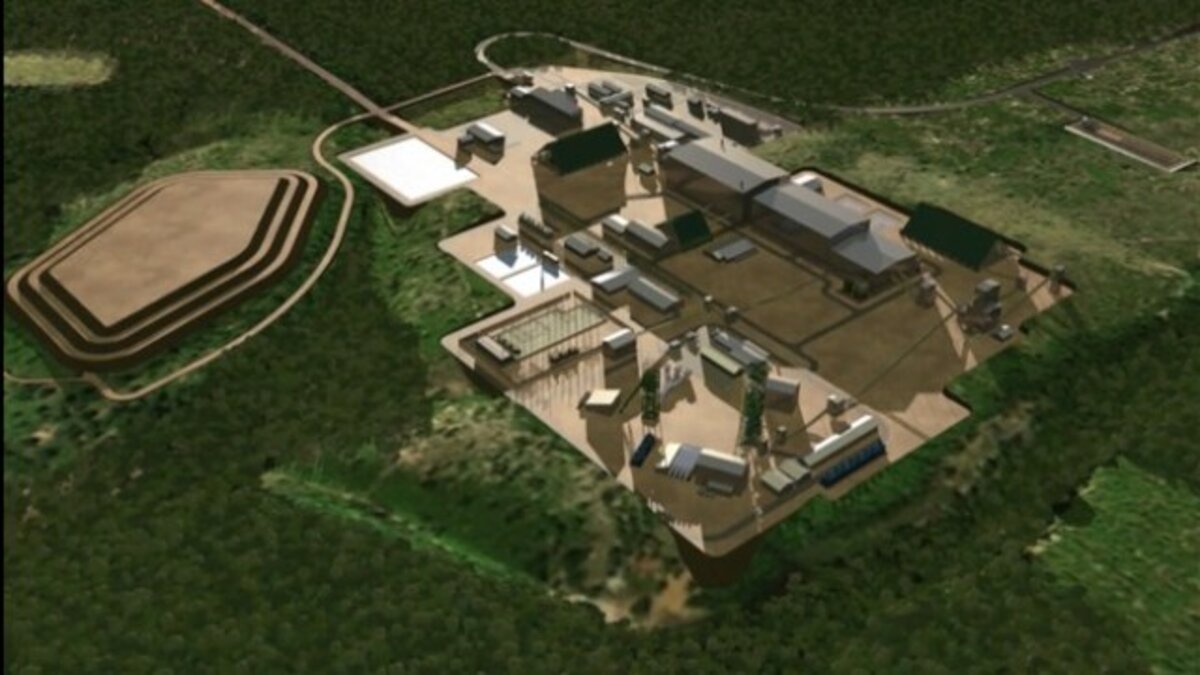
Aiming to Contribute to the Global Environmental Agenda and New ESG Practices in Its Operations, Potássio do Brasil Will Adopt Sustainable Engineering in Its Potássio Autazes Mining Project and Contribute to Environmental Preservation.
Potássio do Brasil is making significant investments in sustainable engineering solutions for its potash mining project in Autazes, located in the Amazonas region, the Potássio Autazes project. The company will utilize a technique for mineral exploration that does not degrade the mines and a method for extracting Silvinite that promises not to harm the soil, thereby contributing to the adoption of ESG practices in the mining sector.
Potássio do Brasil Mining Project in Autazes, Amazonas, Will Feature Sustainable Engineering Solutions to Minimize Environmental Impacts of Exploration
The mining market is increasingly focused on adopting more sustainable practices, ESG, and seeks to innovate in technologies and operational solutions to make the production chain even more efficient.
Now, it is time for the potash exploration company, Potássio do Brasil, to invest in what is called sustainable engineering, which will allow for the minimization of environmental damage in the extraction of the resource in the Amazonas region, specifically in the Potássio Autazes project.
-
Historic bankruptcy of Centauro shocks the market, and the century-old company puts more than 500,000 products, machines, and complete infrastructure up for online auction.
-
Brazil extracts 26.3 million tons of ore from what was previously treated as waste, transforming residues into wealth, producing over 3 million tons of sand, and demonstrating how national mining is relearning to generate value.

-
A $3.5 billion megaproject in Latin America pumps desalinated seawater at 1,050 liters per second over 194 km to keep a copper supermine in the Andes operational for another 20 years.
-
New shoe factory in Ceará is expected to create 400 jobs and strengthen the local economy.

The Potássio Autazes Project will explore potash mines without degrading nature by using engineering and technology in favor of sustainability and will be the company’s major investment for the coming years.
This is because new techniques will be used to extract Silvinite, a rock composed of Halite (Sodium Chloride, commonly known as table salt) and the fertilizer Sylvite (Potassium Chloride), without compromising the soil of the mines. Additionally, there will be no deforestation activities during the potash exploration in the Amazonas region, contributing to environmental preservation.
The president of Potássio do Brasil, Adriano Espeschit, commented on the project and emphasized that “Sustainability is using engineering appropriately. What we will do is pure engineering. We will use technology in favor of sustainability. Therefore, it will be extremely sustainable mining,” in addition to explaining the process of storing sodium chloride: “Sodium Chloride will be stored in an impermeable location to ensure that the soil and groundwater are not contaminated, and afterward, it will return to the subsurface, filling the open chambers, meaning there will be no waste on the surface at the end of the Project’s life.”
The Potássio Autazes Project Will Not Cause Damage to the Native Vegetation of the Region and Will Enable More Sustainable Mining
In addition to not causing damage to the soil with the new extraction method of minerals, the Potássio Autazes project will also not contribute to the deforestation of native areas in the Amazonas region. This is because the industrial plant will be installed in a location that has already been used for other activities, such as pasture and cattle raising, thus aiming to minimize the environmental impact caused by potash exploration in Amazonian mining.
Nevertheless, the company’s sustainable mining projects will not be limited to this initiative, as Potássio do Brasil will have to reforest an area ten times larger than the surface area it will occupy and has already distributed over 20,000 plant seedlings to the municipality of Autazes.
Thus, the company will be able to explore the mineral with productive efficiency and environmental commitment over the coming years.
The Potássio Autazes project is currently in the environmental licensing phase, including discussions with the Mura indigenous people of Autazes and Careiro da Várzea, which began in 2019, and the company hopes to move it forward in the coming months to invest in Amazonian mining.









Seja o primeiro a reagir!