





 Portuguese
  English
  Spanish
 5 min of reading
  0 comments


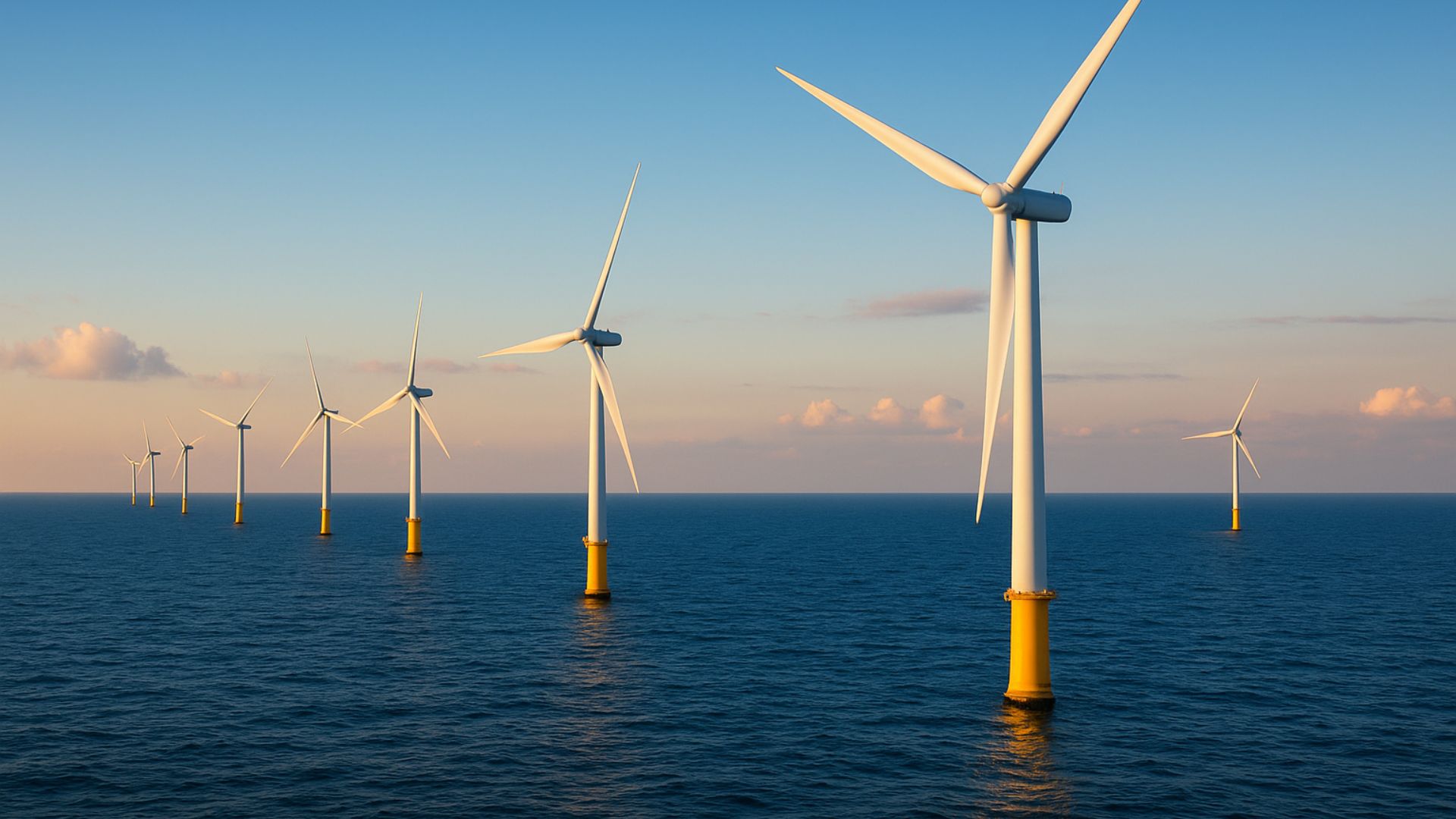
Brazil Leads The Global Offshore Wind Energy Scenario With Support From OEP And Debates At Brazil Windpower 2025, Boosting The Energy Transition And Attracting New Sustainable Investments
During the Brazil Windpower 2025 event held in São Paulo, the Ocean Energy Pathway (OEP) highlighted that Brazil has the technical and structural conditions to lead the global exploration of offshore wind energy, becoming one of the most promising hubs for the energy transition worldwide, according to a news article from the Portos e Navios website published this Wednesday (5).
The meeting brought together specialists, authorities, and industry representatives who reinforced the importance of accelerating the creation of a robust regulatory framework and expanding the dissemination of information on the topic. According to the OEP, offshore wind energy could transform the Brazilian electricity matrix and boost industrial and socioeconomic development.
OEP Highlights Brazilian Potential In Offshore Wind Energy
Brazil has one of the largest coastal extensions on the planet — over 7,400 kilometers — and experiences strong and stable winds along much of its coastline. These factors, combined with the existing infrastructure of the oil and gas sector, make the country especially attractive for the deployment of offshore wind energy parks.
-
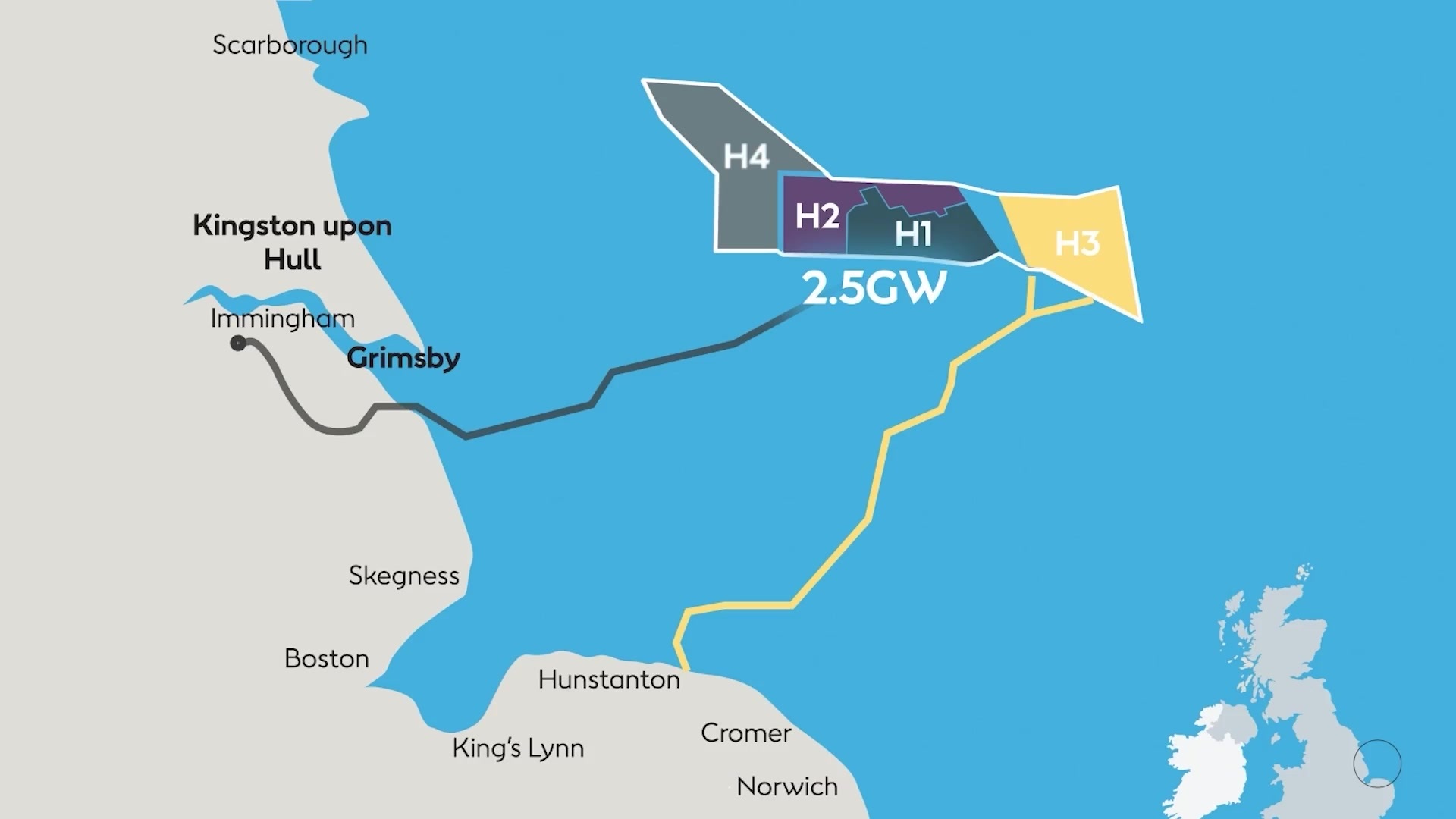
231 turbines of 260 meters at 160 km from the coast, monopiles weighing as much as nine blue whales embedded in the North Sea, and a crane ship taller than the Eiffel Tower: Hornsea 3 will be the largest offshore wind farm on the planet by 2027, and its first components have already arrived in England.
-
International Certification Puts Senai Norte on the Renewable Energy Map and Expands Access to Essential Training for Qualified Wind Power Professionals

-
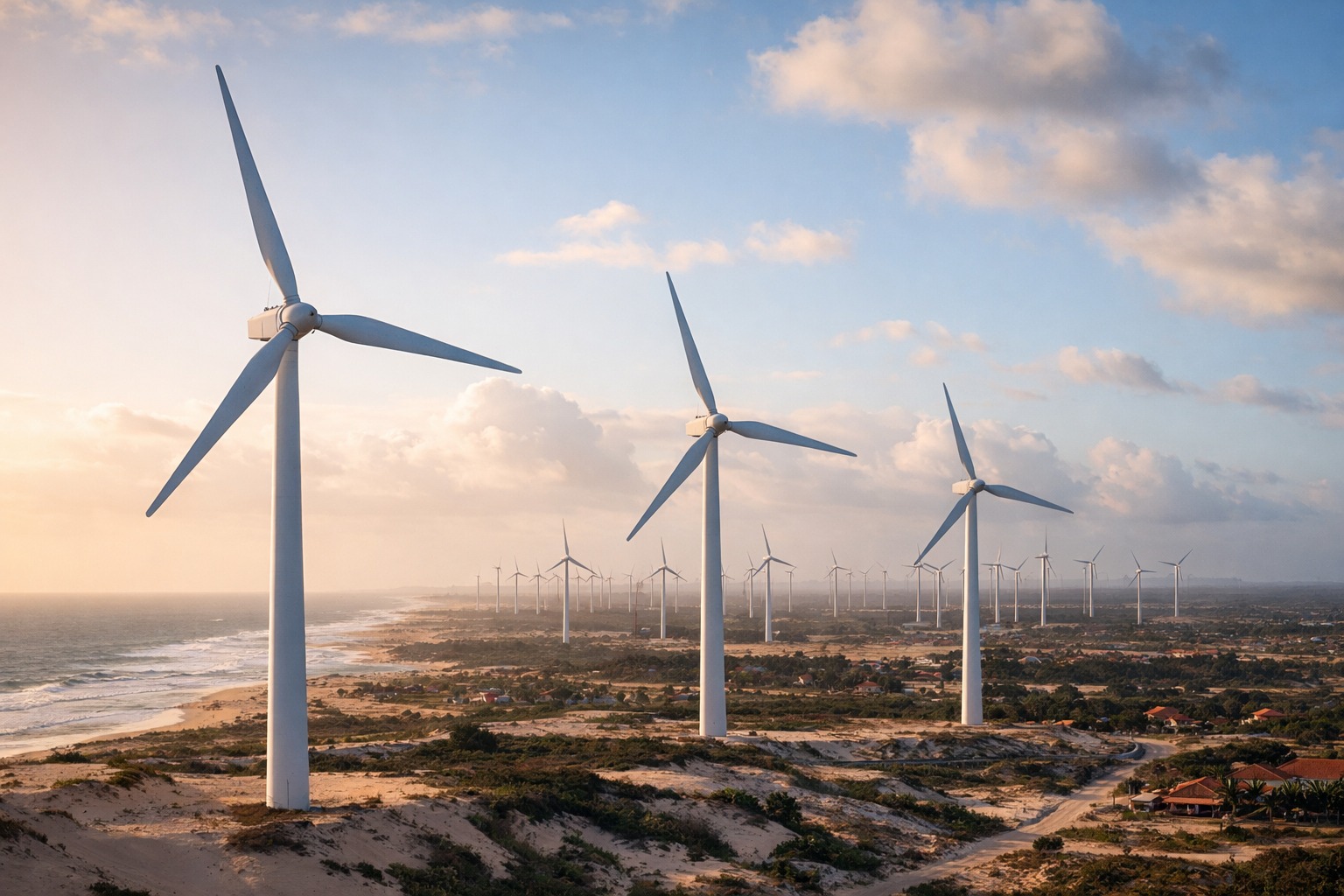
The Winds of the Northeast Are in Foreign Hands: Nearly 70% of the Region’s Wind Farms Are Owned by International Companies, with France, China, and Italy Leading Investments in Wind Energy in Brazil
-
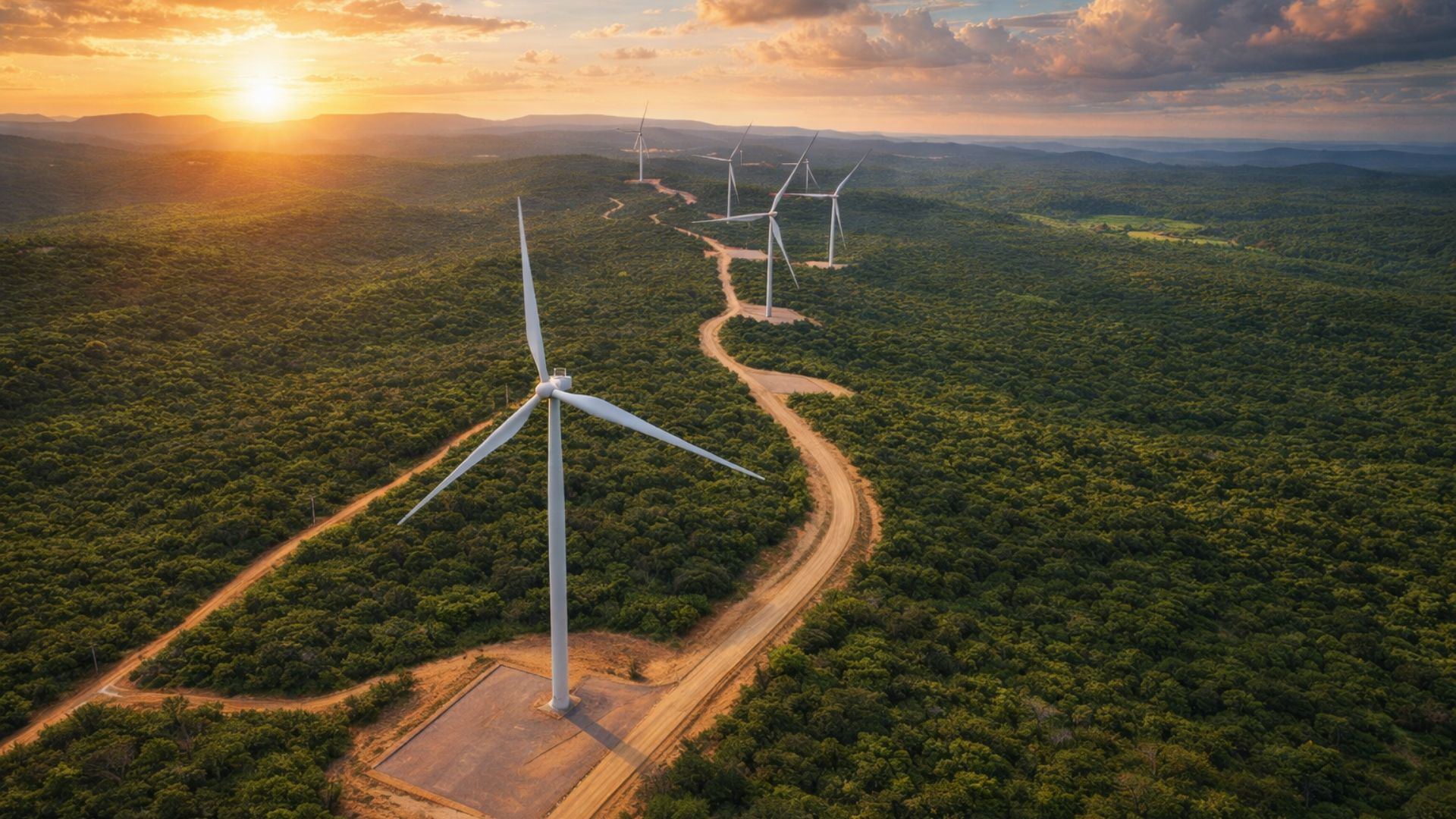
Echoenergia’s Wind Farms Receive Diamond and Platinum Seals and Boost Carbon Credits with Projects that Prevent Large Volumes of Annual Emissions

According to studies from the World Bank and the Ministry of Mines and Energy, Brazil’s technical potential exceeds 1,200 gigawatts (GW), with approximately 480 GW in fixed foundation areas and 748 GW in floating foundation locations. This is nearly ten times the current installed electrical capacity of the country.
In addition to natural potential, Brazil has logistical and industrial advantages: deep-water ports, active shipyards, and a solid technical base in offshore engineering. These factors reduce operational costs and facilitate the adaptation of the national industry to the new energy demand.
Challenges For The Energy Transition According To OEP
During the Brazil Windpower 2025, the OEP emphasized that the main barrier to the advancement of offshore wind energy is the absence of a specific regulatory framework. The country still relies on complex environmental licensing processes, lacking a clear structure for auctions or concessions.
The Brazilian Institute of Environment and Renewable Natural Resources (Ibama) is already reviewing several licensing requests for projects in states such as Ceará, Rio Grande do Norte, and Rio de Janeiro. However, experts state that progress will depend on federal standards that guarantee legal security and predictability to investors.
The energy transition also depends on expanding the transmission network and upgrading ports and terminals. Without adequate infrastructure, the integration of new offshore parks into the national matrix will be slower and more costly.
Supply Chain And Synergies With The Naval Industry
Another highlight is the potential for integrating offshore wind energy with already established sectors, such as naval and oil and gas. Ports such as Pecém (CE) and Açu (RJ) have infrastructure capable of accommodating large vessels and supporting the assembly and maintenance operations of turbines.
According to industry associations, Brazil already has a supplier base equipped to meet part of the demands of the new productive chain. The technical expertise accumulated over decades of offshore oil exploration is a competitive advantage for the country.
This synergy could generate thousands of direct and indirect jobs, promote technological innovation, and reduce reliance on imported equipment, strengthening local content and the national economy.
The Strategic Role Of The OEP And Brazil Windpower 2025
In the panel “Global Market Trends: Offshore Wind Energy”, the OEP emphasized that Brazil is currently one of the most promising markets in the world in marine energy potential. The non-profit organization has been working to promote technical studies and support public policies focused on renewable energy.
At the Brazil Windpower 2025 event, the OEP underscored the importance of strengthening cooperation between government, businesses, and civil society. The goal is to ensure that the expansion of offshore wind energy occurs in a structured manner, with environmental respect and lasting social benefits.
The organization also highlighted the significance of increasing public knowledge about the positive impacts of offshore wind energy, demystifying concerns about environmental effects and reinforcing the importance of decarbonizing the electricity matrix.
Main Economic And Environmental Barriers
Despite the high potential, the initial implementation costs remain high. Studies indicate that the levelized cost of energy (LCoE) for the first projects in Brazil could start at around US$ 64 per megawatt-hour (MWh), with a downward trend to US$ 40 to 52/MWh by 2050, depending on scale and technological advancements.
Another challenge is the need to increase the energy transmission capacity from coastal areas to major consumer centers. The construction of specialized ports and support bases will also be essential.
From an environmental perspective, the development of projects requires detailed studies on the impact on migratory routes, marine fauna, and fishing communities. The assessment must be integrated and participatory, ensuring transparency and social acceptance.
Economic And Social Benefits Of Offshore Wind Energy
The expansion of offshore wind energy could bring profound transformations to the Brazilian economy. Estimates point to the creation of over 500,000 direct and indirect jobs by 2050, encompassing construction, operation, and maintenance of the parks.
Investment in the sector also has the potential to generate up to US$ 168 billion in added value, stimulating the metallurgical, naval, and electrical industries. Additionally, diversifying the energy matrix enhances system resilience, reduces hydroelectric dependence, and ensures greater stability during dry periods.
Another relevant point is the encouragement of green hydrogen production, a fuel that could position Brazil as an exporter of clean energy. The combination of offshore wind energy and port infrastructure creates ideal conditions to develop industrial hubs aimed at sustainable export.
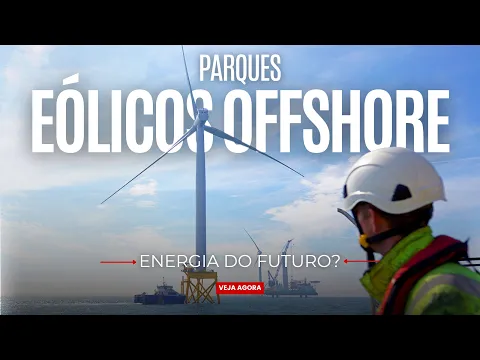

Ways For Brazil To Lead Offshore Wind Energy
For Brazil to achieve global leadership in the sector, experts recommend a set of priority actions. The first is the definition of clear national goals for offshore generation by 2050, with policies to incentivize research and technological innovation.
It is also essential to adopt marine spatial planning, delineating suitable areas for turbine installation while considering environmental and navigation aspects. This mapping will reduce regulatory risks and attract long-term investments.
The modernization of the electric grid, strengthening strategic ports, and creating a green financing fund are urgent measures to enable the first projects. Integrating with universities and research centers can accelerate technological mastery and reduce costs over time.
Finally, it is crucial to invest in education and public communication, showcasing the social and environmental benefits of offshore wind energy. Social acceptance is a key pillar in consolidating the energy transition in the country.
More than an alternative source, it represents an opportunity to reindustrialize Brazil and consolidate its position in the new global low-carbon economy. The country’s energy future lies at sea — and the time to act is now.









Seja o primeiro a reagir!