





 Portuguese
  English
  Spanish
  3 min of reading
  0 comments


The Advancement Of Biogas In The Brazilian Agricultural Sector
In the current scenario of Brazil, the agricultural sector shows enormous potential for the production of biogas, with the Brazilian Biogas Association – ABiogás reporting an annual production capacity of 82.5 billion cubic meters. This figure is a sum of the potential of the sugar-energy, sanitation, animal protein, and agricultural production sectors. National production reaches 2.89 billion m³, with the majority coming from Urban Solid Waste. However, agriculture, with 9.53% of this production, emerges as a promising field for growth.
Biodigesters: Technology And Government Incentives
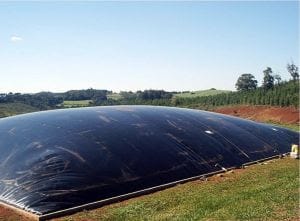
The key to increasing biogas production in agriculture lies in the implementation of biodigesters, structures that allow for the “anaerobic digestion” of organic matter in oxygen-free environments. These projects are especially relevant in areas such as pig farming, cattle farming, and the production of crops like corn, soybeans, and cassava. Tiago Nascimento Silva, an expert in the field with more than 17 years of experience, emphasizes that despite the potential, projects in agriculture are still small and scattered. He points out that the increase in biogas production depends on the viability of small-scale projects, the adaptation of technologies to local conditions, and government incentives.
Efficient Implementation Of Biodigesters
To effectively install a biodigester in agriculture, it is essential to evaluate the technical feasibility of concentrating all waste in one location. This analysis includes an in-depth study of the waste, such as the ideal composition and local environmental conditions. The expert emphasizes the importance of local use of the generated biogas, maximizing its efficiency and minimizing losses. Planning also involves the preparation of a Business Plan and the pursuit of appropriate financing options. According to Silva, the return on investment for a biogas project can occur within 18 to 24 months, considering all stages from the initial study to the effective operation of the system.
-
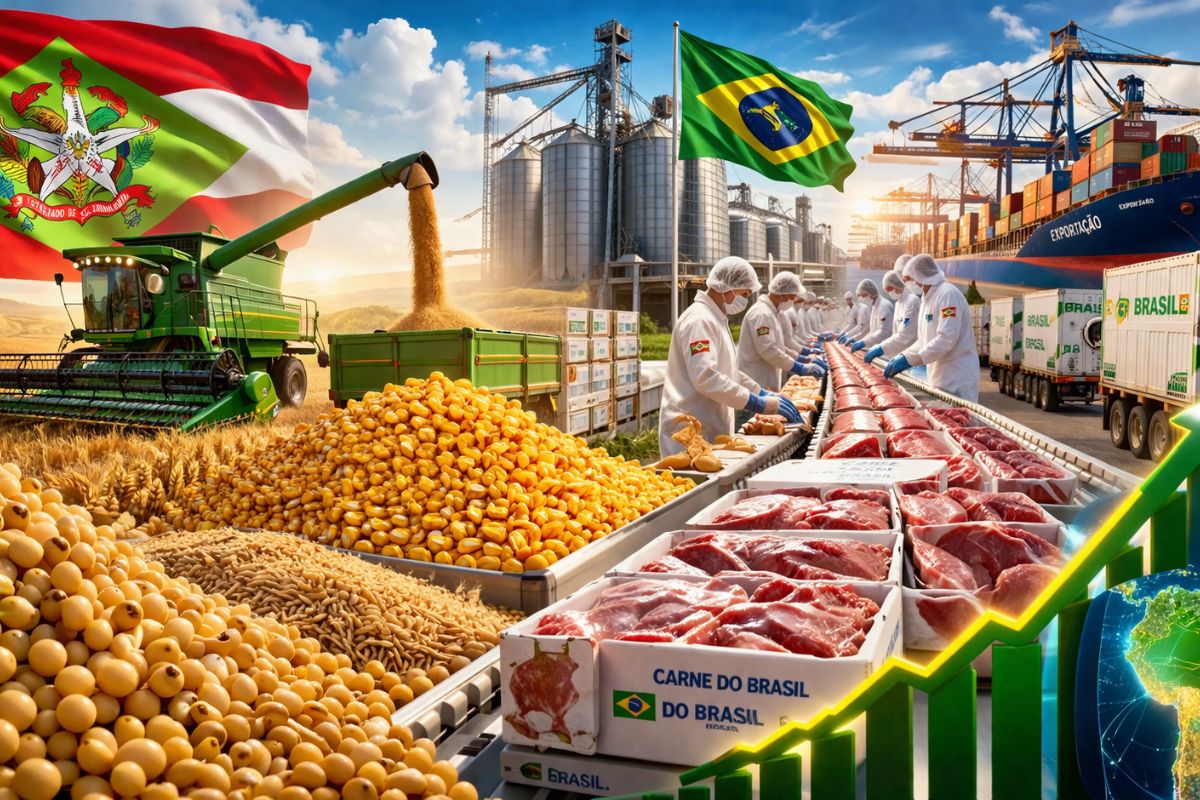
Santa Catarina harvested 7.85 million tons of grains and exported 2 million tons of meat in 2025: a growth of almost 6% in the food industry, which is four times higher than the national average and drives the entire Brazil.
-
China alone accounts for 70% of trade within the BRICS, while Brazil establishes itself as an essential supplier of food and minerals: understand how the group, which already represents nearly 40% of the world’s GDP, is changing the game.

-
Starting in May, those who do not have registered biometrics will not be able to apply for Bolsa Família, sickness benefits, or unemployment insurance: understand the new rule that changes access to benefits for millions of Brazilians.

-
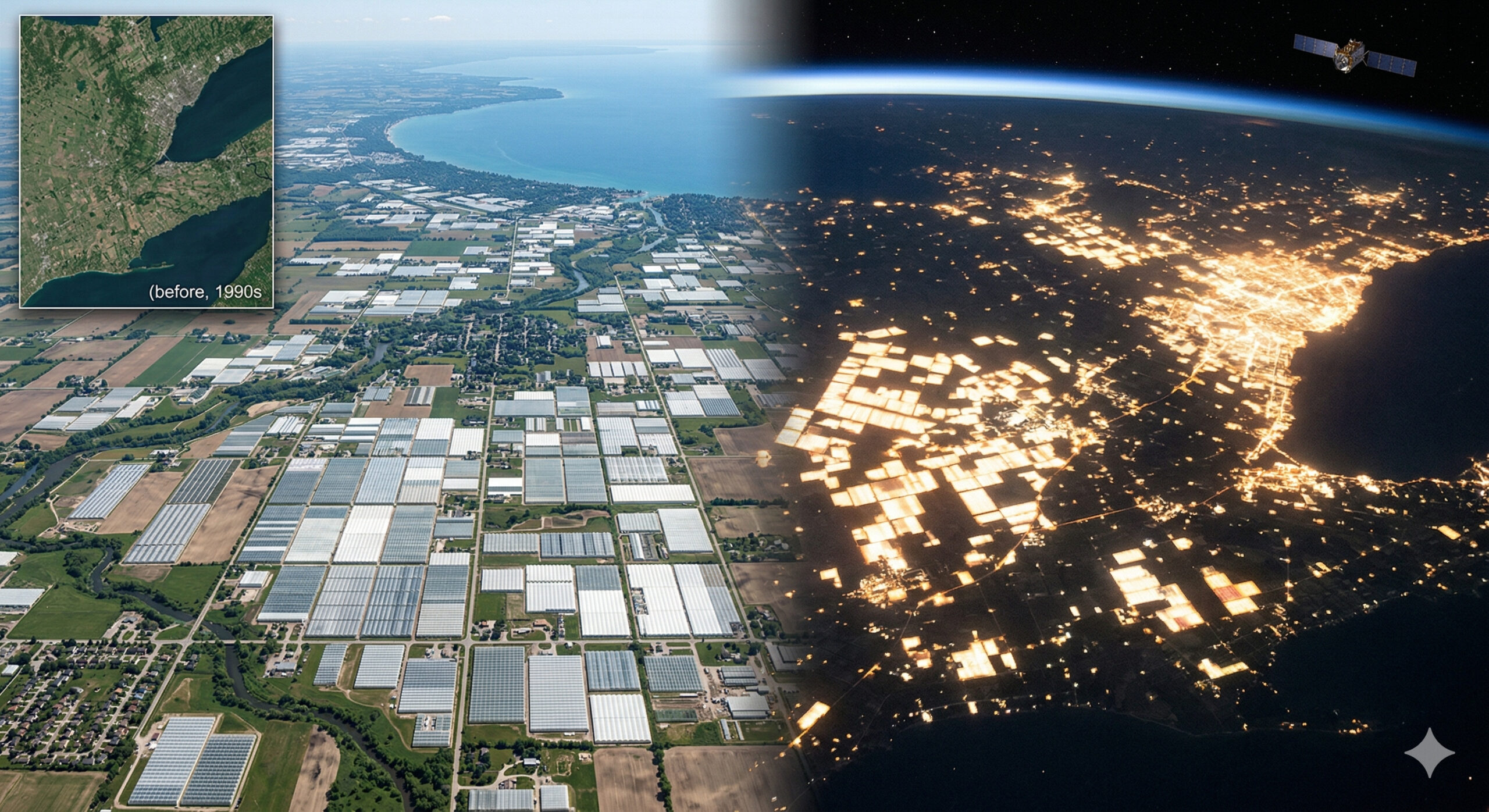
The expansion of greenhouses in southern Canada has become so intense that it has changed the appearance of the soil and even the nighttime glow of the region, transforming Ontario into one of the most visible agricultural hubs in North America from space.

Geomembranes In Biogas Production
A crucial technical aspect in biogas production is the use of geomembranes, essential for both urban solid waste and agriculture. Nortène Group, one of the leading companies in the supply of geosynthetics, offers products with chemical and UV resistance, mechanical durability, and low permeability to methane migration. These features are fundamental for the efficient containment of biogas and the prevention of environmental contamination. Nortène Group, with its expertise and range of products, plays a vital role in implementing efficient and sustainable biogas systems in the agricultural sector.
Nortène Group: Pioneering And Innovation In Geosynthetics
Founded in 1981 and located in Barueri/SP, Nortène stands out as a pioneer in the manufacturing of a wide range of products such as geomembrane reservoirs, agricultural films, and storage solutions. The company, through its subsidiaries Engepol Geossintéticos, Santeno Irrigation, Tecnofil, and Silox, significantly contributes to technological advancement in the agricultural sector, especially in the production of biogas. With cutting-edge technology, Nortène plays a crucial role in transforming and modernizing Brazilian agriculture, driving sustainable development in the sector.
Source: Kassiana Bonissoni.






Seja o primeiro a reagir!