





 Português
  Inglês
  Espanhol
  5 min de leitura
  0 comentários


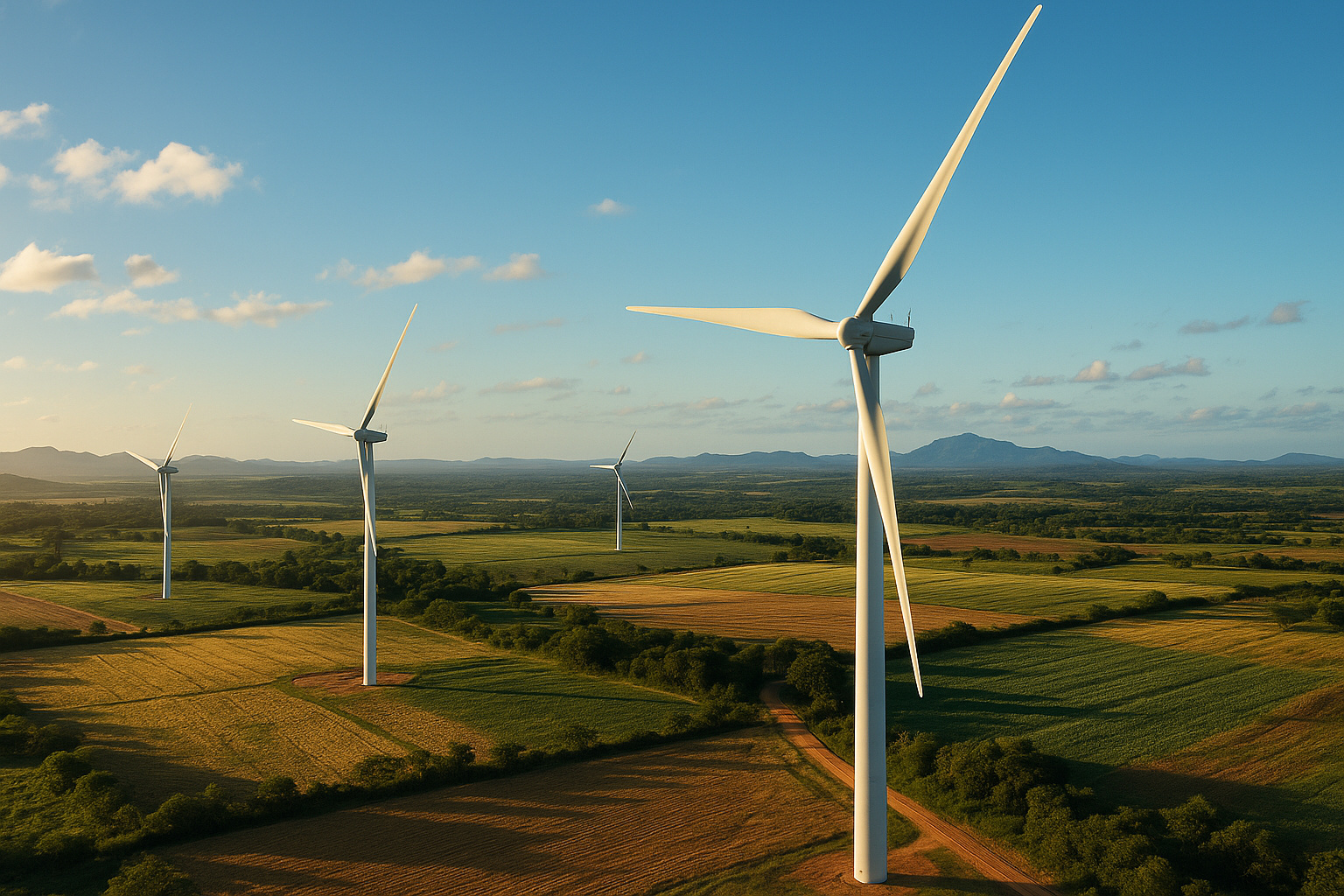
Discover The Wind Potential In Brazil, A Clean And Renewable Energy Source That Transforms The Market, Reduces Costs, And Generates Opportunities For People And Businesses Throughout The Country.
Brazil is undoubtedly one of the most privileged countries in the world when it comes to natural resources.
Among these resources, wind has increasingly gained prominence as a clean, renewable, and promising energy source.
In fact, the wind potential in Brazil is among the largest in the world. Thus, this reality creates opportunities not only for the electricity sector but also for the economy, businesses, and consequently, for people’s lives.
-
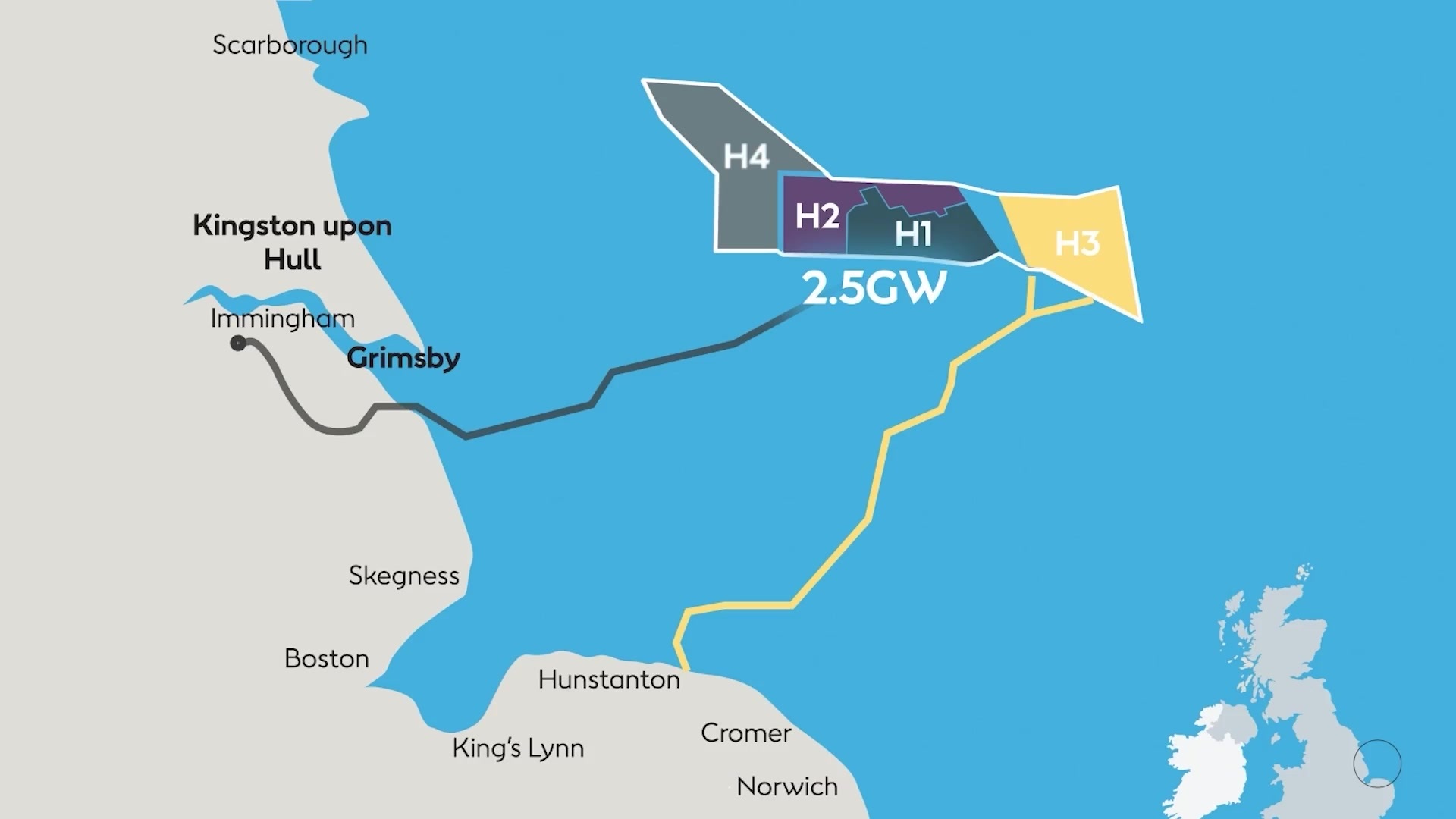
231 turbines of 260 meters at 160 km from the coast, monopiles weighing as much as nine blue whales embedded in the North Sea, and a crane ship taller than the Eiffel Tower: Hornsea 3 will be the largest offshore wind farm on the planet by 2027, and its first components have already arrived in England.
-
International Certification Puts Senai Norte on the Renewable Energy Map and Expands Access to Essential Training for Qualified Wind Power Professionals

-
The Winds of the Northeast Are in Foreign Hands: Nearly 70% of the Region’s Wind Farms Are Owned by International Companies, with France, China, and Italy Leading Investments in Wind Energy in Brazil
-
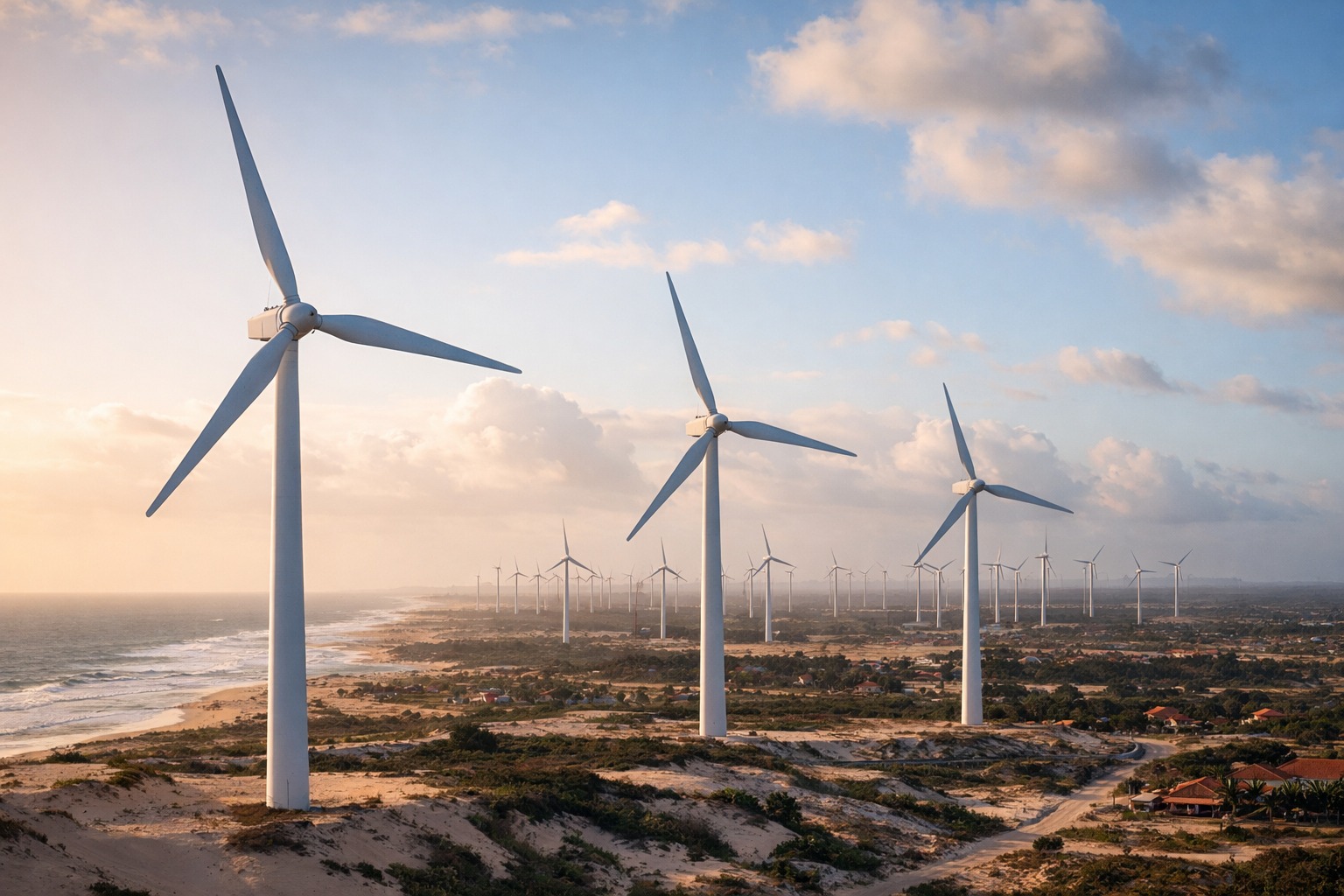
Echoenergia’s Wind Farms Receive Diamond and Platinum Seals and Boost Carbon Credits with Projects that Prevent Large Volumes of Annual Emissions
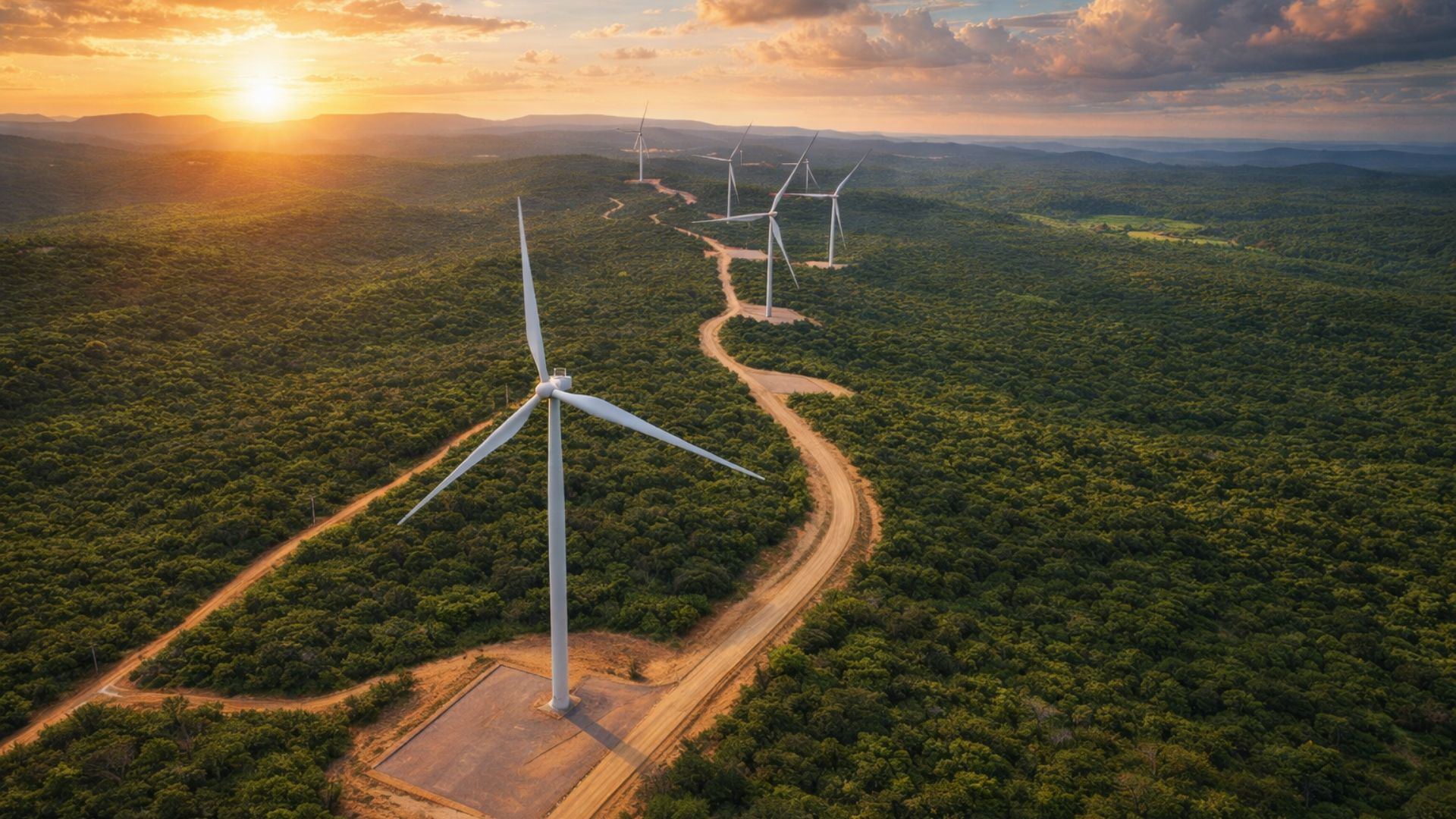

But, after all, how does this potential directly impact our daily lives?
To better understand the relevance of wind energy, it is worth noting some historical facts about the Brazilian energy matrix.
According to data from the Energy Research Company (EPE), until the 1990s, Brazil focused its energy generation almost exclusively on hydroelectric plants.
However, the major droughts of the early 2000s highlighted the fragility of this model.
It was in this context that the federal government launched, in 2002, the Incentive Program for Alternative Sources of Electric Energy (PROINFA).
According to EPE, PROINFA played a fundamental role in promoting renewable sources, especially wind energy, initiating the structured development of the sector in Brazil.
Moreover, technological advancements in the wind sector have allowed for cost reductions and greater efficiency in equipment, making investment in wind farms more attractive.
Equally important, the development of transmission networks facilitated the delivery of this energy to remote regions, as highlighted by the Brazilian Wind Energy Association (ABEEólica).
The Brazilian Northeast stands out as a leader in wind generation. States such as Rio Grande do Norte, Bahia, Ceará, and Piauí have constant high-speed winds, ideal for this type of generation.
Thus, the turbines transform kinetic energy into clean, silent electricity with no pollutant emissions.
Expansion Of Wind Potential In Different Regions Of Brazil
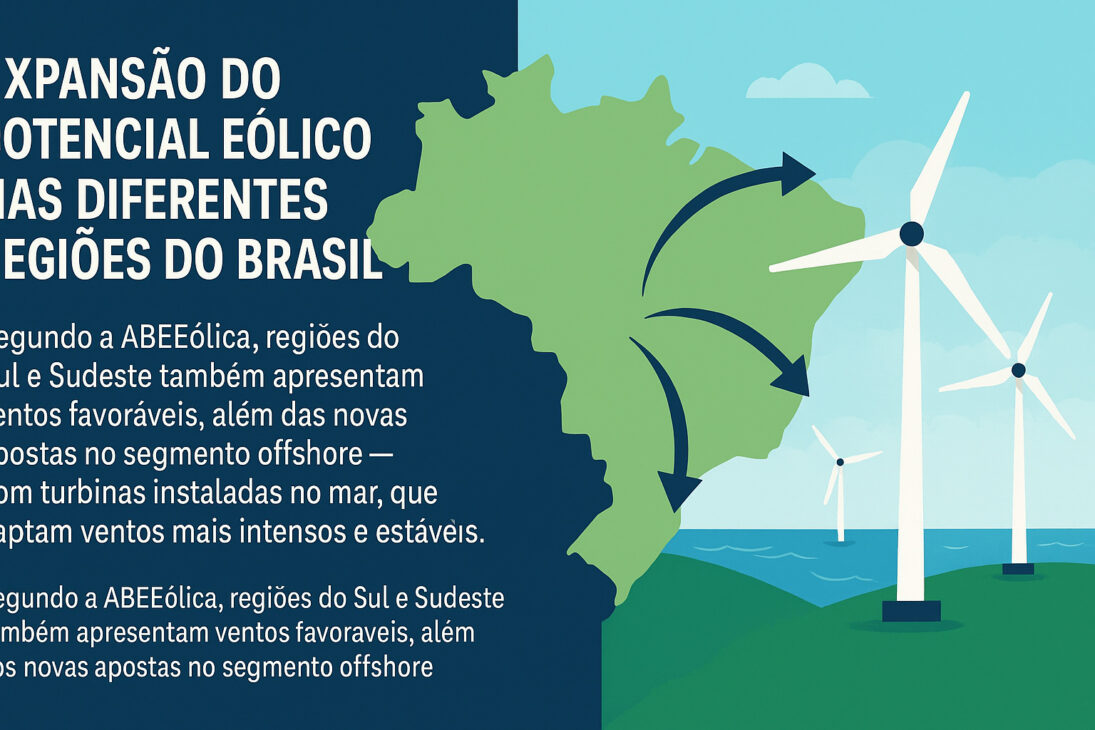
However, Brazil’s wind potential extends beyond the Northeast.
According to ABEEólica, the South and Southeast regions also have favorable winds, in addition to new bets in the offshore segment — with turbines installed at sea, which capture more intense and stable winds.
Countries like Denmark and the United Kingdom already widely use this technology, which is beginning to be viable in Brazil, according to the Ministry of Mines and Energy (MME).
Investment in offshore wind energy also boosts the naval and engineering sectors, generating jobs and innovation.
Additionally, offshore parks occupy marine areas, which reduces territorial impacts.
According to ABEEólica’s 2024 report, Brazil surpassed 25 gigawatts of installed wind energy capacity, positioning itself among the largest producers in the world.
However, according to MME, this number represents only a fraction of the estimated total potential, which exceeds 500 gigawatts.
Experts indicate that, with continuous investments and consistent public policies, production can triple in the coming years.
The expansion also strengthens the country’s energy security, making the system more resilient to crises, as pointed out by the National Electric Energy Agency (ANEEL).
Impacts Of Wind Potential On People’s Lives And Businesses
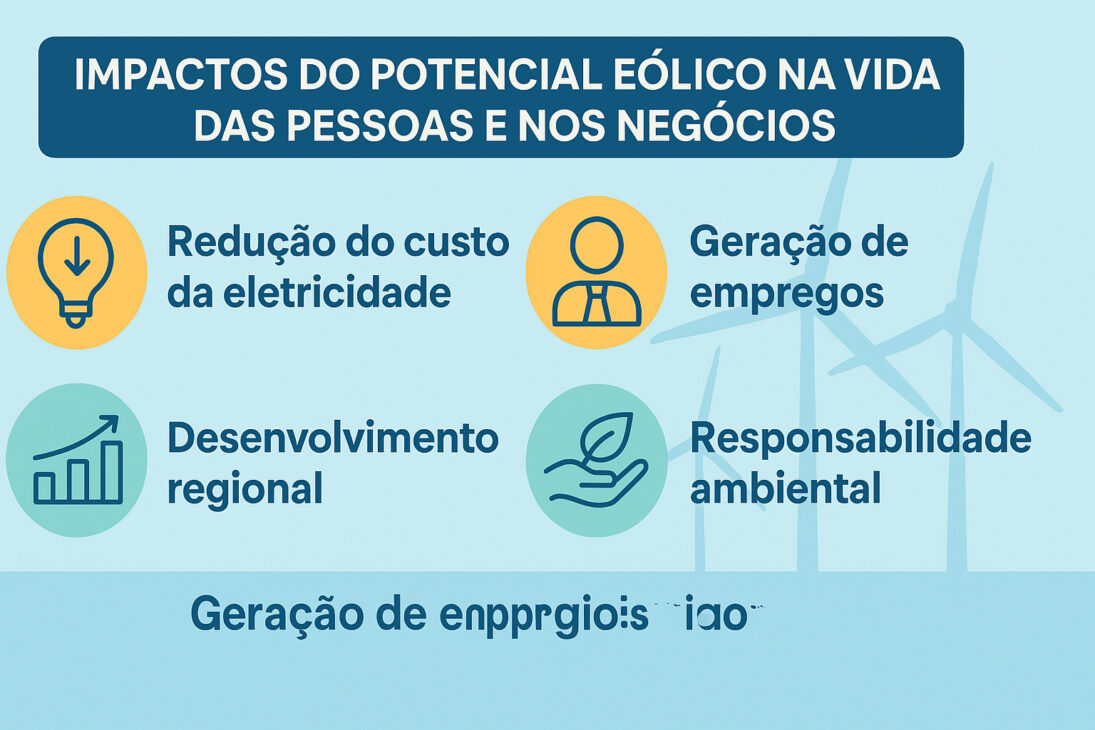
But, after all, how does wind energy influence daily life and the business environment?
First of all, a greater supply of wind energy helps reduce electricity costs.
According to ANEEL, the diversification of the matrix reduces dependence on thermal plants, especially during dry periods, which directly impacts the electricity bill.
Additionally, the wind sector generates jobs and stimulates the local economy.
In rural cities in the Northeast, wind farms have brought regional development, professional training, and increased revenue, according to data from the Ministry of Labor.
These jobs go beyond construction: they involve engineers, technicians, operation teams, transportation, and logistics. This stimulates qualification and retains talent in previously underserved regions.
Wind Energy As A Competitive Advantage And Environmental Commitment
In the corporate sector, adopting clean energy has become a strategic advantage.
Companies that source renewable energy through the free market enhance their image of environmental responsibility, a valued factor by customers, investors, and partners.
Moreover, these companies contribute to a low-carbon economy.
According to the National Bank for Economic and Social Development (BNDES), this can also facilitate access to green financing and sustainable partnerships.
According to the Ministry of the Environment, the expansion of wind energy helps Brazil meet its international climate goals, significantly reducing greenhouse gas emissions.
Therefore, wind energy strengthens the country’s position regarding the United Nations Sustainable Development Goals (SDGs).
Distributed Generation And Challenges Of Wind Energy
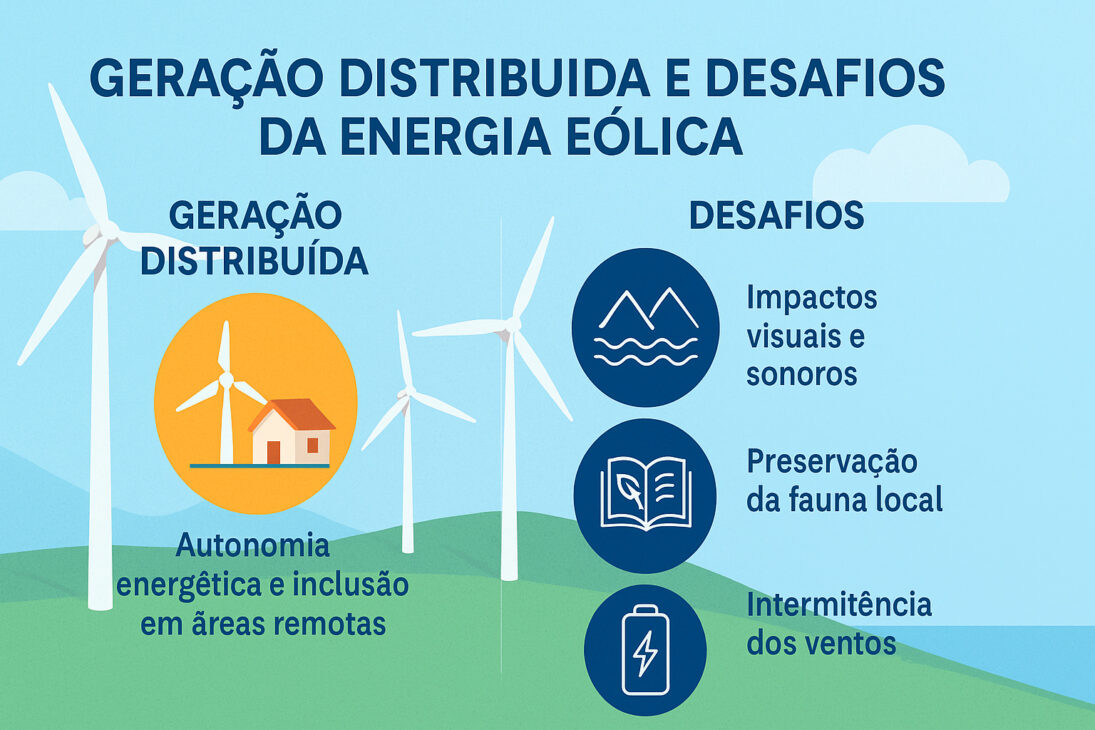
However, wind potential is also expressed in smaller-scale projects.
Distributed generation, with turbines installed on farms or isolated properties, provides energy autonomy and inclusion for remote areas.
These solutions prevent transmission losses and strengthen system efficiency.
However, wind energy presents challenges.
Among them are visual and noise impacts on nearby communities, as well as the need for rigorous environmental studies to preserve local fauna.
Additionally, the intermittency of winds requires integration with other sources and storage technologies, such as batteries and green hydrogen — an area growing in Brazil and around the world.
The Future Of Wind Energy In Brazil
Even with challenges, the benefits of wind energy far outweigh the limitations.
Brazil has ideal natural, technological, and market conditions to become a global powerhouse in this sector.
However, transforming this potential into reality requires planning, investment, and continuous innovation.
The future also involves the digitalization of wind farms, utilizing artificial intelligence and the internet of things to predict wind patterns and optimize turbine performance.
In summary, wind energy is already positively impacting millions of Brazilians, whether through savings on electricity bills, job creation, sustainable business growth, or commitment to the planet.
Therefore, with vision and responsibility, the wind can drive social, economic, and environmental development in Brazil.
The wind blows in our favor. It is up to us to harness it wisely.










Seja o primeiro a reagir!