





 English
  Francês
  Alemão
  Italiano
  Japonês
  Norueguês
  Portuguese
  Spanish
 9 min of reading
  0 comments


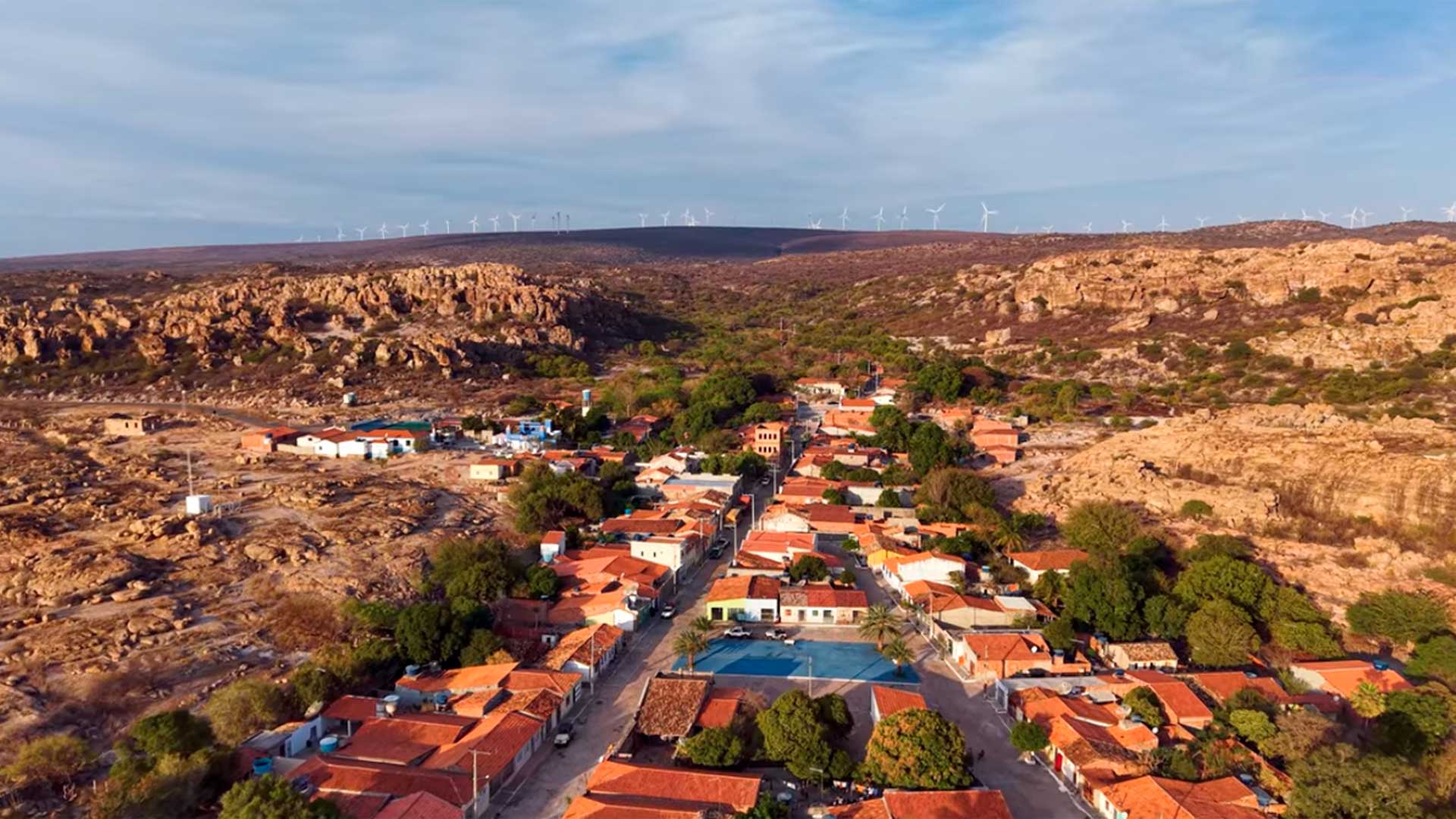
In the Interior of Gentio do Ouro, the Village of Santo Inácio Brings Together Ruins, Memories of Gold Mining, Stunning Rocky Landscapes, and Stories Intersecting with the Enigmatic Manuscript 512. Amidst Population Decline and Tourist Potential, the District Once Again Draws Attention for Its Rare Beauty and a Past That Still Intrigues.
Santo Inácio, a district of Gentio do Ouro in the north-central region of Bahia, is one of those places where the landscape speaks before the words do. Upon arrival, the rock formations resembling ruins and the old houses scattered throughout the village create an unusual scene in the hinterland, blending natural grandeur, marks of time, and a strong sense of interrupted history. The official history of the district helps explain this initial impact. The Government of Bahia records that the locality was founded in 1836 by gold and diamond seekers and still preserves traces of colonial architecture linked to the diamond boom between 1920 and 1931.
Today, however, the scene is quite different from the prosperous period that transformed Santo Inácio into a regional attraction. Where there was once intense trade, circulation of prospectors, and occupied houses, silent streets, closed properties, and structures defeated by abandonment now prevail. In accounts from local residents, the current population is around just 200 people, a number that is much lower than what the locality had in its busiest moments, when diamonds drew people from various parts of Bahia. This contrast between past and present is the central axis of local identity.
The village belongs to a municipality with a large territorial extension and low population density. According to IBGE, Gentio do Ouro had 10,884 inhabitants in the 2022 Census, spread over a territory of more than 3,800 square kilometers, which helps to understand the dispersed character of settlement in the region. In the official history of the municipality, Santo Inácio appears as one of the districts that integrated the territorial division as early as the mid-20th century, signaling its administrative and historical relevance within Gentio do Ouro.
-
Seen from space, a colossal ‘Y’ cuts through the largest desert in China, blending a jade-filled river, red and white mountains, and revealing the absurd scale of the transformation of the Taklamakan surrounded by a green wall with billions of trees.

-
The Pacific Ocean reveals what the cliffs of Big Sur have hidden for millennia: Pfeiffer Beach, in California, features swirling purple sand formed by garnet crystals and displays a stone arch that is illuminated by the sun in winter for just a few days each year.

-
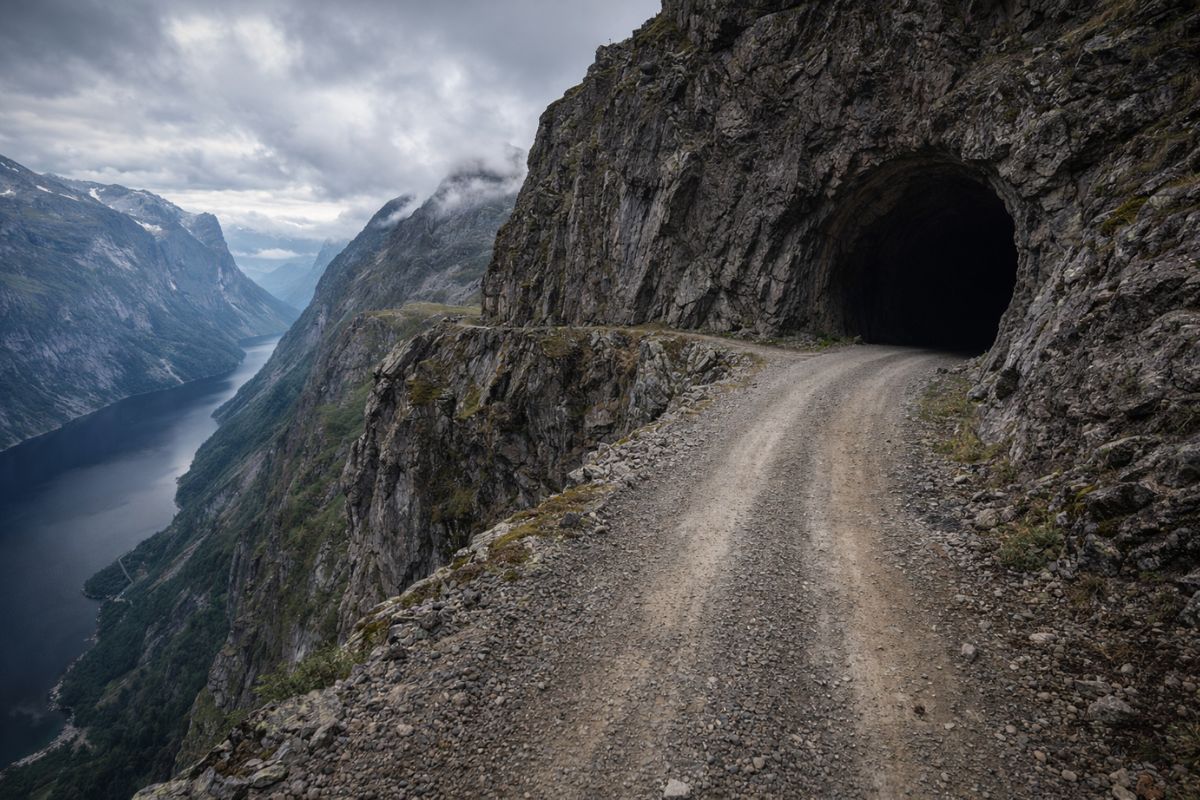
Aursjøvegen in Norway is a 100-kilometer gravel road that crosses chasms and dark tunnels carved into the rock at an altitude of 947 meters in the fjords and is only open for four months a year.
-
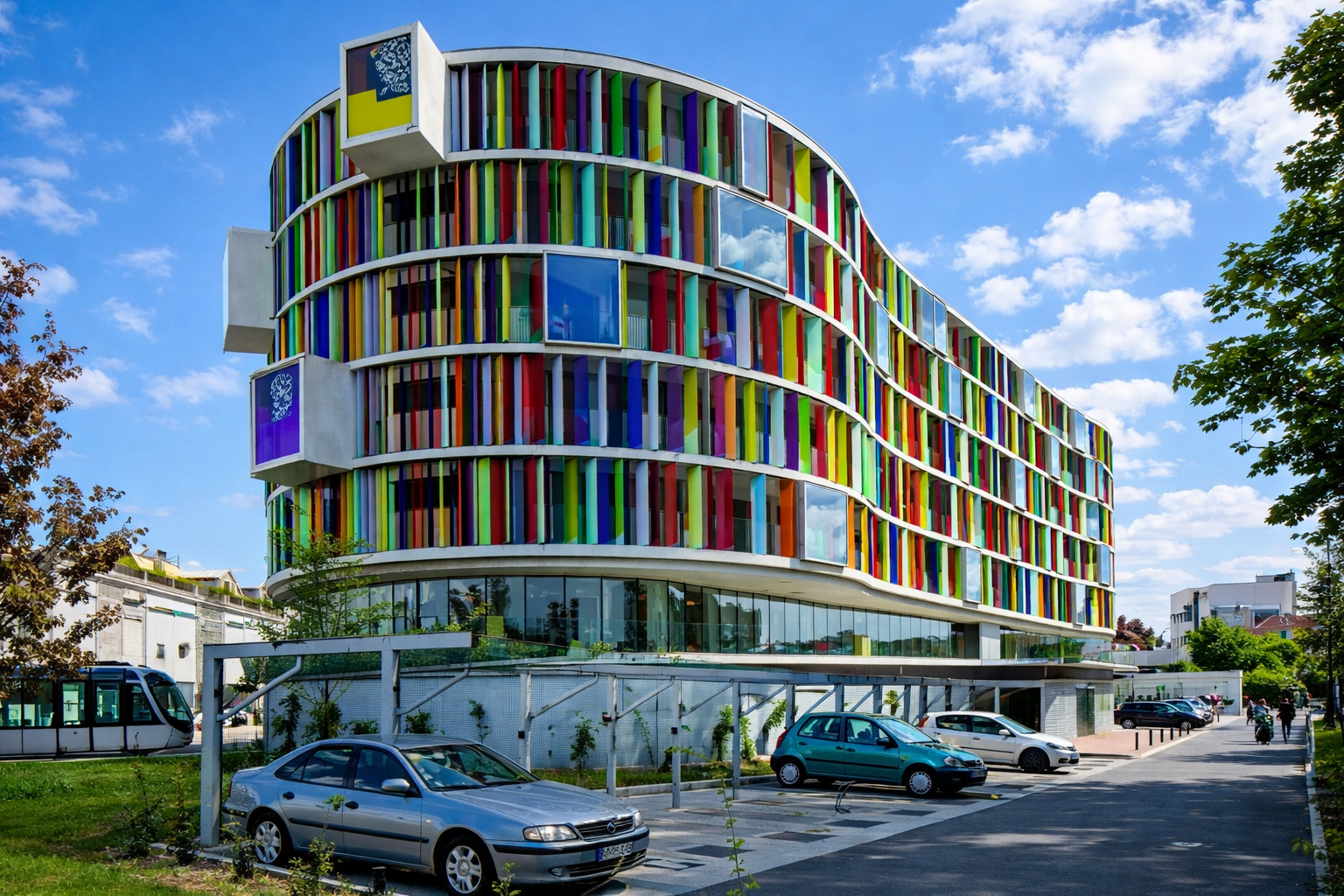
With about 4,000 m², the building constructed in a traditional neighborhood in France looks like a rainbow, has a colorful facade, mixes vibrant glass, and creates one of the most unusual visuals in Bordeaux.

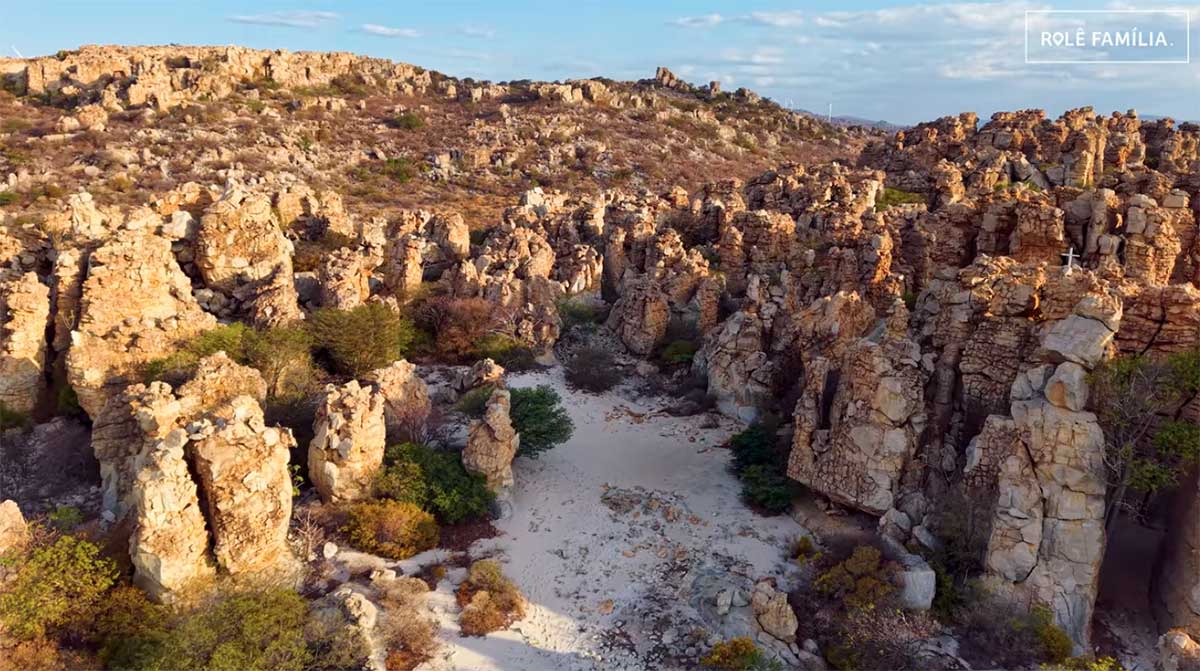
Even with this depopulation, Santo Inácio remains a place that is hard to ignore. The combination of gold mining history, ancient ruins, landscapes of Chapada Velha, and a surrounding aura of mystery makes the district one of the most intriguing settings in the interior of Bahia. It is precisely this blend of memory, geography, and legend that could place the village back on the regional tourism map.
The Diamond Made the Village Grow, and the End of the Cycle Left Deep Marks
The formation of Santo Inácio is directly linked to the rush for mineral wealth in the hinterland of Bahia. According to the official history published by the Bahian government and the Municipal Chamber of Gentio do Ouro, the locality gained momentum from the discovery of gold and diamonds in the 19th century, with its founding recorded in 1836. The district became notable for its mining activity and the concentration of residents attracted by the promise of wealth.
In the accounts of old residents and people who grew up hearing stories of the village’s heyday, Santo Inácio experienced a period when commerce operated intensely, with diamond buyers, markets, and constant circulation of goods. Local memory also preserves the idea of abundance during certain moments of the gold rush, even though this prosperity was not always distributed fairly among workers. Many prospectors, according to these memories, exchanged what they found for food and basic survival items, without necessarily accumulating actual wealth.
This type of dynamic is not strange to Brazil’s mineral history. The National Archives reminds us that the exploration of gold and diamonds in the colony generated structures of control, commerce, and fierce economic competition in various regions, with cycles of quick wealth followed by social decline and population displacement. In Santo Inácio, oral memory indicates that the exodus of residents intensified when other mining fronts began to attract workers away from the village, weakening the former local center.
The results of this process can still be seen in every street. There are preserved and inhabited houses, ruins in an advanced state of deterioration, and even constructions that were never completed, like a three-story house that became one of the most symbolic images of the village. In Santo Inácio, the constructed heritage does not just tell a story of past wealth; it also reveals what happens when an economic cycle loses strength and leaves behind a reduced, aging community with little infrastructure.
Ruins, Ancient Prison, and Living Memory Transform Decay into Emotional Heritage
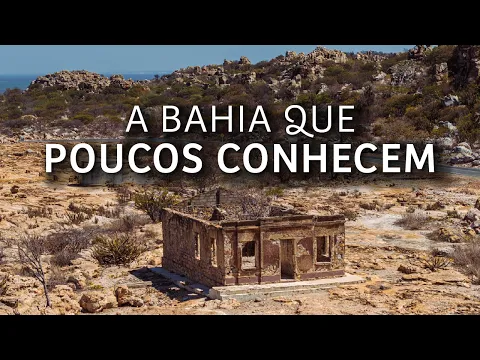

One of the most striking aspects of Santo Inácio is that abandonment has not completely erased the historical significance of the place. On the contrary, many buildings have gained new value precisely because they are in ruins. At the village entrance, for example, the old prison stands out as a physical portrait of the passage of time. Without a roof and with parts already consumed, the building still retains elements that allow one to imagine its original function and reinforce the feeling that the district is an open-air archive.
This type of vestige helps turn the visit into an experience that goes beyond mere contemplation of the landscape. Santo Inácio is not just beautiful; it provokes curiosity. Every closed facade, every old wall, and every incomplete property seem to hold an explanation about the rise and decline of the place. The ruin, in this case, ceases to be merely a sign of loss and becomes a visual language of the local history itself.
The region also holds archaeological interest. In the municipality of Gentio do Ouro, the Integrated System of Knowledge and Management of IPHAN records archaeological sites with rock paintings on rock support, such as the Aflitos Archaeological Site, classified as a federal archaeological site. The records describe pre-colonial evidence on rock walls and confirm that this type of heritage exists in the municipal surroundings, reinforcing the cultural and scientific relevance of the area where Santo Inácio is located.
In practice, this means that Santo Inácio brings together different layers of interest in the same territory. There is the memory of diamonds, the remaining architecture, the oral tradition of residents, the trails among the rocks, and the presence of archaeological records in the municipality. Few destinations in the hinterland of Bahia can concentrate such a strong mix of local history, material heritage, and natural landscape.
The Rocky Formations Explain the Fame of a Mysterious Setting in the Interior of Bahia
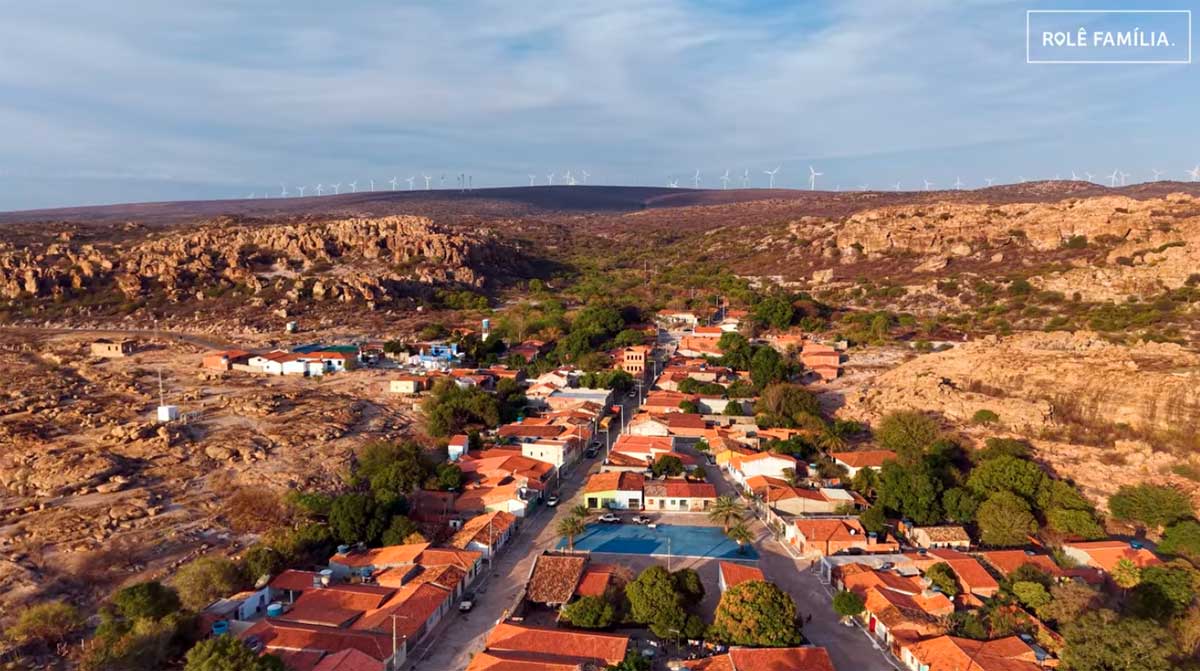
If human history helps sustain the fascination with Santo Inácio, geology completes the experience. The rocks in the region draw attention for resembling walls, towers, broken cliffs, and remnants of ancient constructions. This pattern is associated with what is called ruiniform relief, a technical term used to designate natural forms that acquire the appearance of ruins due to prolonged weathering and erosion. The Geological Service of Brazil includes this type of feature in its reference materials on relief patterns and geodiversity of Brazilian territory.
In the Chapada Diamantina and related areas of the regional geological set, these forms are typically linked to the weathering of ancient rocks by wind, rain, sunlight, and natural fractures. In simple terms, it is nature itself sculpting landscapes that appear to be human-made. In Santo Inácio, the visual effect is so strong that many visitors describe the sensation of stepping into a cinematic setting, as if the hinterland had been molded to resemble a city in ruins scattered among mountains and canyons.
This unusual appearance helps explain why the district evokes comparisons with legends and historical narratives. Walking through the village and the surrounding trails, visitors find cliffs, crevices, viewpoints, and rocky passages that enhance the sense of mystery. It is a landscape that naturally invites the imagination, something rare even in a Bahia filled with visually striking destinations.
Another important element in this experience is the climate. The region has strong sunlight, little rain throughout much of the year, and constant winds. This atmospheric behavior not only influences the thermal sensation and daily life of residents but also interacts with the very shaping of the landscape over geological time, reinforcing the raw and sculpted character of the territory.
The Manuscript 512 Keeps Alive the Legend of the Lost City in the Bahian Hinterland
Few references exert as much fascination over the Brazilian imagination as the Manuscript 512, held by the National Library Foundation. On its official page, the institution states that the handwritten document, dated 1754, is identified as a map of a “lost city” and is considered the only known map of its kind in central Brazil. The National Library also highlights that the content has motivated research for decades and attracted adventurers, historians, and scholars in search of the location mentioned in the text.
The connection between Santo Inácio and this narrative is not documented, and this needs to be stated clearly. There is no official confirmation that the village or its canyons are the setting described in the document of the National Library. What exists is an association fueled by local imagination and the visual similarity between the description of a monumental city in stone and certain landscapes of Chapada Velha, where the rocks seem to form ancient and monumental structures.
Nevertheless, the power of this hypothesis is enormous from a tourist and symbolic perspective. The Manuscript 512 describes an ancient settlement with stone constructions and mysterious signs, and it is precisely this type of image that resonates in the trails and cliffs of Santo Inácio. Visitors do not need to believe literally in the existence of the so-called lost city to understand why the village inspires this type of narrative. They just need to observe the relief and the set of human and natural ruins around.
At a time when many destinations compete for attention with similar attractions, Santo Inácio carries a powerful differential. Its appeal does not rely solely on famous waterfalls or established infrastructure. It arises from a rare combination of historical mystery, geological beauty, and mining memory, a set that can interest both casual tourists and those drawn to archaeology, regional history, and experiential tourism.
Wind, Energy, and Lack of Infrastructure Show That the Future of the Village Is Still Uncertain
Although marked by a sense of isolation, Santo Inácio is situated in a region that has been receiving recent investments in infrastructure and energy. In March 2024, the Government of Bahia announced the delivery of a paved access road of 3.1 kilometers to the district, a project aimed at improving traffic flow and the local production outflow. The intervention suggests an effort for integration that could facilitate the arrival of visitors and reduce some of the logistical difficulties of the village.
The surroundings have also begun to gain prominence in the wind sector. In August 2024, the Secretary of Economic Development of Bahia reported that the Serra do Assuruá Wind Complex in Gentio do Ouro commenced initial commercial operation and will consist of 24 wind farms, 188 wind turbines, and 846 MW of installed capacity. These figures help explain why the wind is perceived by residents almost as a character in the local landscape.
Despite this, Santo Inácio still faces basic limitations in transforming curiosity into sustainable tourist flow. Residents report a lack of accommodation, structured dining options, and services aimed at receiving visitors more professionally. This creates an interesting paradox. While the simplicity of the village is part of its charm, the lack of infrastructure reduces tourists’ length of stay and limits the positive economic impact that tourism could generate.
The challenge, therefore, is to find balance. Santo Inácio does not need to lose its identity to grow. But it must decide whether it wants to remain merely a place remembered by a few adventurers or if it intends to organizedly capitalize on the value of its historical, natural, and symbolic heritage. In a state so rich in tourist destinations, the village has attributes to stand out. What is still lacking is to transform dispersed charm into a future project.
Santo Inácio seems to bring together everything that often ignites debate in the Bahian hinterland: abandoned historical heritage, underexplored tourism, mining memory, natural wealth, and a lack of investment. Do you think the village should invest more strongly in tourism, even with the risk of changing its quiet routine, or is preserving the place as it is the better choice? Comment and say if a treasure like this is too forgotten by Bahia.









-

Uma pessoa reagiu a isso.