





 Portuguese
  English
  Spanish
  5 min of reading
  0 comments


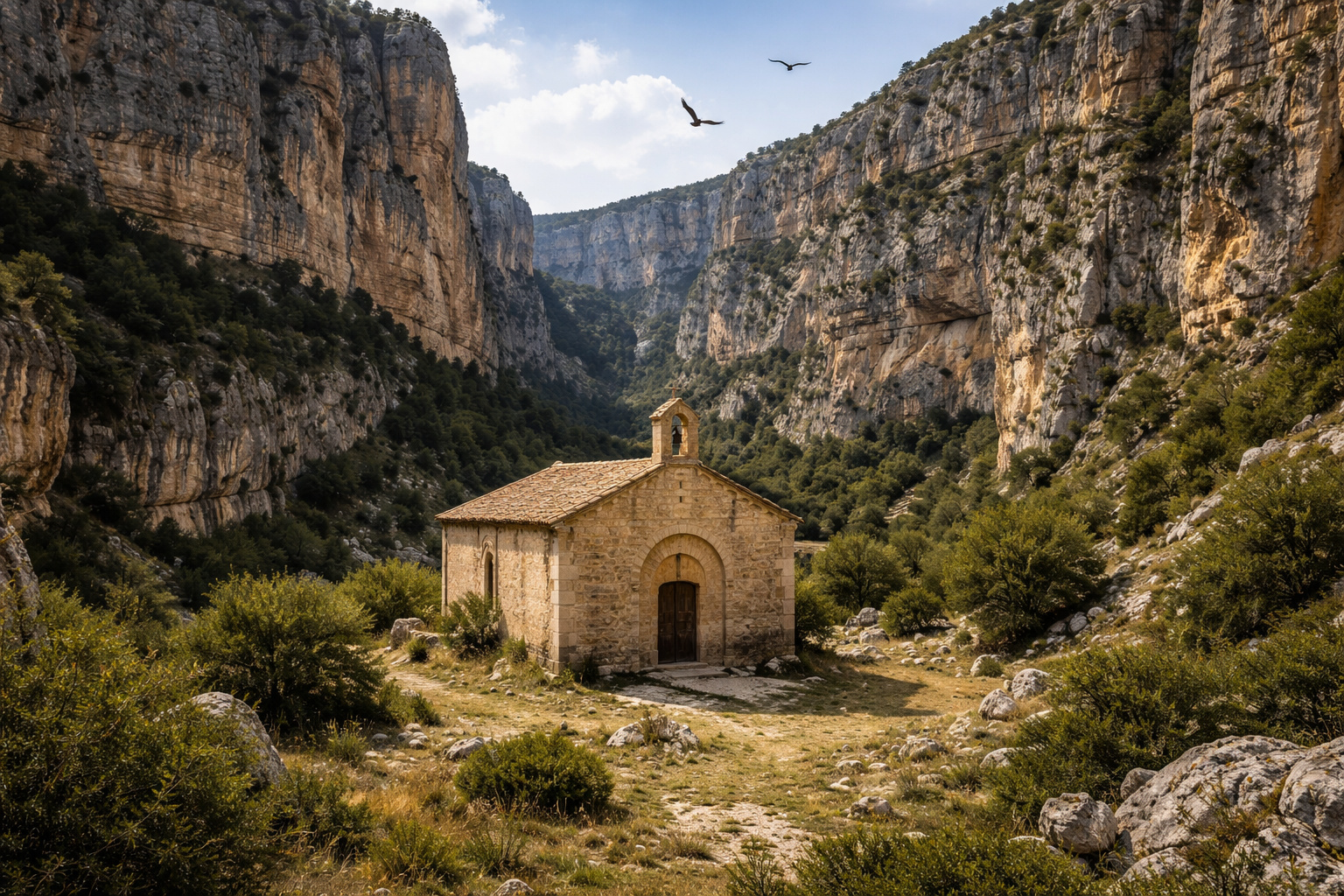
Hidden Route In The Heart Of Castile And León Leads Visitors Through A Stone Corridor Carved By Erosion To A 13th-Century Hermitage Surrounded By Historical Mysteries, Medieval Legends, And One Of The Most Impressive Natural Landscapes In Spain
Not all roads lead to Rome. Some, however, lead to such unique places that they remain etched in the memory of those who traverse them. In the heart of the autonomous community of Castile and León, surrounded by imposing limestone cliffs and the silent flight of griffon vultures, lies one of the most enigmatic monuments in Spain: the Hermitage of San Bartolomé. Isolated in the heart of the Natural Park of the Canyon of the River Lobos, this 13th-century building continues to spark curiosity due to its uncertain origin, possible connection to the Knights Templar, and the almost mathematical precision of its location.
The information was originally released by portals specializing in historical tourism and cultural heritage in Spain, highlighting both the architectural value of the hermitage and the unique character of the landscape surrounding it. According to historical records and regional studies, the site brings together natural, religious, and symbolic elements rarely found in the same point of European territory.
A Medieval Sanctuary Embedded In An Impressive Geological Corridor
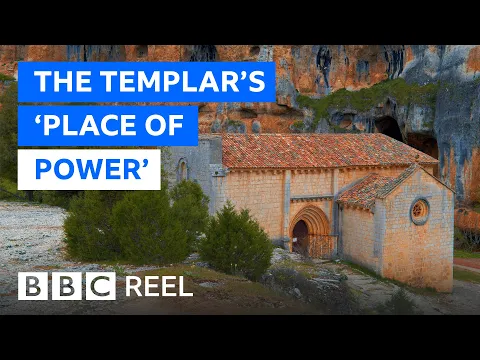

The scenery that houses the hermitage does not function only as a backdrop, but as an absolute protagonist of the experience. The Natural Park of the Canyon of the River Lobos occupies an area greater than 10,000 hectares distributed between the provinces of Burgos and Soria, forming one of the most expressive examples of karst relief in Spain. Over thousands of years, the River Lobos carved the limestone, creating a deep gorge with vertical walls, natural caves, and narrow passages that impress even experienced visitors.
-
This small town in Germany created its own currency 24 years ago, today it circulates millions per year, is accepted in over 300 stores, and the German government allowed all of this to happen under one condition.

-
Curitiba is shrinking and is expected to lose 97,000 residents by 2050, while inland cities in Paraná such as Sarandi, Araucária, and Toledo are experiencing accelerated growth that is changing the entire state’s map.

-
Tourists were poisoned on Everest in a million-dollar fraud scheme involving helicopters that diverted over $19 million and shocked international authorities.

-
Hidden beneath the dense forest of the Sierra Nevada, Betoma emerges in a neighbor of Brazil as the greatest archaeological discovery of the century, revealing a colossal ancestral city covering over 18 km², with 8,334 stone structures and the potential to rewrite the history of South American civilizations.


Furthermore, the trail through the canyon allows observing vegetation adapted to extreme conditions, primarily composed of junipers and pines, which share space with a rich and protected fauna. Roe deer, foxes, and especially large birds of prey are part of the local ecosystem. Not by chance, the region is home to one of the largest colonies of griffon vultures in Europe, soaring over the valley and reinforcing the sense of isolation and natural grandeur.
As visitors progress along the route, silence becomes almost absolute, broken only by the sound of water and the wind echoing between the stone walls. It is in this context that the Hermitage of San Bartolomé appears almost unexpectedly, perfectly integrated into the relief and surrounded by an atmosphere that blends spirituality and mystery.
The Possible Templar Connection And The Enigma Of The Exact Location
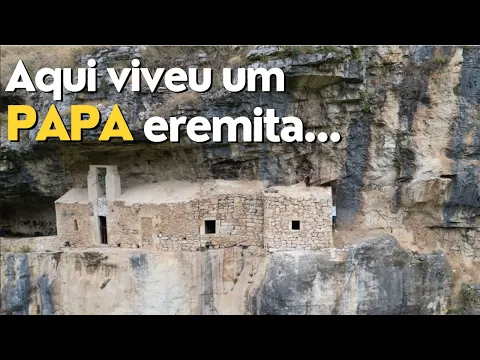
In the geometric center of the park, the Romanesque hermitage rises with a precision that defies simple explanations. Although there are no definitive documents about its authorship, historians agree that the construction was part of an ancient monastic complex linked to the Order of the Temple. More specifically, records indicate a direct relationship with the convent of San Juan de Otero, managed by the Knights Templar during the Middle Ages.
What further enhances the mysticism is the location of the building. Studies indicate that the Hermitage of San Bartolomé is positioned equidistant from the extremes of the Iberian Peninsula, a geometric detail that many associate with the Templars’ advanced knowledge in mathematics, astronomy, and sacred symbolism. For enthusiasts of medieval history, this alignment would not be the result of chance, but part of a carefully planned ritualistic and spiritual logic.
Consequently, the visit to the site goes beyond conventional tourism. For many travelers, walking to the hermitage represents an almost magnetic experience, where architecture, landscape, and symbolism merge into a single point. This combination helps explain why thousands of people traverse the trail annually, even without definitive answers about who, in fact, built the hermitage.
Legends, Caves, And Rock Formations Enhance The Atmosphere Of Mystery
Beyond the enigmatic architecture, the Canyon of the River Lobos is a territory profoundly marked by local folklore. The natural caves scattered throughout the gorge have served as shelter since prehistory, holding Roman and Celtiberian remnants that attest to the continuous human occupation of the region. Over the centuries, these caves were also used by bandits to hide loot and by shepherds in search of refuge.
Popular legends also speak of the constant presence of wolves, animals that gave the river its name and that, according to ancient accounts, dominated the territory for long periods of the year. Additionally, there are peculiar rock formations, sculpted by erosion, that created large natural windows and curious silhouettes observing the hikers from atop the cliffs.
These openings in the rock have received names given by the local population and contribute to the unique atmosphere of the trail. The result is an environment that blends the sacred and the wild, reinforcing the feeling that the visitor traverses a space where history, nature, and myth coexist in almost inseparable ways.
Why The Walk To The Hermitage Of San Bartolomé Is Considered Unique
The visit to the hermitage is not limited to a final point on the map, but to a complete journey. The route through the Canyon of the River Lobos combines geology, history, biodiversity, and symbolism in a path accessible to most visitors. The vertical limestone walls offer a didactic and visually impactful example of the karst landscape, while the constant presence of birds of prey adds dynamism to the path.
From a historical standpoint, the Hermitage of San Bartolomé remains a rare remnant of a 13th-century Templar monastery, preserving Romanesque architectural elements that have withstood the test of time and isolation. Moreover, the mystical aspect, associated with the geographic alignment and possible symbolic practices of the Templars, transforms the walk into something deeper than just a simple outdoor stroll.
Finally, planning the visit requires attention to practical details. Access to the park is free, and the trail does not present significant technical difficulties. However, entering the inside of the hermitage may require the payment of a symbolic fee intended for the maintenance of the heritage. The best times for the visit are spring and autumn when the weather is milder and the landscape bursts with vibrant colors. There are water sources before the start of the trail, but it is essential to be prepared and respect one of the most preserved and enigmatic natural environments in Spain.





Seja o primeiro a reagir!