





 Portuguese
  English
  Spanish
  5 min of reading
  0 comments


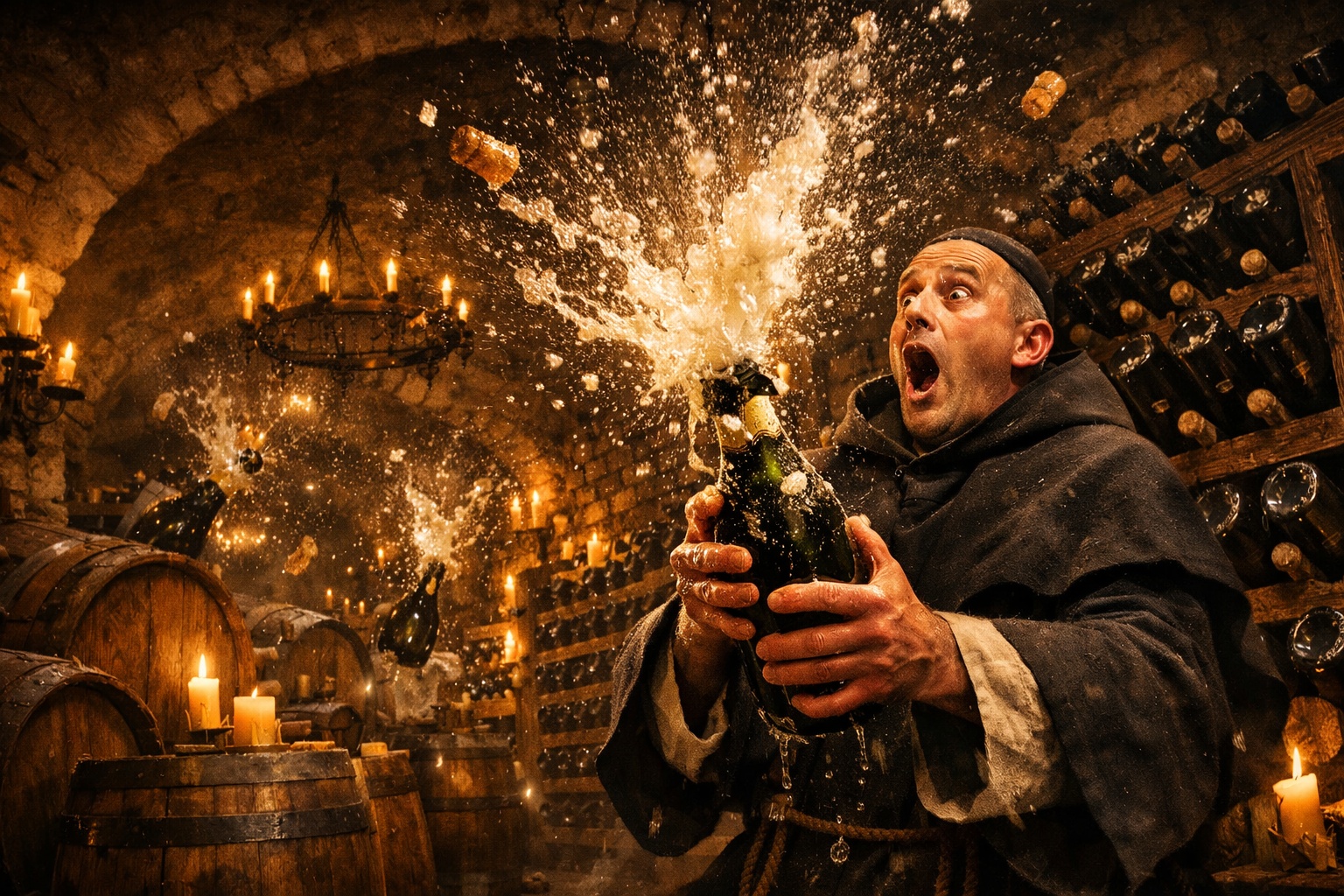
The History Of Champagne Began As A Technical Error In The Vineyards Of France, When Bottles Exploded In Cellars And Producers Tried To Stop The Fermentation That Created The Famous Bubbles.
Today, champagne is considered one of the most sophisticated beverages on the planet. It is featured at weddings, sports celebrations, diplomatic events, and historical commemorations. However, few know that this iconic drink from France originated from a technical problem that for a long time caused headaches for producers. In the vineyards of the Champagne region in northeastern France, 17th-century vintners sought to produce still wines, that is, non-sparkling wines, similar to those from the neighboring Burgundy region. The goal was to obtain a clear, stable drink suitable for transportation.
What happened, however, was something completely unexpected: bottles began to naturally produce gas, creating internal pressure that often caused corks to pop off or even explode within cellars. This phenomenon led producers to nickname that unstable wine “the devil’s wine”, an expression used at the time to describe something unpredictable and difficult to control.
What seemed like a manufacturing defect would, decades later, become the most famous characteristic of champagne.
-
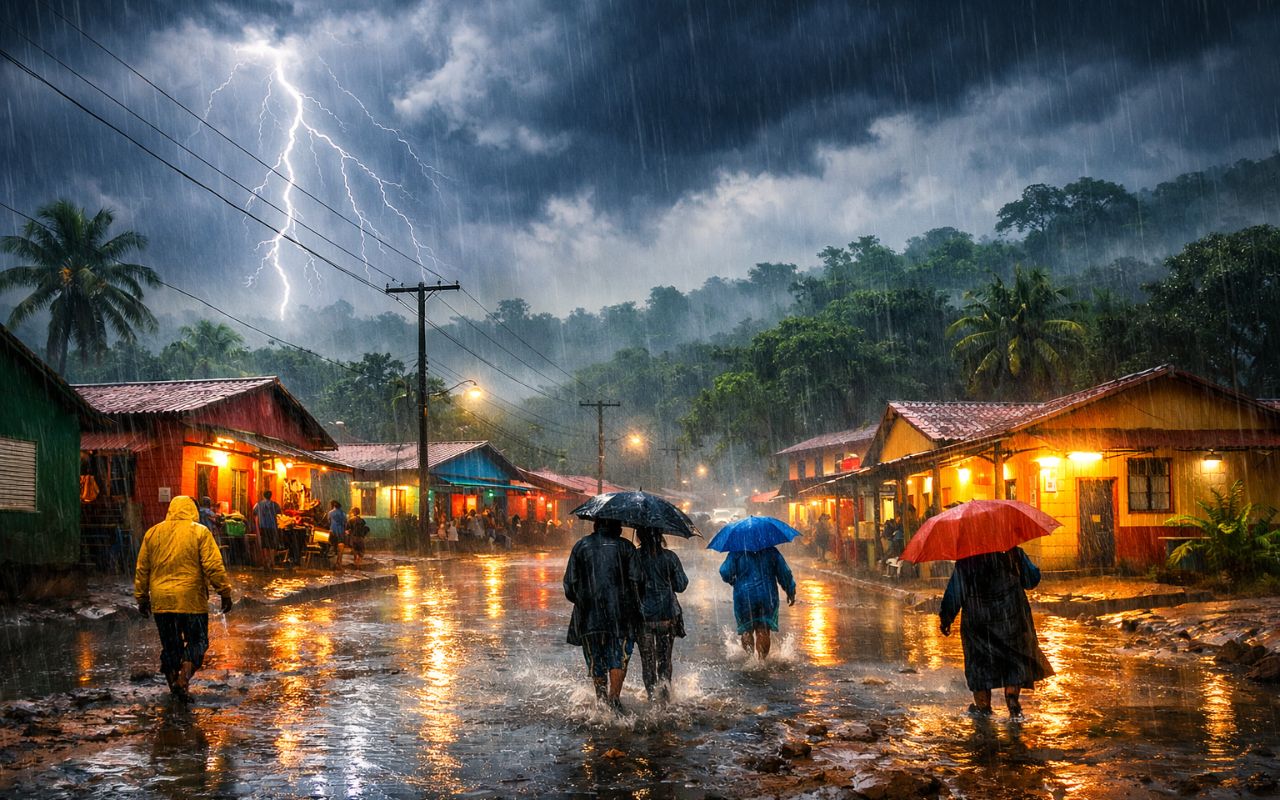
It seems to have come out of a science fiction movie: A Brazilian city where it rains almost every day, recording over 4,000 mm per year, driven by climatic factors — a direct result of its strategic location in the Amazon.
-
The water crisis that could change everything this year has already begun; it’s not just about the climate, it affects technology, raises product prices, and can halt entire companies without warning.
-
A Japanese mason transforms raw granite into small cups and handcrafted utensils, collects giant stones, cuts with precision, and impresses with detailed manufacturing and finishing.

-
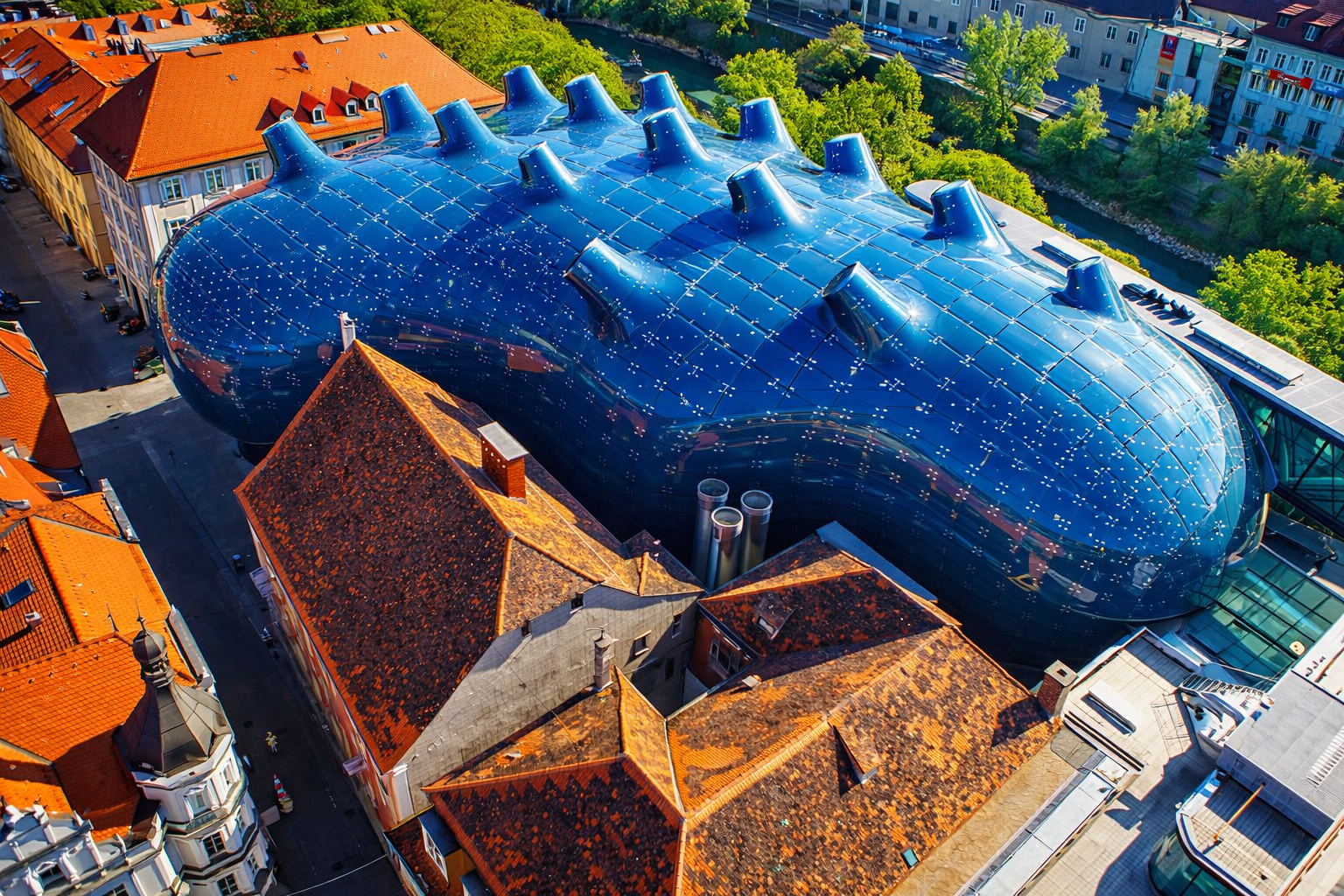
With 1,066 acrylic panels, the building known as the friendly alien is supported by a steel skeleton, has a façade that functions as a giant screen, and impresses the world without any internal columns.

The Climate Of The Champagne Region Created The Problem
The origin of the phenomenon is directly linked to the cold climate of the Champagne region. During the autumn, the wine began to ferment normally inside the barrels. In this process, yeasts convert the sugar in the must into alcohol and release carbon dioxide.


However, when winter arrived, the very low temperatures interrupted this fermentation before it could be completed. When spring returned and the weather began to warm up, the yeasts reactivated. The problem was that, at that moment, the wine had already been bottled.
The fermentation restarted inside the bottle, releasing carbon dioxide that had nowhere to escape. The result was the accumulation of internal pressure.
Bottles Exploded In Cellars
The bottles used in the 17th century were much less resistant than today’s. With the increased pressure caused by the fermentation gas, many of them simply could not withstand the internal force. As a consequence, it was common for bottles to burst in cellars, creating a domino effect.
When a bottle exploded, the shards could break others nearby. In some cellars, producers reported losing up to 20% or 30% of the annual production due to these explosions.
Additionally, even when the bottles did not break, another problem arose: the wine became cloudy and full of sediments. At the time, this was considered a clear sign of low quality. For producers in the region, bubbles were a technical defect that needed to be eliminated.
Dom Pérignon Tried To Solve The Problem
One of the figures most associated with the history of champagne is the Benedictine monk Dom Pierre Pérignon, who lived in the 17th century. He worked at the abbey of Hautvillers, one of the wine production centers in the Champagne region.
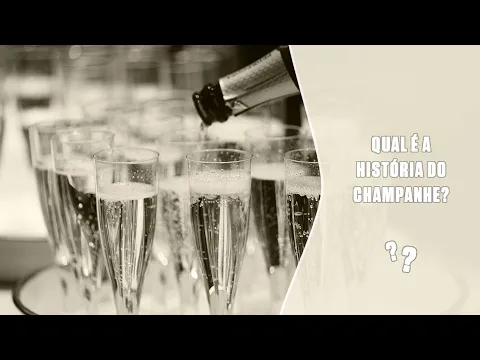
Contrary to what many popular stories suggest, Dom Pérignon did not try to create sparkling wine. In fact, he sought to avoid this problem. Even so, he made important contributions to wine production in the region.
Among the advances attributed to him are:
- improvement of grape blending techniques
- enhancement of wine quality control
- use of more efficient corks
- adoption of more resistant bottles
These improvements helped make the wine more stable and paved the way for the development of the method that would later be used in champagne production.
Although he did not invent sparkling wine, Dom Pérignon contributed to improving the winemaking processes.
The Second Fermentation Technique Became Controlled
During the following centuries, producers began to better understand the fermentation phenomenon. Instead of trying to completely eliminate the bubbles, some began to study how to control them.
This is how the traditional champagne method emerged, known as méthode champenoise. This process involves a second fermentation intentionally performed inside the bottle. For this, producers add to the wine a mixture called liqueur de tirage, made up of sugar and yeasts.
This process generates carbon dioxide, which remains dissolved in the liquid and forms the famous bubbles. From this moment on, bubbles ceased to be a problem and became a desired characteristic.
The Widow Clicquot Revolutionized Champagne
Another significant milestone in the history of the drink occurred in the early 19th century. The French businesswoman Barbe-Nicole Clicquot, known as Veuve Clicquot, introduced an innovation that completely changed the appearance of champagne.

At the time, sparkling wine still had sediments that made the liquid cloudy. She developed the process known as remuage, which consists of slowly turning and tilting the bottles to concentrate the sediments in the neck.
After that, the deposit is removed in a step called degorgement. This method allowed the production of clear and bright champagne, enhancing the visual quality of the drink. This advancement helped to establish champagne as a luxury product.
Champagne Became A Global Symbol Of Celebration
Throughout the 19th century, champagne began to gain popularity among European aristocrats. The drink became associated with celebrations, parties, and special moments.

Producers such as:
- Moët & Chandon
- Veuve Clicquot
- Bollinger
- Louis Roederer
began to export their bottles to different countries.
The combination of flavor, elegant appearance, and effervescence transformed champagne into a symbol of celebration. Today, the name “champagne” is protected by international legislation. Only sparkling wines produced in the Champagne region, following specific methods, may officially use this designation.
An Error That Turned Into Tradition
The history of champagne illustrates how a technical problem can transform into innovation.
The phenomenon that initially caused losses to producers was eventually understood and transformed into a production technique. Today, the drink that was once called “the devil’s wine” is considered one of the most prestigious in the world.
What began as a fermentation error in the French vineyards ended up creating one of the most well-known symbols of celebration in history.





-

-

3 pessoas reagiram a isso.