





 Portuguese
  English
  Spanish
  4 min of reading
  1 comment




Savings Withdrawals Reach R$ 78.5B in 2025. With High Selic, Investors Seek More Profitable Alternatives Such as CDB and Treasury Direct.
Savings Withdrawals Hit Record in 2025 and Investors Seek More Profitable Alternatives
The savings account experienced one of the largest withdrawals in recent years: R$ 78.5 billion left the account between January and September 2025, according to data from the Central Bank, released this Wednesday (8).
The amount represents an increase of almost 400% compared to 2024, when the net outflow was R$ 15.4 billion for the entire year.
The phenomenon is directly linked to the economic scenario: high inflation, Selic rate at 15% per year, and low savings yields have led families and investors to move their resources to more profitable investments or simply withdraw cash for immediate expenses.
-
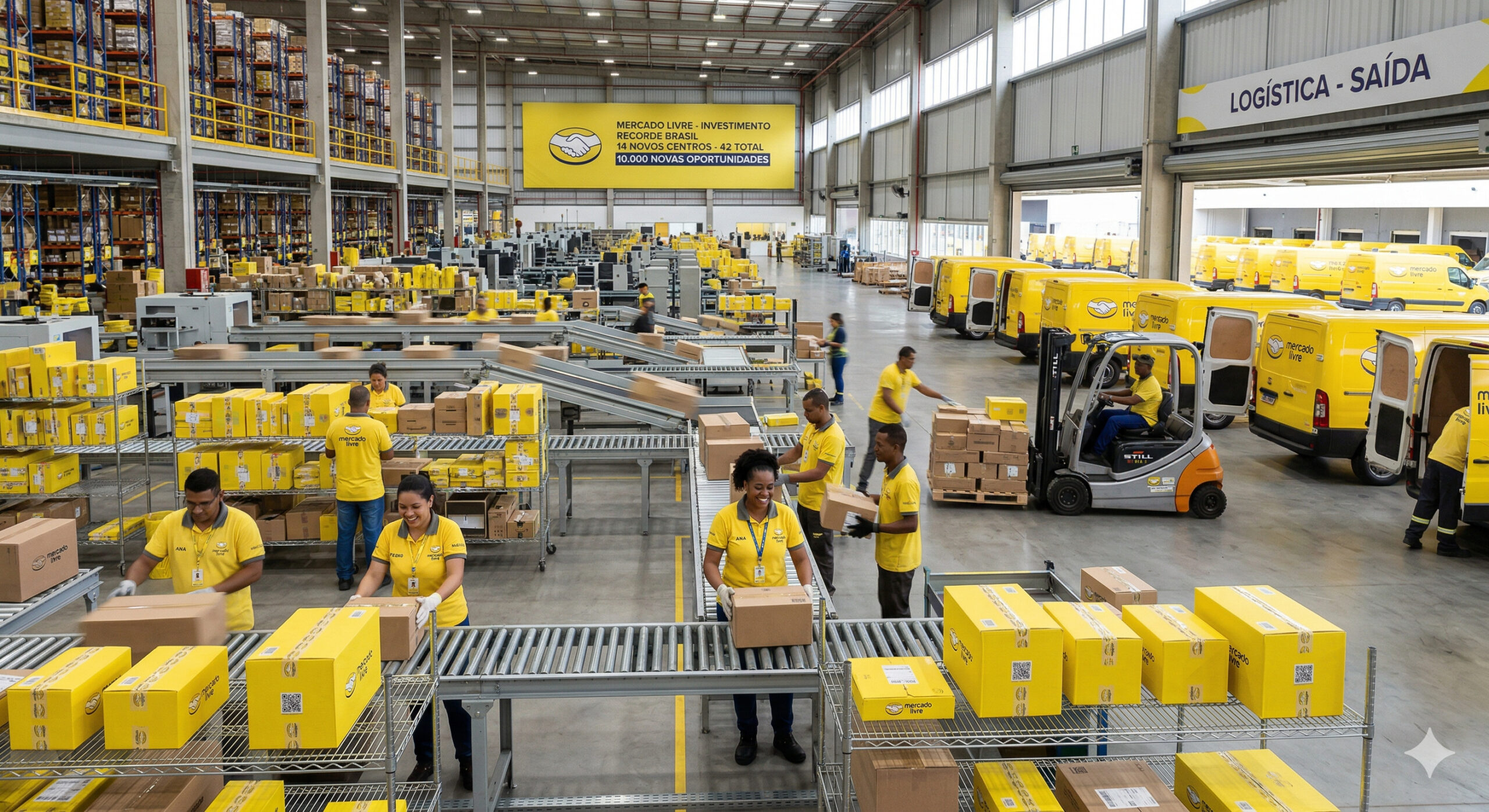
Mercado Livre “opens the vault” and announces a record investment of R$ 57 billion in Brazil in 2026, a value 50% higher than the previous year, with an expansion plan that includes 14 new logistics centers, totaling 42 units in the country and hiring an additional 10,000 employees.
-
How investment in technology can revolutionize the national economy and enhance industrial gains, according to a study that highlights the direct impact on productivity, innovation, and wealth retention within Brazil.

-
The largest food company on the planet, JBS, has just opened a 4,000 square meter laboratory in Florianópolis to develop customized proteins that modulate muscle mass gain, immune response, and metabolic performance.

-
After nearly 30 bids and competition among industry giants, a Spanish company purchases one of the largest airports in Brazil for almost R$ 3 billion and takes over the management of Galeão in a concession that will last until 2039.


In September alone, there were R$ 371.6 billion in withdrawals, compared to R$ 356.6 billion in deposits. This movement reflects a growing trend of financial reallocation and the search for better opportunities in the investment market.
High Inflation and Selic at 15% Drive Withdrawals from Savings
According to Rafael Winalda, a fixed income specialist at Inter, the increase in withdrawals has multiple explanations.
“This outflow can be attributed to various reasons, not just a better reallocation of investors’ portfolios, but also as a necessity,” he explains.
With the IPCA estimated at 5.13% and the Selic maintained at high levels by the Central Bank, savings have become even less attractive. This is because their basic yield is 0.5% per month + Reference Rate (TR) — which is currently close to 0%.
In other words, the real return is significantly lower than other investment instruments available in the market.
CDB: Popular and Safe Alternative to Start Investing
For those looking to exit savings safely, the Certificates of Bank Deposit (CDB) are one of the most recommended options. They are protected by the Credit Guarantee Fund (FGC) and usually yield more than savings, as they are indexed to indicators such as CDI, Selic, or inflation.
“The CDB is a post-fixed Selic. It will yield much better than this savings account, and you will have liquidity, and security, counting on the FGC,” says Winalda.
Additionally, CDBs allow investors to create emergency reserves without sacrificing profitability, with daily liquidity in many cases.
CRIs and CRAs: Long-Term Investments Exempt from Income Tax
Another option for those looking to diversify investments are the Real Estate Receivables Certificates (CRI) and Agribusiness Receivables Certificates (CRA). These securities are linked to the Selic or inflation + a pre-fixed rate and have the advantage of Income Tax exemption.
Since they do not have protection from the FGC, they offer higher returns to compensate for the additional risk.
“In the long term, it’s interesting to invest with inflation in mind. You will build your portfolio with a good portion in inflation, the famous IPCA+,” explains the specialist.
This investment type typically attracts investors with a more moderate or aggressive profile who seek real gains above inflation.
Treasury Direct: Maximum Security and Daily Liquidity
When it comes to security, Treasury Direct is considered the most reliable investment in the country, as it is guaranteed by the Union.
There are three main modalities:
- Treasury Selic: with daily liquidity and yield tied to the basic interest rate;
- Treasury Prefix: with a known rate at the time of investment;
- Treasury IPCA+: with a profitability above inflation.
“What guarantees this investment is the federal government, and it is the one calling the shots. They will pay you for sure,” asserts Winalda.
It’s worth noting that, unlike CRIs and CRAs, Treasury Direct securities are subject to progressive Income Tax, which decreases as the duration of the investment lengthens.
Variable Income: Opportunity for More Aggressive Profiles
For investors willing to take on more risks in search of higher yields, variable income can be a path. According to Winalda, this profile needs to withstand short-term fluctuations, which are common in the stock market.
An alternative for those looking to start are the Real Estate Investment Funds (FIIs), which offer volatility similar to the stock market but with recurring distribution of yields. Another option is investment funds, ideal for those who do not have the time or experience to monitor the market daily.
“Funds are an interesting alternative, where you have a specialized team with managers and analysts who keep an eye on the market,” reinforces the specialist.
Brazilians Seek to Diversify to Protect Wealth
The record movement of savings withdrawals in 2025 highlights a shift in the behavior of Brazilians. With high inflation and high Selic, keeping resources idle in the account represents loss of purchasing power.
Therefore, more and more people are moving to more efficient investments, such as CDBs, Treasury Direct, CRIs, and CRAs, balancing security, liquidity, and profitability.
For those just starting, specialists recommend taking small steps, prioritizing conservative investments before venturing into variable income.










Great article, thank you for sharing these insights! I’ve tested many methods for building backlinks, and what really worked for me was using AI-powered automation. With us, we can scale link building in a safe and efficient way. It’s amazing to see how much time this saves compared to manual outreach.