





 Portuguese
  English
  Spanish
  2 min of reading


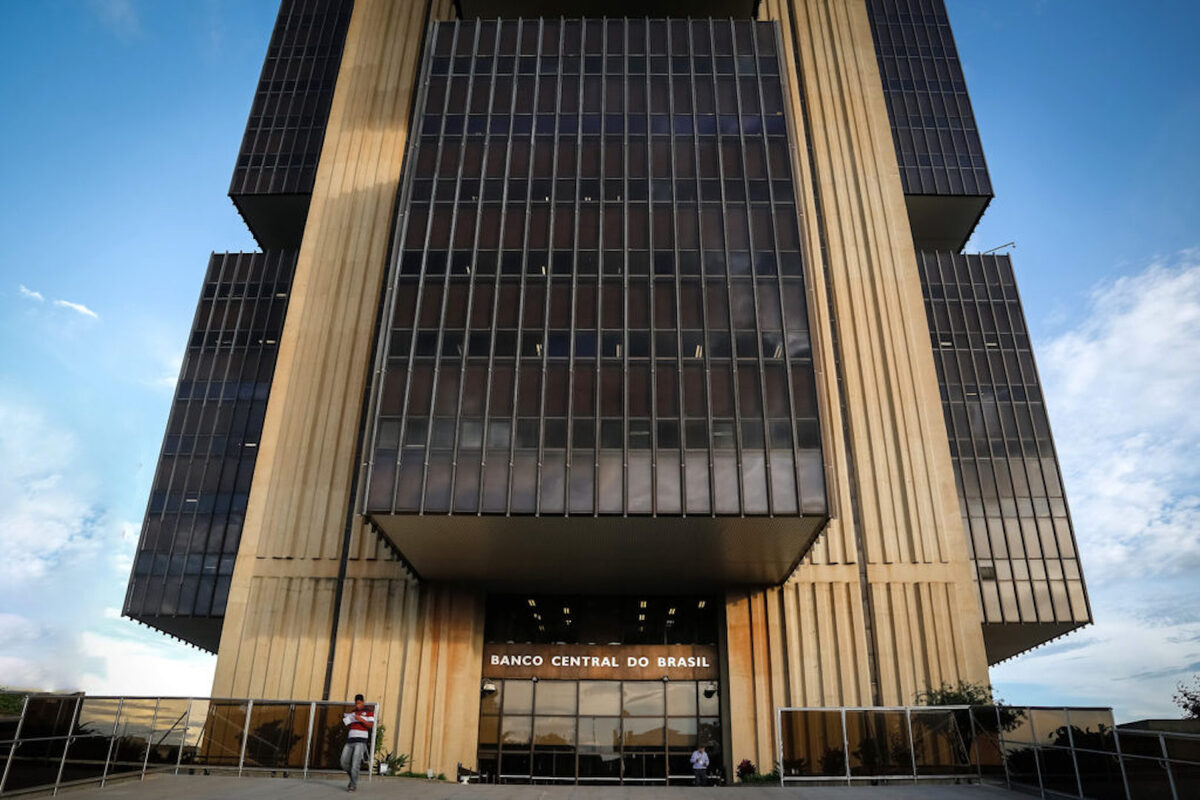
The Savings Account Is Traditionally the Most Sought-After Financial Investment by Brazilians, But It Experienced a Net Withdrawal of R$6.087 Billion in March.
According to data released by the Central Bank this Thursday, although the figure is significant, it is still far from the worst result ever recorded for March.
Savings Account Activity in Recent Months
February was an especially difficult month for the savings account, with losses of R$11.515 billion. However, the worst scenario for the savings account was seen in 2022 when it suffered net withdrawals of R$15.356 billion. That year, the total withdrawn from savings reached R$103.237 billion, a record for this financial investment.
Last month, withdrawals exceeded deposits in the SBPE (Brazilian Savings and Loan System) by R$5.665 billion. Meanwhile, in the rural savings account, net outflows were R$422.4 million.
-
Brazil’s exports to the U.S. plunge for the eighth consecutive time, while China expands its leadership, and this is changing the landscape of foreign trade in 2026.

-
The Federal Government wants to curb family indebtedness and is considering releasing FGTS with a renegotiation that could cut up to 80% of debts for families and individual micro-entrepreneurs (MEIs).

-
‘Theory of the Madman’ is the strategy that explains why Trump threatened to end Iran and hours later offered a two-week truce as if nothing had happened.

-
Oil secures a larger drop, exports advance in March, and Brazil ends the month with a surplus of $6.4 billion despite the strong rise in imports.

In 2023, the savings account has accumulated a loss of R$51.233 billion. This wave of withdrawals reflects the current scenario of high interest rates, which reduces the competitiveness of the savings account compared to other investments.
What Is Leading to Withdrawals from the Savings Account?
The financial market is constantly changing, and as such, it requires consumers to pay closer attention and analyze their options. Although the savings account is a safe investment, the maintenance of high interest rates for an extended period may lead to a depreciation of this financial application, prompting investors to seek more profitable alternatives.
With the drop in the Selic rate, which stabilized at 7.0% in August 2021, other types of investments began to offer more attractive returns than the savings account. For example, there are investments in government bonds, fixed income funds, CDBs, and other financial applications offered by banks.
Some economists believe that the savings account is still a good option for those starting to invest, as it is a financial application with easy access and daily liquidity. On the other hand, for those who already have accumulated wealth, other investment options may offer higher returns.
Central Bank
The data released by the Central Bank shows us that the maintenance of high interest rates for an extended period has a direct impact on the profitability of the savings account. Despite its tradition as a financial investment, it can no longer compete with other investment options available in the market.
In the current financial scenario, it is essential for investors to stay updated and seek more profitable and secure alternatives to invest their money. It is recommended that investors seek financial guidance before making any decisions, as this is the best way to protect their wealth and ensure good financial returns.










Seja o primeiro a reagir!