





 Portuguese
  English
  Spanish
 5 min of reading
  0 comments


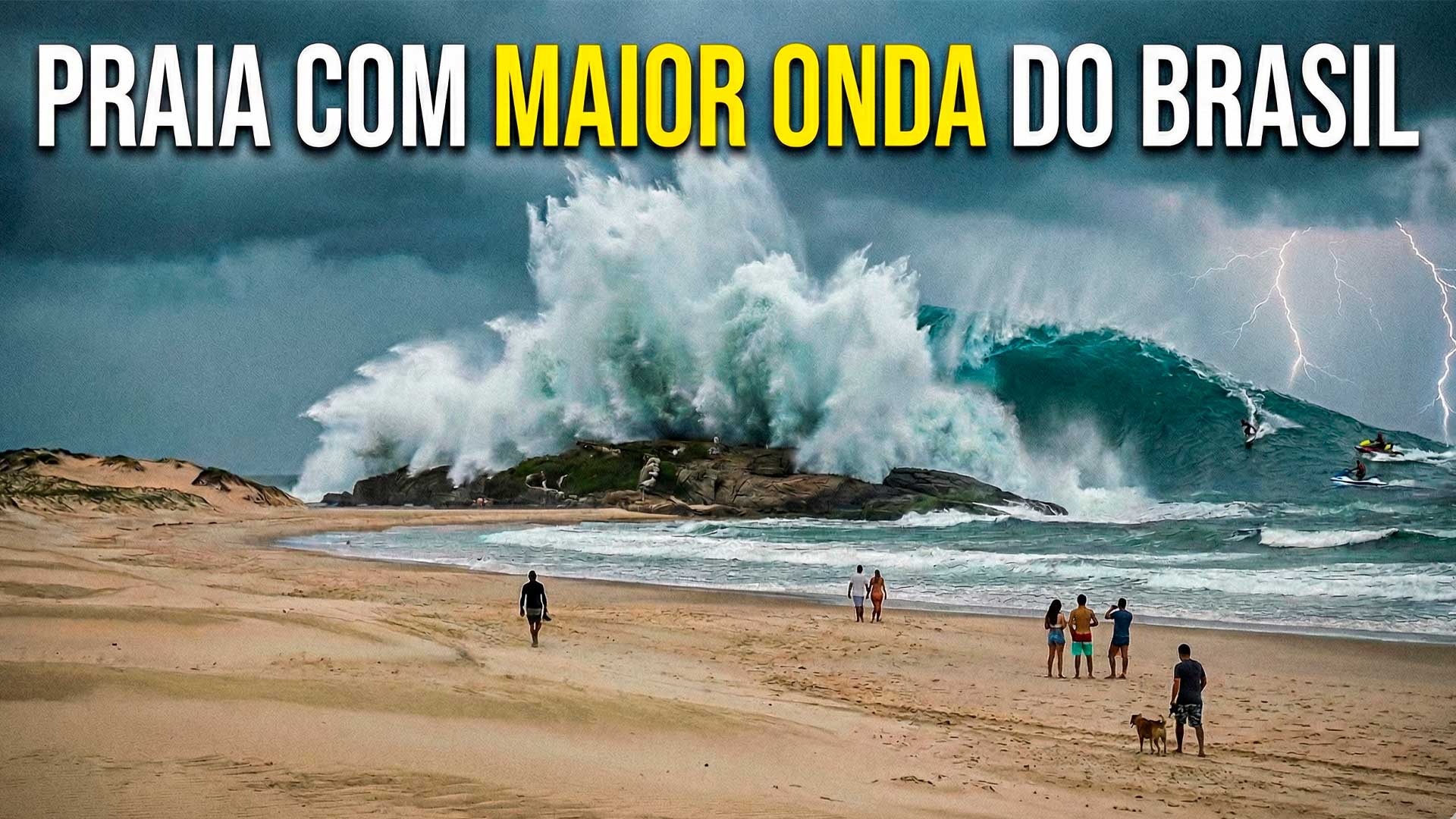
On The Southern Coast of Santa Catarina, Jaguaruna Brings Together Wide, Underdeveloped Strips of Sand with The Spot Where The Largest Wave Ever Surfed in The Country, Measured at 14.82 Meters, Occurred. The City Became A Topic in Big Wave Surfing in 2025, While Maintaining The Tranquil Profile of More Discreet Beach Resorts.
Jaguaruna, in southern Santa Catarina, has been gaining attention as a destination for those looking for less crowded beaches and natural landscapes dominating the horizon. The combination of dunes, lagoons, and an extensive coastline creates a sense of space, even during peak season.
At the same time, the municipality has become a national reference in big wave surfing due to the Laje da Jagua, an underwater formation that amplifies waves on specific days. This fame, curiously, coexists with beaches where the routine still consists of long walks, constant wind, and few tall constructions.
Official data helps to gauge the place. According to the IBGE, Jaguaruna had 20,375 inhabitants in the 2022 Census, and the reported territorial area reaches 326.362 km².
-
The Argentine government celebrates the lowest poverty rate in 7 years, but experts warn that the methodology has changed, real wages have fallen, unemployment has risen, and the number of people on the streets of Buenos Aires has increased by 57% since Milei took office.

-
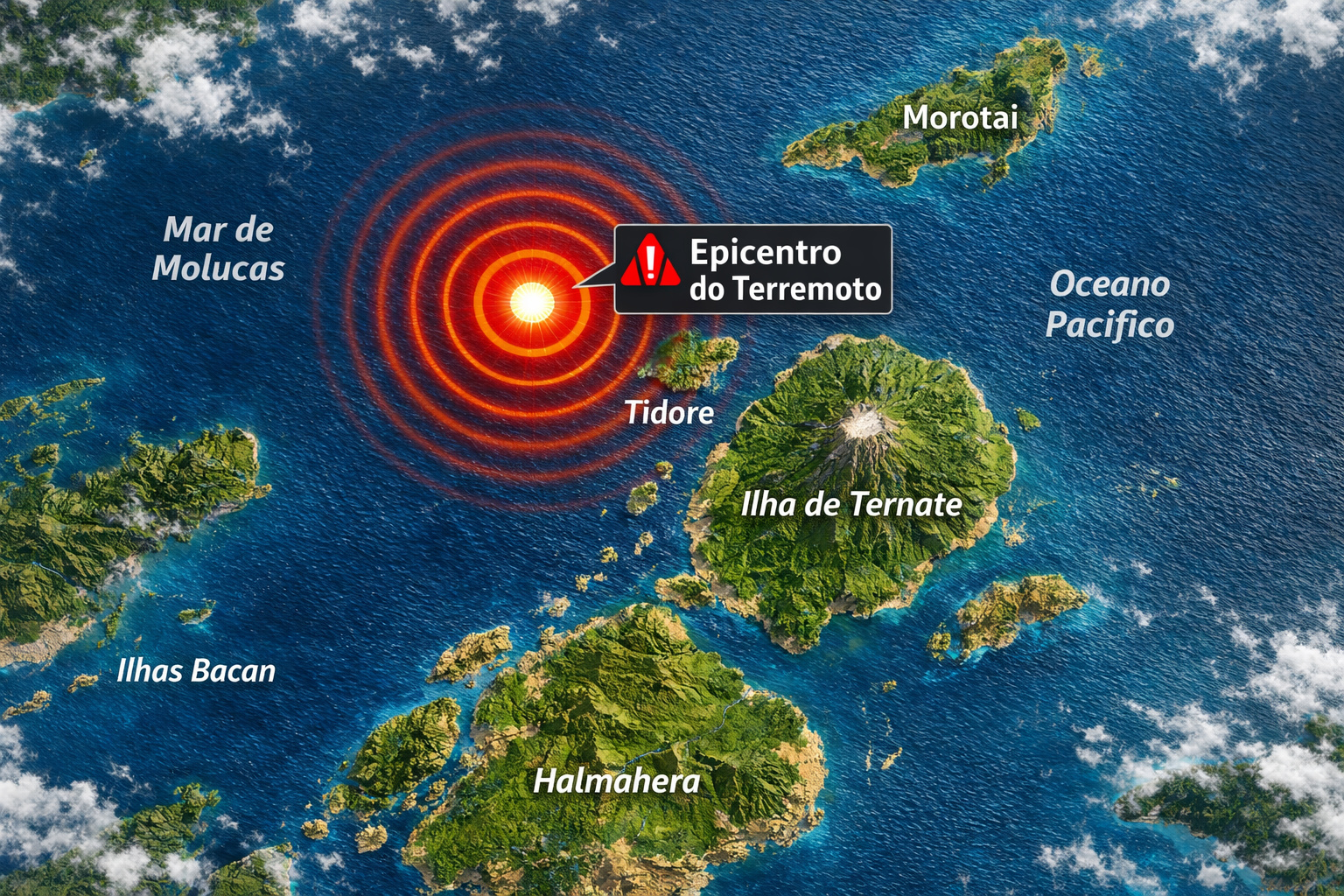
7.8 magnitude earthquake in Indonesia frightens the population, triggers tsunami alert, and hits an island with over 200,000 inhabitants this Thursday.
-
Google will finally let you change that embarrassing Gmail address you created in your teenage years without losing any accounts, logins, or old emails: the feature is already available in the United States.

-
Heading to Brazil in a Bonanza F33 single-engine aircraft: a couple departs from Florida on a visual flight, makes technical stops in the Caribbean to refuel and organize paperwork, and begins the staged crossing until they reach the country.

With this scenario, the city emerges as an alternative for those who enjoy water for different reasons. Some go to observe the sea and relax, while others keep a distant eye on the search for giant waves.
The 14.82-Meter Wave That Put Laje da Jagua on The Radar of Brazil and The World, Watch The Video
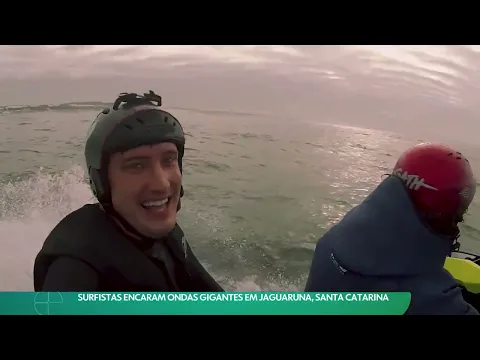

The record that put Jaguaruna on the map occurred on July 30, 2025, when an extratropical cyclone helped form a powerful swell on the Santa Catarina coast. On that day, surfer Lucas Chumbo rode a wave measured at 14.82 meters, recognized as the largest ever surfed in Brazil.
According to reports from ge.globo and CNN Brazil, the measurement was made based on a technical analysis requested by initiatives linked to big wave surfing. The episode reinforced the nickname “Brazilian Nazaré”, in comparison to the Portuguese village famous for giant waves.
The explanation for this behavior of the sea lies in geography. According to ge.globo, Laje da Jagua is an underwater rocky formation about two kilometers long, discovered by surfers in 2003, that causes waves to grow as they approach the coast.
This detail is important for the everyday visitor. Giant waves are not a “daily effect” at the beach but rather a phenomenon associated with specific conditions, which typically attracts experienced athletes, rescue teams, and specialized coverage.
Beaches and Lagoons Where Tranquility Is Still Part of The Itinerary
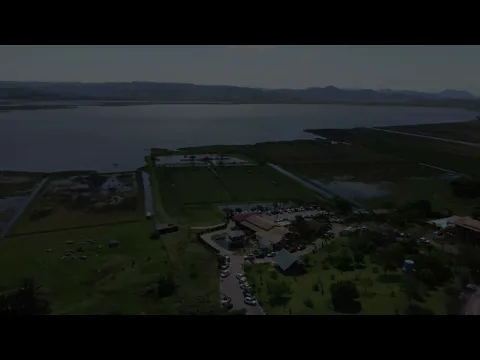
For those not looking for adrenaline, Jaguaruna offers spots with a refuge-like atmosphere, where the main plan is to stay close to the water. Travel guides describe long beaches with dunes and small villages, maintaining a less urban air than more crowded beach resorts.
Praia do Camacho is often mentioned as one of the best-known, while Barra do Camacho is noted for the channel connecting the lagoon and the sea, creating a different scenery from the open “big beach.” In visitor evaluations and tourism reports, it appears as a good area for walking and observing the landscape, particularly during less crowded times.
Balneário Figueirinha is described as an extensive beach, usually calm outside the peak of summer, with rougher seas and good waves in some areas. The logic of the place favors those seeking space and silence, not necessarily a beachfront full of kiosks.
Arroio Corrente is often associated with the meeting of the sea, dunes, and lagoon, enhancing options for families. In practice, this means alternating salty water and calmer water, something common in regions with lagoon systems.
Another point that appears in itineraries is Campo Bom, near areas of high dunes, in addition to Balneário Esplanada, which usually has more infrastructure compared to more isolated stretches. Nevertheless, the municipality’s hallmark remains nature in the foreground.
Environmental Preservation That Helps Explain Why The Municipality Has Not Become A Wall of Buildings
The landscape of Jaguaruna is not just aesthetic; it has environmental context. Part of the central-southern coastline of Santa Catarina is included in the Francis Whale Environmental Protection Area, a federal conservation unit created in 2000, according to ICMBio.
The presence of this APA is linked to the protection of the coastal marine environment and sensitive areas associated with the lifecycle of the francis whale, in addition to coastal ecosystems. In practice, this helps to explain why certain regions maintain dunes, restingas, and more preserved natural strips.
Another indicator of coastal dynamics appears in the property profile itself. In results released by IBGE regarding the 2022 Census, Jaguaruna ranks among the municipalities with the highest percentage of occasional-use households, at 63.7%, which is typical of cities with a strong presence of summer homes and seasonal occupancy.
This data aligns with the feeling perceived by residents and tourists. There are periods when the city appears much fuller and others when the coast returns to being almost empty, reinforcing the profile of a “beach to breathe.”
How to Visit Safely and Make The Most of The Experience Near The Water
Even in calm destinations, attention to the open sea of southern Santa Catarina is advisable. In various beaches in the region, the waves can be strong, and the currents change quickly, so it is wise to observe the day’s conditions and prefer areas with more people when the aim is to swim.
For those seeking tranquility, outside of holidays and January is usually easier to find the quieter version of Jaguaruna. The lower light, wind, and the sea with less tourist movement make a difference in the experience.
If the idea is to closely observe the culture of big wave surfing, it is most prudent to approach this as contemplation and information, not as an improvised outing. Historic sessions depend on forecasting, logistics, and trained teams, and curiosity needs to walk with safety.
Finally, a simple care aids any itinerary. Planning travels, respecting dune and vegetation areas, and avoiding driving in sensitive locations are actions that protect the scenery that makes Jaguaruna attractive precisely because it stands out.
Do you think the title of “Brazilian Nazaré” helps the city, or does it pave the way for uncontrolled tourism and loss of tranquility? In your view, is it possible to reconcile fame for giant waves with empty and preserved beaches without turning into another crowded resort? Leave your comment with your opinion, especially if you are from southern Santa Catarina and have seen this change up close.










-

-

-

-

-

9 pessoas reagiram a isso.