





 English
  Francês
  Alemão
  Italiano
  Japonês
  Norueguês
  Portuguese
  Spanish
  3 min of reading


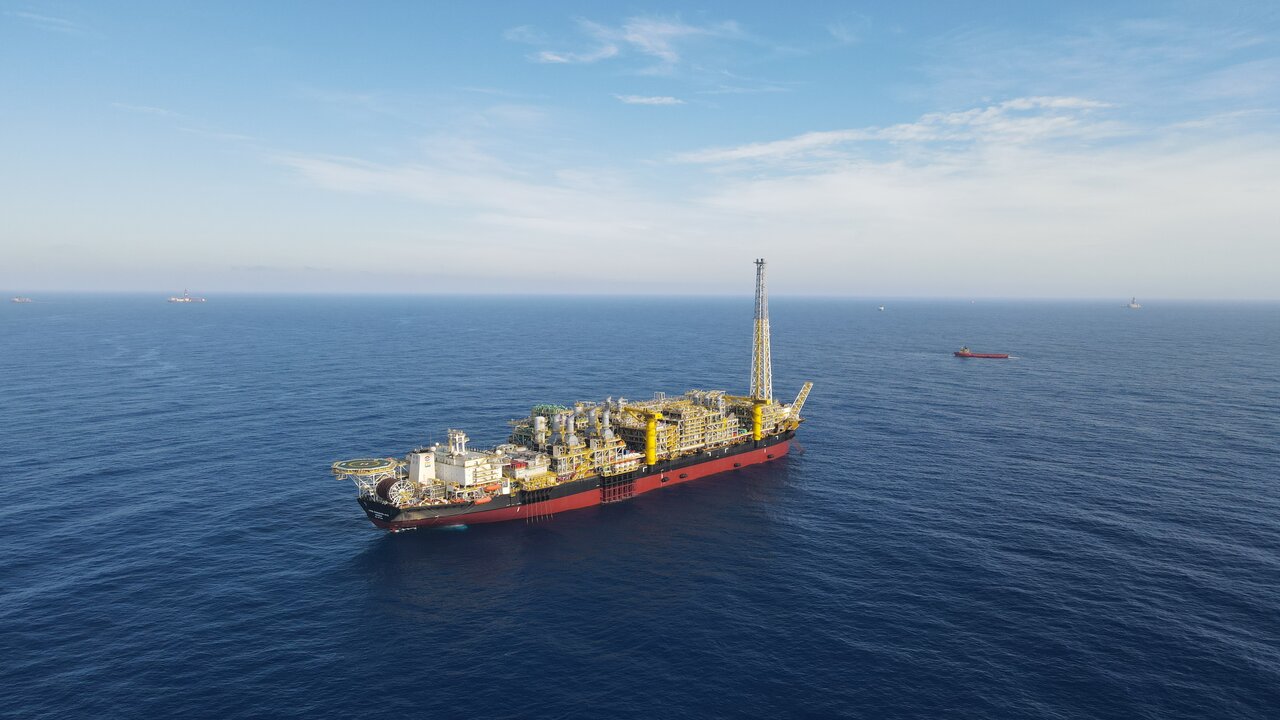
According to PPSA, the Búzios and Mero fields were the main highlights in oil production under the sharing regime. The contracts ensured good results in 2022, with strong numbers for the Union in the division of barrels.
The latest data from Pré-Sal Petróleo (PPSA) for Brazilian production in 2022 reinforces the expansion of the segment in the country. According to the state company, oil production exceeded 2021 numbers by 4 times. There were more than 233 million barrels of oil from seven contracts, with 9.8 million barrels allocated to the Union’s share in the division.
Oil Production Market in Sharing Regime Contracts with the Union Sets Record in 2022, PPSA Data Shows
Oil production under the sharing regime contracts with the Union reached a mark four times greater than the previous year in 2022, according to PPSA data.
The positive results for fuel exploration in Brazilian fields reinforce the expansion of the segment at the national level over the past year.
-
Brazilian giant expands borders in the Southeast: Petrobras confirms new oil discovery in ultra-deep waters in the pre-salt of the Campos Basin.

-
Alert in the global energy market: Severe tropical cyclone hits the coast and disrupts gas production at major plants in Australia, threatening global supply.

-
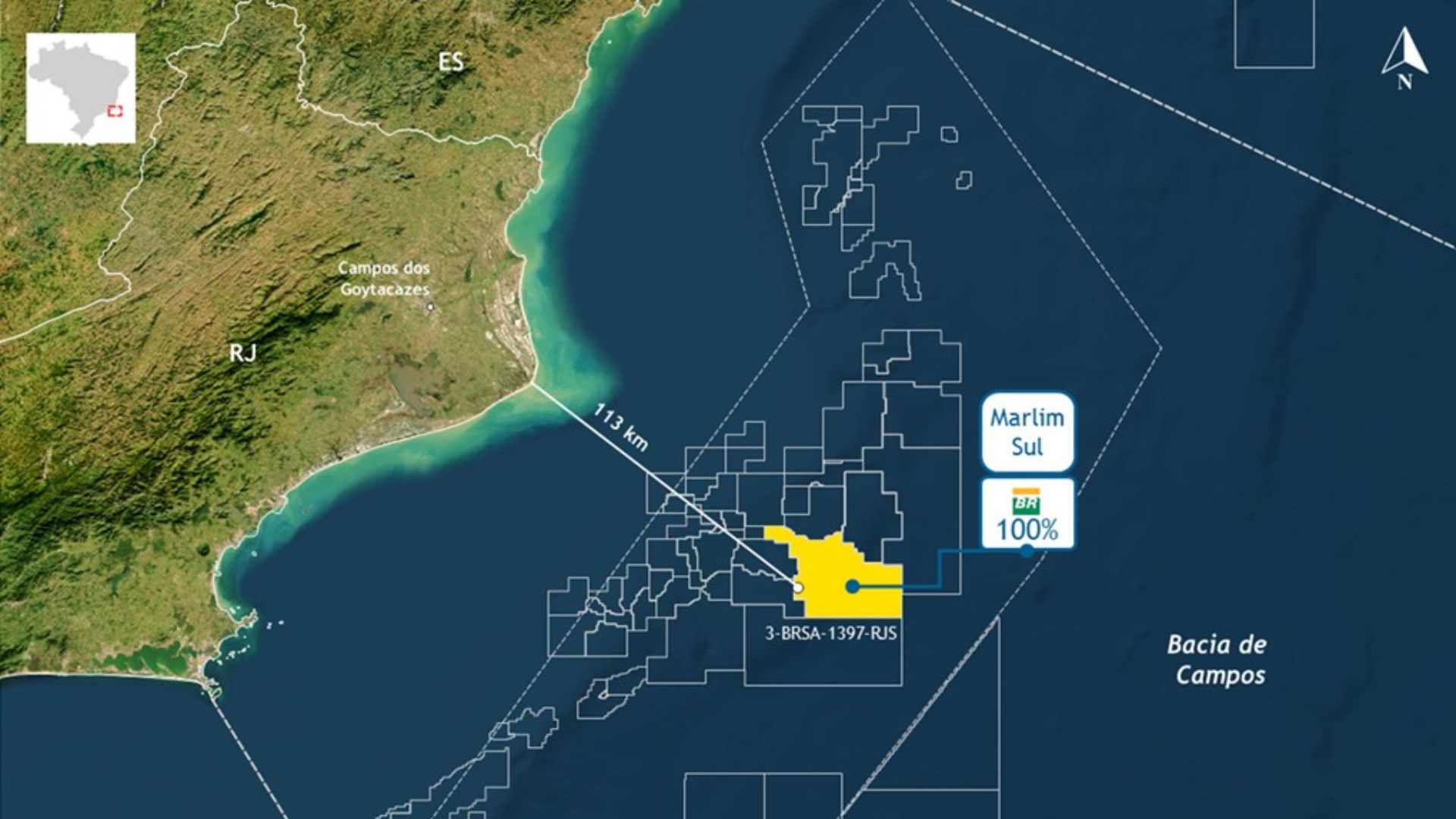
Petrobras finds high-quality oil in the pre-salt at 113 km from RJ and reignites expectations about strategic reserves in the Campos Basin.

-
Ocyan opens registrations for startups focused on innovation in the oil and gas sector and will select projects for Innovation Day with the support of Nexio.


There were more than 233 million barrels of oil from seven contracts, compared to 62 million barrels in 2021, according to the state company’s information.
The Union received a large share of oil production under the sharing regime. There were more than 9.8 million barrels allocated to the State.
Initiated in late 2017 in the then Development Area of Mero, fuel exploration under this contract regime with the Government has been yielding good results for the national and international oil and gas market.
According to PPSA projections, the peak of oil production under Brazilian sharing contracts is expected to occur around the year 2030.
The state company also highlighted that the Búzios and Mero fields were the main highlights in oil exploration in 2022.
They reached figures equivalent to 152 million and 34 million barrels of oil, respectively. In addition, they accounted for 80% of total production when combined.
Regarding the share of production solely for the Union in the contracts, the fields were still the largest producers, representing 74% of all barrels.
Just Like Oil Production, Natural Gas Exploration under Sharing Regime Contracts with the Union Grew Significantly in 2022
PPSA data shows that, just like oil production, natural gas exploration under sharing contracts also achieved significant results in 2022.
“602 million cubic meters were made available for commercialization, more than triple the 187 million m in 2021. The Búzios Field was the main producer, accounting for more than half of the production (528 million m). The Union had 48 million m,” the report states.
The contract for Sapinhoá Surrounding represents more than 80% of the Union’s natural gas, being the standout in the figures from the previous year.
In the production ranking, the top three positions are held by the Búzios fields (49% of the total, with 376 thousand bpd), Mero (187 thousand bpd), and Sépia (104 thousand bpd).
“Natural gas production with commercial use averaged 1.9 million m/day, which is 12% higher than recorded in November 2021, due to improved operational performance in the Búzios fields,” the state document highlighted.
PPSA’s results regarding oil and gas production under sharing regime contracts reinforce the potential of these agreements for the Union.







Seja o primeiro a reagir!