





 Portuguese
  English
  Spanish
  4 min of reading
  11 comments


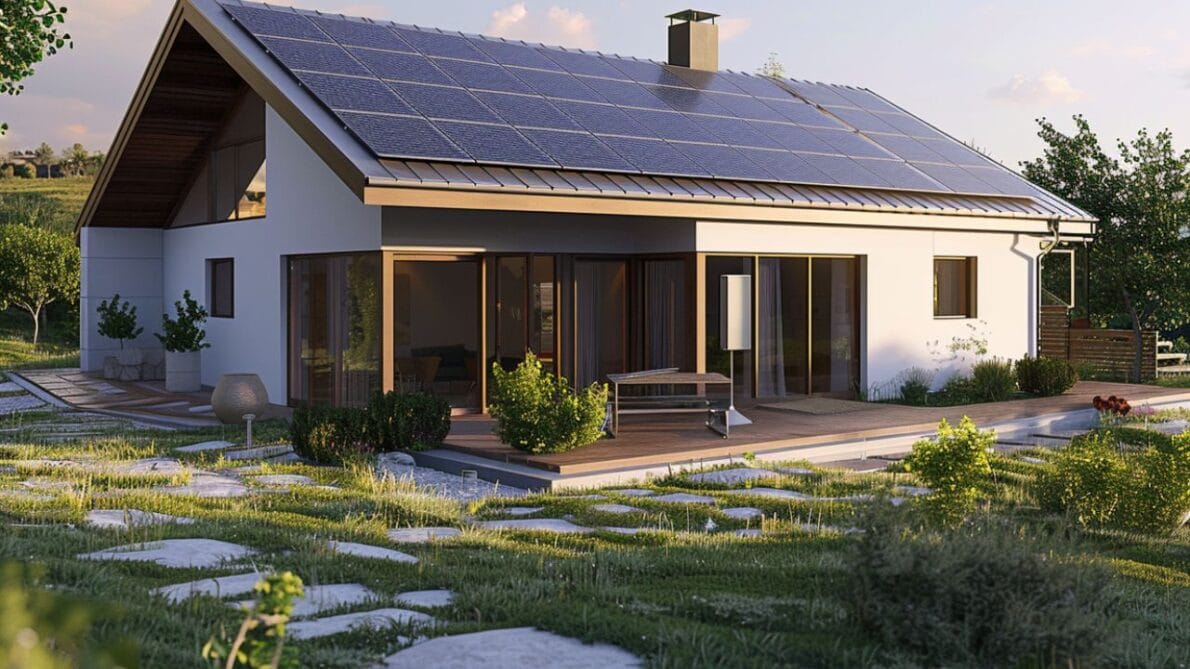


Learning to Assemble an Off-Grid Solar Energy System at Low Cost Is Now More Accessible Than Ever. This Free Guide Shows How You Can Create a Small Solar Energy System with Just R$ 1390, Using Quality Components, Including Solar Panel and Reused Battery, Ensuring Savings and Autonomy During Blackouts.
Have you ever thought about having a solar energy system at home but thought it would be too expensive? Know that it is possible to assemble a small solar system on a limited budget. This guide will show you how to do it for about R$ 1390.
You will learn how to use solar panels and other basic equipment to generate your own energy. This can help save on the electricity bill and ensure that you have power during a blackout for essential things like turning on a fan or some lights. And the best part: we will teach all of this in a simple way so that even those without experience can understand and build their own system.
What Do You Need to Buy to Have Solar Energy at Home?

To build your homemade and economical solar energy system, you will need to start by acquiring some essential components, ensuring that all of them are of good quality and suitable for your project. Here is a simple and organized guide on what to buy first:
-
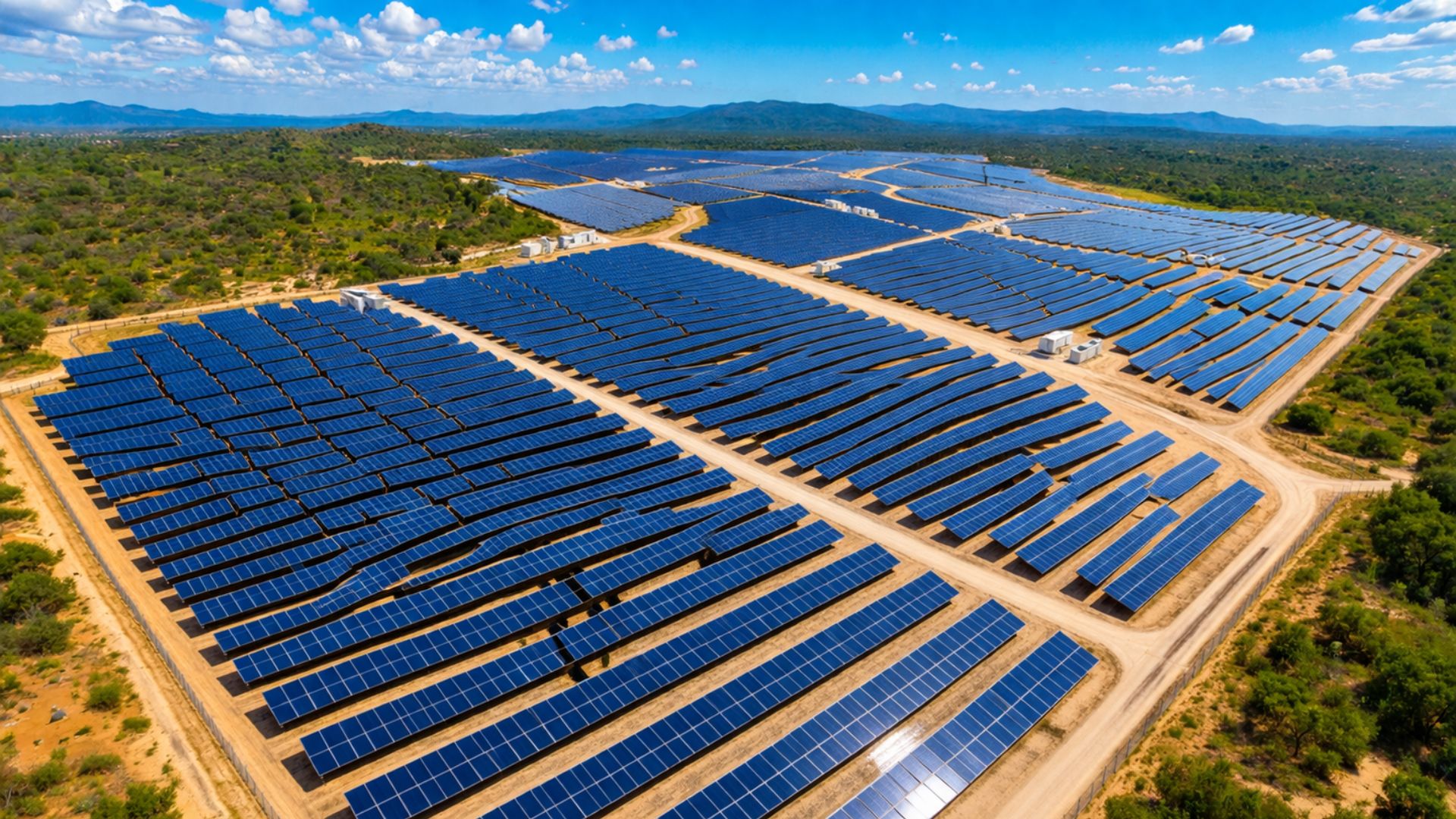
The Sol do Agreste Photovoltaic Complex begins operations in Pernambuco and accelerates the expansion of solar energy in Brazil, directly impacting the reduction of emissions and strengthening the sustainable energy matrix.
-
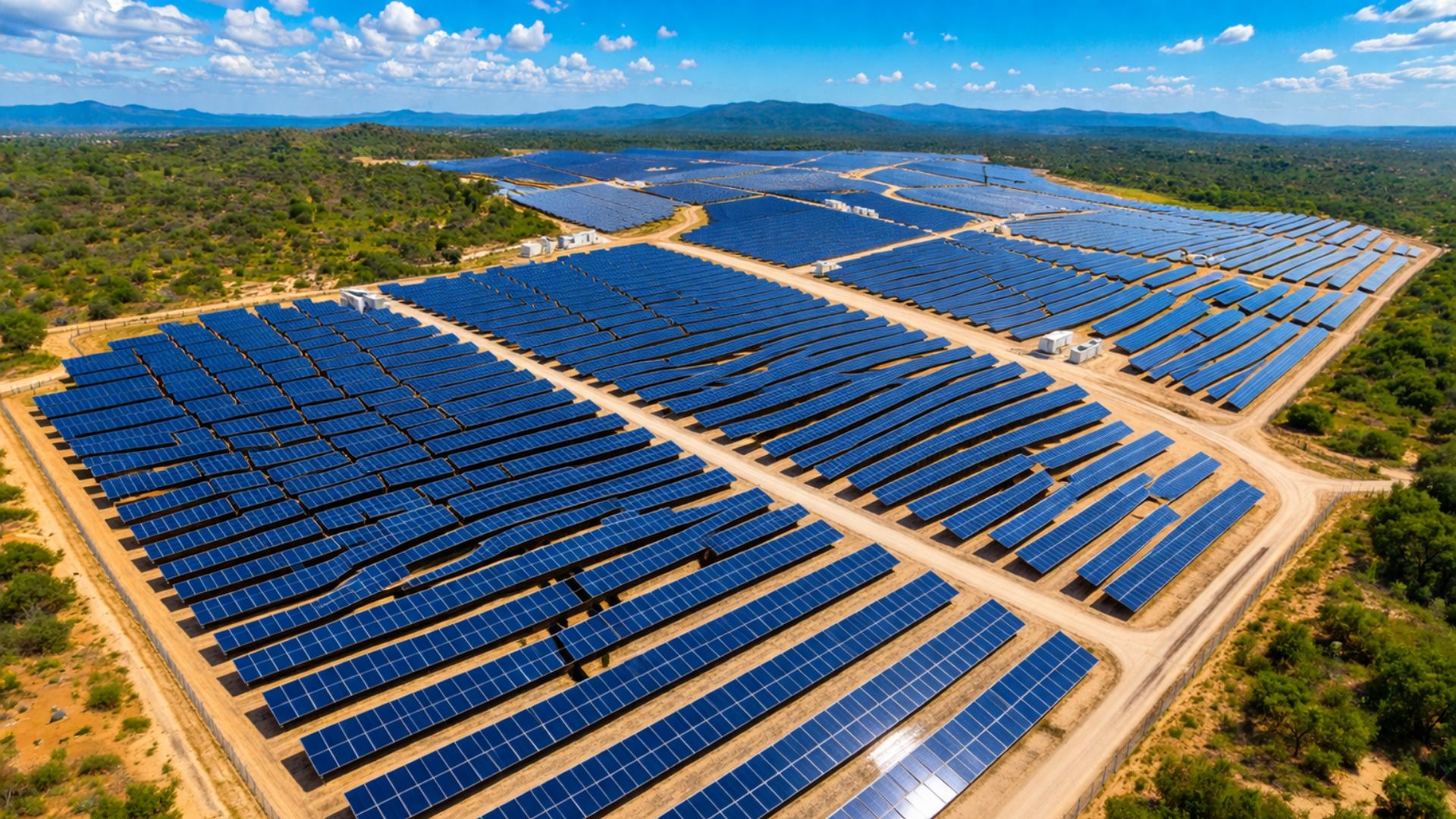
The Sol do Agreste Photovoltaic Complex begins operations in Pernambuco and accelerates the expansion of solar energy in Brazil, directly impacting the reduction of emissions and strengthening the sustainable energy matrix.
-
Renewable energy advances over protected areas in Brazil, and a survey by the Energy Transition Observatory reveals silent impacts that challenge environmental conservation and pressure sensitive traditional territories.

-
Rio Grande do Sul accelerates energy transition: State invests in renewable technologies and consolidates decarbonization strategies and pathways to attract billions in new industrial investments.

Solar Panels: the first step is to choose your solar panels. Depending on the space you have available and the energy you need to generate, you can opt for 100-watt or 150-watt panels. For a basic system, two 150-watt panels are generally sufficient. These panels can be found online starting at around R$ 250 each, totaling approximately R$ 500 for two.
Pure Sine Wave Inverter: you will need an inverter to convert solar energy into energy that can be used in your home. A pure sine wave inverter is recommended due to its efficiency and compatibility with household appliances. For a small system, an inverter that supports up to 460 watts is ideal. The cost of a suitable inverter is around R$ 450.
MPPT Charge Controller: this device helps optimize the transformation of solar energy into usable energy, increasing the system’s efficiency. The MPPT charge controller is more effective than the PWM model, working better in variable light conditions. The price of a quality MPPT charge controller starts at around R$ 140.
Batteries: batteries are necessary to store the energy collected by the solar panels. Two 60 amp automotive batteries can serve well for the purpose, especially if you are trying to save money. It is possible to find good condition used batteries at an affordable price. The cost can vary, but plan to spend around R$ 200 per battery.
Safety Considerations
Ensuring that your solar energy system is safe is super important to avoid accidents and damage to equipment. An essential item for safety is the DPS, which stands for Surge Protection Device. This device helps protect your system from electrical surges that can occur during storms, for example. The price of a good DPS is around R$ 50, and it is an investment worth making to keep your system safe and functioning well for longer.
Another important component for safety is DC circuit breakers. They are used to automatically interrupt the electrical current if there is an overload or short circuit, which is crucial to prevent fires or greater damage. Each part of your solar energy system needs to have an appropriate circuit breaker for its load. The price of DC circuit breakers starts at around R$ 30 each. And of course, it is important to use MC4 connectors for the connections between the solar panels and other components. These connectors cost about R$ 20 per pair and ensure that the connections are secure and do not come loose over time. Spending a bit more on these safety items can prevent many problems in the future.
And the Installation?
This step-by-step guide does not include the cost of the installer, but typically the installation service cost CAN range from R$ 1500 to R$ 3000 for this project, considering that the price varies depending on where you live and the installation conditions. In other words, R$ 1390 for the total parts + R$ 1500 for installation (unless you install it yourself; I included the video above to show that it is possible) is already enough to have solar energy at home.
But if you are going to install it yourself, there are some recommendations. Although it is possible for DIY enthusiasts to build a solar energy system by following guides and doing a lot of research, installing a solar energy system involves specific knowledge of electricity and safety. Without a doubt, a poorly installed system can not only function inefficiently but also pose safety risks.
For these reasons, it is highly recommended to hire a qualified professional for the installation. A professional solar energy system installer not only has the necessary technical knowledge but is also familiar with best practices and safety standards. They can ensure that the system is set up correctly for maximum efficiency and safety.









Informo que cometi um erro; cliquei em cancelar a Inscrição.
Peço que fique mantida a minha adesão e aguardo o retorno de minha indagação.
Mentira pura, uso energia solar a 5 anos, com esse valor n se compra a bateria que custa em média 1700 reais, um inversor bom epever de 1500 watts custa + de 2500 reais, n vou citar o resto pra n perder tempo!
Vc não leu , ou não sabe ler , o cara disse bateria veicular de 60 amperes , usada , tá certo o preço, inversor de 400wats , e não de 1500 como o q vc diz ter , o preço das placas eu não sei , mas uma de 550wats , monocristlina , com eficiência de 21% tá 500 reais , e o controlador de carga também tá certo o preço. Eu perdi meu tempo aqui pra desmentir um espertalhão da Internet.
**** você não viu que ele falou bateria de automóveis. Que o valor é de 150 a 250.
Parabéns pela matéria, há tempos eu procurava algo que explicasse tão detalhadamente. Muito obrigado pelo seu tempo dedicado, valores aproximados, itens a serem adquiridos, tá tudo ali, vlw mesmo.
Obrigada Caius!!! Espero ter ajudado um pouquinho…
Gostei, mais claro que isso é impossível. Só acho deveria ampliar um pouco mais pra servir a uma casa média de 4 pessoas. Talvez 5 ou 6 placas mais modernas de 350watts, um inversor de 3kwatts e duas ou mais baterias de 200 amperes. Vais custar mais caro, mas vale a pena porque deixa de ser experiência e passa a ser de verdade