





 Portuguese
  English
  Spanish
  4 min of reading
  1 comment


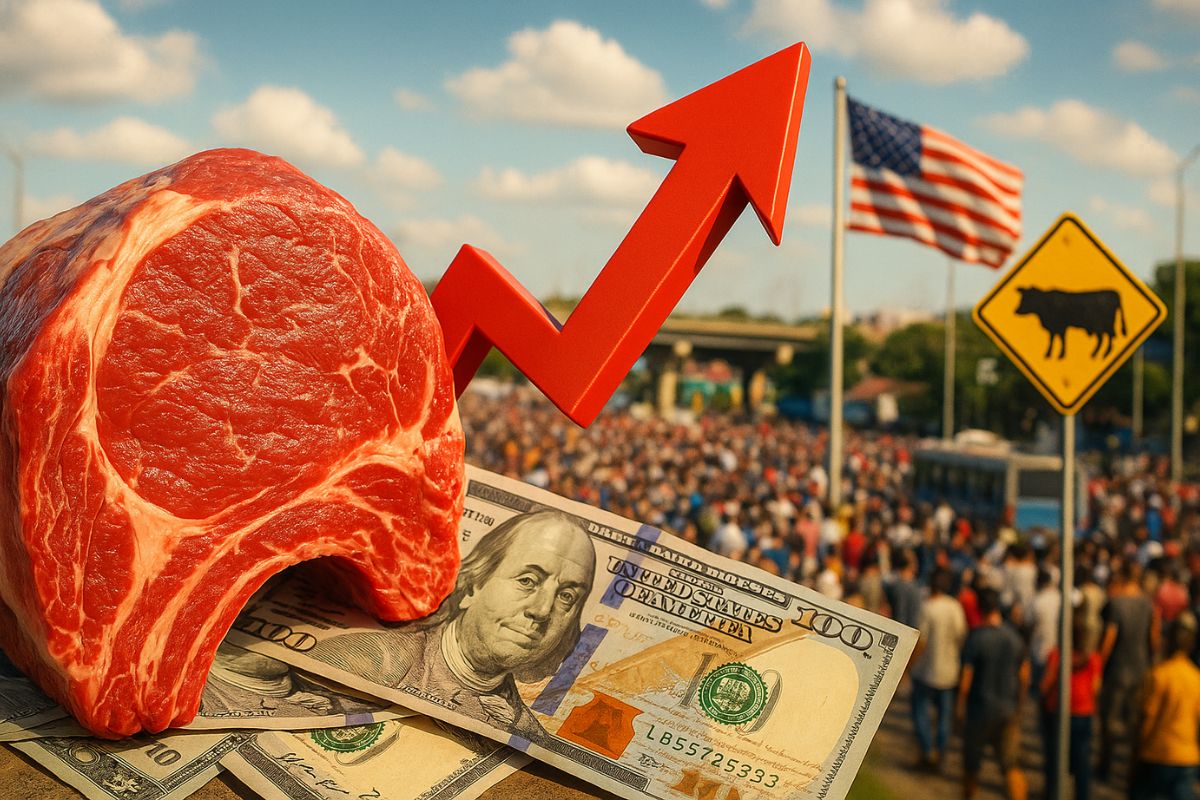


The Price Of Meat Rose Almost 10% Since January, According To The FAO Index, Boosted By Supply Shortages, Higher Production Costs And Increasing Demand In Importing Countries.
The price of meat in the international market reached in 2025 the highest level ever recorded since the establishment of the index by the Food and Agriculture Organization (FAO) of the United Nations, three decades ago. The indicator reached an average of 128 points in August, marking an increase of almost 10% since the beginning of the year, a direct result of the combination of lower global supply and strong import demand.
The category, which includes beef, pork, poultry, and lamb, reflects a structural pressure scenario: animal diseases, rising production costs, and instability in trade policies have been reducing availability and raising final prices. According to the G1 portal, the supply crisis and the imbalance between supply and consumption are expected to keep the market tense until at least 2026.
Global Shortage And Strong Demand
The FAO index shows that the price of beef and lamb rose the most in 2025, while pork and poultry prices remained stable.
-
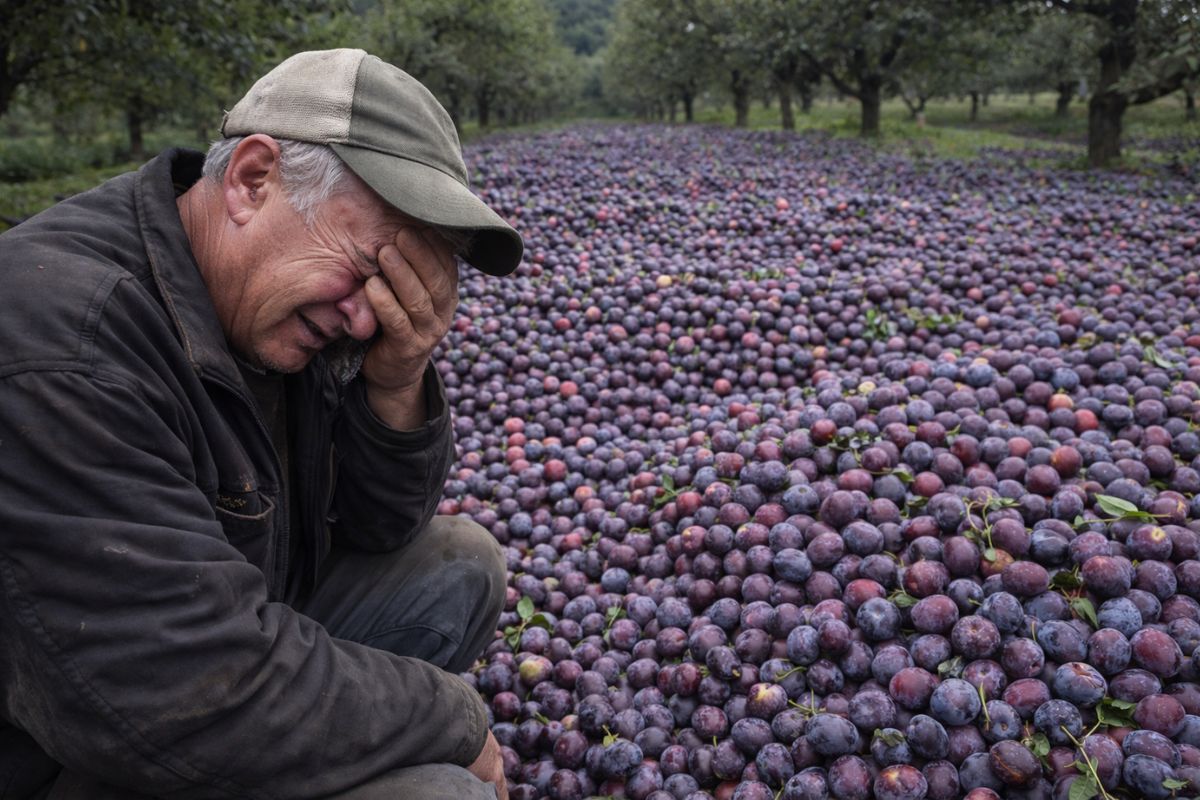
A rural producer from Urubici cries as he shows 50 tons of plums thrown on the ground because no one wanted to buy them, and in desperation, he records a video asking anyone to come to the property to pick the fruits before they rot.
-
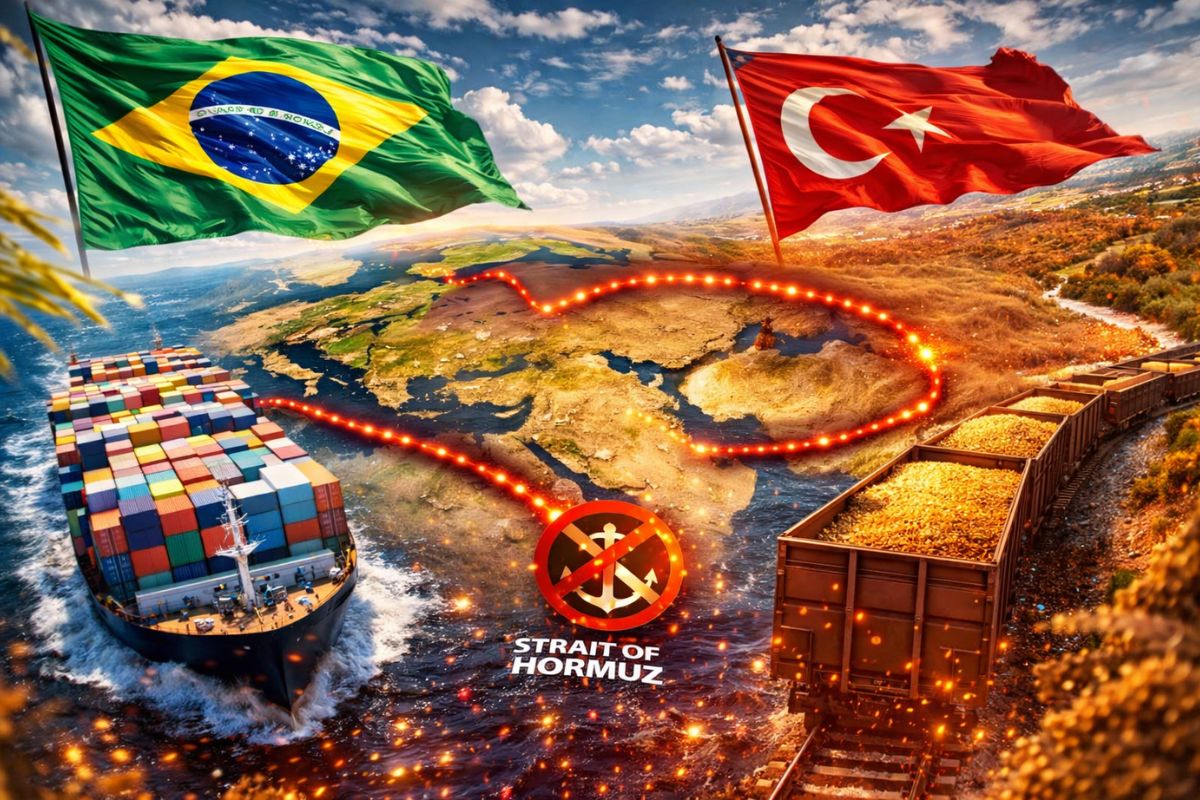
Unable to pass through Hormuz, Brazil activated a plan B that uses Turkey as a gateway to the Middle East: the route through Gibraltar and the Mediterranean is longer and more expensive but ensures that chicken, beef, and corn continue to reach Arab markets.
-
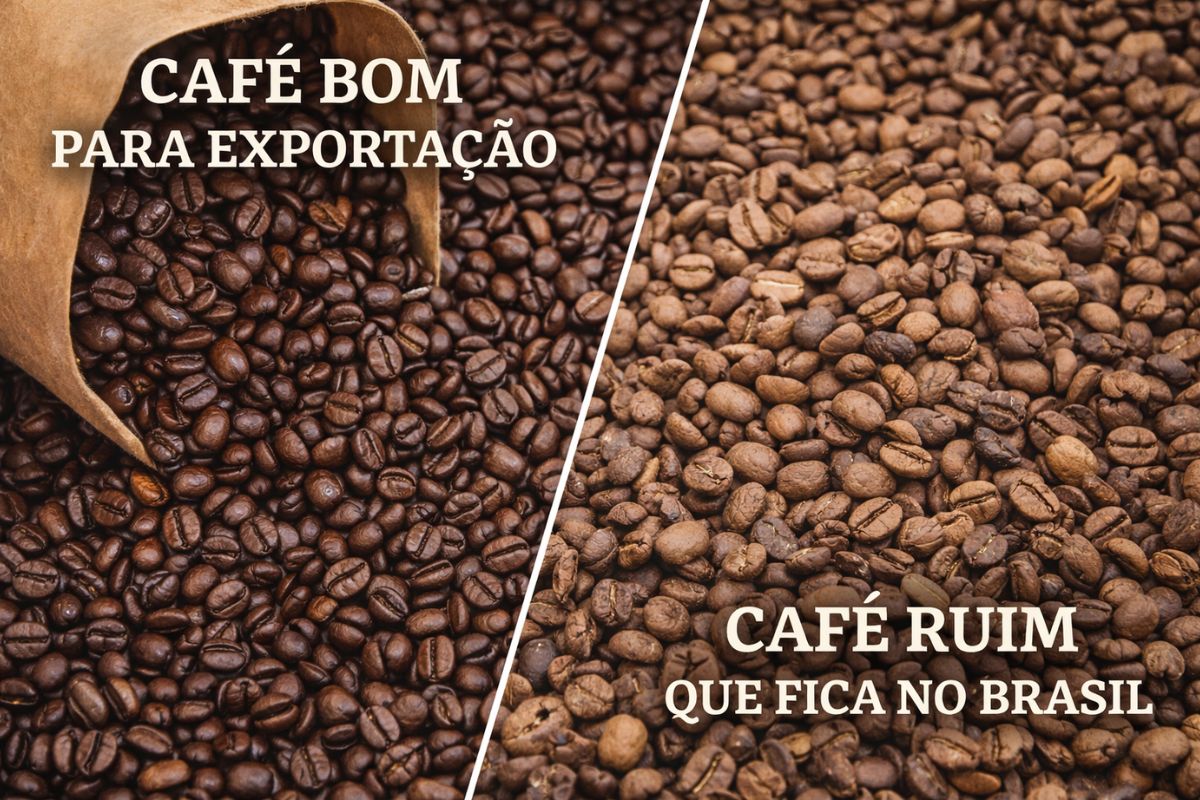
You grew up hearing that the good coffee from Brazil goes all abroad and the bad coffee stays for Brazilians, but this story has completely changed, and the numbers show that in the 1980s, thirty percent of the coffee sold here was adulterated with corn and barley.
-
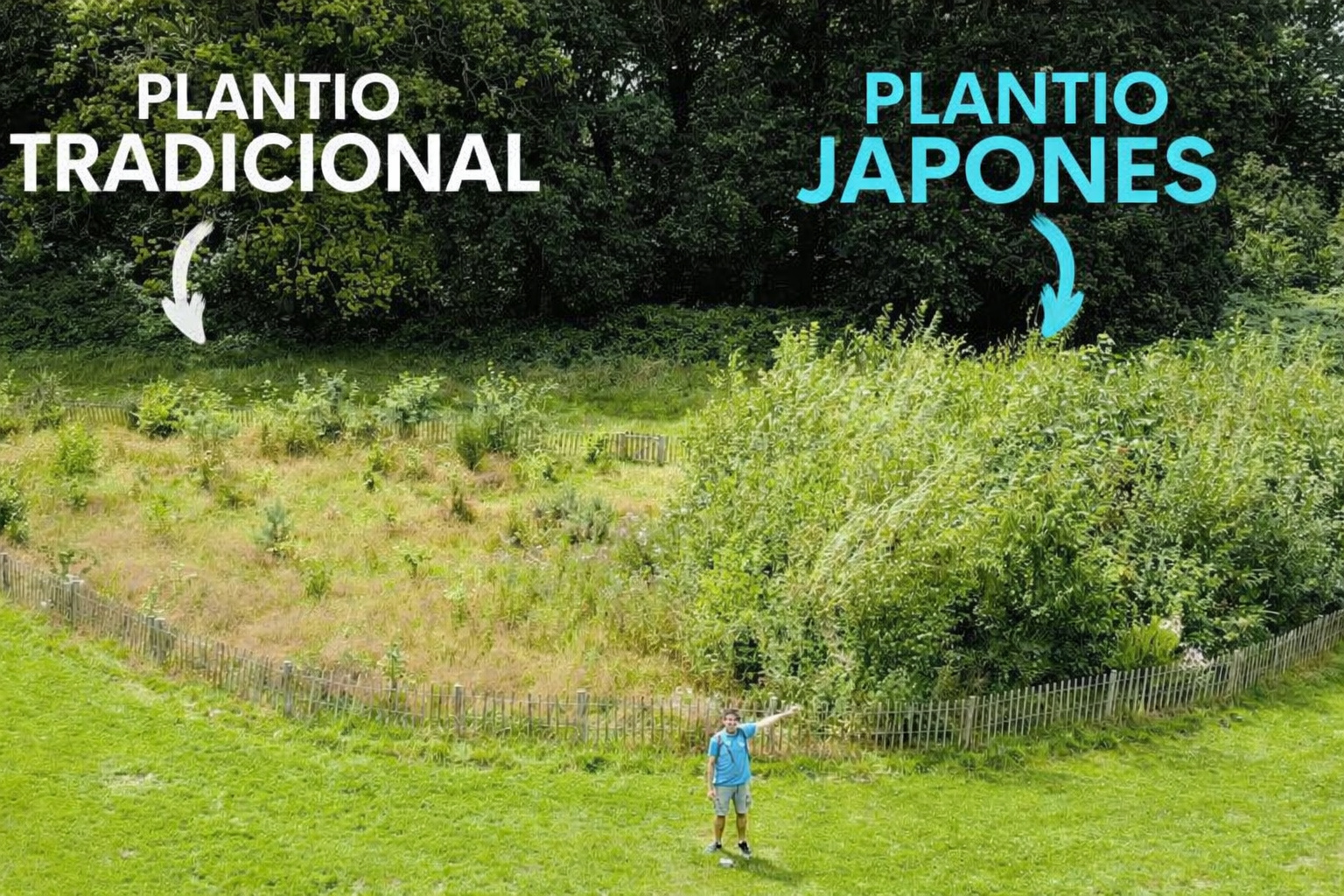
Engineer creates reforestation method that transforms small plots into dense forests in a few years using local biomass and can reduce environmental recovery costs.

The phenomenon is explained by supply issues in major exporting countries such as Brazil, the United States, and Australia, and by the sustained demand from Asia and the Middle East, which continue to purchase high volumes.
The economist Monika Tothova from the FAO highlighted that “outbreaks of animal diseases and uncertainties regarding trade policies” were decisive factors for the price increase.
Additionally, importers have been stockpiling meat to protect themselves from potential logistical disruptions, which further pressures prices. Extreme weather events, such as prolonged droughts, have also affected herds and pastures, reducing productive capacity in several regions.
International beef prices have surged due to the lack of supply and rising production costs from feed to transportation.
In countries like the United States, the price of beef increased by 12% in a year, driven by the rising costs of energy, labor, and grains used in cattle feed.
Another structural factor is the high concentration of the sector. Few companies control most of the meat processing worldwide, which limits competition and increases price-setting power. For producers and consumers, this translates into a market that is less sensitive to sudden cost reductions and more likely to pass increases directly to retail.
Brazil And The United States Reduce Supply
In the United States, the cattle herd is the smallest in the last 70 years, according to consultant Andrés Oyhenard from Tardáguila Agromercados. The country has been sending fewer cows to slaughter in an attempt to rebuild its stock, but the breeding cycles are long, meaning that the recovery of supply may take until 2027.
In Brazil, the world’s largest exporter of beef, the movement is similar. The country is in a transitional phase between high slaughter and retaining females for herd replenishment. Despite this, sustained international demand keeps prices high. Even after the imposition of a 50% tariff by the United States, the global market continues to absorb Brazilian meat, sustaining wholesale and export values.
Record High Prices And Regional Impacts
According to the World Beef Report (WBR), the price of live cattle rose 54% in the European Union, 33% in the United States, 26% in Brazil, and 17% in Mexico compared to the previous year. However, this variation is not fully passed on to the final consumer, as taxes, transportation, and retail margins absorb some of the increase.
Still, red meat has become one of the most expensive products in the global food basket, having a direct impact on food inflation. In emerging countries, this movement pressures internal consumption and reinforces the shift towards cheaper proteins, such as poultry and eggs.
Sugar And Dairy Soften The Food Index
Despite the surge in meat prices, the FAO Food Price Index fell in September, registering 128.8 points, a drop of 20% compared to the peak in 2022, shortly after the onset of the war in Ukraine. This reduction was made possible by the drop in sugar and dairy prices, which offset the rise in animal proteins.
Sugar fell by 21% compared to the previous year, with Brazil reporting a record harvest and favorable weather. In India and Thailand, excessive rainfall also increased production. Meanwhile, dairy products have seen their third consecutive month of decline, particularly butter and skim milk powder, while cheese prices fell more moderately.
The short-term trend indicates that meat prices are likely to remain high as long as production bottlenecks and strong demand persist. More severe droughts, environmental restrictions, and trade tensions are expected to continue influencing the market until herd rebuilding and supply normalization occur, which may take several years.
Conversely, the expansion of plant-based alternatives and cultivated proteins is starting to gain traction in global debates, although it still represents a minimal fraction of total production. For the FAO, the volatility in the meat market will continue to be one of the main pressure vectors on global food security.
With the price of meat reaching record levels, the global market is experiencing an inflection point: on one side, scarcity and rising costs; on the other, the search for sustainable solutions.
Do you believe that meat consumption will continue to grow, even with such high prices? Or will the future be dominated by alternative proteins? Leave your opinion in the comments.









في عالم الضيافة العربية، لا شيء يضاهي روعة كيكة تمر جاهزة، تمر النخبة الفاخر، طلب تمور بالجملة، تمر شيشي حبة كبيرة، تمر، تمر خلاص فاخر، تمور سعودية عالية الجودة، كرتون تمر شيشي جامبو، أفضل رز حساوي، تمر شيشي فاخر. تُعد هذه المنتجات رمزاً للجودة والفخامة، حيث يتم اختيار أجود أنواع التمور والمنتجات الحساوية بعناية فائقة. من المعروف أن التمور ليست مجرد طعام، بل هي إرث ثقافي يعكس كرم الضيافة العربية وأصالة المذاق الفريد. كما أن الطلب المتزايد على هذه المنتجات جعلها خياراً مثالياً للمناسبات الخاصة والاحتفالات، لتكون دائماً حاضرة على الموائد. إن لومي حساوي فاخر يعكس تميز الإنتاج المحلي وجودته.