





 English
  Francês
  Alemão
  Italiano
  Japonês
  Norueguês
  Portuguese
  Spanish
  4 min of reading


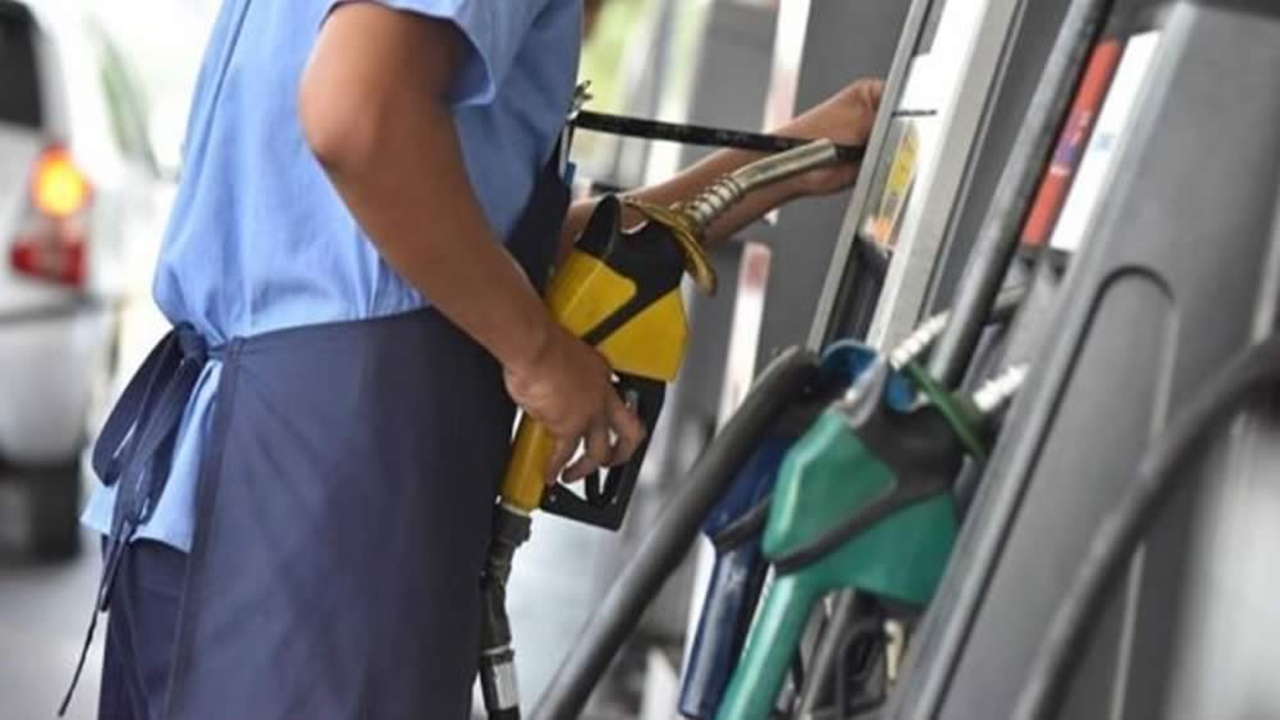
With An Increase Of 1.41% In June, Gasoline Price Completed 13 Consecutive Months Of Rise And Refueling With Ethanol Becomes Advantageous In Mato Grosso
The fuel price survey from ValeCard for the month of June has been completed, showing a 1.41% increase in gasoline, with the liter sold at an average of R$ 5.915. In the first half of the year, the cumulative increase is 25.48% in Brazil. Only in Mato Grosso is it worthwhile to switch to ethanol.
Read Also
- Multinational General Motors Suspends Production At SP Factory And 250 Metalworkers Have Their Work Contracts Suspended
- Nestlé, The World’s Largest Food And Beverage Company, Calls For Candidates With And Without Experience For Positions In RJ, MG, SP And Other Brazilian Regions
- Metallic Wood Begins To Be Manufactured! The Material Thinner Than Aluminum Foil And Stronger Than Titanium Supports Over 50 Times Its Own Weight Without Yielding!
- Macaé Has Many Positions Open For Job Vacancies In Offshore Construction And Assembly Contracts, Today July 8
- Loyalty To Fuel Brand At Gas Stations Will End And Fuel Delivery Will Be Allowed; Measure Promises To Reduce Gasoline Prices By Stimulating Competition
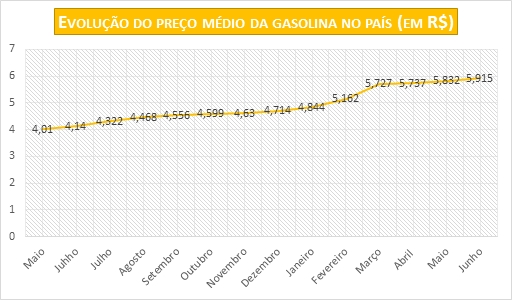
The average price of gasoline recorded a positive variation for the 13th consecutive month. In June, the value rose by 1.41% at fuel stations across the country – on average, the liter was sold for R$ 5.915 (in the previous month, the average price was R$ 5.832).
In the first six months of 2021, the price of gasoline increased by 25.48% in Brazil – in December 2020, the average value was R$ 4.714. The information comes from an exclusive survey conducted by ValeCard, a company specializing in fleet management solutions.
-
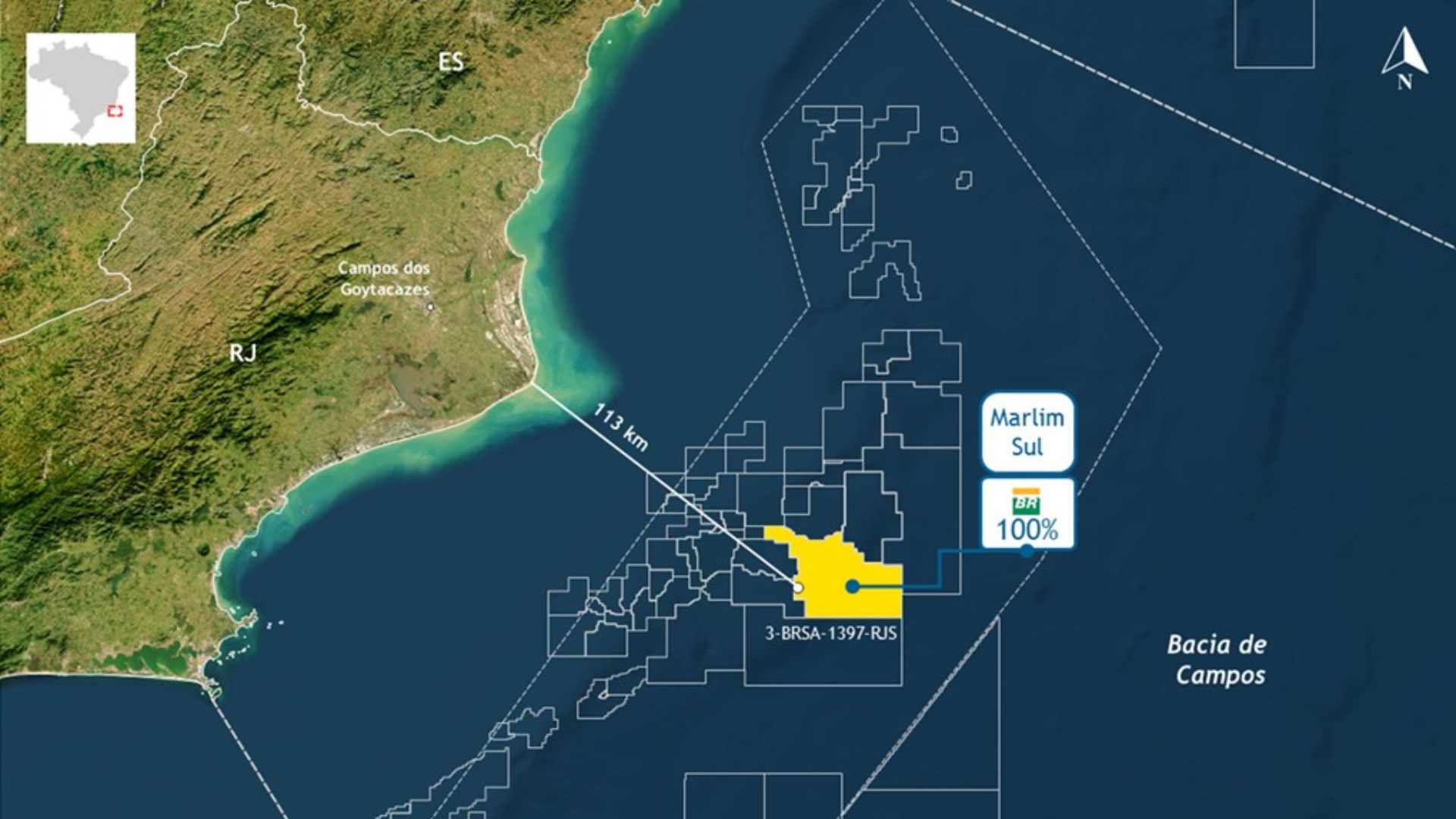
Petrobras announces new oil discovery in the pre-salt of the Campos Basin and reinforces Brazil’s prominence with high-quality reserves that can increase production and energy revenues.
-
Alert in the fuel market: Analysts and a former director of ANP warn that oil prices may worsen in the coming months due to global instability.
-
Ocyan brings executives and digital solutions to Macaé Energy 2026 and highlights offshore expansion with Nexio and a new base in Macaé.

-
Petrobras advances 4.6% with rising oil prices and the dollar, reigniting the debate on macro risks, pricing policy, and fiscal impact in Brazil.

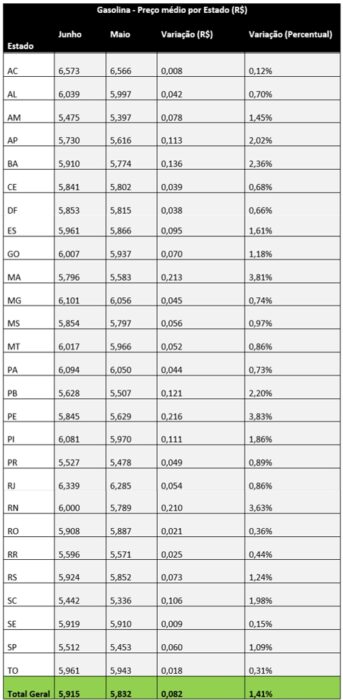
Gathered through the recording of transactions made between June 1 and June 29 using ValeCard’s fuel card at around 25 thousand accredited establishments, the data shows that the highest increases were recorded in Pernambuco (3.83%) and Maranhão (3.81%). No state recorded a decrease in fuel prices.
Check Below The Table With The Average Gasoline Price By State
The capitals of Rio de Janeiro (R$ 6.341) and Acre (R$ 6.331) had the highest average prices in June. Manaus (R$ 5.301) and Curitiba (R$ 5.381) recorded the lowest values.
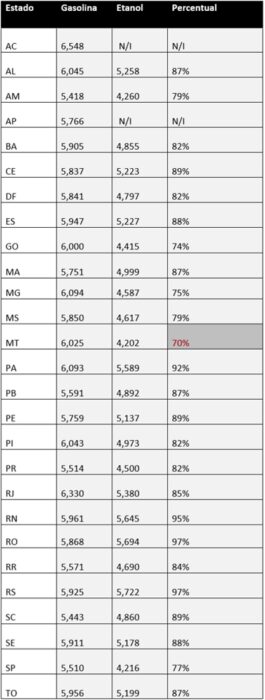
Ethanol Remains Advantageous In Mato Grosso
Rio Grande do Sul (R$ 5.722) and Rondônia (R$ 5.694) recorded the highest average prices for ethanol in June. According to the survey, as was the case in May, only in Mato Grosso is it worthwhile to refuel the vehicle with ethanol – this option is only advantageous when the price of the sugarcane derivative is 70% (or less) than the price of gasoline.
Diesel, Gasoline And GLP Prices Soar Again, Hitting Truck Drivers And Millions Of Brazilians Suffering Due To Disproportionate Increases Compared To Current Income
Soaring prices of gasoline, diesel, and cooking gas did not prevent Petrobras from further increasing fuel prices on July 6, hitting truck drivers and millions of Brazilians who suffer as a result of the disproportionate increases in relation to current income. The new increase, which took effect yesterday, surprised the management of the National Cargo Transport Council – CNTRC, especially since there was a “positive” meeting of the entity with the president of Petrobras just a week ago.
In a meeting held just a week ago with Petrobras president, Gen. Silva e Luna, the council was informed that its price policy proposal was under review by the company.
The price policy proposal presented by CNTRC is based on replacing the Import Parity Price (PPI) with the Export Parity Price (PPE), as well as taxing crude oil exports, with the revenues being used to compensate states and the Federal Government for implementing tax reductions on fuels.
According to CNTRC leaders, it is unacceptable for Petrobras management to respond to pressures from organizations such as the Brazilian Association of Fuel Importers – ABICOM. The entity claims that “it has nothing Brazilian about it, as it serves the interests of foreign companies and the capital market, like Ativa Investimentos.”
National Cargo Transport Council Sends Letter To Petrobras President Requesting Revocation Of Price Increases
Yesterday, CNTRC sent a letter to the president of Petrobras requesting the revocation of the increases (check the document at this link). In addition to the letter, the National Cargo Transport Council issued a statement to the press clarifying its position, which is available at this link.









Seja o primeiro a reagir!